Poland Doubled Its Egg Imports, the Main Supplier Is Ukraine
Wedoany.com Report-Dec.28, Poland nearly doubled its table egg imports in the first nine months of 2025 compared to the same period in 2024, according to data from the KOWR Analysis and Strategy Bureau.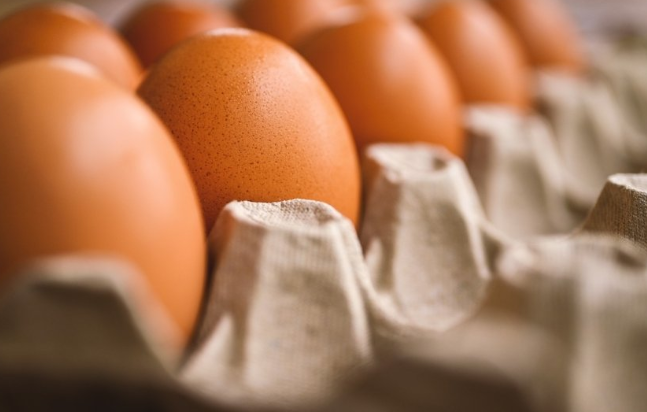
Imports reached 25.4 thousand tonnes during January to September 2025, up from 13.7 thousand tonnes in the corresponding period of 2024.
Poland exported 179.8 thousand tonnes of eggs for various purposes in the same timeframe in 2025, slightly below the 181.6 thousand tonnes recorded in 2024.
The majority of imports came from Ukraine. In the first nine months of 2024, Poland imported 5.6 thousand tonnes from Ukraine, increasing to 10 thousand tonnes in 2025 (with potential revisions to the 2025 figures still possible).
Latvia ranked second among suppliers, with imports rising from 2.5 thousand tonnes in 2024 to 3.9 thousand tonnes in 2025.
Imports from Bulgaria showed a substantial increase, from just 19 tonnes in 2024 to 2.1 thousand tonnes in 2025.
Germany's share declined significantly, falling from 3 thousand tonnes in 2024 to 391 tonnes in 2025.
Turkey emerged as a new source, supplying approximately 1.2 thousand tonnes in the first nine months of 2025, compared to no imports from this country in the previous year.
Pawel Podstavka, President of the National Federation of Poultry Farmers and Egg Producers, explained that the rise in table egg imports is linked to the need to maintain export markets.
He said: "Poland continues to have a surplus of egg production. Due to bird flu and the so-called pseudo-fowl plague, it is no longer as large as in previous years, but it is still enough to ensure domestic consumption, in accordance with the principle that Polish products have priority on Polish shelves. At the same time, there is a problem with obtaining a sufficient number of cheaper eggs for processing, which are subsequently exported to other markets."
Podstavka highlighted the clear distinction between the retail egg market and the segment intended for processing. He noted that the industry relies on re-export to preserve sales markets, which also helps maintain acceptable price levels for consumers domestically and prevents speculation.
He attributed the sharp drop in imports from Germany to increased Polish production in the floor-keeping system, which meets retail demand, as well as high prices and limited availability in Germany due to bird flu.
Podstavka suggested that Moldova could become an important egg supplier in the near future, alongside Turkey.
He said: "The European Union is opening up to eggs from Moldova, which is not only a neighbor of Ukraine, but can also become an intermediary in the trade of eggs between companies belonging to concerns operating in Ukraine and EU countries. Whether this will happen will depend on the development of possible mechanisms to restrict the export of products from Ukraine to EU countries and states that have association and free trade agreements with the EU, in particular Moldova or Montenegro."
The increased imports reflect ongoing efforts to balance domestic production surpluses with the demands of export markets and processing needs. This approach supports stable supply chains and competitive positioning in international trade.
Related Products





714CD Series C-Band Weather Radar
Chengdu Zhongdian Jinjiang Information Industry Co., Ltd.
Industrial and Commercial Point-Type Gas Detector
Jinan Benan Technology Development Co., Ltd.