Wedoany.com Report on Feb 11th, Chile has approved two battery energy storage system (BESS) projects to generate and sell carbon credits under a bilateral agreement with Switzerland and Article 6 of the Paris Agreement. The projects are the 228 MW/912 MWh BESS Diego de Almagro Sur, developed by Colbún, and the 220 MW/1,100 MWh BESS Arena, promoted by Copenhagen Infrastructure Partners. They aim to enhance power system flexibility and reduce operational emissions.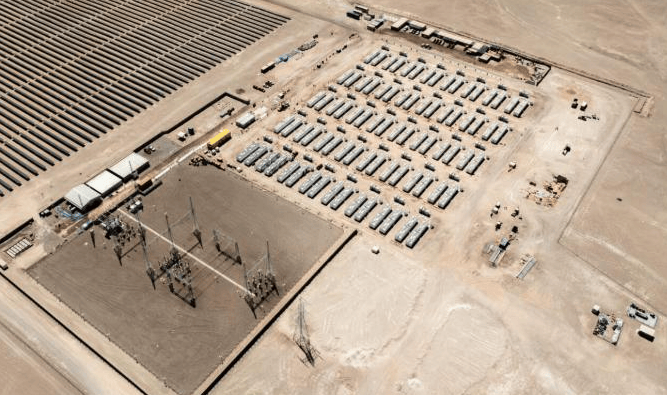
The approval was granted by the Article 6 National Committee, which assesses project eligibility for internationally transferred mitigation outcomes. BESS projects can displace fossil fuel generation during peak hours, optimize renewable energy integration, and reduce curtailment, thereby generating certifiable emission reductions that can be transferred to partner countries under the agreement.
In addition to the energy storage systems, the approved projects include three others under the same bilateral mechanism. These involve electric mobility initiatives to replace conventional fleets with electric vehicles, and development projects focused on energy efficiency and direct emission reductions in industry.
Chile's agreement with Switzerland is one of the first in Latin America to implement Article 6 of the Paris Agreement. It establishes rules to ensure environmental integrity, corresponding adjustments, and avoidance of double counting of emission reductions. Under this framework, Chile authorizes the transfer of credits while taking measures to ensure projects support its own climate goals.
The inclusion of battery storage projects in the carbon credit market is seen as a significant precedent, recognizing the role of electricity storage in climate change mitigation. This mechanism can provide additional revenue for developers and encourage new investments in large-scale batteries, especially against the backdrop of Chile's power system facing congestion and curtailment challenges due to the rapid deployment of solar and wind energy.
The approval of these projects under the Article 6 framework mobilizes over $1 billion in investments for implementing domestic emission reduction initiatives. Funding flows not only to energy infrastructure like storage, e-mobility, and efficiency but also to establishing measurement, reporting, and verification systems aligned with international carbon market standards, strengthening Chile's leadership in applying the Paris Agreement's cooperative mechanisms in the region.