South Korea Successfully Develops 370 km/h High-Speed Train, Ranking Second Fastest Globally
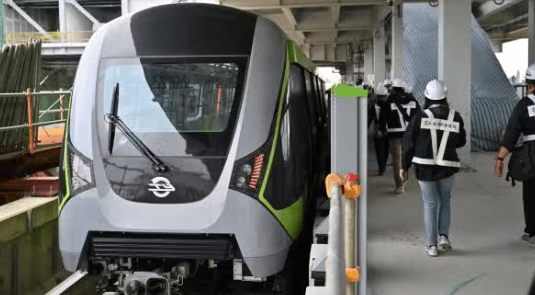
Wedoany.com Report-Dec.30, On December 22, South Korea's Ministry of Land, Infrastructure and Transport announced the completion of core technology development for the next-generation high-speed train, EMU-370. With a commercial operating speed of 370 km/h and a designed maximum speed of 407 km/h, this train will position South Korea as the world's second-fastest in high-speed rail speed rankings.

This breakthrough stems from a national R&D project led by the South Korean government. The project, spearheaded by the Korea Railroad Research Institute and involving seven public and private institutions, took three years and eight months (from April 2022 to December 2025) with a total investment of 22.5 billion won (approximately $15.23 million).
According to the plan, the South Korean government will begin manufacturing the first EMU-370 high-speed train next year, conduct trial runs in 2030, and commence commercial operations after 2031. Once operational, the EMU-370's commercial speed will rank second globally, trailing only China's CR450 train (400 km/h), which is currently under testing and expected to enter commercial service in 2027.
Technological Breakthrough: The Performance Leap of EMU-370
Compared to South Korea's current fastest train, the KTX-Cheongryong (EMU-320), the EMU-370 achieves significant improvements across several key technical metrics. Its motor output power increased by 47.4% to 560 kilowatts, equivalent to the total output of 75 mid-sized passenger cars.
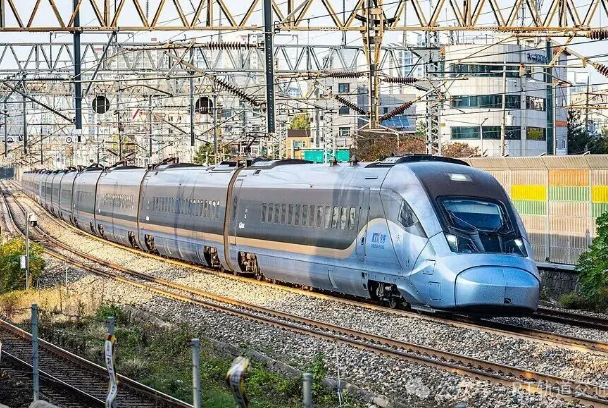
Regarding aerodynamic drag, a critical factor in high-speed train operation, the new train reduces drag by 12.3% through optimized nose design and minimizing protruding components like roof-mounted air conditioners.
Addressing passenger comfort, a key sensitivity at high speeds, the EMU-370 also made important breakthroughs. By optimizing the design of suspension systems such as air springs and dampers on the powered bogies, lateral vibration acceleration is reduced by over 30%. Furthermore, cabin noise is controlled at 68-73 decibels, approximately 2 decibels lower than existing models.
Notably, the project also achieved localization of air-tightness and sound insulation technologies and established performance evaluation and safety verification standards for car body equipment, operation, braking, propulsion systems, and signaling equipment.
Development Roadmap: From Testing to Commercial Operation
South Korea's high-speed rail development began with the KTX system launched in 2004. Based on French TGV technology with a maximum operating speed of 300 km/h, it made South Korea a member of the global high-speed rail club.
Today, the development of the EMU-370 marks a crucial step in South Korea's journey towards self-reliance in high-speed rail technology.
The South Korean government has set a clear timeline: manufacturing of the first batch of vehicles begins in 2026, trial runs will be conducted on the Pyeongtaek–Osong section in 2030, with commercial operations starting after 2031. If realized, this progress will make South Korea one of the few countries mastering high-speed rail technology exceeding 350 km/h.
Yoon Jin-hwan, Director-General of the Railway Bureau at the Ministry of Land, Infrastructure and Transport, stated, "Through the joint efforts of the government, public institutions, and private companies, South Korea has finally independently mastered the world's second-fastest high-speed operation technology at 370 km/h, 20 years after introducing high-speed rail."
Transportation Transformation: Nation Enters a "Two-Hour Living Sphere"
The EMU-370 high-speed train brings not just increased speed but a reshaping of South Korea's national transportation landscape. Once operational, travel time from Seoul to Busan will be shortened to 1 hour and 50 minutes, and from Seoul to Gwangju to just 1 hour and 10 minutes.
This means travel times between South Korea's major cities will enter the "one-hour era," effectively forming a single nationwide living sphere.
The South Korean government noted that the EMU-370 will "connect the entire country into one living sphere," promoting balanced regional economic development. By shrinking time and distance, high-speed rail is expected to alleviate the problem of excessive population concentration in the Seoul metropolitan area and stimulate local economies.
Furthermore, the Korea Railroad Research Institute and Hyundai Rotem are actively developing more advanced technologies. The EMU-370 is expected to replace the KTX-1 trains imported from Alstom when the KTX system opened in 2004.
International Perspective: New Landscape in Global High-Speed Rail Competition
When the EMU-370 enters commercial service, the global high-speed rail speed rankings will be reshuffled. Currently, major high-speed trains in France, Germany, and Japan operate at around 320 km/h. The EMU-370's 370 km/h speed will clearly lead these traditional high-speed rail powerhouses.
This progress also reflects new trends in the global high-speed rail market competition. South Korean officials hope the country can solidify its position in the global high-speed rail market, which is increasingly moving towards trains operating at 350 km/h or faster.
With the advancement of the EMU-370 project, a new competitive landscape is forming in the global high-speed rail market. South Korea plans to immediately begin developing core technologies for a third-generation high-speed train with a speed of 400 km/h after completing the EMU-370.
Related Products
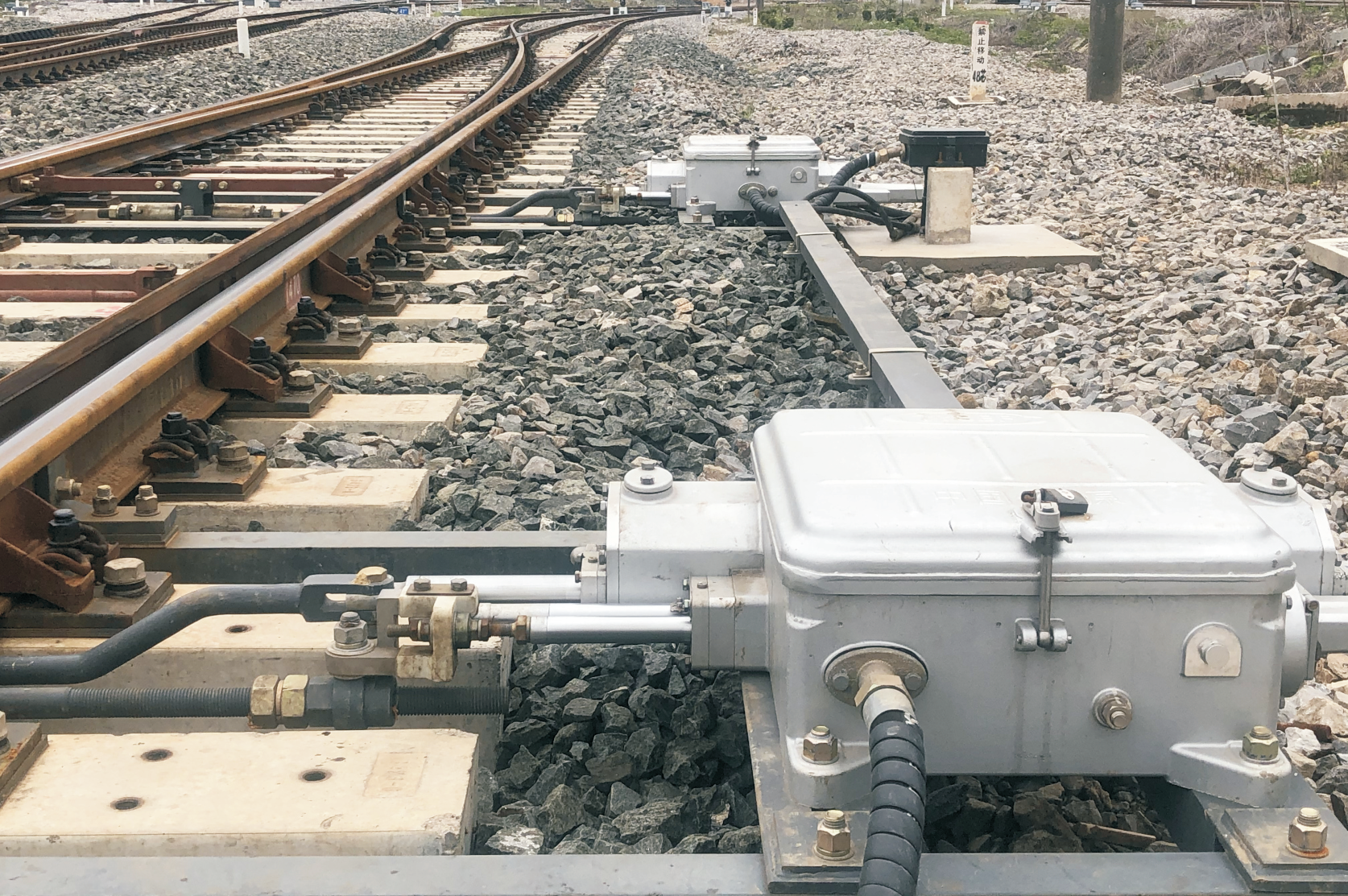

ZY(J)7(M) Sealed Type Electro-Hydraulic Turnout Machine
TAIYUAN CR JINGFENG EQUIPMENT TECHNOLOGY CO., LTD.
China - Alashankou/Khorgos - Europe Full Range Transportation (Mala/Hamburg/Duisburg/Budapest, etc.)
Shenzhen Neptune Logistics Co., Ltd.
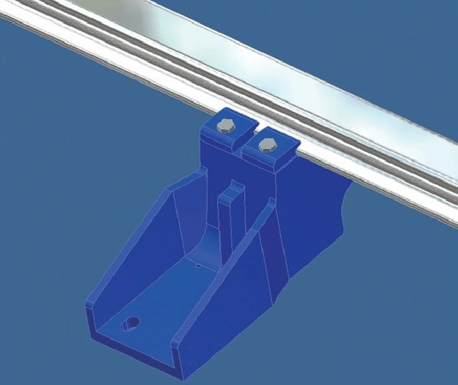

Industrial and Commercial Point-Type Gas Detector
Jinan Benan Technology Development Co., Ltd.
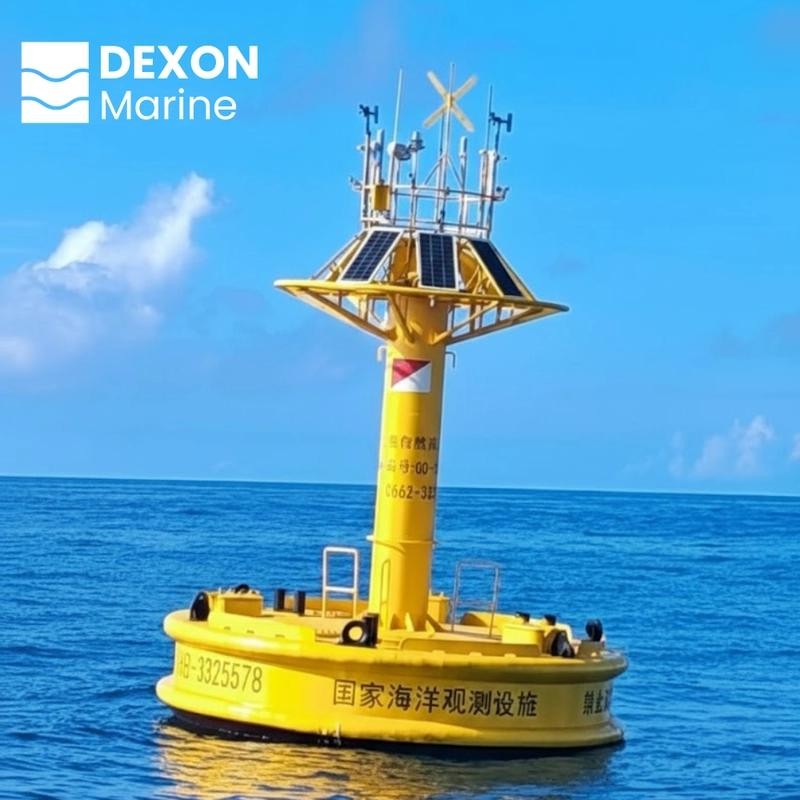
3m intelligent buoy combining navigation safety and real-time marine monitoring integrated navigation and marine monitoring system for real-time maritime data
Chengdu Dixin Technology Co., Ltd.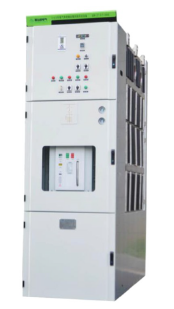
GSR6-27.5kV SF6 Free Gas-insulated Metal-enclosed Switchgear
Zhejiang Juhonkia Intelligent Electric Co., Ltd.