Designed for 350 km/h, track laying officially begins on Shanghai-Nanjing section of Shanghai-Nanjing-Hefei High-Speed Railway
en.Wedoany.com Reported - On September 3, at the construction site of the Tongtaiyang Grand Bridge in Nantong City, Jiangsu Province, as the first pair of 500-meter-long steel rails was slowly pulled out and precisely positioned by the track-laying machine, track laying construction officially commenced on the Shanghai-Nanjing section of the new Shanghai-Nanjing-Hefei High-Speed Railway (hereinafter referred to as the "Shanghai-Nanjing section of the Shanghai-Nanjing-Hefei HSR").
The Shanghai-Nanjing-Hefei HSR is a key component of the Yangtze River corridor of the national "Eight Vertical and Eight Horizontal" high-speed railway network. The line starts from the new Shanghai Baoshan Station in Shanghai, passes through Suzhou, Nantong, Taizhou, Yangzhou, and Nanjing in Jiangsu Province, as well as Chuzhou and Hefei in Anhui Province, and connects to the existing Hefei South Station, with a total length of approximately 554 kilometers, a design speed of 350 km/h, and 16 stations along the entire line.
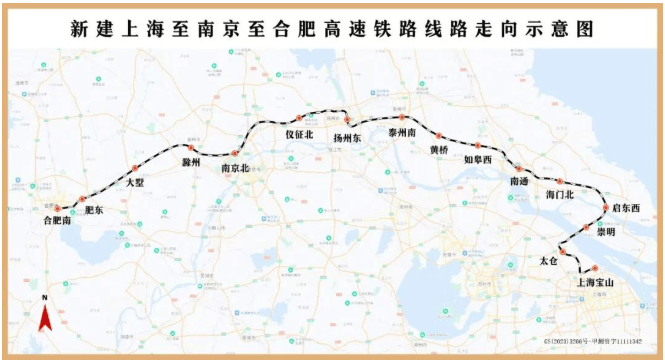
The current track laying section spans from Qidong West Station to Nanjing North Station. Given the large scale of track laying works and frequent cross-operations, the construction team has deployed an intelligent cloud platform for track engineering and an intelligent control platform for track engineering transport management, enabling round-the-clock, full-trajectory monitoring of operating vehicle status, and achieving integrated control of dispatch command and risk warning to ensure safe and orderly construction.
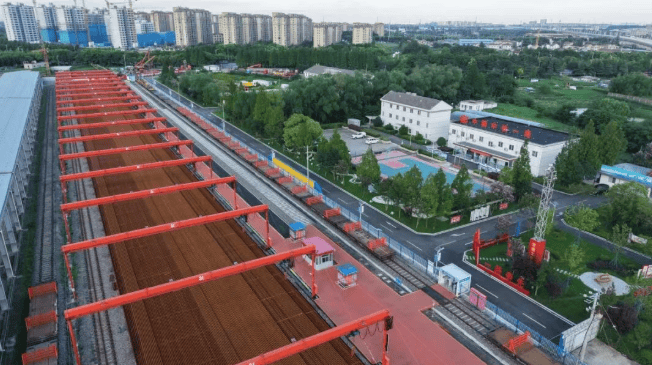
In terms of processes and tooling, the project has extensively applied green and intelligent equipment such as high-power pure electric rail vehicles, new energy storage-powered mobile flash butt rail welding units, intelligent bolting robots, and new energy rail sawing machines, which, together with other intelligent mechanized tools, ensure track laying precision and line smoothness from the source.
To improve operational efficiency, the construction team has adopted intelligent multifunctional adjacent-line dual-track long rail laying units, implementing a "single-line travel, dual-line laying" construction mode. The equipment does not require frequent turnaround or line changes and can complete dual-line laying in one pass, improving operational efficiency by 30% compared to traditional processes.
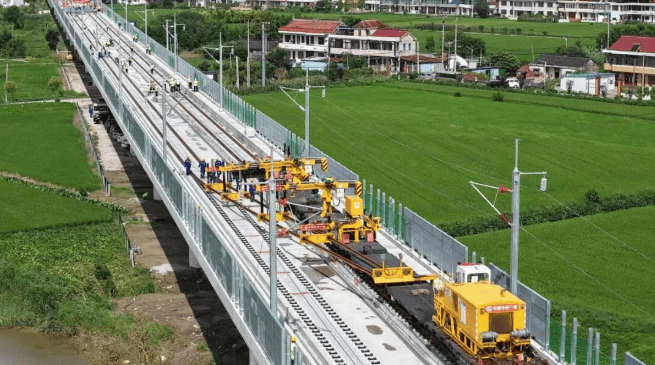
At present, subgrade, bridge, and tunnel works on the Shanghai-Nanjing section of the Shanghai-Nanjing-Hefei HSR have been largely completed, while station buildings and the "four electrical systems" works are progressing in an orderly manner as scheduled. The official start of track laying marks the project's full transition from substructure works to superstructure construction.
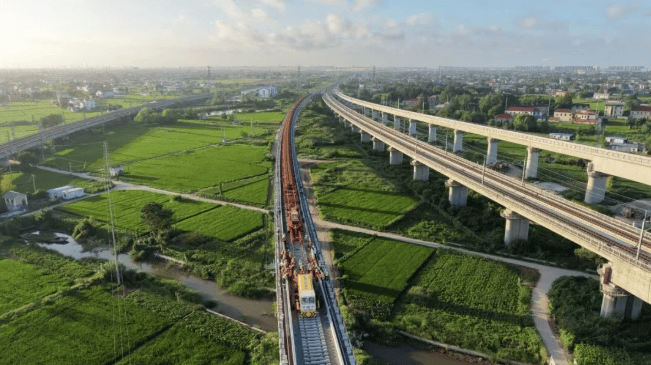
Once completed and opened to traffic, the project will establish a fast new corridor among the Shanghai metropolitan area, the Nanjing metropolitan area, and the Hefei metropolitan area. It is of great significance for building a "Yangtze River Delta on Rails," optimizing the railway network layout along the Yangtze River region, serving the high-quality development of the Yangtze River Economic Belt, and promoting the integrated and high-quality development of the Yangtze River Delta.
Related Products

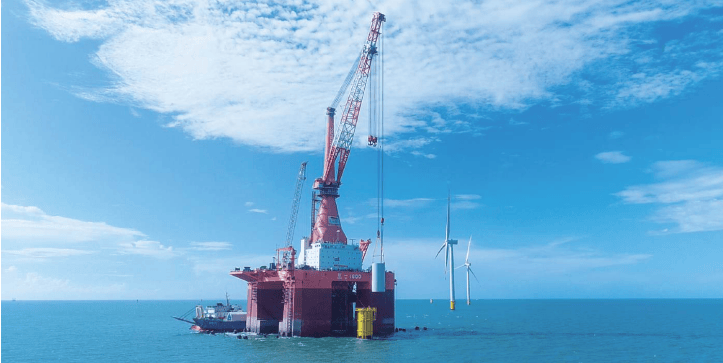
"Shunyi 1600" Deep-submerging Bottom-sitting Multi-functional Wind Power Engineering Vessel
Zhengli Offshore Engineering Co., Ltd.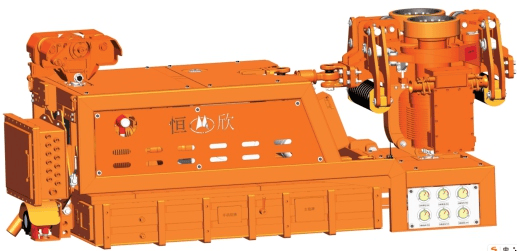
Explosion-proof lithium battery dispatching monorail crane locomotive (permanent magnet frequency conversion integrated machine)
Xiangtan Hengxin Industrial Co., Ltd.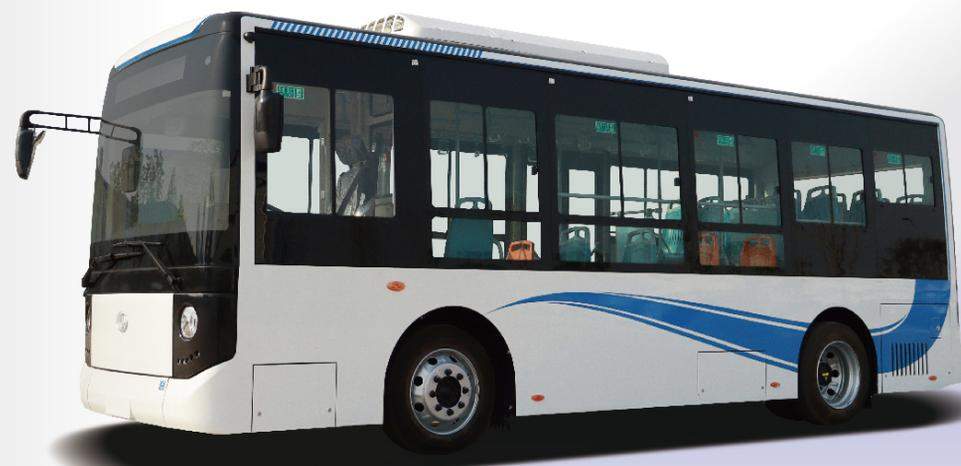
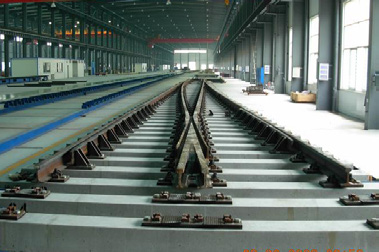

Wheel and Track Technology Business
Beijing Research & Design Institute of Rubber Industry Co., Ltd.

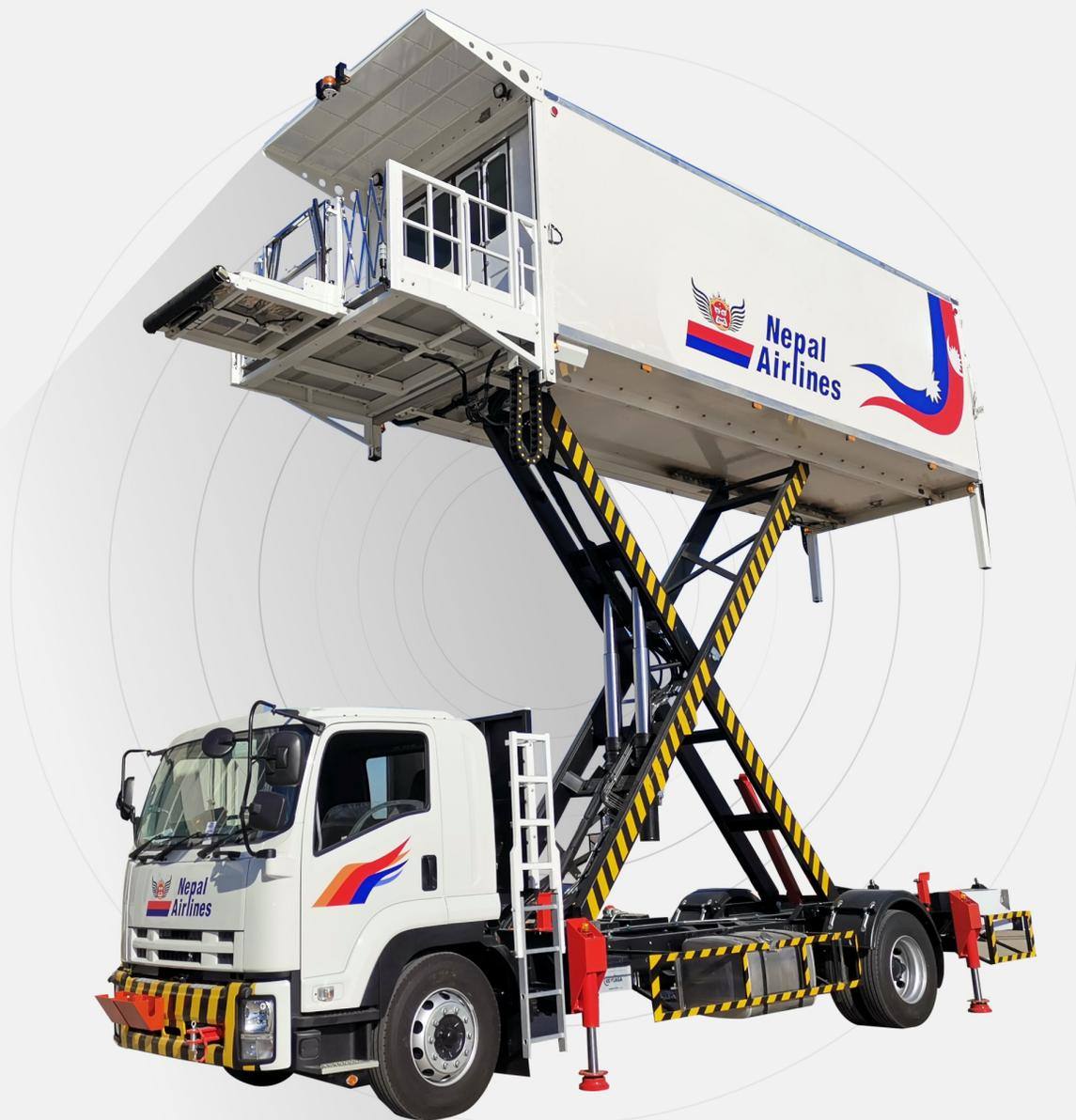
XC-6000e Type Aviation Catering Truck (Fuel Type)
Shenzhen CIMC-TianDa Airport Support Ltd.