US Maritime Action Plan MAP Focuses on Traditional Shipbuilding, Faces Challenges in Transition to Clean Shipping Market
In February, the U.S. federal government released a policy document called the Maritime Action Plan (MAP). This plan aims to address global competition and revitalize the domestic shipbuilding industry. However, analysts point out that the plan focuses more on restoring capacity in traditional technologies and is inadequately prepared for the emerging zero-emission vessel market.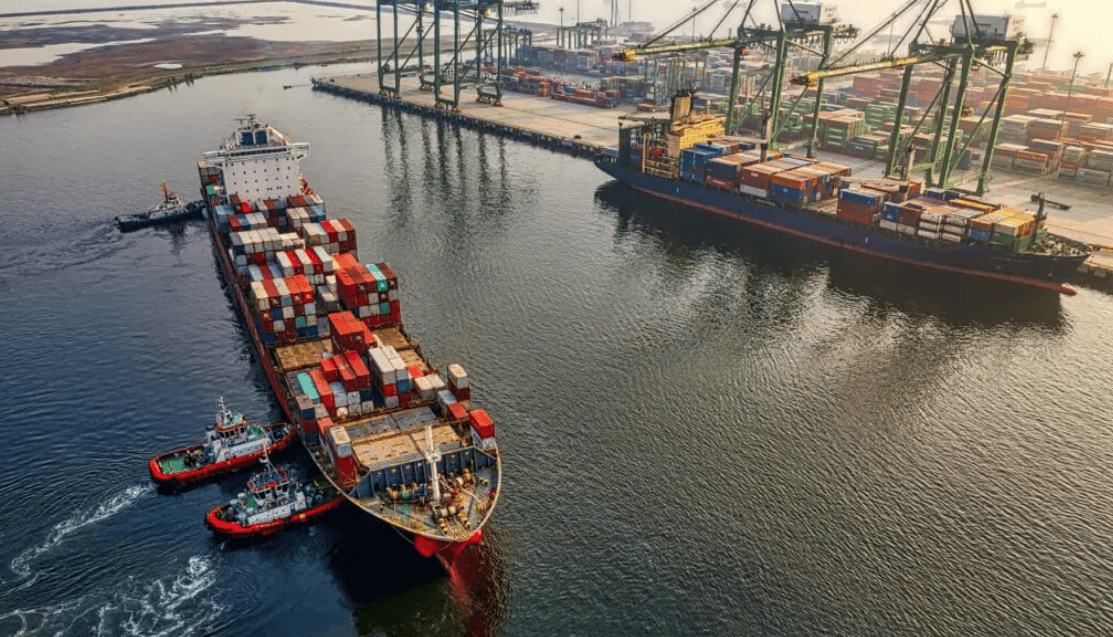
MAP proposes levying fees on imported vessels based on cargo weight, which is expected to raise between $660 billion and $1.5 trillion over ten years for the Maritime Security Trust Fund. However, economists believe this could increase trade costs, ultimately impacting consumers, and may trigger international reactions.
According to a 2025 executive order, the core objective of MAP is to rebuild U.S. maritime capability. Data shows that the U.S. accounts for less than 1% of newly built commercial vessels globally, with only 66 shipbuilding and related facilities nationwide, indicating an industrial base that needs strengthening. The plan includes measures such as modernizing shipyards, expanding dry docks, applying artificial intelligence, providing tax incentives, developing a national fleet, and focusing on autonomous vessels and Arctic strategy.
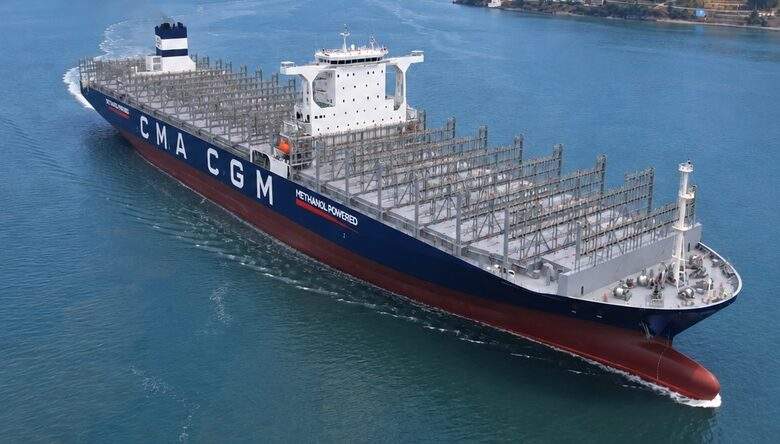
However, MAP has shortcomings regarding clean shipping. Zero-emission vessels are becoming the new standard for global maritime competitiveness, and the International Maritime Organization is also promoting a net-zero framework. Neglecting this trend could leave the U.S. lagging in the technological transition and affect its share in emerging markets.
Antonio Santos, Federal Climate Policy Director at Pacific Environment, stated: "While MAP aims to revitalize the shipbuilding industry, it lacks a clear commitment to sustainable fuels and next-generation vessels. U.S. leadership in the clean vessel sector is crucial for energy security and economic competitiveness." He added: "To become a global maritime leader, the U.S. needs to invest in innovation and build an efficient fleet. Zero-emission vessels are already the global benchmark."
Davina Hurt, Climate Policy Director at Pacific Environment, pointed out: "MAP resembles more of a policy tool checklist, lacking a unified vision. For example, expanding LNG-powered activities in the Arctic conflicts with protecting climate-sensitive areas. The government has identified maritime capability as a weakness; now it needs to develop a strategy fit for the future."
Related Products


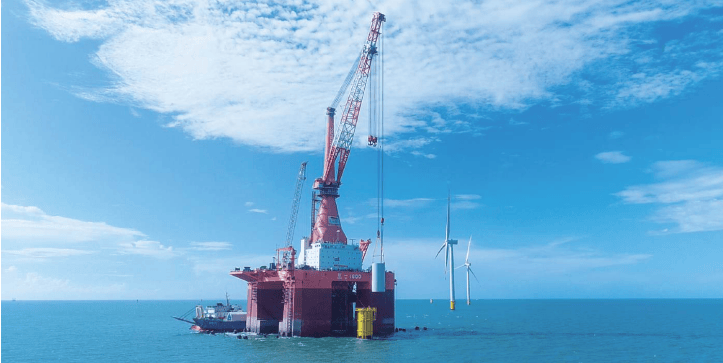
"Shunyi 1600" Deep-submerging Bottom-sitting Multi-functional Wind Power Engineering Vessel
Zhengli Offshore Engineering Co., Ltd.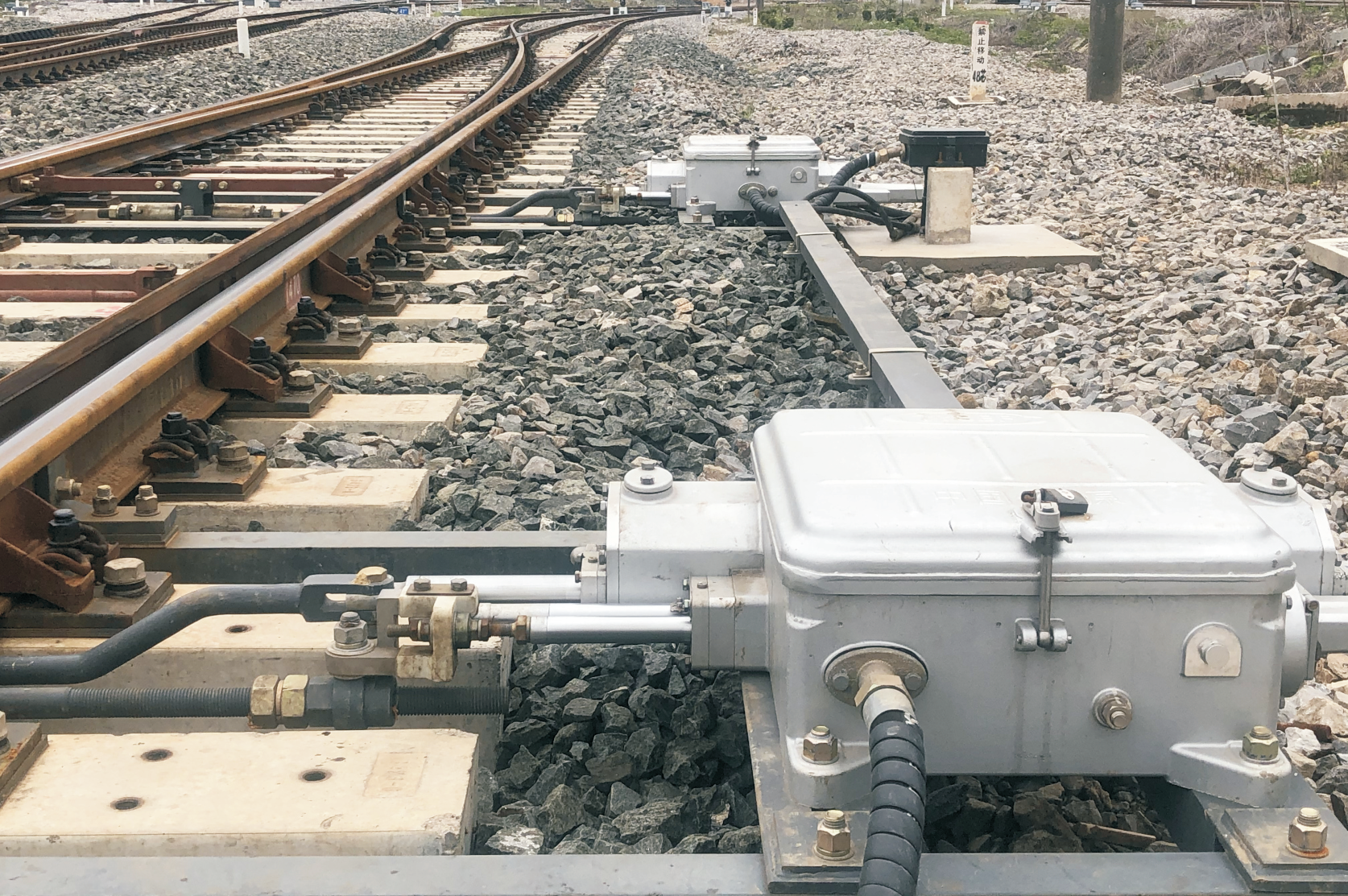
ZY(J)7(M) Sealed Type Electro-Hydraulic Turnout Machine
TAIYUAN CR JINGFENG EQUIPMENT TECHNOLOGY CO., LTD.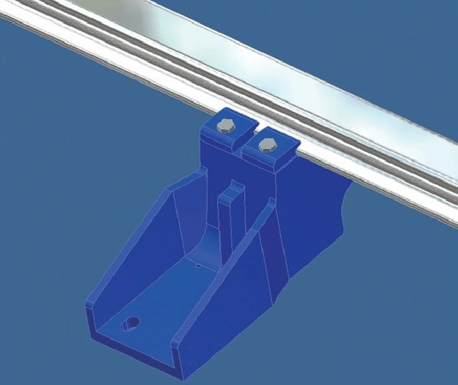
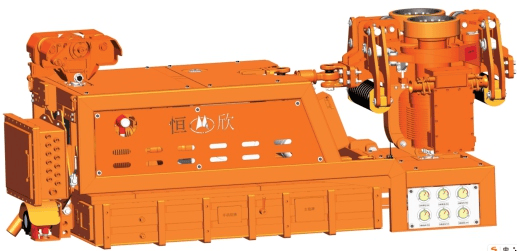
Explosion-proof lithium battery dispatching monorail crane locomotive (permanent magnet frequency conversion integrated machine)
Xiangtan Hengxin Industrial Co., Ltd.
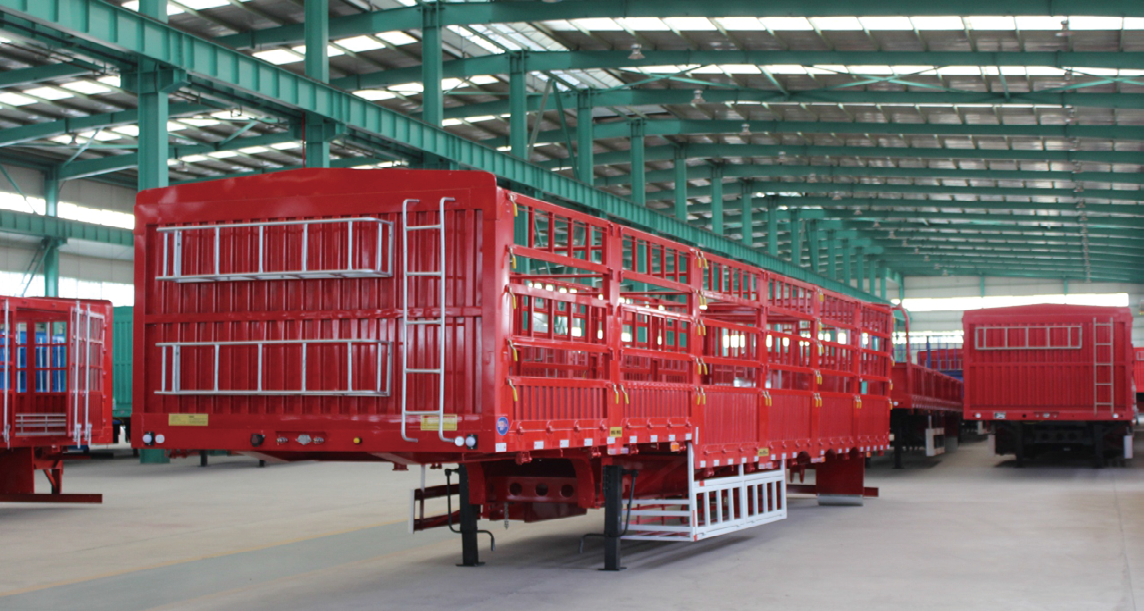
![IVECO Cash-in-Transit [DMT5048XYCL3-AM] - Chongqing Dima Industry Co., Ltd](https://img.wedoany.com/2026/0911/20260911030157582.png)
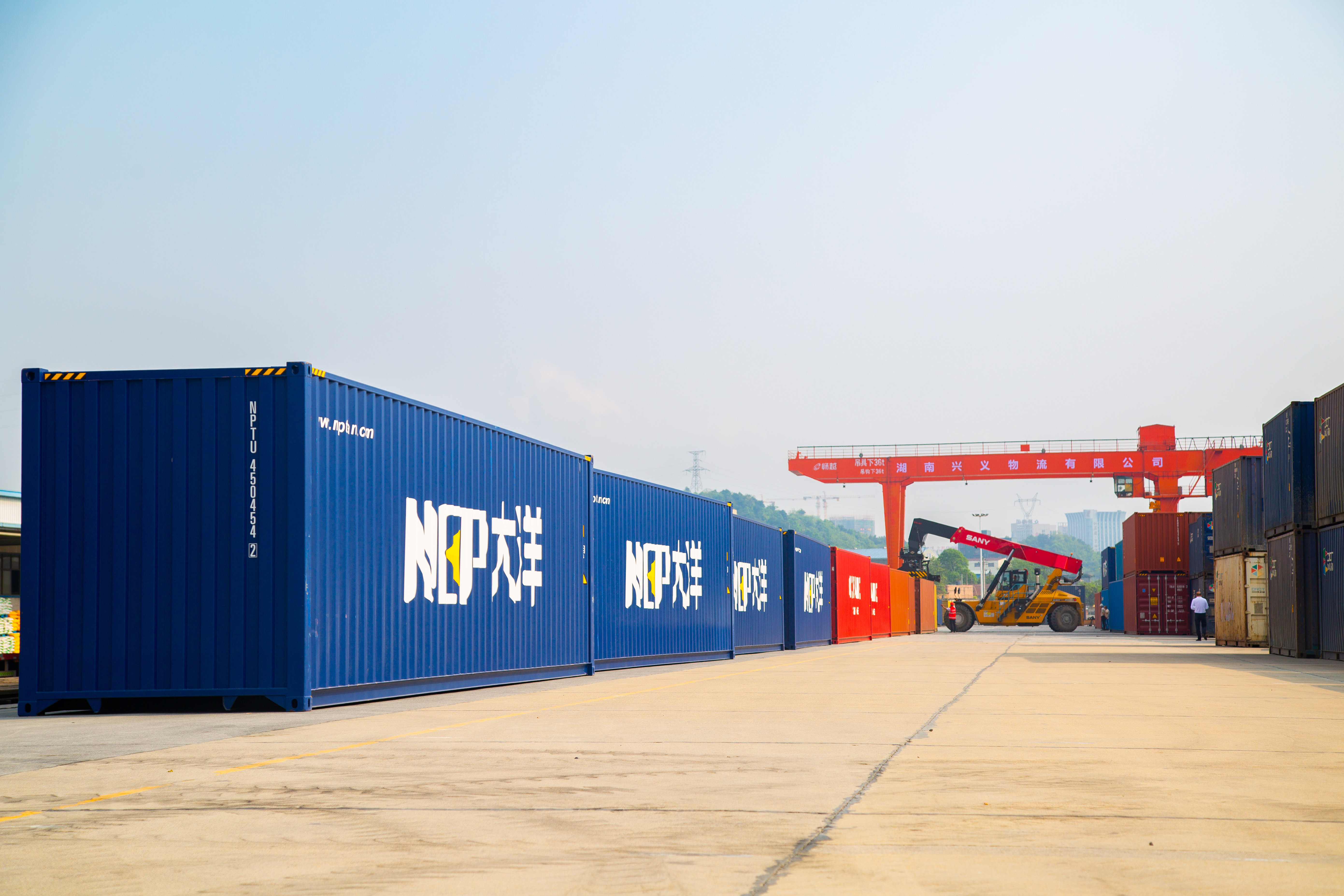
China - Alashankou/Khorgos - Europe Full Range Transportation (Mala/Hamburg/Duisburg/Budapest, etc.)
Shenzhen Neptune Logistics Co., Ltd.