Ascendance ATEA Hybrid-Electric VTOL Aircraft Enters Final Integration Phase
Ascendance has initiated the final integration of the hybrid-electric propulsion system and avionics suite for its ATEA hybrid-electric vertical take-off and landing (VTOL) aircraft at its facility in Toulouse, France. This integration phase follows the completion of the demonstrator's composite structure, manufactured by aerospace partner Duqueine Group, marking Ascendance's transition from engineering development to the physical assembly of the aircraft's core systems. The company was founded in 2018 by former members of the Airbus E-Fan project team.
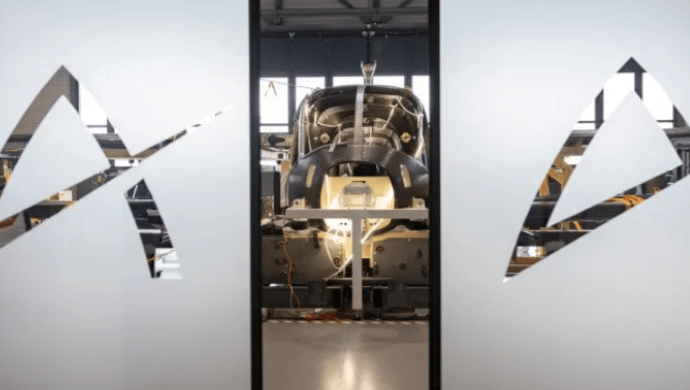
The ATEA hybrid-electric VTOL aircraft utilizes the Sterna hybrid-electric propulsion system, which is equipped with Safran's ENGINeUS electric motors and has undergone over 500 hours of bench testing within four years. The test program validated the architecture's reliability and performance before integration into the airframe. The avionics systems and flight control laws were evaluated through advanced flight simulations. These simulation activities included a full cockpit, integrated onboard systems, and ground communications, involving Ascendance's test pilots and EASA-certified pilots to validate the fly-by-wire flight control architecture.
Jean-Christophe Lambert, CEO of Ascendance, stated: "ATEA entering its final integration phase is a particularly significant moment for our team. It brings years of design, hybrid-electric propulsion testing, and avionics validation to life. ATEA is more than just an aircraft—it is a demonstrator of a complete architecture combining hybrid-electric propulsion, distributed propulsion, and fly-by-wire flight controls."
The ATEA hybrid-electric VTOL aircraft employs a distributed propulsion architecture. Beyond the ATEA project, Ascendance is collaborating with partners in the drone and civil aviation sectors to apply its Sterna hybrid-electric technology, validating the suitability of the hybrid architecture across different operational environments.
Related Products

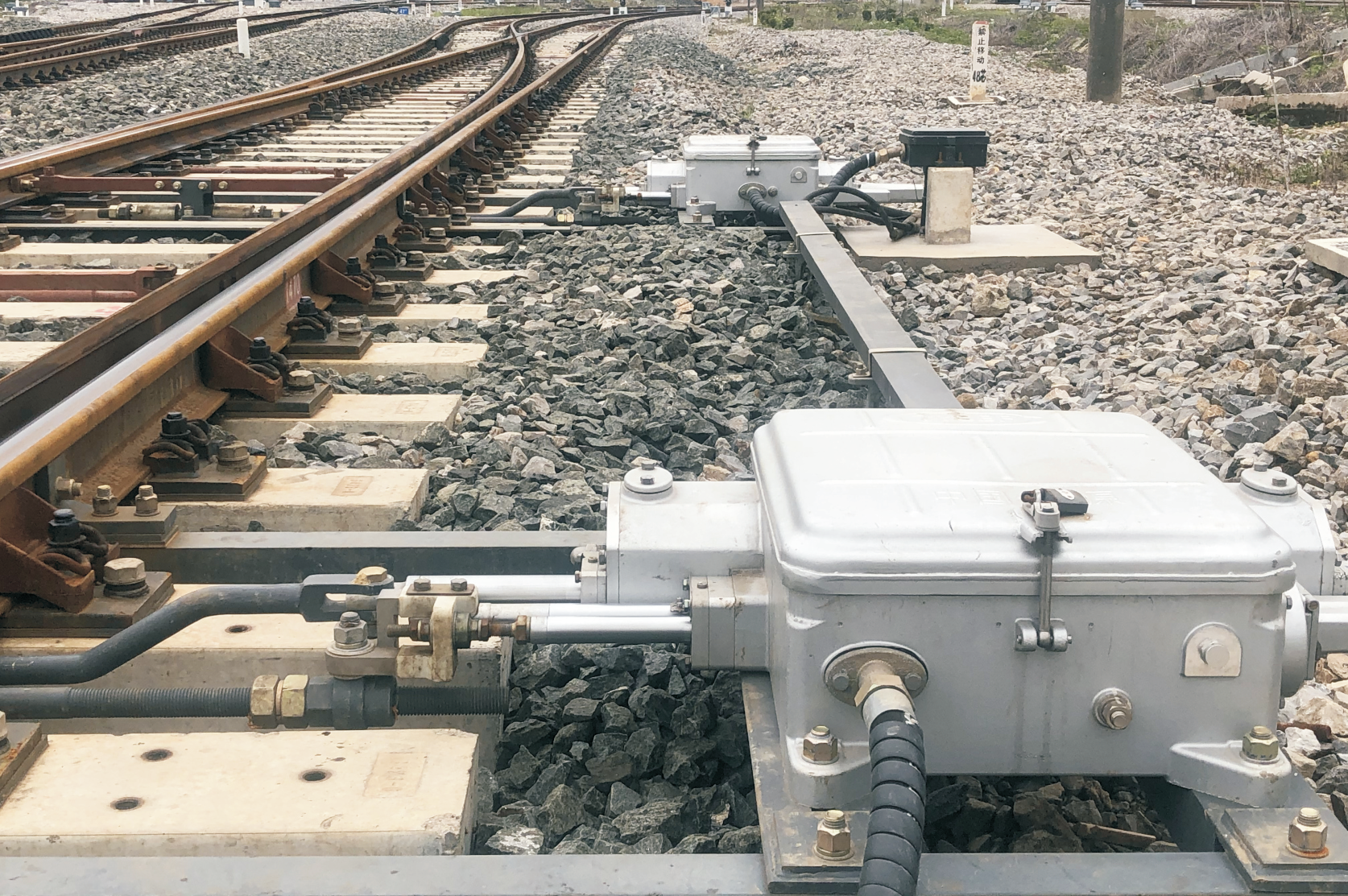
ZY(J)7(M) Sealed Type Electro-Hydraulic Turnout Machine
TAIYUAN CR JINGFENG EQUIPMENT TECHNOLOGY CO., LTD.
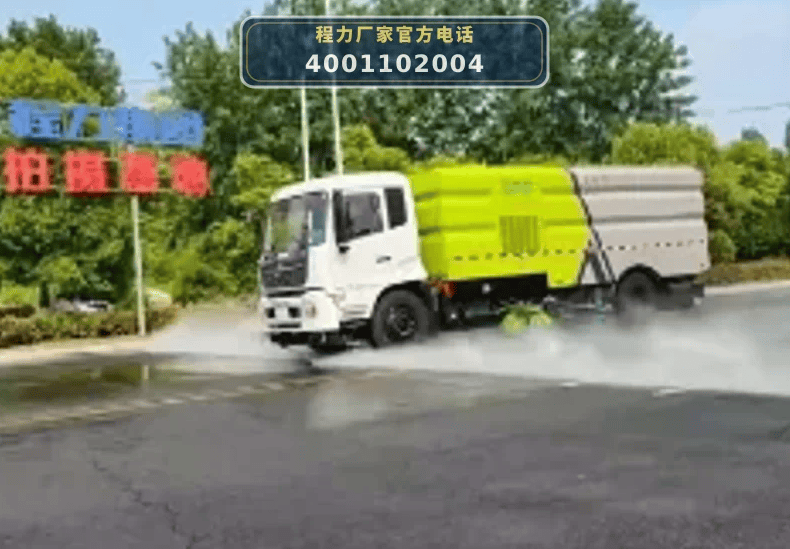
CLW5180TXSD6 Dongfeng Tianjin Washing and Sweeping Truck
ChengLi Special Automobile Co., Ltd.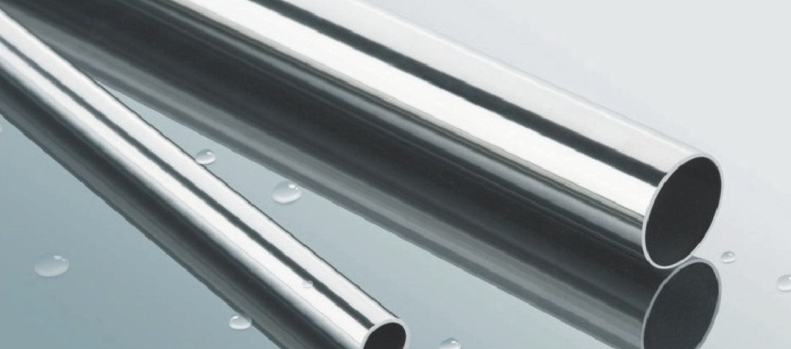
ERW Welded Pipe (Black Pipe and Hot-dip Galvanized Steel Pipe)
Handan Zhengda Steel Pipe Co., Ltd.
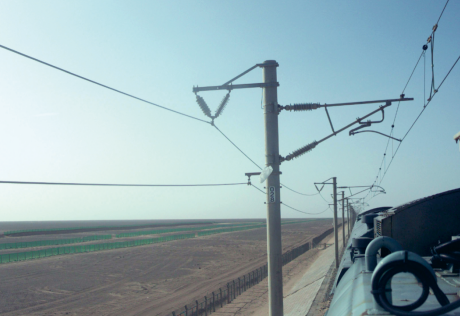
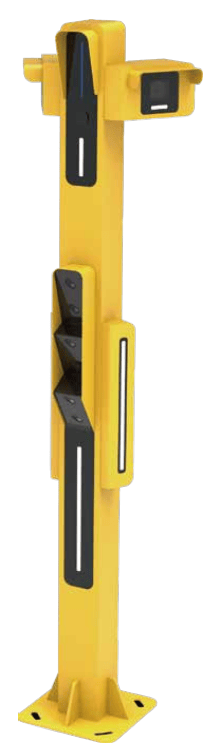
Pantograph-Catenary Comprehensive Detection Device (1C)
CHENGDU TANGYUAN ELECTRIC CO., LTD.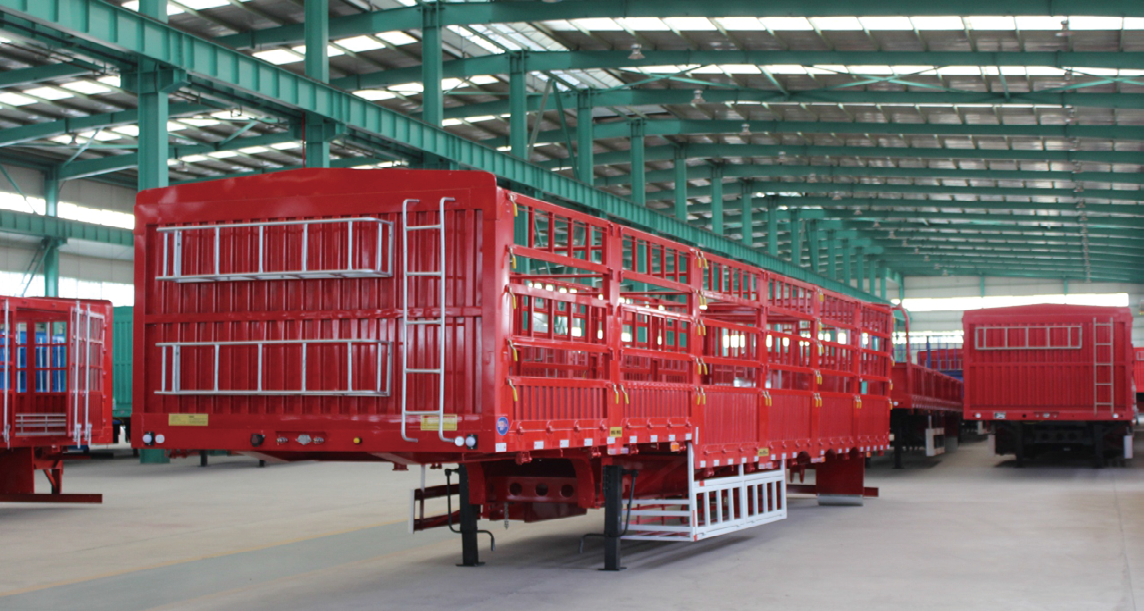
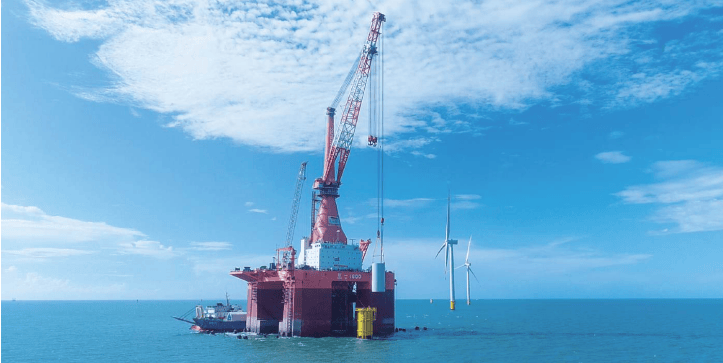
"Shunyi 1600" Deep-submerging Bottom-sitting Multi-functional Wind Power Engineering Vessel
Zhengli Offshore Engineering Co., Ltd.