Circular Economy Practitioners Can Learn Recycling Speed Optimization from Fast-Moving Consumer Goods
Wedoany.com Report on Feb 25th, Recently, a major automaker launched a new circular car, but material recycling requires a 20-year wait, sparking discussion on the importance of recycling speed in the circular economy. Effective implementation of a circular economy not only requires recyclable components but also emphasizes rapid recycling mechanisms.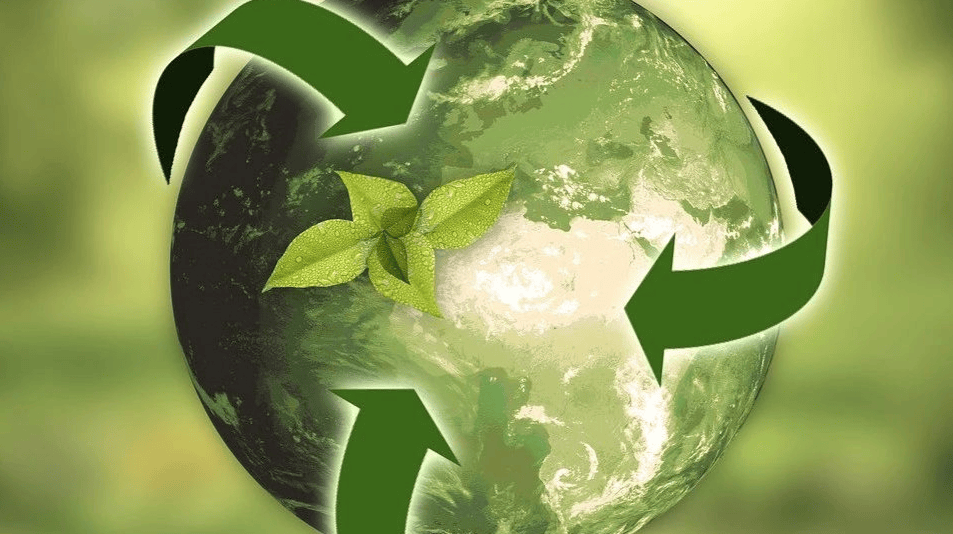
Generational speed is a key factor in predicting product impact. Historically, cases like DES, PFAS, and TBT have led to long-term issues due to the neglect of generational speed. Scientific research indicates that testing on faster systems accelerates learning, as seen with the rapid life cycle of fruit flies. Circular products should assess their generational cycles to quickly gather data and improve design.
Although fast-moving consumer goods are often criticized for waste, their rapid cycle times provide valuable lessons for the circular economy. For example, cosmetics or T-shirts may complete multiple cycles within the time it takes a car to complete one. New York-based circular footwear brand Thousand Fell uses bio-based materials and processes 2 million items annually through reverse logistics company SuperCircle, collecting extensive generational data. Cosmetics company Yan An Tang leverages 280,000 registered users to recycle nearly 750,000 empty bottles, enabling rapid iteration and data capture. These companies learn about product weaknesses, consumer behavior, and recycling pathways from fast generational cycles, continuously optimizing their products.
Businesses can optimize products from a generational perspective by, for example, prioritizing sub-cycles and focusing on high-turnover components like batteries; incentivizing early recovery through buy-back guarantees to reclaim materials before they lose value; mitigating obsolescence, as short-cycle recycling ensures materials remain compatible with current technology; digitizing recycling by using QR codes to turn discarded items into data; and collaborating with consumers, treating them as circular partners to improve recovery rates. By evaluating a product's generational cycle, companies can achieve circular economy goals more quickly.