
| Type of Notice | Tender Announcement |
|---|---|
| Notice Number | 128485634 |
| Description |
Project Name : Dredging Works on the Navigable Network of the Centre-Bourgogne Regional Directorate Type of Purchaser : Public law entity, active in the field of environmental protection Nature of Contract : Open tender for works (European market) Procedure Type : Open tender, non-accelerated procedure CPV Code : 45252124 - Dredging and pumping works Maximum Total Value of Framework Agreement : 7,500,000.00 EUR Agreement Duration : Framework agreement initial term of 1 year, renewable by tacit agreement 3 times, maximum total duration not exceeding 4 years Award Rule : A single tenderer may only bid for one lot and can be awarded a maximum of one lot. Lot Structure : 4 separate lots in total Lot 1 (LOT-0001): UTI Nivernais-Yonne Execution Location : Côte-d'Or Department – Navigable sections of the Canal du Nivernais and the Upper Yonne River Estimated Value (excl. VAT) : 1,201,000.00 EUR Maximum Value of Framework Agreement : 2,000,000.00 EUR Duration : 4 years (1 year + 3 tacit renewals) Contract Form : Framework agreement, single supplier, without reopening competition Hydrogeological Characteristics : This section features a sedimentary valley landscape, with riverbed substrates mainly consisting of fine sand, silt, and organic mud, with local clay interlayers. The Yonne River section is regulated by upstream reservoirs, with significant annual flow variation; the dredging window is concentrated from April to October each year (low water period). The Canal du Nivernais is an artificial, channelized waterway with low flow velocity; sedimentation is primarily due to organic matter settling. The organic content of bottom sediments can reach 15%-20%, requiring attention to odor and ecotoxicity. Navigational Channel Restoration Dredging : Target Water Depth : Restore to a guaranteed navigable depth of 1.8 meters Dredging Width : 22 meters (standard single-lane channel) Dredging Thickness : Average 0.4 meters, locally up to 0.8 meters maximum Total Estimated Dredging Volume : Approximately 45,000 cubic meters (over the 4-year period) Key Shallow Spot Treatment : 12 identified persistent shallow spots, mainly located at canal bends, approach channels upstream and downstream of locks, and around bridge piers. Requires precision positioning dredging (GPS-RTK + echo sounder closed-loop control). Bank Slope Grading and Vegetation Clearance : Perform gentle slope grading for sections with severe bank collapse. Clear reeds, shrubs, and fallen trees encroaching into the navigation channel. Temporary Adjustment and Restoration of Navigation Aids : Temporary relocation of buoys required during dredging operations. Restore original markings according to the VNF Navigation Aids Manual upon completion. Sediment Characteristics : Yonne River Section : Primarily inorganic sandy material, meeting land reclamation standards. Canal du Nivernais Section : High organic content silt, requiring dewatering treatment. Disposal Route : Sandy Sediments : To be transported to VNF designated backfill areas (average 12 km from dredging points). Organic Silt : Priority given to dewatering using geotubes; dewatered sediment moisture content to be reduced below 60% for use in shoreline landscaping and revegetation. Environmental Supervision : Sediment sampling and analysis (heavy metals, PAHs, TBT) required before construction. Suspended solids diffusion control: Use silt curtains or closed grab buckets. Noise and vibration control: No operations after 22:00 in night navigation-restricted sections. Recommended Construction Methods : Canal Section : Small backhoe grab dredger (bucket capacity 0.6-1.0 m³) + mud barge transport. Yonne River Section : Amphibious long-reach excavator (shore-based operation) or small cutter suction dredger. Transport and Support : Mud Barges : 2 units, single hold capacity 40 m³ each. Shore-based Transfer Station : Located at canal chainage 23+500, covering 2000 m², including dewatering area and temporary storage area. Schedule Simulation : Average Annual Working Window : 120 days Daily Production Target : 120 m³/day Annual Achievable Dredging Volume : 12,000 m³, meeting total requirements over the 4-year period. Lot 2 (LOT-0002): UTI Saône-Loire Execution Location : Côte-d'Or Department – Navigable sections of the Upper Saône River and Loire River tributaries Estimated Value (excl. VAT) : 1,352,500.00 EUR Maximum Value of Framework Agreement : 1,500,000.00 EUR Duration : 4 years Hydrogeological Characteristics : The Upper Saône River section has a sandy-gravel riverbed, with substrates mainly consisting of medium-coarse sand and fine gravel, with local pebble interlayers. The Loire River tributary sections are dominated by silt and clayey silt. This section lacks major regulating reservoirs; flow depends entirely on natural precipitation. Water levels drop rapidly during the dry season (June-September), requiring dredging operations to be completed intensively within stable water level windows. Channel Alignment Dredging : Target Water Depth : 1.6 meters (guaranteed depth for tourism) / 2.0 meters (guaranteed depth for freight) Alignment Width : 25 meters Estimated Dredging Volume : 52,000 m³ (over 4 years) Bend Widening and Bank Cutting : Implement concave bank cutting and convex bank protection for 3 bends with a curvature radius less than 150 meters. Cutting Width : 5-8 meters Cutting Volume : Approximately 8,000 m³ Bridge Area Dredging : Around piers of 7 road bridges and 2 railway bridges. Requires low-disturbance suction dredging to avoid bridge foundation scouring. Obsolete Facility Removal : Remove 2 abandoned mooring dolphins and 1 old navigation aid foundation. Sediment Disposal and Resource Recovery : Sandy-Gravel Sediments : Can be directly used for revetment repair and temporary construction platform filling. Silty Sediments : Require dewatering before use for agricultural improvement along the banks (requires soil testing). Disposal Route Optimization : Three VNF active spoil disposal areas are located around this lot, with an average transport distance of 9.5 km, eliminating the need for new temporary land. Construction Methods : Main Channel : Small cutter suction dredger (pumping distance ≤ 500 meters). Bends and Bridge Areas : Amphibious excavator + dump truck for onshore transfer. Bank Cutting Operations : Bulldozer配合配合 long-reach excavator. Traffic Management : Priority passage for freight vessels on the Saône River section; a 4-hour daily navigation closure window for construction sections. Full cross-section closure possible for construction on the Loire River tributary sections. Schedule Planning : Years 1 & 2 : Main channel alignment and bend cutting. Years 3 & 4 : Bridge area dredging and sporadic shallow spot treatment. Average Annual Dredging Volume : 13,000 m³ Lot 3 (LOT-0003): UTI Loire-Seine Valley Execution Location : Cher Department – Canal du Loing and associated waterways in the Loire-Seine Valley Estimated Value (excl. VAT) : 1,806,000.00 EUR Maximum Value of Framework Agreement : 2,000,000.00 EUR Duration : 4 years Ecologically Sensitive Area Designation : This lot is the most hydrologically complex and environmentally constrained among the four. The Canal du Loing is a key waterway connecting two major basins and is also an important component of the European "Natura 2000" ecological protection network. The channel sides host multiple wetlands, fish spawning grounds, and habitats for rare aquatic species. Dredging operations are subject to dual constraints from the "Water Law" and the "Environmental Code". Mandatory Operational Window Restrictions : Outside fishing bans, any riverbed disturbance is prohibited from March 15 to June 30 each year. Dredging operations are only permitted from July 1 to November 30. Transport vehicle traffic is prohibited from Friday 14:00 to Monday 8:00 each week. Suspended Solids Limits : Increment of suspended solids ≤ 50 mg/L at 500 meters downstream. Real-time online monitoring; work stoppage immediately upon exceeding limits. Ecological Waterway Dredging : Target Water Depth : 1.4 meters (ecological tourism navigation standard) Dredging Method : Precision thin-layer dredging (single pass depth ≤ 0.3 meters) Dredging Volume : 68,000 m³ (over 4 years) Wetland Connecting Channel Restoration : Clear 3 silted-up wetland water supply lateral channels. Total length 2.3 km, dredging volume 12,000 m³. Artificial Reef Deployment : Deploy 120 sets of ecological concrete fish reefs along channel edges after dredging. Provide shelter and spawning substrate for local fish species. Invasive Plant Control : Remove invasive alien species such as Canadian waterweed (Elodea canadensis) and water shield (Brasenia schreberi) from the channel. Use underwater weed-cutting boats + root-suction pumps for physical removal; chemical agents prohibited. Sediment Characteristics : High organic content (18%-25%), black color, slight odor. Heavy metal tests within limits, but nutrient levels (total nitrogen, total phosphorus) are elevated. Treatment Process : Direct land dumping prohibited. Full volume to undergo geotube dewatering + stabilization treatment. Dewatered sediment mixed with lime and straw, matured for 6 months, then used as surface cover for wetland restoration areas. Transport Supervision : Each truckload of sediment requires electronic manifest tracking; final receiving site must have environmental permits. Recommended Equipment : Environmentally Sealed Grab Bucket : Leak-proof, reduces water turbidity. Underwater Root Suction Machine : Specifically for aquatic plant removal. Mobile Dewatering Station : Located at abandoned wharf at canal chainage 67+200. Environmental Monitoring : Automatic Water Quality Monitoring Buoys : One set each upstream and downstream, transmitting real-time turbidity, pH, dissolved oxygen data. Underwater Sonar Imaging : Weekly imaging of riverbed recovery status. Ecological Supervision : Independent third-party supervision on-site throughout the project. Lot 4 (LOT-0004): UTI Bourgogne Execution Location : Côte-d'Or Department – Core section and branches of the Canal de Bourgogne Estimated Value (excl. VAT) : 1,503,500.00 EUR Maximum Value of Framework Agreement : 2,000,000.00 EUR Duration : 4 years Historical and Cultural Value Designation : The Canal de Bourgogne is the most historically and culturally significant waterway under the VNF Centre-Bourgogne Regional Directorate. Built in the 18th century, it features 78 locks, numerous historical bridges, and ancient quays along its route. This section currently focuses on high-end yacht tourism, with over 12,000 yacht passages annually. The dredging project must protect hydraulic heritage to the greatest extent while ensuring navigability. Stone Quay Protection : Full-length quays are rubble masonry structures; some sections show foundation undermining. Dredging vessels prohibited from berthing against quays. Within 2 meters of the quay root, only suction dredging allowed; mechanical grabs prohibited. Archaeological Supervision : Pre-construction geophysical survey of the riverbed by the French National Institute for Preventive Archaeological Research (INRAP). If suspected shipwrecks or ancient wharf remains are discovered, work stops immediately and archaeological excavation procedures are initiated. Channel Centerline Dredging : Target Water Depth : 1.8 meters Dredging Width : 18 meters (avoiding side quays) Dredging Volume : 55,000 m³ (over 4 years) Lock Approach Channel Dredging : 14 lock upper and lower approach channels. Focus on removing scour hole sedimentation and silt accumulation in front of lock gate sills. Work must be coordinated with lock closure maintenance windows. Ancient Quay Foundation Reinforcement : Implement riprap toe protection for 6 quay sections where foundations are exposed. Stone Grading : 80-150mm bluestone, harmonizing with the original landscape. Tourist Wharf Berth Area Dredging : 4 tourist wharf berthing areas. Night work, berthing restored by 8:00 the next day. Sediment Characteristics : Primarily silt and clayey silt, low organic content (8%-12%). No heavy metal pollution, classified as clean dredged material. Disposal Route : Priority use for reclamation of low-lying land along the canal. Three permanent spoil disposal areas have obtained landowner consent. Average Transport Distance : 14 km Resource Recovery Pilot : Proposal to mix 5,000 m³ of sediment with industrial by-product gypsum to trial produce ecological blocks for quay repair. Equipment Selection : Small Flat-bottom Grab Dredger : Shallow draft, suitable for canal sections. Suction Dredger : For areas adjacent to quays. Long-reach Excavator : For lock approach channels. Navigation Guarantee : The Canal de Bourgogne is a continuously navigable waterway; full-width closure is prohibited. Construction sections use one-way passage + traffic boat指挥. Two-way passage restored daily after 17:00. Schedule Arrangement : Year 1 : Full-section geophysical survey and archaeological普查. Years 2 & 3 : Main channel dredging and quay reinforcement. Year 4 : Wharf dredging and ecological block pilot. Landscape and Cultural Synergy : Landscape Restoration : Temporary soil stockpile areas to be simultaneously sown with local grass seeds; quay reinforcement stones to receive aging treatment. Cultural Interpretation : Construction hoardings to feature historical photos of the canal; information panels about the dredging project to be installed upon completion. Future Similar Service Options : The purchaser reserves the right to award new framework agreements for similar services to the current successful tenderer without reopening competition, based on the existing contract (in accordance with Articles L. 2122-1 and R. 2122-7 of the Public Procurement Code). Tender Rules : Tender Submission Deadline : March 12, 2026, 17:00 (Central European Time) Submission Method : Mandatory full electronic submission via https://www.marches-publics.gouv.fr Language Requirement : Tender and all related documents must be in French. Variant Bids : Not allowed Electronic Catalogues : Not allowed Tender Validity Period : 180 days (from the tender submission deadline) Electronic Invoicing : Mandatory SME Policy : Explicitly suitable for participation by small and medium-sized enterprises. International Agreements : Not governed by the WTO Agreement on Government Procurement. |
| Documents |  Attachment.pdf (113.33 K) Attachment.pdf (113.33 K) |
Expired Tender for Dredging Works on the Navigable Network of Voies Navigables de France - Centre-Bourgogne Regional Directorate
| Organization | Voies Navigables de France - DTCB | Country | France |
|---|---|---|---|
| Contact | pcp.dt.centrebourgogne@vnf.fr | Tel. | View more |
| View more | Address | 1 chemin Jacques-de-Baerze,21000 Dijon,France | |
| Release Date | 2026-02-26 | Validity | 2026-03-12 |
Details
The tender information on this website is provided for reference only. If you intend to bid, please verify the authenticity and accuracy of the information with the tendering party. Our company reserves the right to adjust website content at any time and assumes no direct or indirect liability for it.Email: news@wedoany.com
Related Tenders
Related Products
Hotel Elevator
Negotiable
China World Trade Center Project
Negotiable
ERW Welded Pipe (Black Pipe and Hot-dip Galvanized Steel Pipe)
Negotiable
Steel Structure
Negotiable /ton
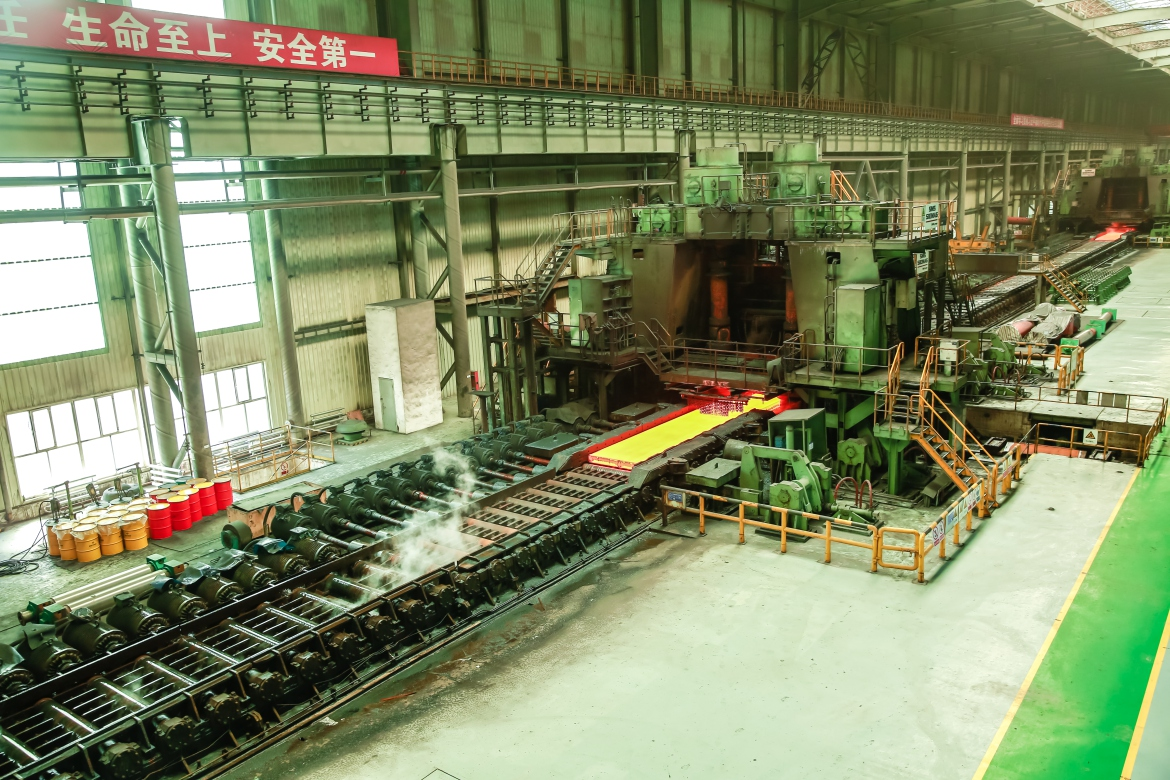
Hot-rolled Products
Negotiable
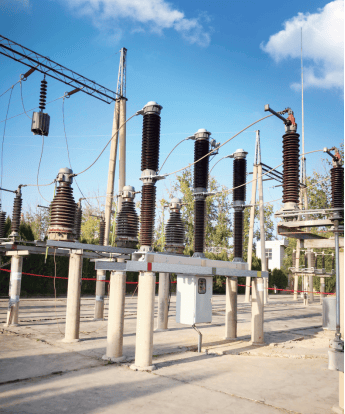
145kV Porcelain Column Type Sulfur Hexafluoride Circuit Breaker
Negotiable
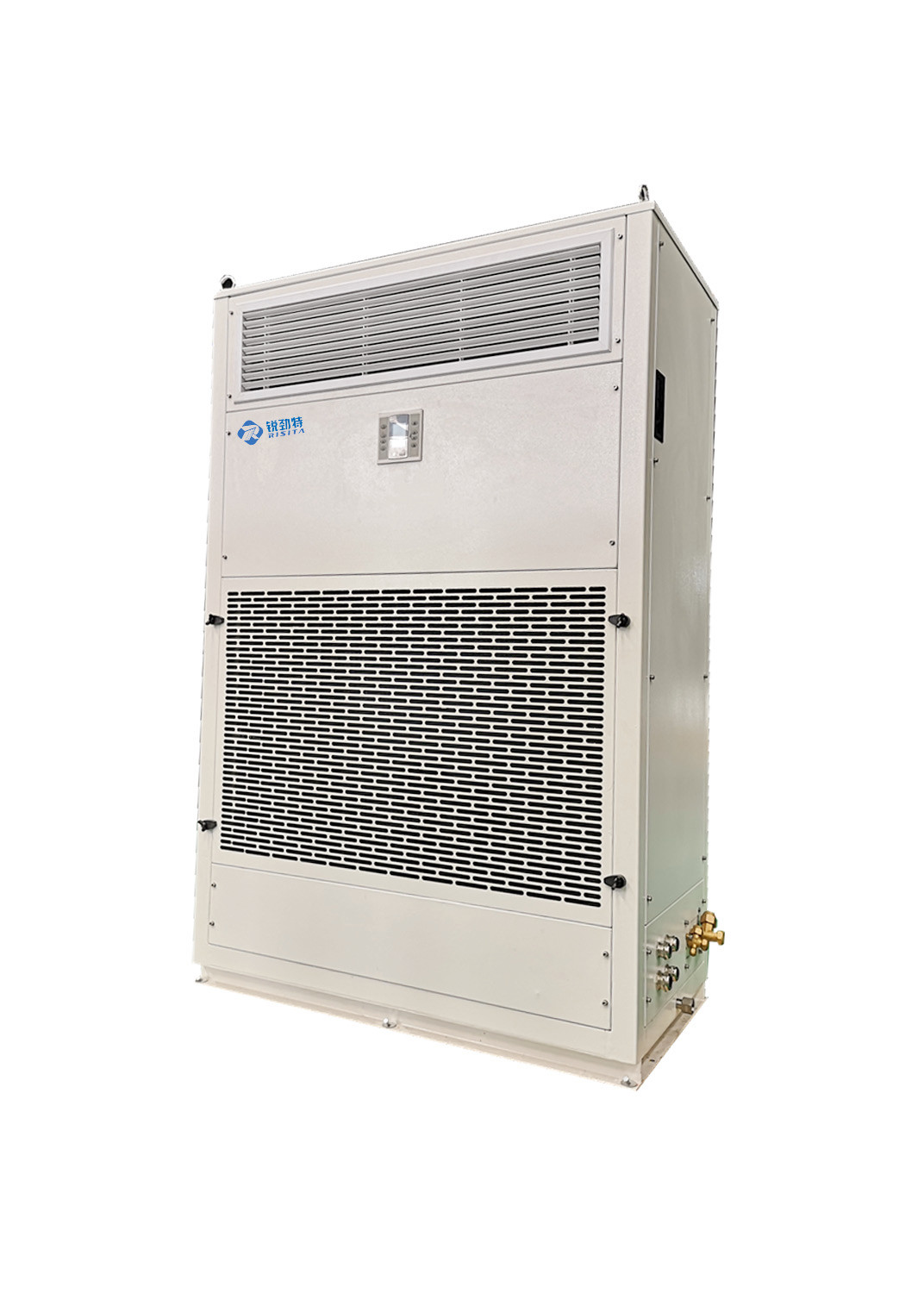
RISITA explosion-proof air conditioning
Negotiable
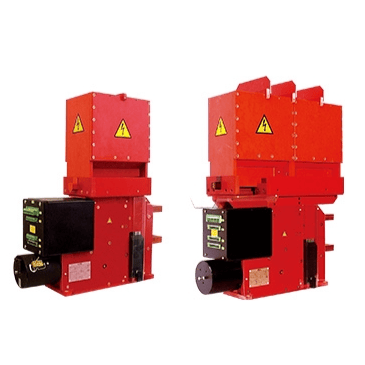
Gerapid DC Circuit Breaker
Negotiable
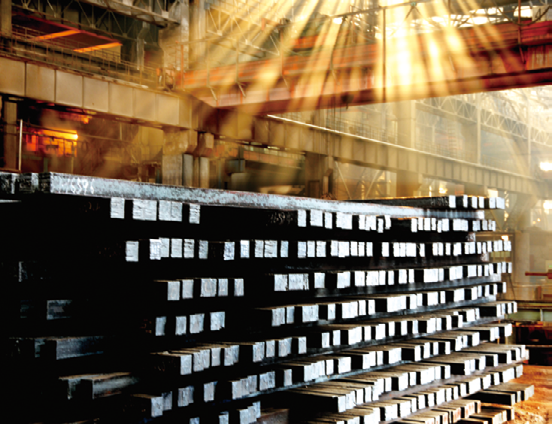
Steel billet
Negotiable
Section Steel
Negotiable
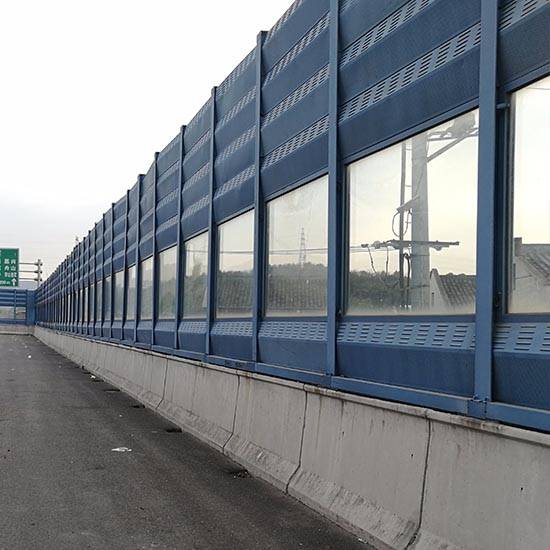
Metal sound barriers that can reduce the transmission of road noise
Negotiable /Square meters
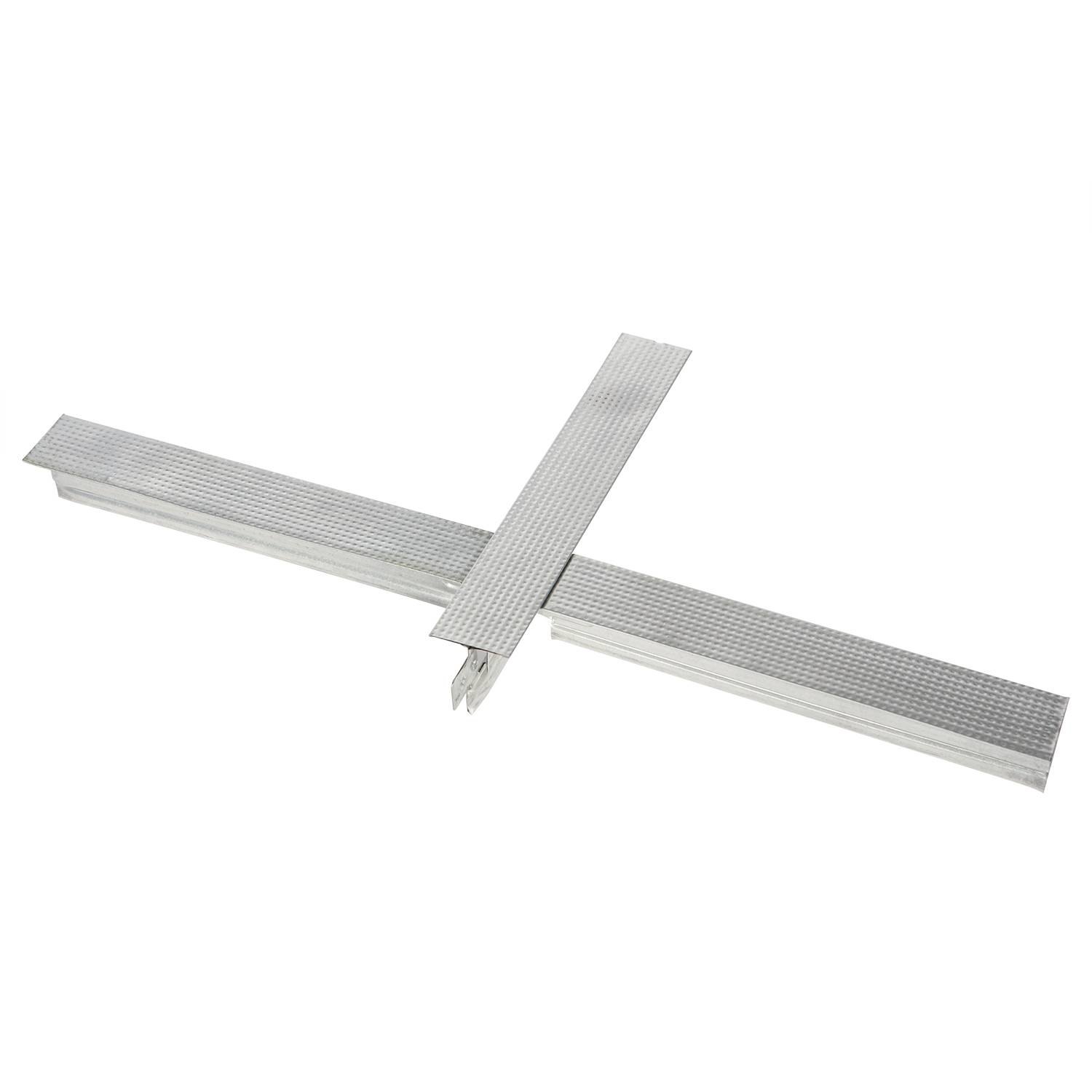
T-Shaped Painted Keel
Negotiable