
| Notice Type | Tender Announcement |
|---|---|
| Notice Number | 130421498 |
| Description |
Tender Title: Drinking Water Network Works for the Year 2026 (Pipeline Renewal, Service Connection Renovation, and Network Extension) Subject of Contract: This tender is divided into two lots. Mainly includes: 1) Renewal of drinking water mains; 2) Renovation of service connections and water meter relocation/replacement (including public and private areas); 3) Network extension works in rural areas (Lot 2 only). Lot Division: Lot 1: City of Auxerre and Town of Vaulx (urban and peri-urban areas) – Drinking Water Pipeline Renewal and Service Connection Renovation Scope of Works and Geographical Location Main Works Content Drinking Water Main Renewal: Using trenchless rehabilitation techniques (e.g., lining, pipe bursting) or traditional open-cut methods to replace old pipelines (materials may include cast iron, asbestos cement, or early PVC) on designated road sections. The materials for renewed pipes must comply with French NF and European EN standards, such as using PE100 high-density polyethylene pipes or ductile iron pipes, to ensure long service life and leak resistance. Pipe diameters will be determined based on existing supply capacity and future demand. Construction must strictly adhere to the technical requirements for outdoor pipeline installation per the NF EN 806 series of standards. Service Connection Renovation: Comprehensive replacement of the connection pipes from the main to the user's water meter. This includes excavation in public areas (sidewalks, green belts), laying of connection pipes, and pipe connection within private property boundaries (typically to the building's external wall or a designated internal location). The works involve coordination with residents, ensuring basic water supply during construction or establishing temporary supply schemes. Water Meter Relocation and Replacement: Systematic repositioning (e.g., from indoors to newly built meter pits in outdoor public areas) and technical upgrading of existing water meters. Work includes: constructing or modifying meter pits in public areas, installing new meters meeting metrological accuracy requirements (potentially including remote reading modules), connecting upstream and downstream pipes, and removing old meters and sealing or modifying internal household piping. Technical Requirements and Construction Challenges Complex Underground Environment: Dense underground pipelines in urban areas necessitate precise geophysical surveys and trial pits before construction to locate existing utilities and avoid damage. This imposes high demands on the application of non-destructive detection technologies like ground-penetrating radar. Impact on Traffic and Public Life: Detailed traffic management plans are required, with work preferably scheduled during nighttime or off-peak hours to minimize impact on city traffic. Simultaneously, proper handling of construction noise, dust, and ensuring safety for pedestrians and adjacent businesses is necessary. Connection Precision and Contamination Prevention: Service connection renovation involves tapping into existing pipelines, requiring guaranteed sealing and installation precision of fittings to prevent new leaks. Moreover, the entire construction process must strictly comply with drinking water hygiene and safety regulations to prevent any contaminants from entering the network. Integration of Old and New Networks: During pipeline renewal, careful planning of phased construction and temporary water supply schemes is needed to ensure a smooth transition for users in the supply area when switching between old and new networks, avoiding widespread and prolonged water outages. Lot 2: Towns of Gurgy-le-Château, Monéteau, and Venoy (peri-urban and rural areas) – Drinking Water Pipeline Renewal, Service Connection Renovation, and Rural Network Extension Scope of Works and Geographical Location In addition to tasks similar to Lot 1 (pipeline renewal and service connection renovation), the core difference and additional task for this lot is the extension of the network in rural areas, aiming to extend public water supply service to currently unserved areas (which may include new residential zones, scattered farms, or economic development zones). Main Works Content Drinking Water Pipeline Renewal: Renewal of aging water supply pipes existing in these towns and villages. Compared to urban areas, rural pipe burial depths and route selection may be more diverse, potentially following country roads, crossing farmland, or small natural obstacles. Construction must consider agricultural machinery access needs and properly manage relations with landowners. Service Connection Renovation: Standardized renovation of service connections for existing users to improve supply reliability and metering accuracy. Users in rural areas are dispersed; the workload per household may be small, but cumulative transportation and coordination costs are high, requiring efficient construction organization plans. Rural Network Extension: Network Planning and Design: Based on town development plans and water demand in unserved areas, conduct route surveying, hydraulic calculations, and pipe sizing design for the new network. Detailed construction drawings must be produced, determining main pipe routes, branch points, valve, hydrant, and end-flushing outlet locations. Main Pipe Laying: Excavation of trenches, pipe laying (recommended use of PE pipes to adapt to terrain changes and reduce joints), backfilling, and compaction along selected routes (typically along public road shoulders or easement corridors). Burial depth must meet local frost depth and surface load requirements. Connection Lines and Stub-outs: Provision of service connection stub-outs for each household or plot within the new area, laid up to the property boundary. For planned future development areas, sufficient stub-outs and pipe diameter margins must be reserved. Integration with Existing Network: Scientifically connecting the new rural network with the renewed existing main network to ensure hydraulic balance and water quality stability of the entire supply system. Integration points may require additional valves, flow meters, and pressure monitoring equipment. Technical Requirements and Construction Challenges Systematic Nature of Rural Network Extension: Extension is not merely a simple lengthening of pipes but a systematic project involving planning, design, construction, and commissioning. Tenderers need to possess certain network planning and design capabilities or collaborate closely with specialized design institutes to ensure reasonable hydraulic parameters for the new network and meet long-term demand. Adaptation to Topography and Geology: Rural areas have varied topography, potentially encountering complex geological conditions like rock foundations, high groundwater tables, or soft soil. Pipe laying methods (e.g., directional drilling to cross small obstacles, deep excavation through unstable soil) must be adapted to local conditions, with targeted measures proposed in the tender proposal. Coordination and Land Acquisition/Easement Issues: Network extension inevitably traverses lands of different ownership (e.g., private farmland, woodland). Assistance is needed for the contracting authority to communicate with relevant landowners, obtaining necessary construction permits or easement agreements. Post-construction, site restoration and vegetation must be carried out as required. Long-Distance Construction Organization: Pipelines may be long and dispersed, imposing higher demands on logistics such as material storage, equipment deployment, construction water/power supply, and worker accommodation. Reasonable division of construction sections is required to ensure project progress. End-Point Water Quality Assurance: Before commissioning, the new network must undergo thorough flushing, disinfection, and strict water quality testing to ensure compliance with drinking water quality requirements per the Public Health Code. At network extremities, where water consumption may be low, specific measures against stagnation and regular flushing must be designed to prevent water quality deterioration. Tendering Rules: Electronic catalog bidding is permitted; alternative offers are not allowed; the contracting authority reserves the right to award the contract directly without negotiation. |
| Documents |  Attachment.pdf (94.59 K) Attachment.pdf (94.59 K) |
Expired Tender Announcement for Drinking Water Network Works in the Agglomeration Community of Auxerre, France
Favorite
| Organization | Communauté d'Agglomération de l'Auxerrois | Country | France |
|---|---|---|---|
| Contact | Commande publique | Tel. | View more |
| View more | Address | 89 - CA DE L'AUXERROIS auxerre ,France | |
| Release Date | 2026-03-06 | Validity | 2026-04-03 |
Details
The tender information on this website is provided for reference only. If you intend to bid, please verify the authenticity and accuracy of the information with the tendering party. Our company reserves the right to adjust website content at any time and assumes no direct or indirect liability for it.Email: news@wedoany.com
Related Tenders
Related Products
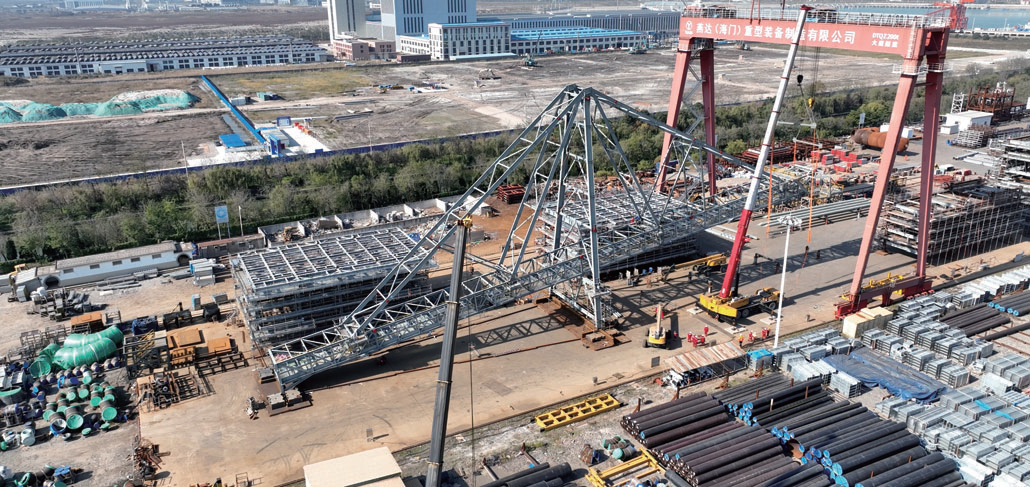
Steel Structures
Negotiable
Ultra-Pure Ferrite Stainless Steel Products
Negotiable
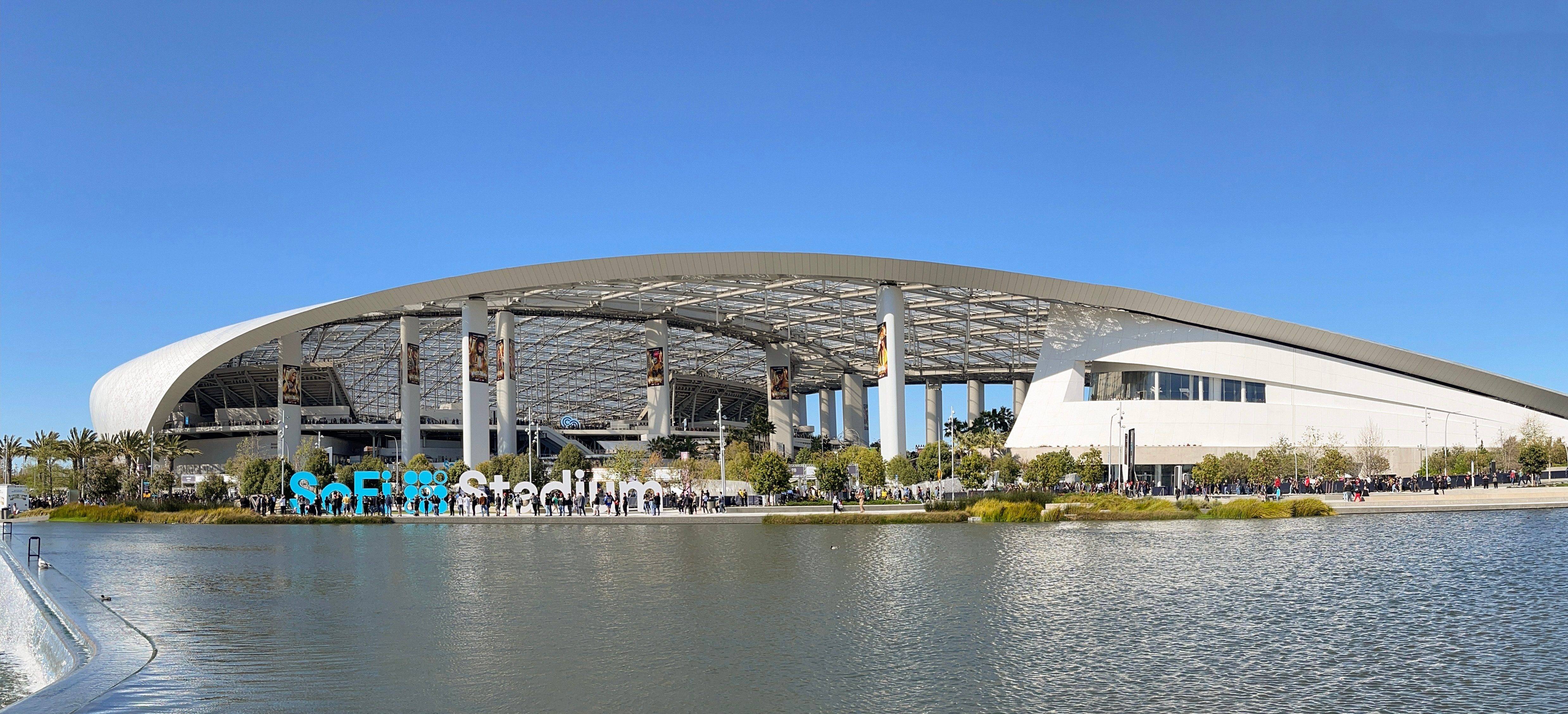
Steel Structure
Negotiable /ton
CNC Fiber Laser Cutting Machine
Negotiable
Section Steel
Negotiable
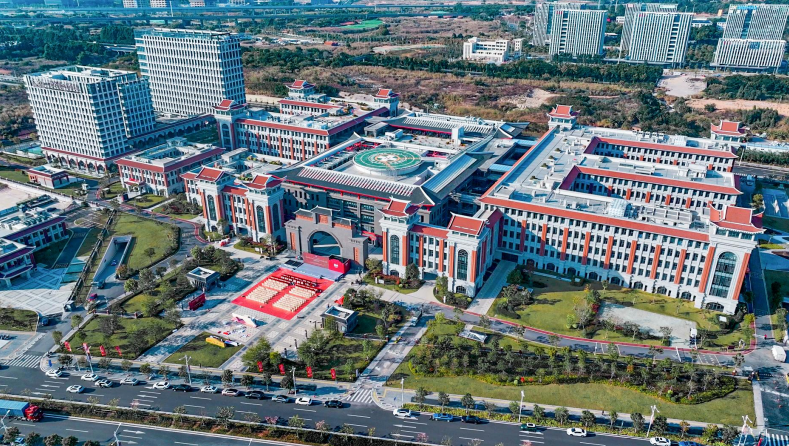
West China Xiamen Hospital of Sichuan University
Negotiable
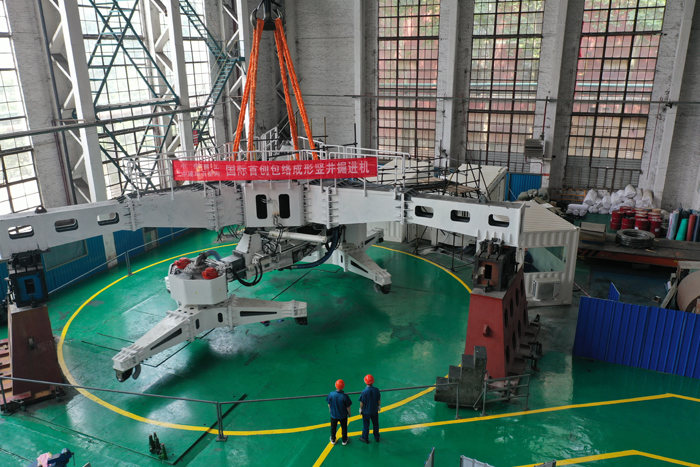
CITIC Heavy Industries Tunneling Equipment Tunnel Engineering Shield Machine
Negotiable
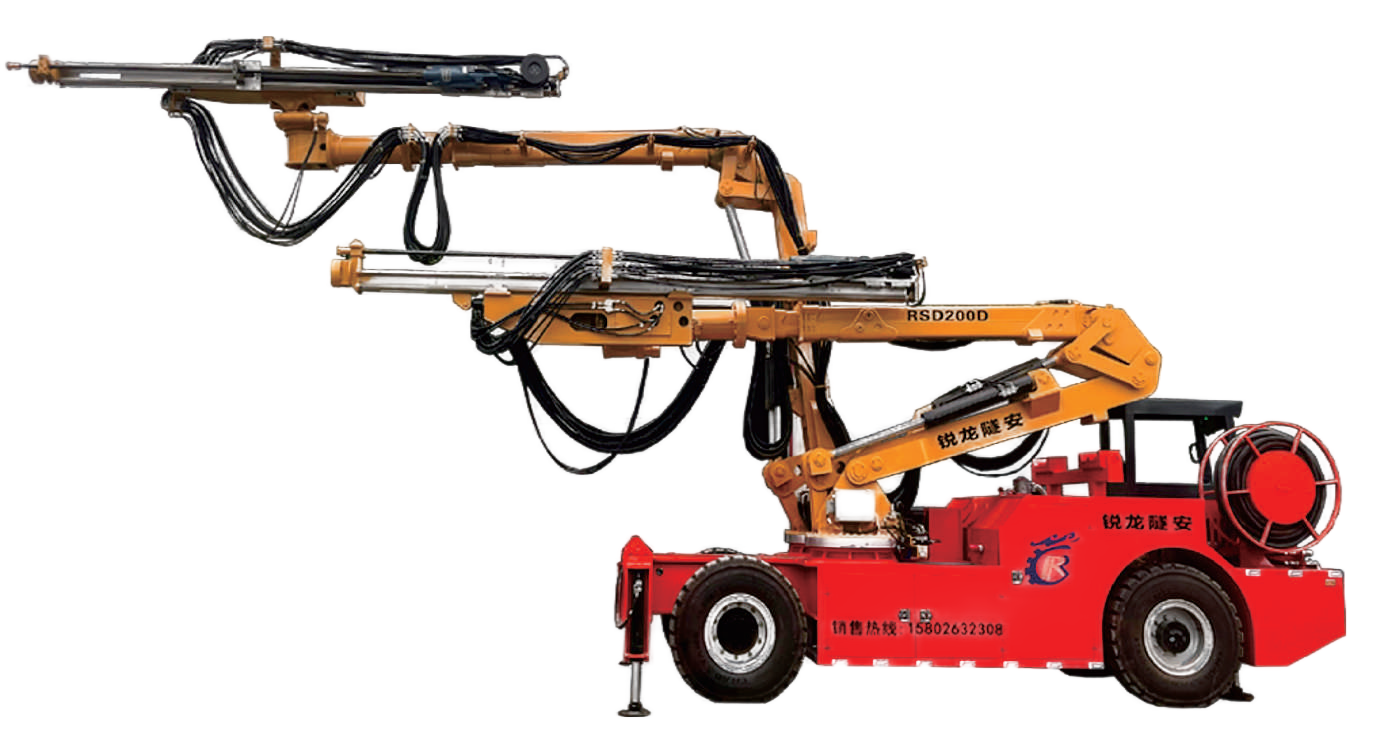
Dual-curved Arm Rock Drilling Trolley RSD200D
Negotiable
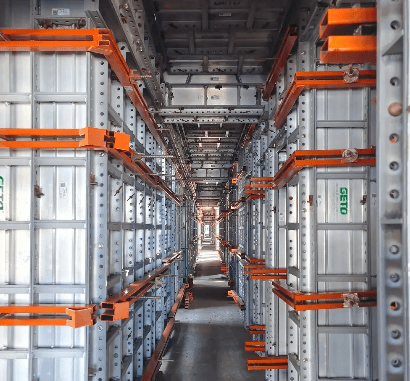
Aluminum Formwork System
Negotiable
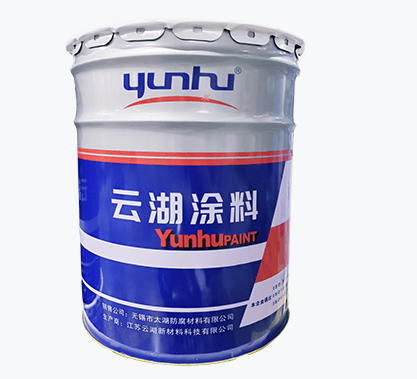
YHTank8400N Solvent-Free Liquid Epoxy Coating
Negotiable
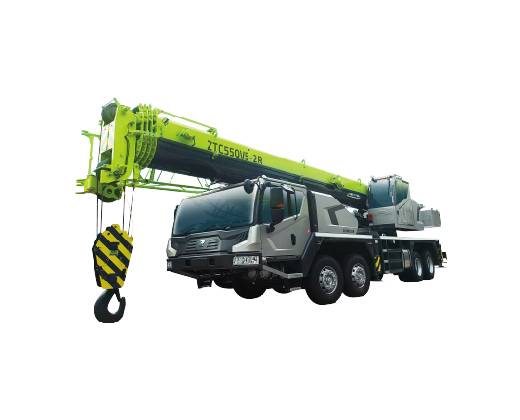
Crane
Negotiable
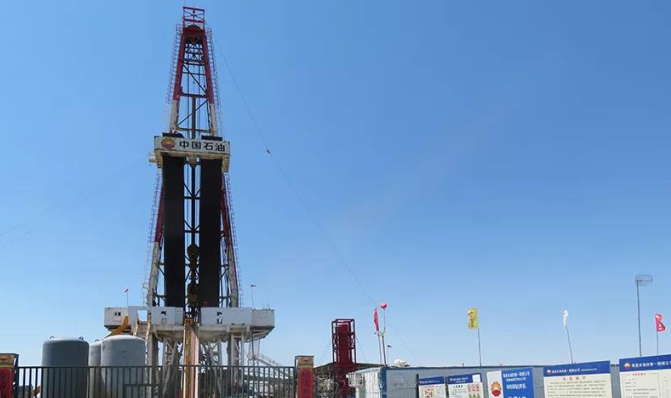
API Series Casing
Negotiable