
| Notice Type | Tender Announcement |
|---|---|
| Notice Number | 130027754 |
| Description |
Project Name: Greenway Improvement and Pedestrian Bridge Construction Project - RD29 Le Palais-sur-Vienne (87) - 2 Lots in total Tender Type: Open Tender for Works (Adapted Procedure) Project Number: 2026-M030 Project Location: Le Palais-sur-Vienne, Haute-Vienne Department (87), France Project Duration: 6 months Project Overview: This project comprises two independent lots, with the main works involving greenway improvement and the construction of a pedestrian bridge. Lot Division: Lot 1: Greenway Improvement Project – Creating a Linear Space Integrating Ecology and Leisure In France, a greenway is defined as "a route dedicated to pedestrians and non-motorized vehicles (bicycles, rollerblades, etc.), located in an area free from motorized traffic interference." The greenway improvement in this project will adhere to this core concept, with specific implementation details as follows: Planning and Design Principles Alignment and Profile Design: Utilizing the existing right-of-way or adjacent land of the RD29 road, design horizontal and vertical alignments that meet non-motorized vehicle standards. The maximum gradient is typically controlled within 5% to ensure cycling comfort, with a cross slope designed around 2% for drainage. Turning radii must meet the safety requirements for bicycles and other vehicles. Accessibility and Inclusive Design: Strictly implement barrier-free design standards to ensure no steps or level differences on the pavement. Gentle slopes will be constructed at connections with existing roads, farm tracks, and fields to facilitate access for strollers, wheelchairs, and agricultural vehicles. Referencing similar principles as mentioned in the original press release regarding 289 access points, this project will also establish safe pedestrian crossings or level crossings when traversing villages or agricultural areas. Pavement Structure and Material Technology Subgrade Treatment and Durability: Addressing the climate and geological conditions of central France, subgrade treatment is crucial. Topsoil will be stripped and replaced or compacted with well-graded gravel (GNT) as the sub-base, typically 20-30 cm thick, to provide sufficient bearing capacity and prevent uneven settlement. Surface Course Selection and Environmental Friendliness: Ecological Permeable Pavement: To fulfill the tender evaluation criterion of 25% weight for environmental protection performance, the surface course is likely to use permeable concrete or stabilized crushed stone. This material allows rainwater to quickly infiltrate into the ground, replenishing groundwater and reducing surface runoff, aligning with modern sponge city concepts. Colored Resin-Bonded Gravel: In viewing platforms or rest areas, this aesthetically pleasing and durable material may be used, with different colors to distinguish functional zones. Surface Texture: The surface course must have a certain roughness to prevent slipping, but not be so rough as to affect cycling comfort. Ancillary Facilities and Landscape Integration Miniature Footpaths and Rest Areas: As mentioned in the tender documents, miniature footpaths equipped with rest areas will be constructed. These facilities will integrate with the local landscape, using natural materials like wood and stone. A comprehensive service node, equipped with benches, bicycle racks, information boards, and drinking fountains, will be set up approximately every 5 kilometers. Vegetation Restoration and Ecological Enhancement: This is another important aspect of "Environmental Protection Performance." Upon completion of construction, large-scale afforestation and vegetation restoration will be carried out immediately. Native tree species and herbaceous plants will be selected to create biological corridors, attracting insects and birds, thus making the greenway itself an ecological corridor. Simultaneously, plants will be used for slope protection to prevent soil erosion. Lot 2: Pedestrian Bridge Construction Project – A Landmark Combining Scenery and Functionality Spanning Natural Barriers The technical requirements for pedestrian bridge construction are far higher than for ordinary roads. As a structure spanning the RD29 road or natural obstacles, it is a controlling element of the project. According to relevant French technical guidelines (e.g., SETRA's "Guide for Load Testing of Pedestrian Bridges"), the implementation details are as follows: Bridge Type Selection and Aesthetic Design Structural System Selection: For bridges with moderate spans (the Dongxi Extra-large Bridge mentioned in the original news is an exception; here it generally refers to medium spans), options include: Steel Truss Bridge: Lightweight structure, can be prefabricated in factories and assembled on-site, short construction period, and possesses a strong industrial aesthetic. Prestressed Concrete Girder Bridge: Relatively economical cost, simple lines, and low maintenance workload. Arch Bridge: If geographical conditions permit, constructing an arch bridge can greatly enhance the landscape value, forming a harmonious composition with the natural mountains and rivers. Geometric Design and Safety: Deck Width: Based on estimated pedestrian and cycling traffic, the clear width is typically designed to be 3 to 5 meters, ensuring pedestrians and cyclists can safely pass side-by-side or overtake. Protective Facilities: Sturdy guardrails must be installed on both sides of the deck, typically at a height not less than 1.4 meters, to prevent falls. The guardrail design must consider the risk of children climbing. Clearance Requirements: When spanning the RD29 road, sufficient vertical clearance must be maintained under the bridge to ensure unobstructed traffic flow below, complying with road height restrictions. Structural Calculation and Key Technologies Load Standards: Design must strictly follow European codes or French national standards. In addition to crowd loads (typically taken as 5kN/m²), the following must also be considered: Maintenance Vehicle Loads: Although primarily for pedestrians and cyclists, the bridge must be able to withstand loads from small maintenance vehicles like watering trucks and sweepers. Accidental Loads: Such as wind forces, seismic forces, and the risk of vehicle impact on piers. Dynamic Performance Analysis: Pedestrian bridges are extremely sensitive to vibration. Modal analysis must be performed to ensure the bridge's natural frequencies avoid the human walking frequency range (approximately 1.6-2.4Hz), preventing resonance that could cause pedestrian panic. Durability and Materials: Steel Structure: Use weathering steel or apply strict anti-corrosion coating treatment (including primer, intermediate coat, and topcoat) to withstand the humid air of the Vienne River area. Concrete Structure: Use high-performance concrete and ensure adequate cover thickness to prevent chloride ion corrosion of reinforcement. Connection Joints: All bolted connections and welded joints are focal points for inspection and design, and must meet fatigue strength requirements. Construction Organization and Technical Difficulties Foundation Construction: The bridge pier and abutment foundations are critical. Based on the geotechnical investigation report, spread footings or bored piles may be used. Attention must be paid to cofferdams and dewatering during construction, especially near water bodies. Superstructure Installation: Integral Lifting Method: If the bridge scale is not large, the main structure can be welded as a whole in the factory, transported to the site, and lifted into position at once using a large crane. This method causes minimal traffic disruption and is highly safe. Incremental Launching or Swivel Construction: If spanning a busy RD29 road, to minimize impact on traffic below, the incremental launching method might be used, where the girder is assembled segment by segment on the roadside and then jacked into position. Deck System and Ancillary Works: Wearing Course: The bridge deck pavement must have good waterproofing performance and bond strength with the deck slab. Drainage System: Design a concealed deck drainage system to channel rainwater to drainage facilities below the bridge, avoiding direct runoff that could erode the bridge structure or affect traffic below. Lighting System: Install low-pole or handrail-embedded lighting fixtures to meet nighttime lighting needs while avoiding light pollution, creating a warm and comfortable nighttime passage environment. Grounding and Lightning Protection: A complete grounding system is essential to ensure bridge safety during thunderstorms. |
| Documents |  Attachment.pdf (95.25 K) Attachment.pdf (95.25 K) |
Expired Tender Announcement for Greenway Improvement and Pedestrian Bridge Construction Project in the Communauté d'agglomération du Limousin Métropole
| Organization | Limoges Métropole | Country | France |
|---|---|---|---|
| Contact | Services des achats et des marchés publics | Tel. | View more |
| View more | Address | 87 - LE PALAIS SUR VIENNE limoges cedex | |
| Release Date | 2026-03-07 | Validity | 2026-04-08 |
Details
The tender information on this website is provided for reference only. If you intend to bid, please verify the authenticity and accuracy of the information with the tendering party. Our company reserves the right to adjust website content at any time and assumes no direct or indirect liability for it.Email: news@wedoany.com
Related Tenders
Related Products
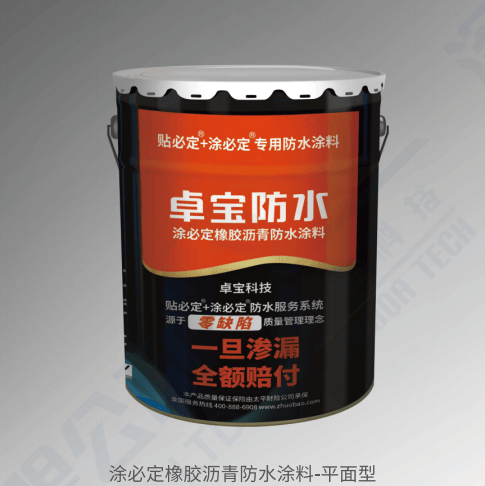
"Tiebiding + Tubiding" Waterproofing Service System
Negotiable
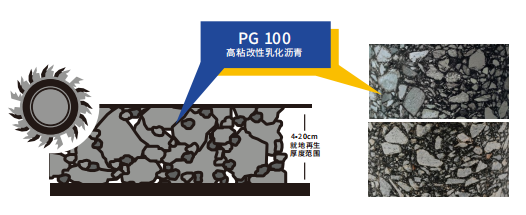
High-toughness in-Situ Cold Recycling Technology for Original Structural Layers
Negotiable /m²
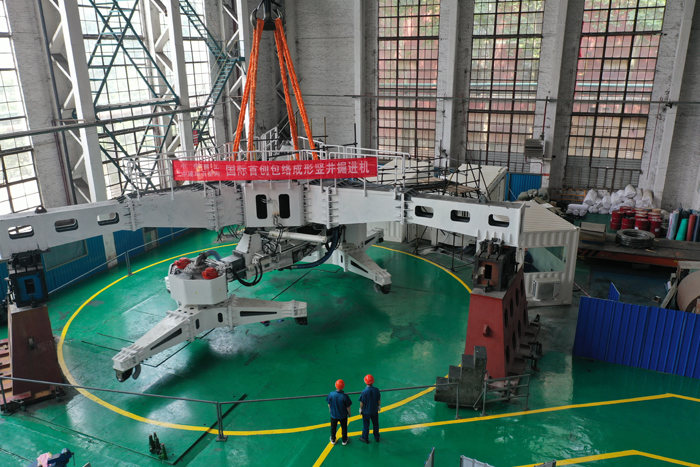
CITIC Heavy Industries Tunneling Equipment Tunnel Engineering Shield Machine
Negotiable
Hotel Elevator
Negotiable
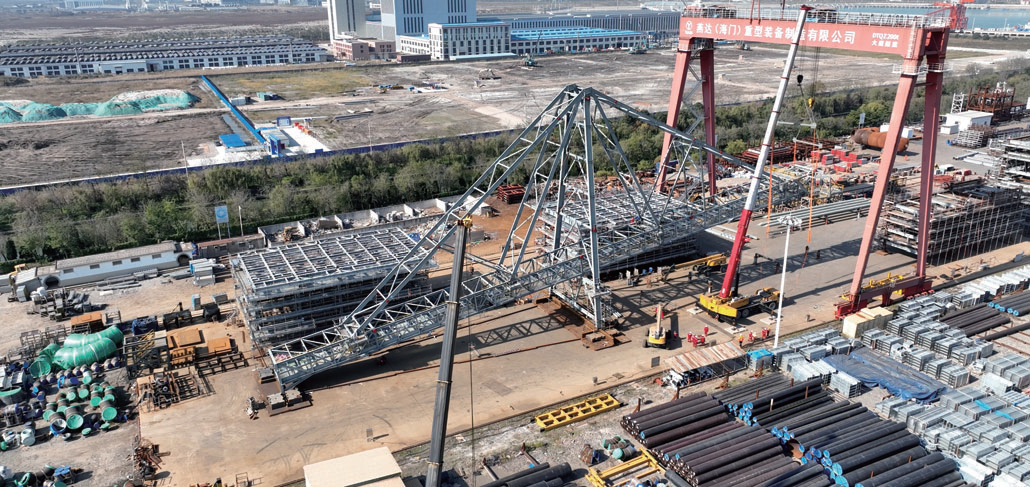
Steel Structures
Negotiable
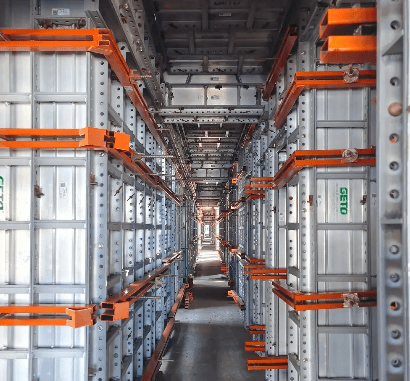
Aluminum Formwork System
Negotiable
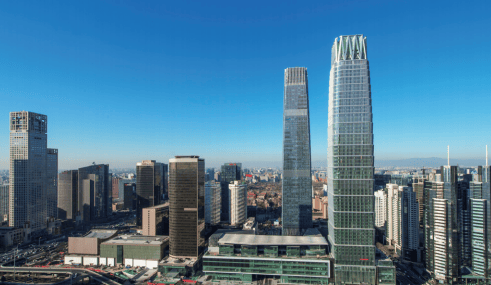
China World Trade Center Project
Negotiable
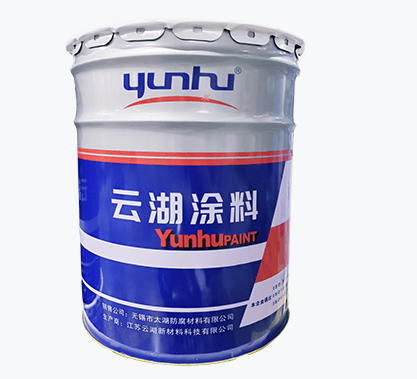
YHTank8400N Solvent-Free Liquid Epoxy Coating
Negotiable
Profiled Steel Composite Floor Deck
Negotiable /m²
Crane
Negotiable
CNC Fiber Laser Cutting Machine
Negotiable

Wide and Heavy Plate
Negotiable