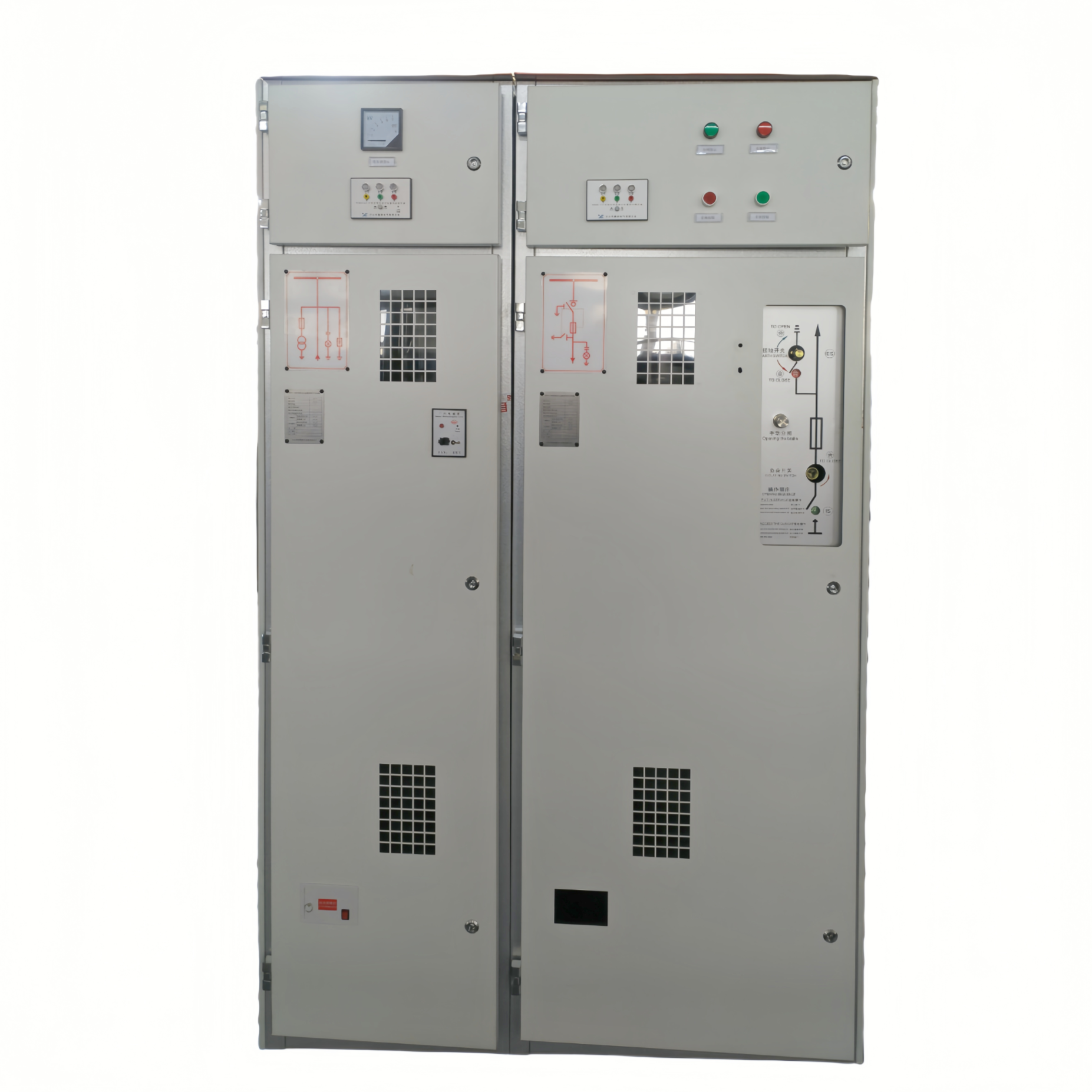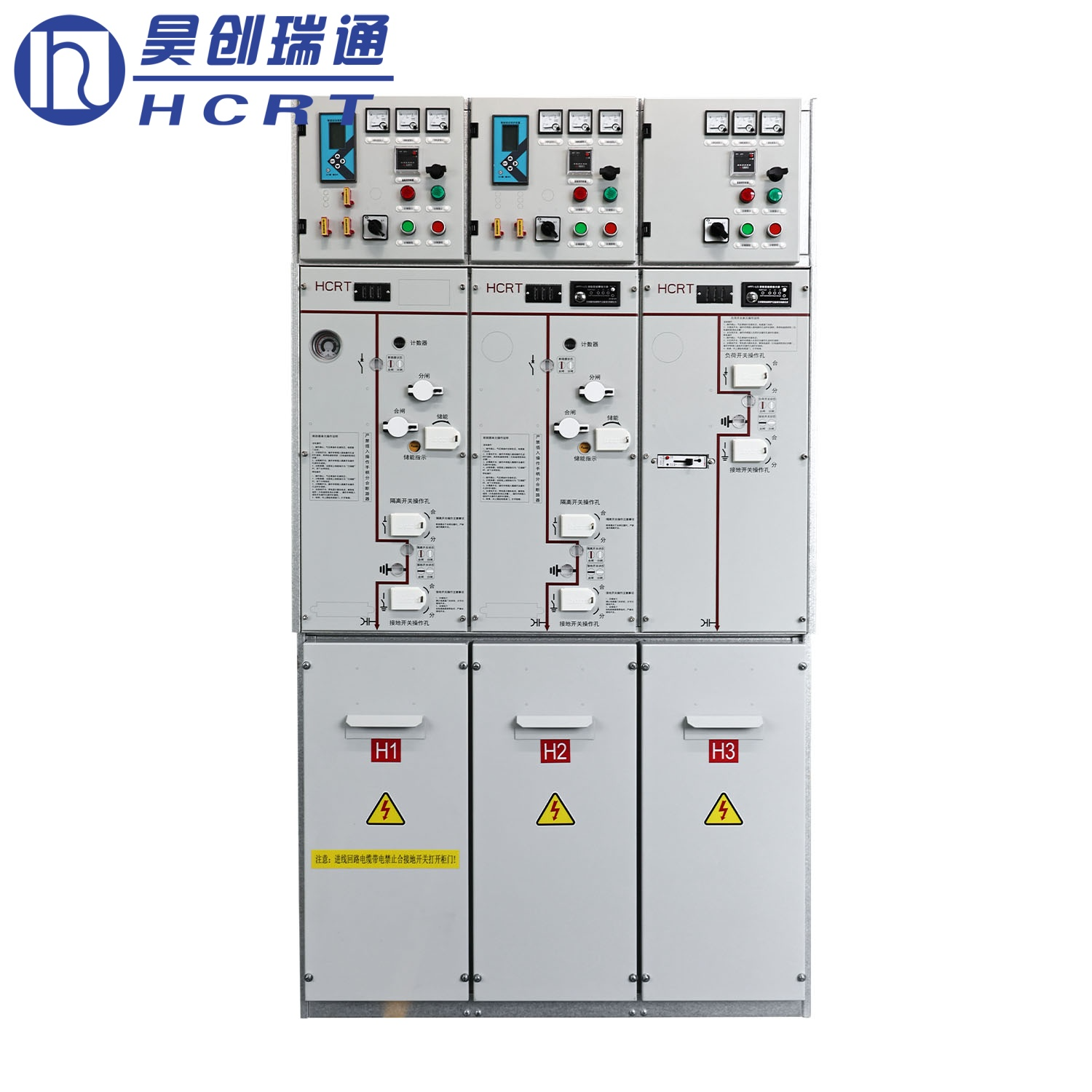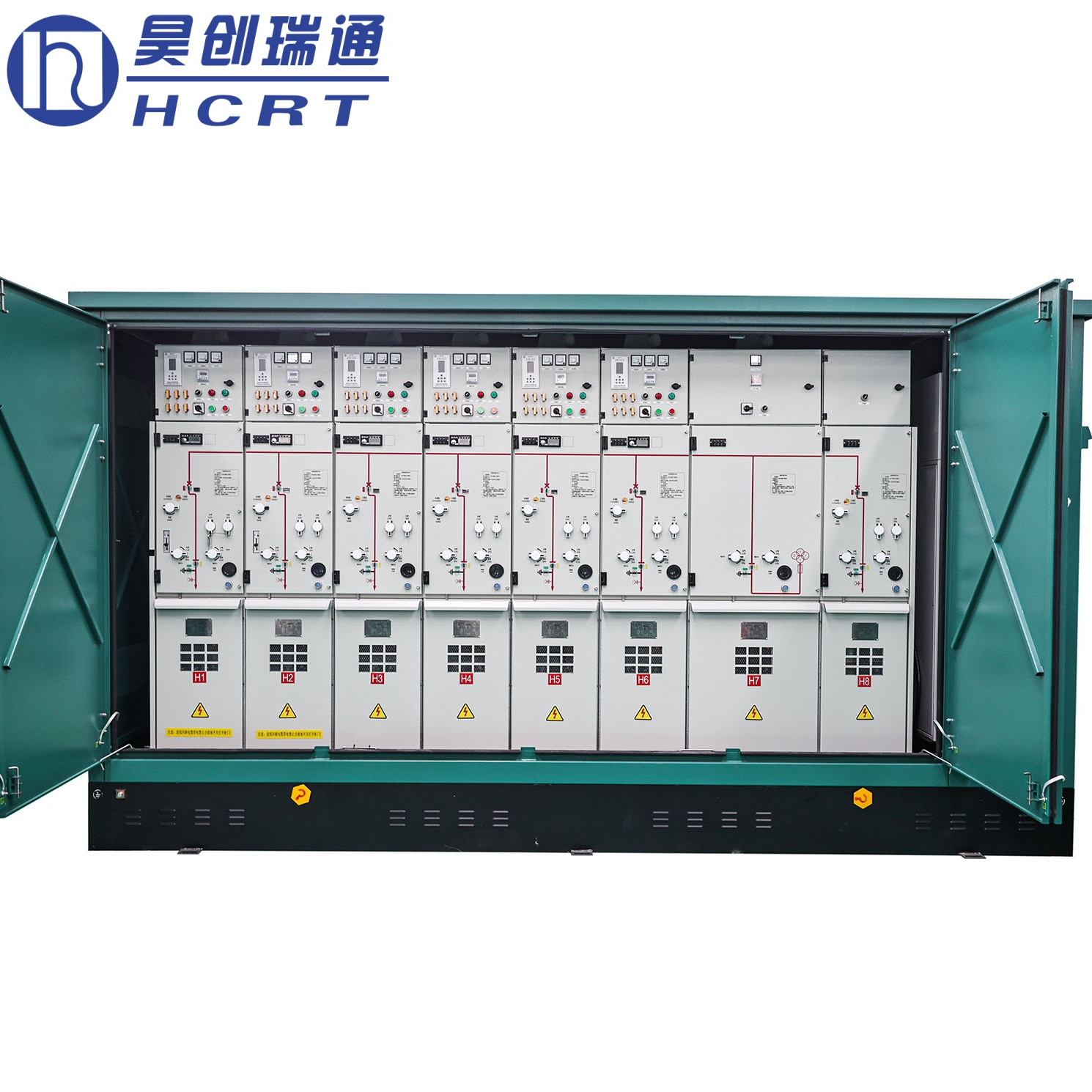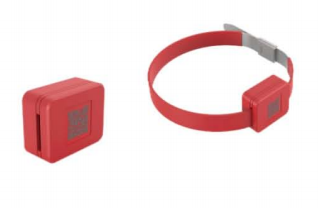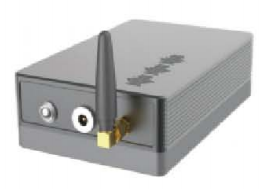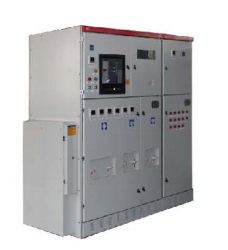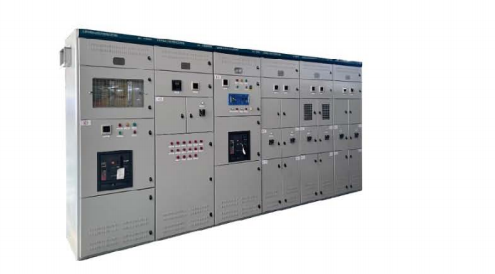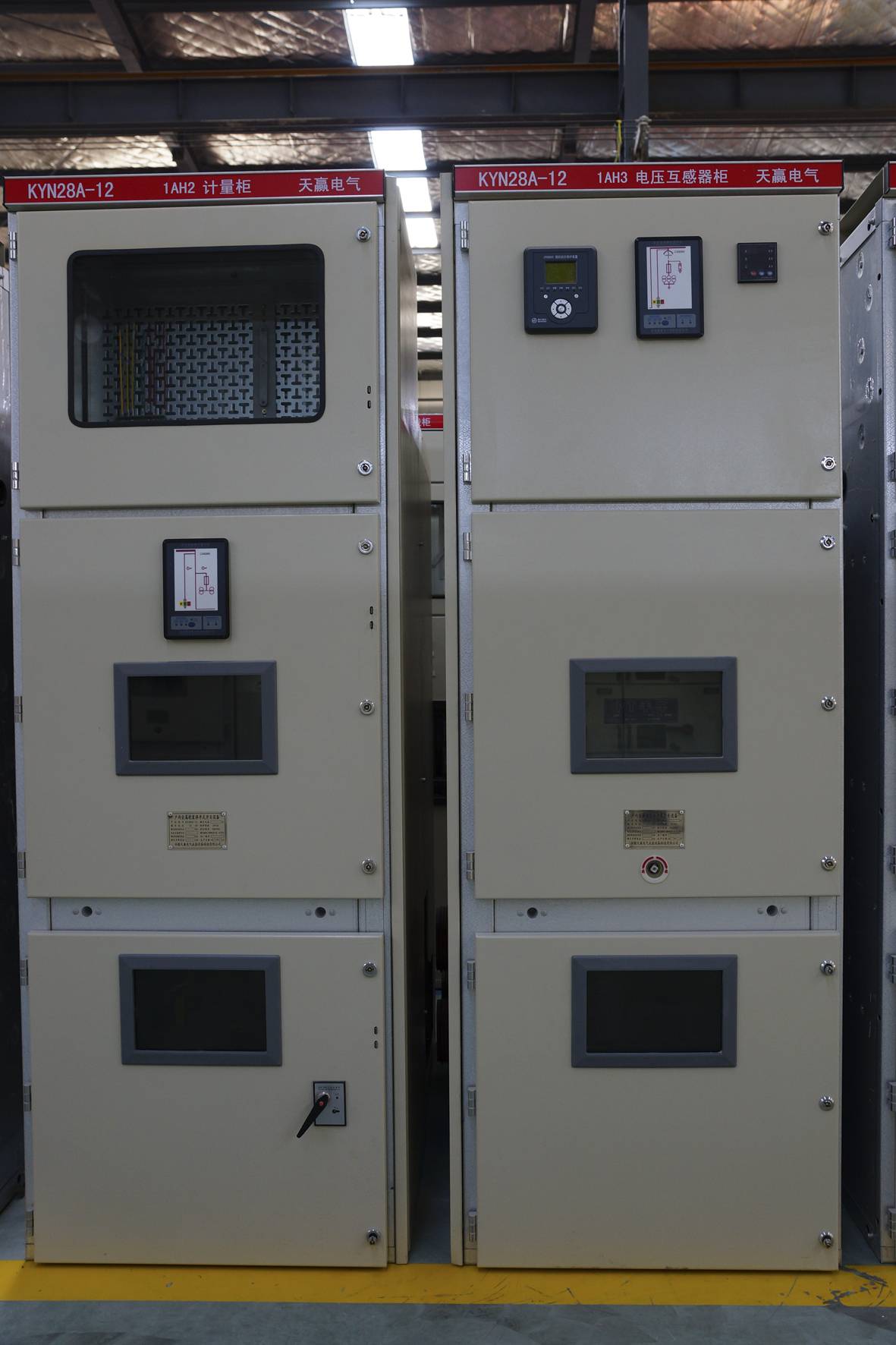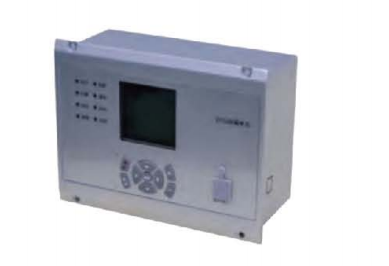


The distribution automation terminal adopts advanced digital signal processing technology, high-speed industrial network communication technology, multi-CPU integration technology, embedded industrial chipset, and multitasking real-time operating system. It features strong stability, high reliability, excellent real-time performance, wide environmental adaptability, and powerful functionality. It is suitable for monitoring and control requirements in distribution systems such as switching stations and ring main units. It is a new-generation microprocessor-based remote terminal unit that integrates telemetry, remote signaling, remote control, protection, and communication functions.
Main Features:
Powerful hardware and software platform: The device uses a 4U standard chassis with a popular modular front-plug-in structure. The circuit design is highly universal, interchangeable, easy to maintain, and convenient for technical upgrades. A single main control board implements both "algorithm" and "communication" functions, resulting in a simple and reliable system architecture;
Multiple anti-interference measures: The device employs multi-level isolation and excellent shielding. From chassis to PCB design and component selection, comprehensive anti-interference measures are fully considered. Mature SMT technology and strict adherence to ISO 9000:2000 procedures ensure outstanding electromagnetic compatibility and high on-site reliability. No external anti-interference measures are required for panel installation, simplifying design and operation & maintenance;
Abundant remote resources: Within a compact 4U 19-inch core unit, it supports 16 feeder circuits: each circuit includes 3 telemetry channels, 7 remote signaling channels, and 2 remote control channels;
Flexible configurable functions: The device maintenance tool software provides three major configuration functions: channel configuration, setting parameter modification, and forwarding point table configuration. All engineering applications can be realized through configuration without program modification, greatly improving device reliability;
Excellent maintainability: The maintenance tool software is divided into four sections: public, engineering, production, and development, providing comprehensive maintenance functions for personnel in different roles. Public section includes: telemetry data, line remote signaling, board remote signaling, sampling zero drift, device log, device information, device maintenance module; Engineering section includes: channel configuration, setting modification, forwarding point table, GPRS settings, project backup/recovery, remote testing, message monitoring; Production section includes: device upgrade, single-board testing (main board, output board, input board, etc.), complete machine testing; Development section includes: board configuration, device type configuration, protocol testing, waveform data analysis, file transfer, protocol analysis, amplitude adjustment, etc.
Comprehensive fault recording function: Supports cyclic storage of 64+ fault recordings. Each recording captures 4 cycles before and 8 cycles after the fault, with 128 points per cycle, and can record two circuits simultaneously. Trigger conditions include overcurrent fault, line loss-of-voltage, zero-sequence voltage, zero-sequence current mutation, etc., and can be set locally or remotely. Recording accuracy and format comply with State Grid specifications.
High-resolution user-friendly HMI: 160×160 graphic display interface (language customizable), friendly human-machine interface with rich display content.
Technical Parameters:
Available upon request
Operating Environment:
Relative humidity: daily average ≤95%, monthly average ≤90%
Earthquake resistance: Intensity 8
Altitude: ≤2000m
No flammable or explosive hazards or chemical corrosion