

|
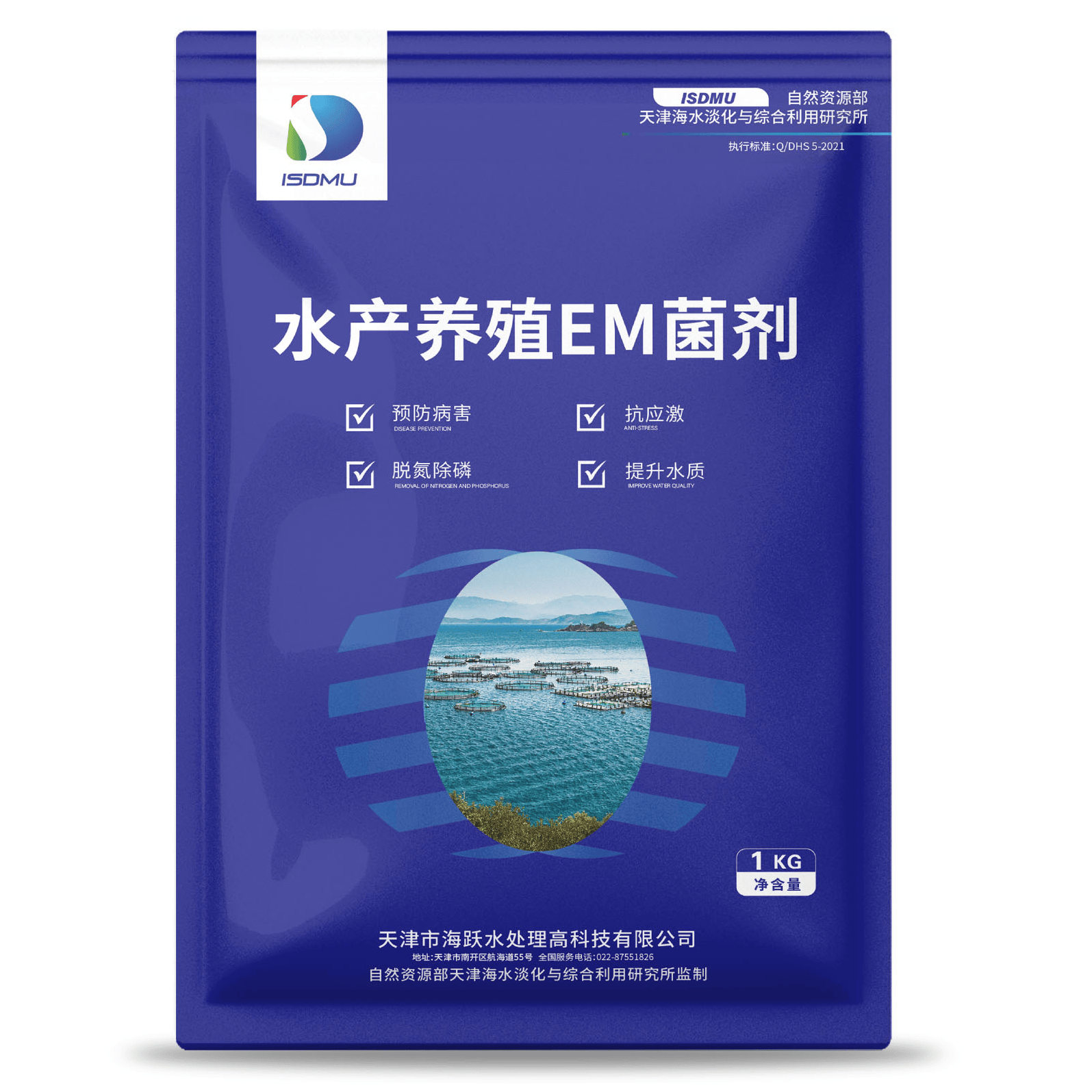
Aquaculture EM Bacterial Liquid |
|
|
Application Field |
Widely suitable for freshwater lakes, reservoirs, ponds, seawater and other fields. Common aquaculture objects include: various fish, shrimp, crabs, etc. |
|
Efficacy |
1. Phosphorus and nitrogen removal, pH regulation, effective improvement of water quality, promotion of decomposition of residual bait and other floating organic matter, degradation of harmful and toxic substances such as ammonia nitrogen, nitrite and hydrogen sulfide, increase of dissolved oxygen in water, promotion of the growth of beneficial plankton in water bodies, and regulation of the microbial ecological structure of aquaculture ponds; 2. Improve water quality and extend water exchange time. Rapidly purify pond bottom sludge, balance pH value, reduce stress phenomena in aquatic animals, and create a healthy aquaculture water environment; 3. Inhibit the proliferation of harmful algae. Rapidly stabilize water color and cultivate beneficial bacteria and beneficial algae. It has obvious effects on the improvement of black water, turbid water, red water, etc. caused by excess organic matter; 4. Improve the product and quality of aquatic products. Enhance the immune function of aquatic animals, prevent diseases, improve health, and reduce morbidity and mortality; 5. Improve the stress resistance of aquatic products, reduce pathogenic bacteria, balance microecology, reduce the use of drugs, and ensure environmental safety; 6. Provide natural feed and reduce feed costs. Control the number of microorganisms; after use, plankton in the water surface increases and beneficial algae increase significantly, providing natural feed for aquatic animals. |
This product was applied in the ecological restoration project of seawater aquaculture tail water in Fengjiawan Modern Fishery Industrial Park, Wenchang. Ecological means were used to carry out systematic ecological restoration. On the premise of low construction cost and low operating cost, the seawater quality near the coast was improved, and the stable operation of the coastal ecosystem was ensured.