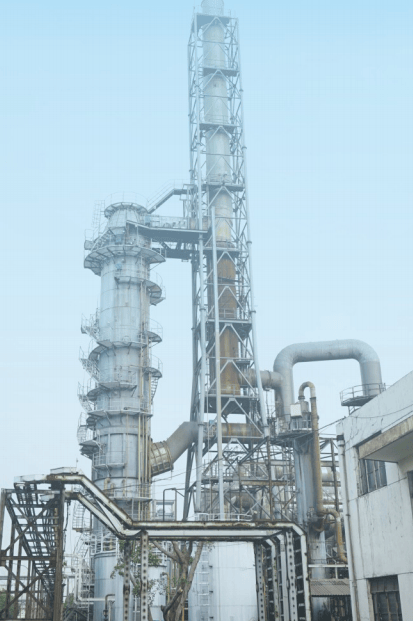


Polyethylene glycol dimethyl ether (NHD) solvent is a new type of high-efficiency desulfurization and decarbonization solvent. It has advantages such as good selectivity, large absorption capacity, low solvent loss, wide operating flexibility, relatively simple process flow, good economic benefits, and significant energy-saving effects. The purification technology of NHD solvent dissolving and absorbing gases is a new physical absorption process for removing acid gases. It has currently been used for the absorption of CO₂, H₂S, COS and other components in mixed gases such as high-pressure synthesis gas, natural gas, and fuel gas, and has achieved good absorption results.
Technical Features
The physical solvent absorption process mainly utilizes the dissolution of CO₂ in the absorption solvent to achieve gas removal. Solvents used for gas carbon dioxide absorption are required to have characteristics such as high solubility for the gas, good selectivity, relatively stable performance, and no corrosion. The advantages of the physical solvent absorption method include a simple process flow, absorption operation conditions for gas components only requiring high pressure and low temperature, strong absorption capacity, low absorbent consumption, easy regeneration of the absorbent without additional heating, resulting in low energy consumption and relatively low investment and operating costs. Solvent regeneration typically employs normal-temperature gas stripping or pressure-reduction flash evaporation.
Applicable Fields
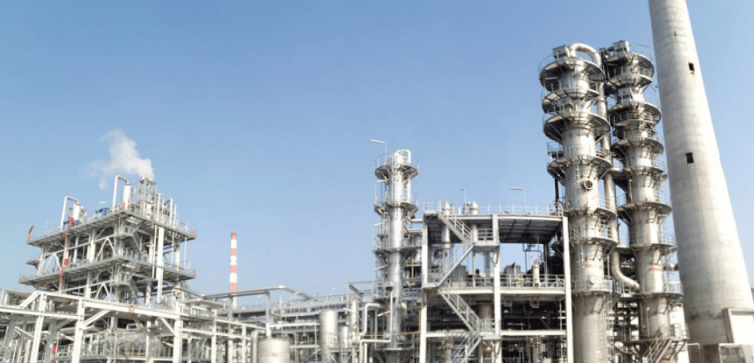
Removal of harmful components such as H₂S, CO₂, COS, and mercaptans from process gases including natural gas, oilfield associated gas, refinery gas, fuel gas, coal-derived gas, city gas, and synthesis gas.