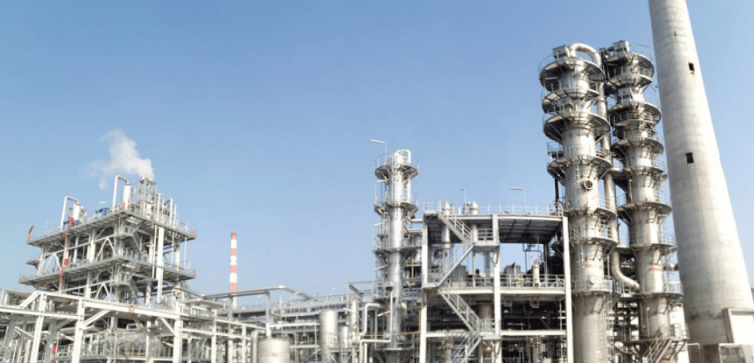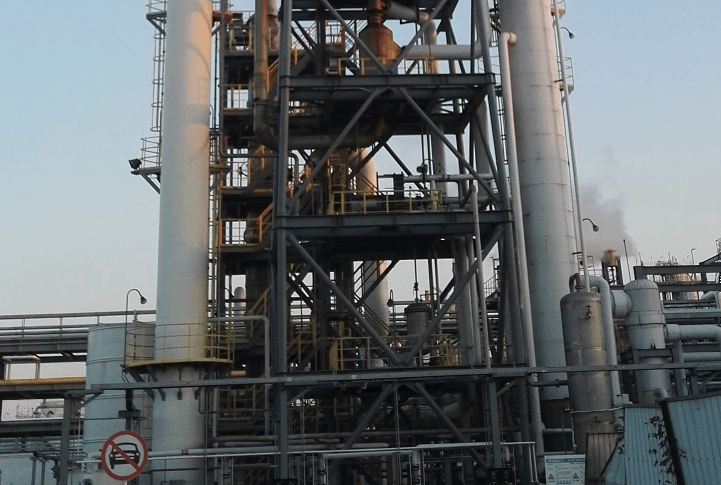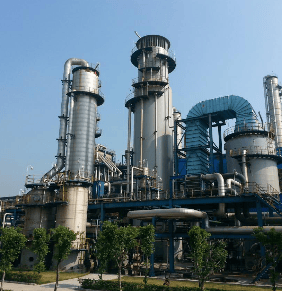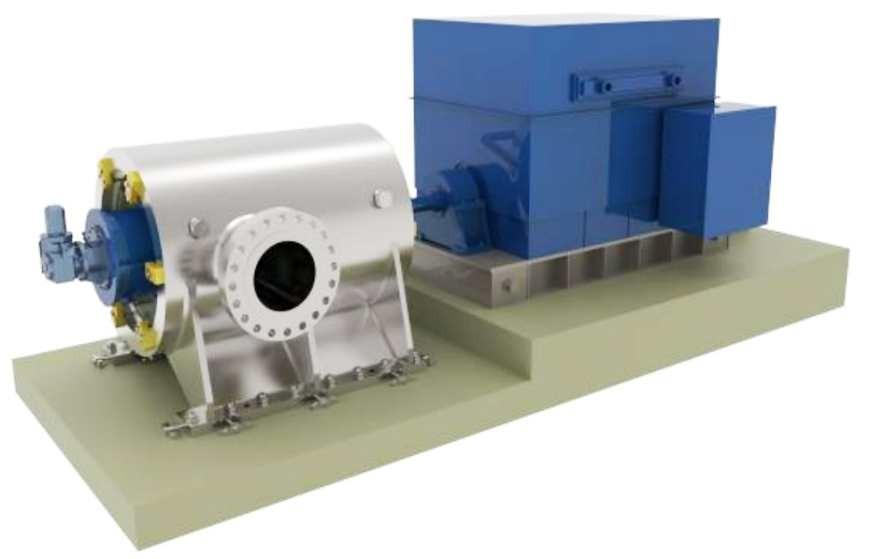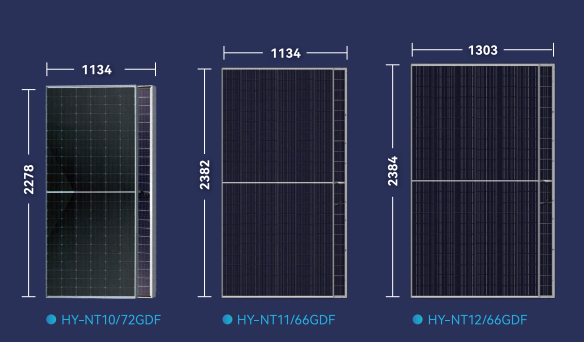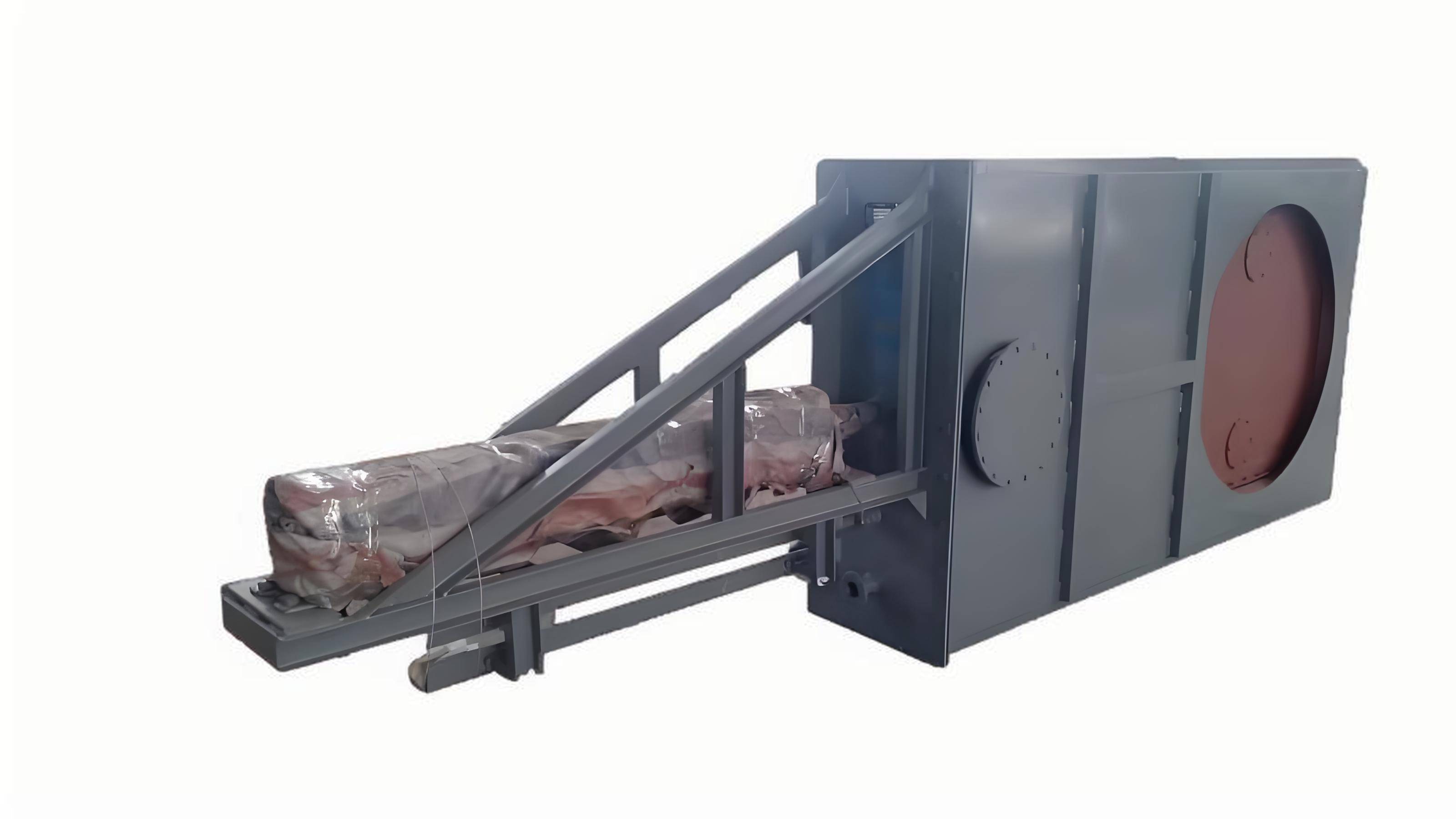


The spray roasting precious metal oxide production process developed by our company can be used for the regeneration of hydrochloric acid leach liquor in the chloride-process titanium dioxide industry, the production of zirconia powder by the chloride process, the production of ternary material precursors, and the production of various metal oxides from chlorides (hydrochloric acid regeneration from various metal chlorides). Among these, the production of zirconia powder by the chloride process and the production of ternary material precursors have enormous potential and application value.
Tricobalt tetroxide Co₃O₄ is an important functional material. It is the primary raw material for preparing lithium cobalt oxide, a cathode material for lithium-ion batteries, and is also widely used in fields such as superhard alloys, ceramics, and catalysts. Spray roasting is a highly promising material preparation method. Compared with traditional preparation technologies, it offers many advantages: controllable powder particle size, high product purity, good particle dispersion, high production efficiency, and low process temperature. It has already been applied in many fields of materials science.
Technical Features
• The preparation process is simple and advanced, with mature technology. The reaction is completed in one step, featuring controllable process, high metal recovery rate, low auxiliary material consumption, low preparation cost, continuous process, and uniform fine powder particles. This method has a simple operation process and high efficiency. The spray pyrolysis technology is mature, and the equipment can be started and stopped at any time, with the ability to switch between related operations.
• Product size and morphology are controllable. Through precise control of process conditions (changing atomization effect, atomization pressure, solution concentration, etc.), the synthesized powder consists of uniform monodisperse particles with controllable size, narrow particle size distribution, and uniform and regular external morphology. It can serve as the initial raw material for new functional materials and meets the development requirements of future advanced functional materials.
• The powder product has high activity. Since this method easily allows precise control of the product's chemical composition, the resulting powder is uniform, the preparation process is short, the reaction rate typically does not introduce other impurities, and the high-temperature crystallization process has many controllable conditions, making it easy to prepare ultrafine powders with the desired ideal crystal form, high activity, and good stability. The ultrafine powder prepared by this technology is characterized by less powder agglomeration, large specific surface area, good dispersibility, high product purity, complete product crystal form, and stable product quality, laying a high-quality raw material foundation for the development of new materials.
• Unique advantages in preparing composite dielectric materials. Various doping elements in the form of soluble salts are mixed with the main crystal phase at the atomic level through liquid-phase methods. During the preparation process, the stoichiometric ratio of each element can be precisely controlled, making it very convenient to prepare composite powders with uniform distribution of multiple components.
• Strong raw material adaptability. It is suitable for processing various solutions and can achieve product diversification by adjusting reaction conditions. The manufacturing cost is significantly reduced compared with traditional processes, with good industrialization prospects.
Applicable Fields
Production of metal oxides from various metal chlorides, such as:
Solutions such as CoCl₂, SnCl₄, ZnCl₂, CeCl₄ can be used to produce powders such as Co₃O₄, SnO₂, ZnO, CeO₂.
Production of ternary precursor materials.
Production of mixed metal oxides from various mixed metal chlorides.