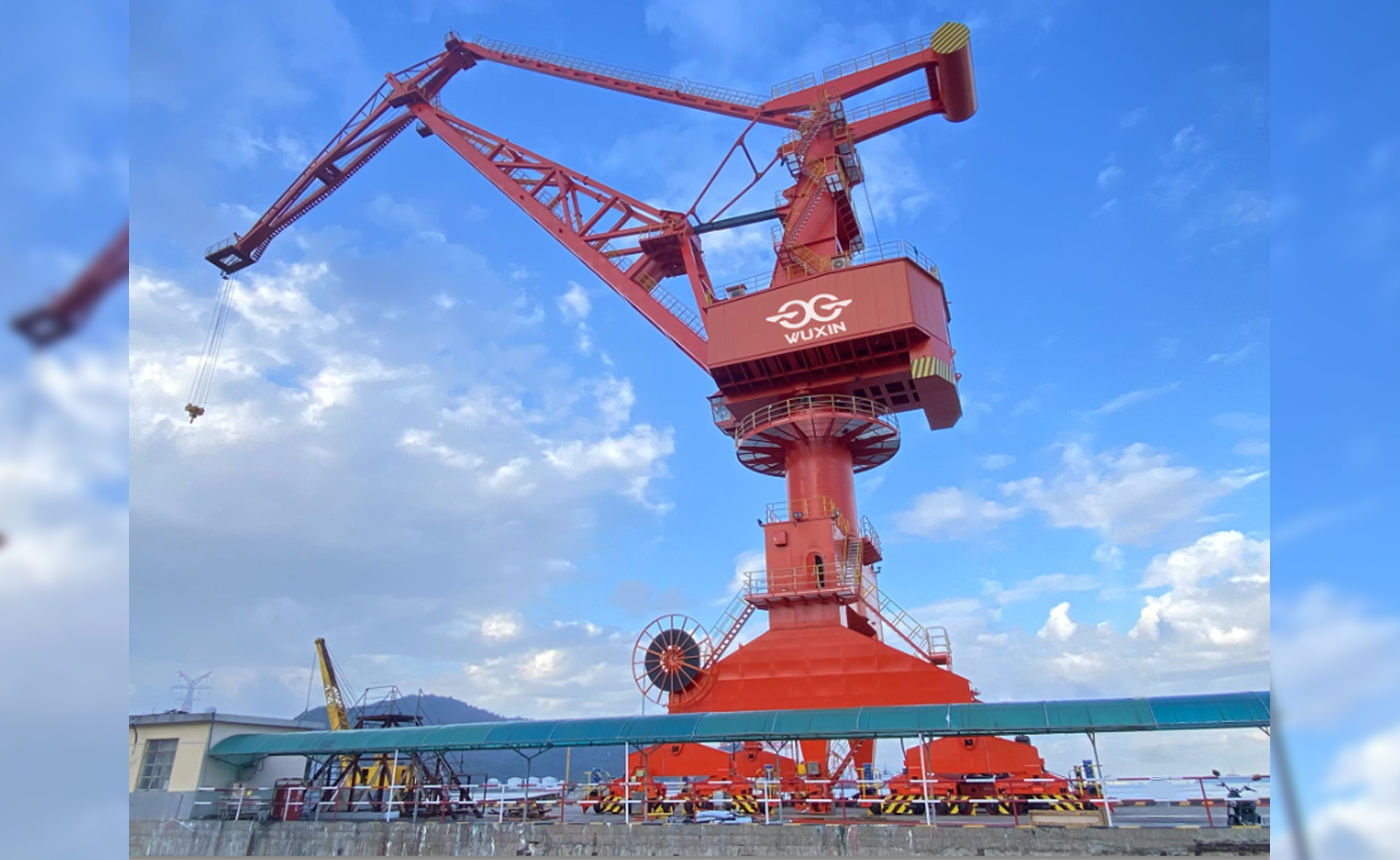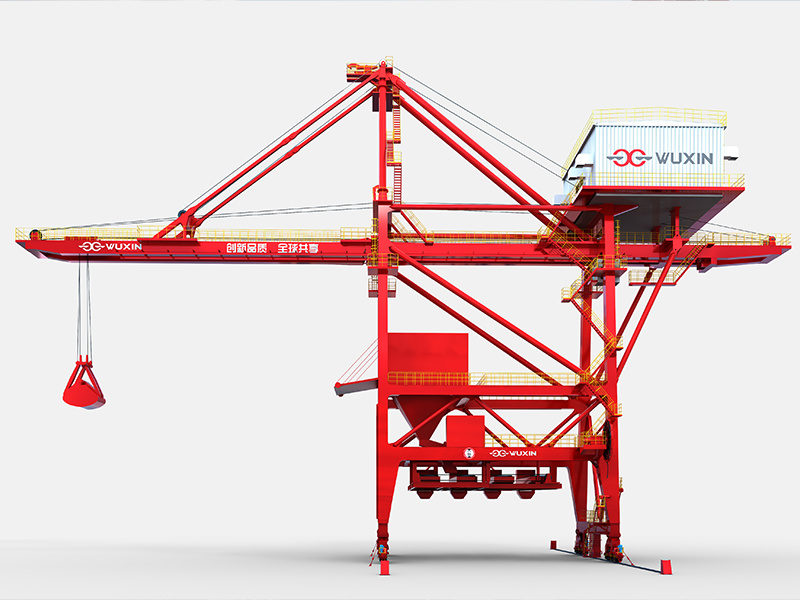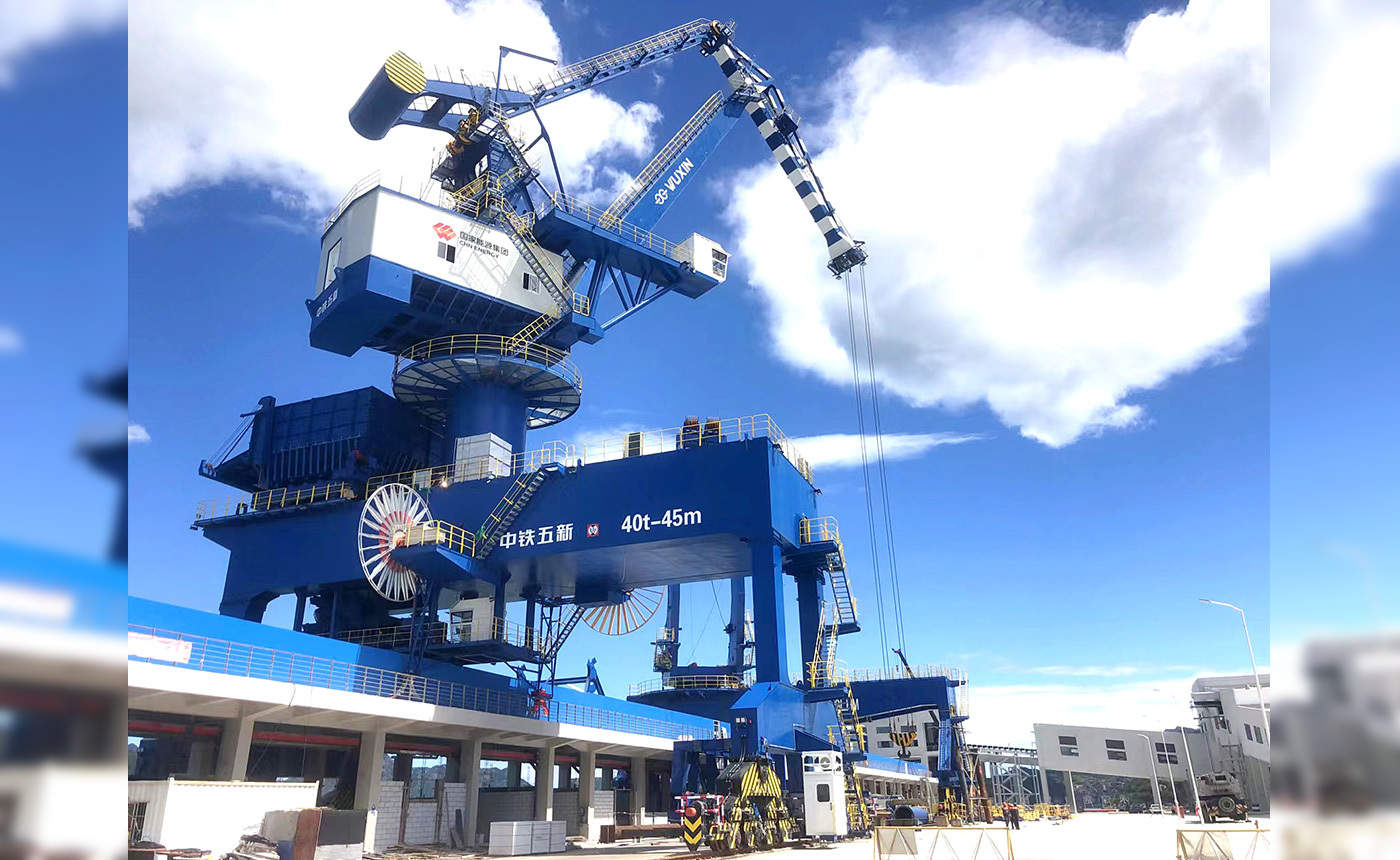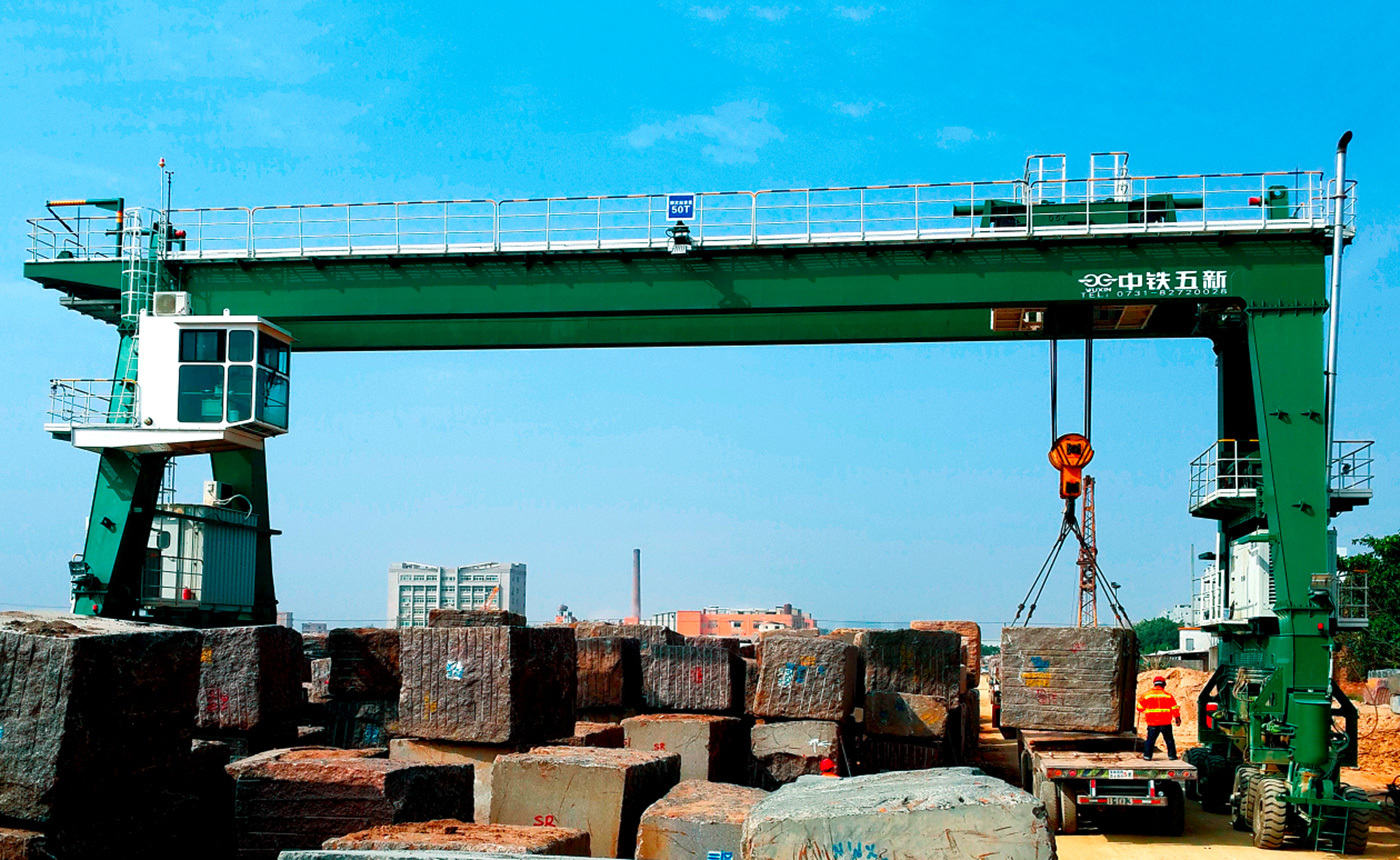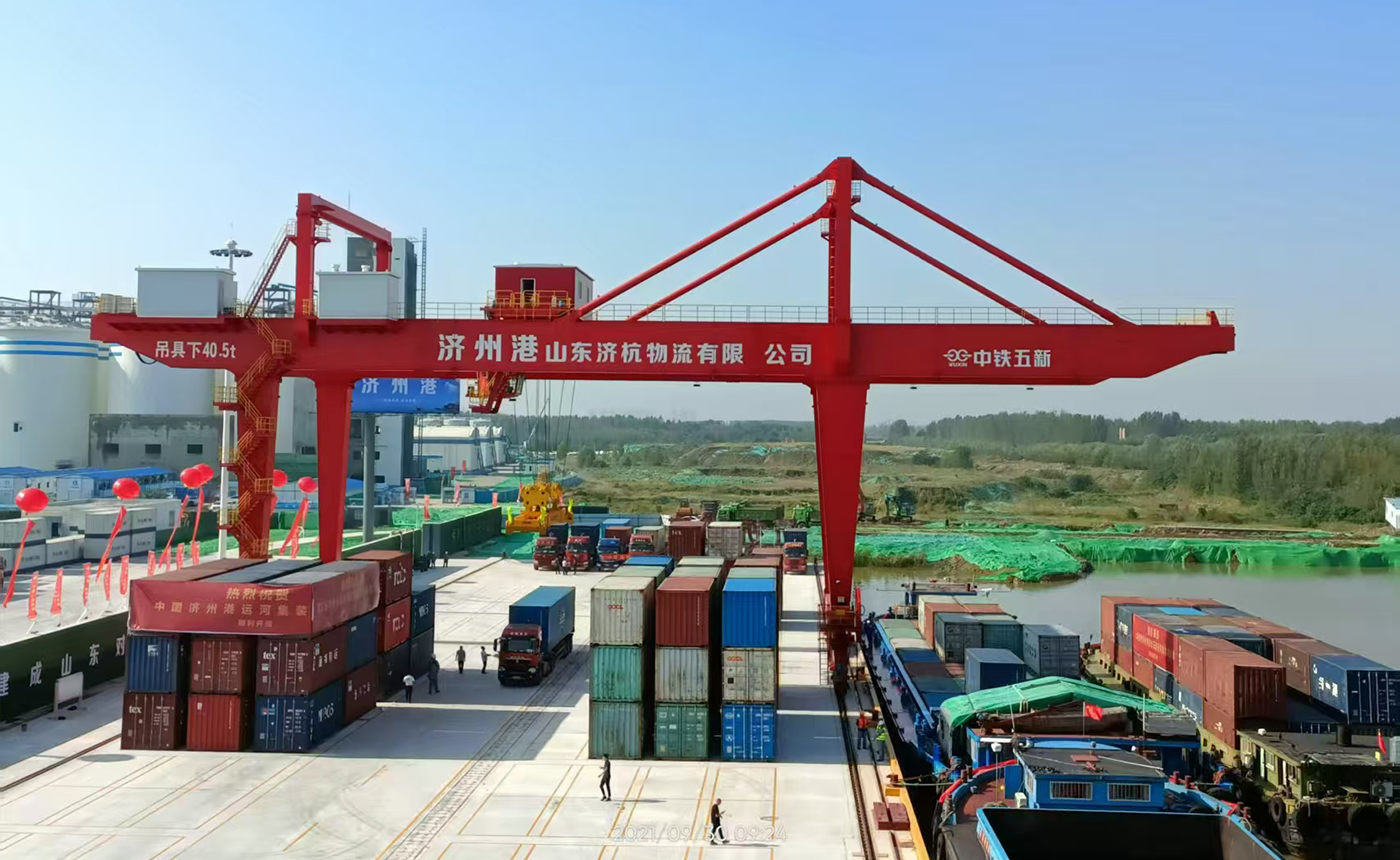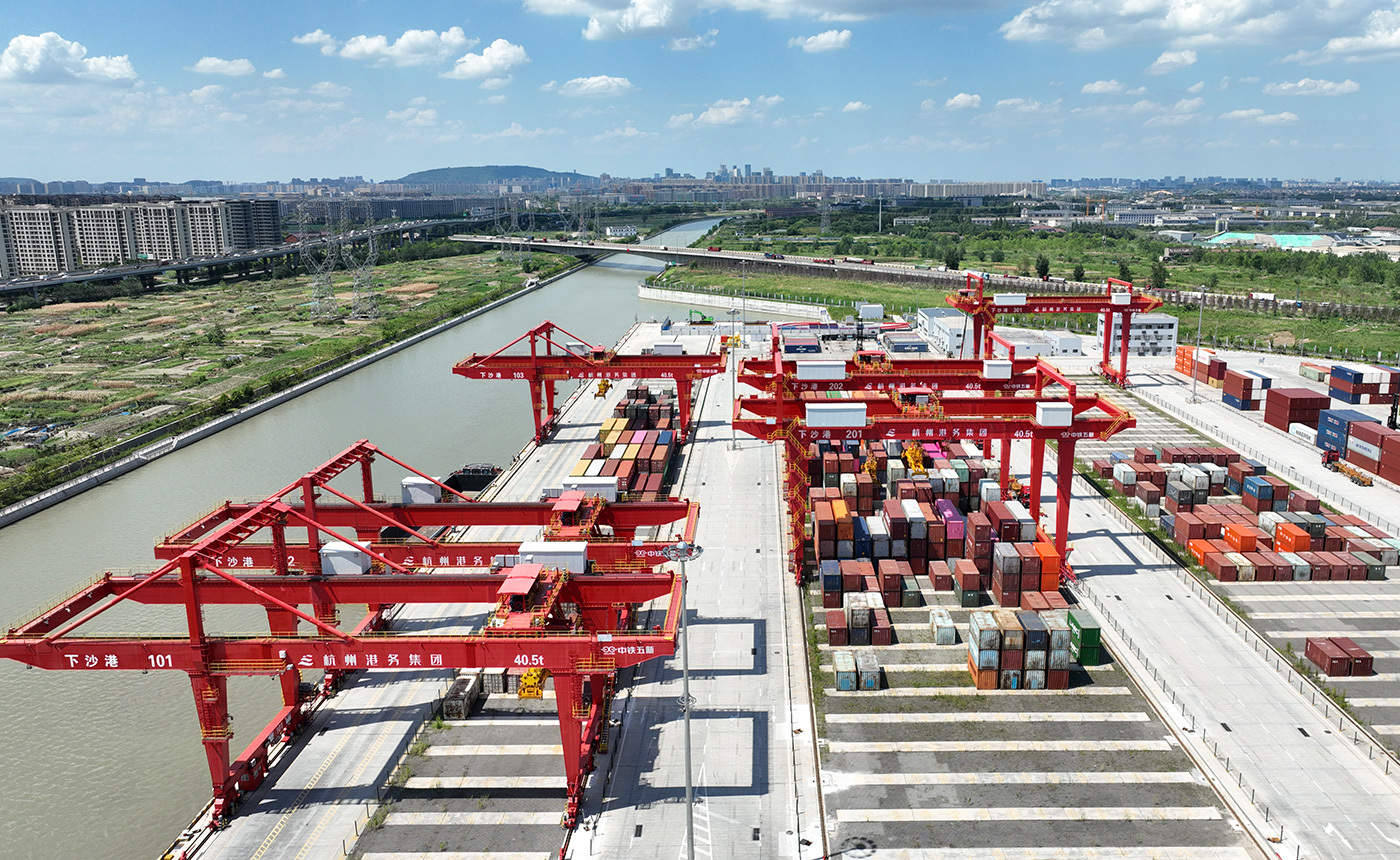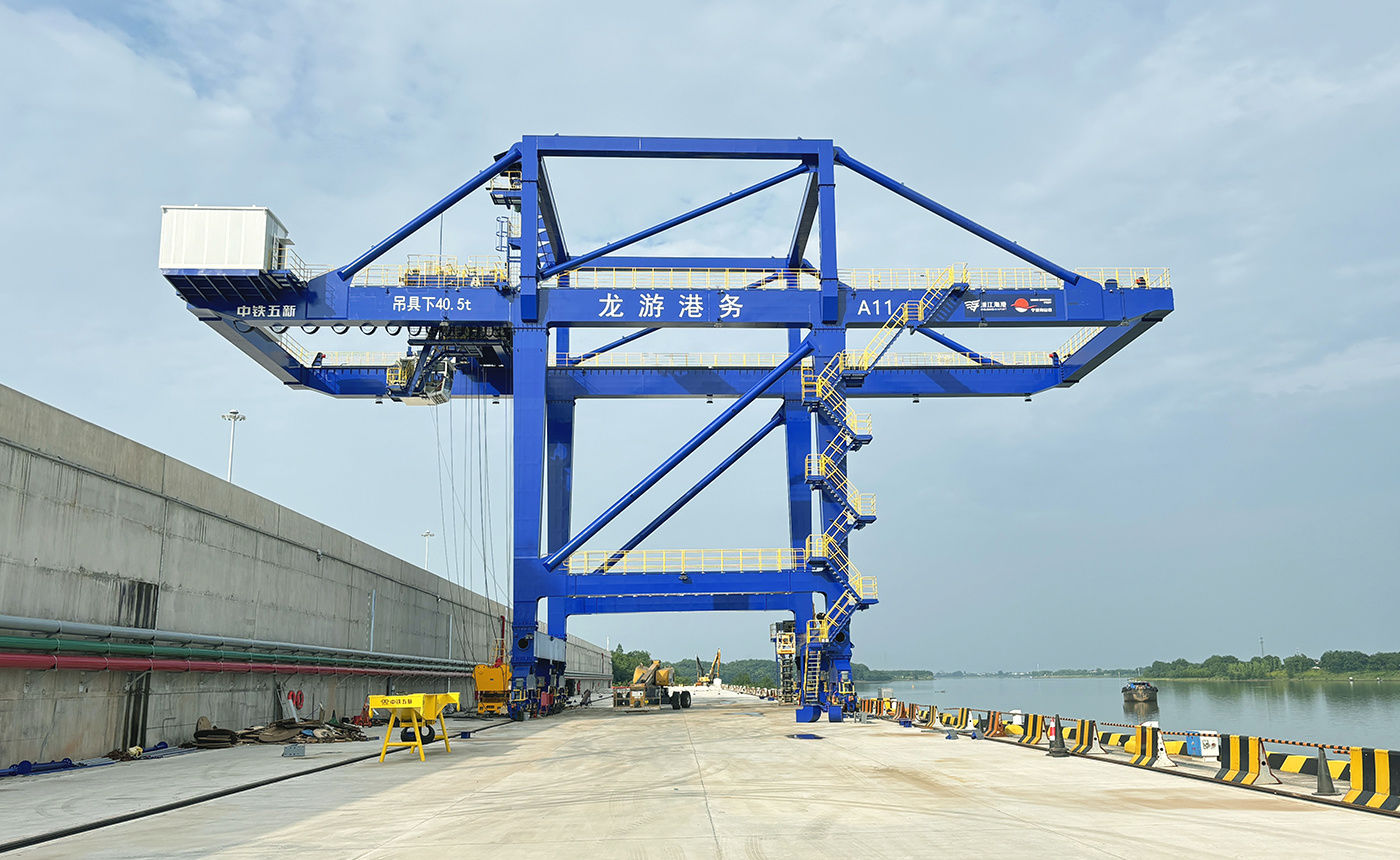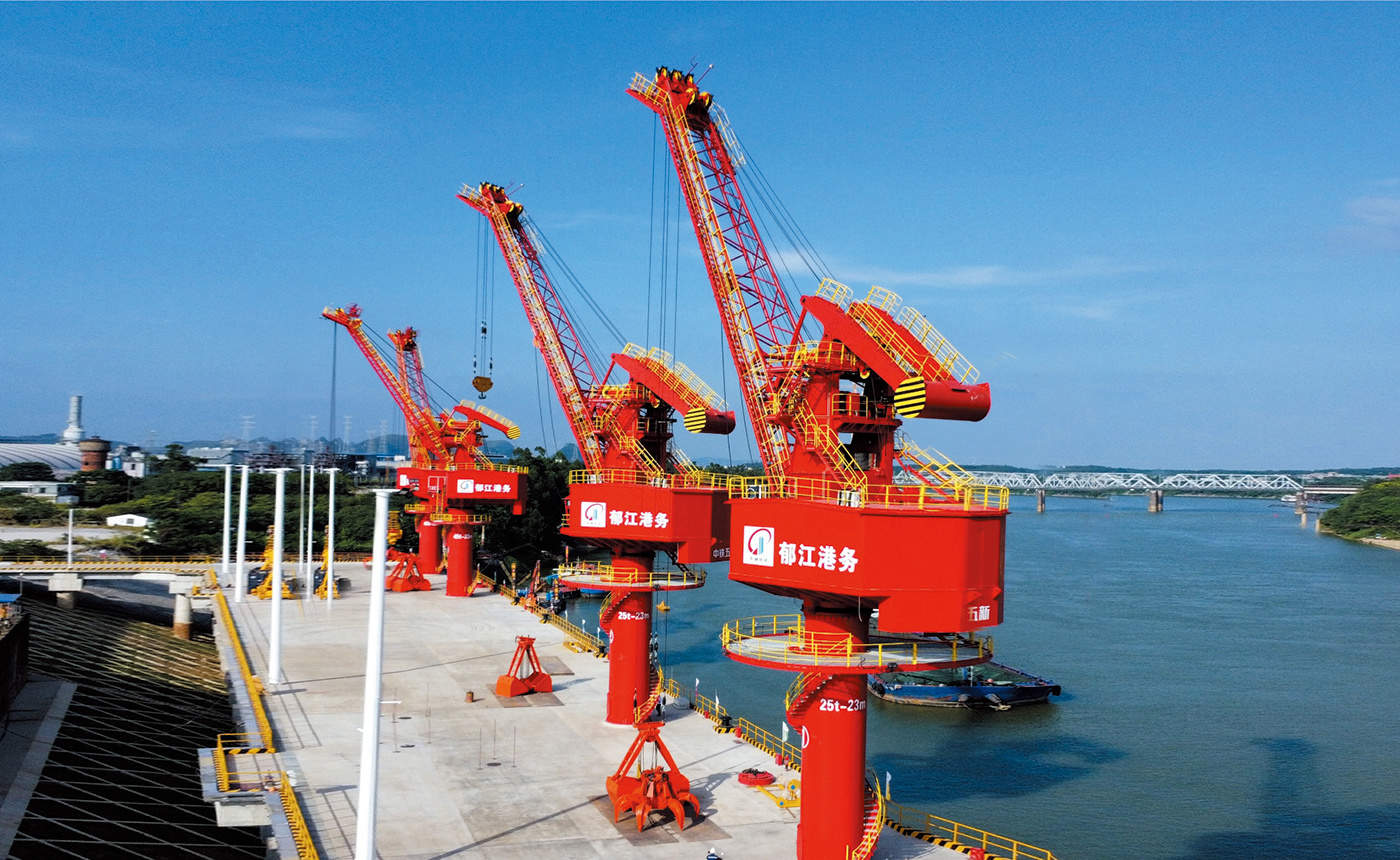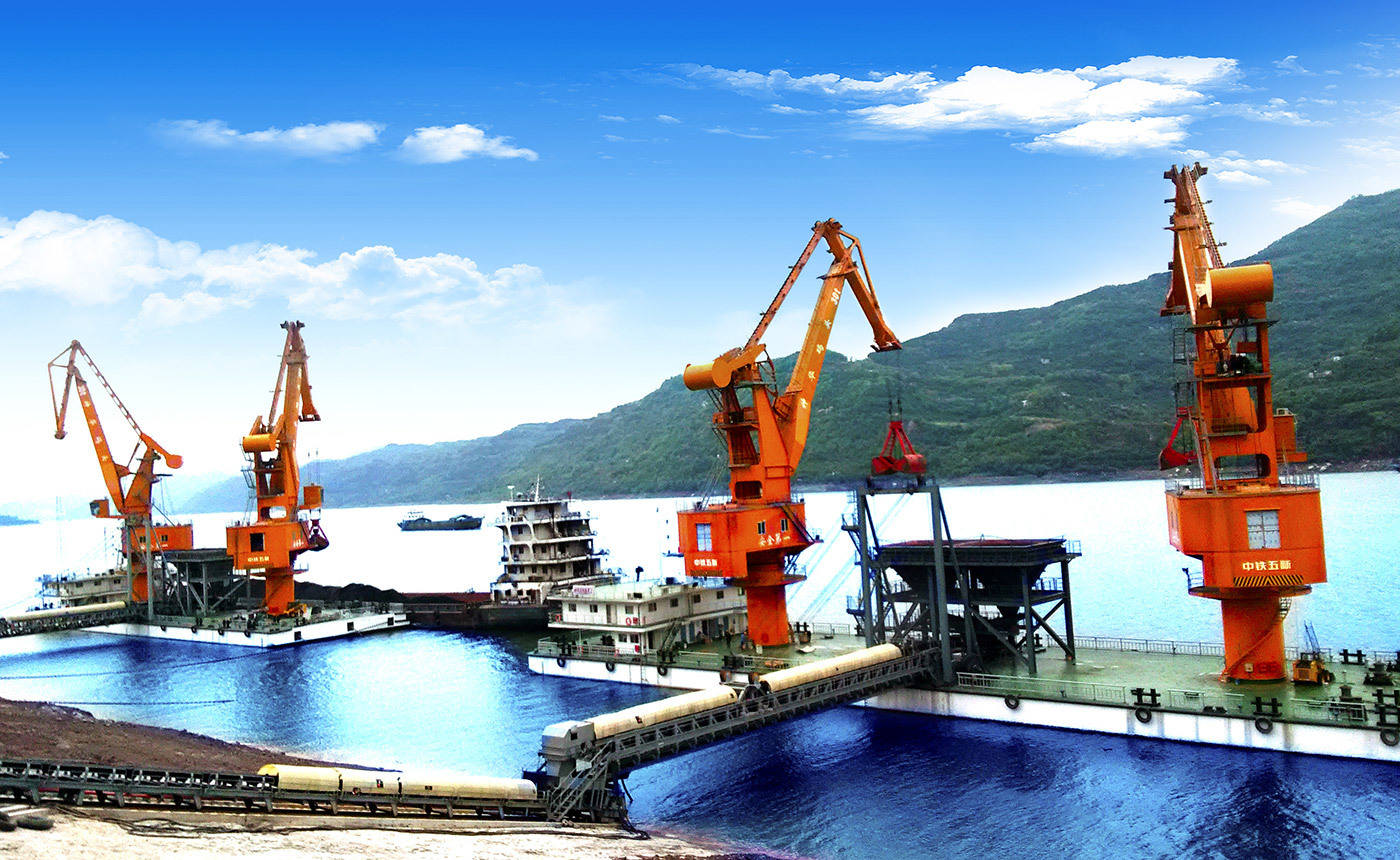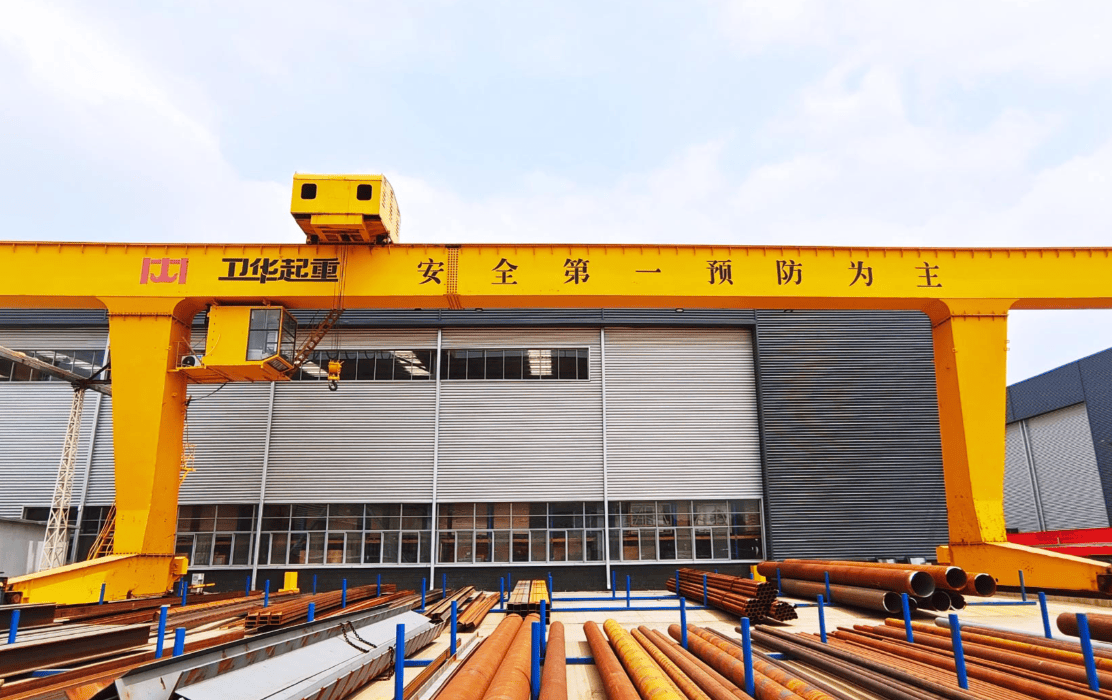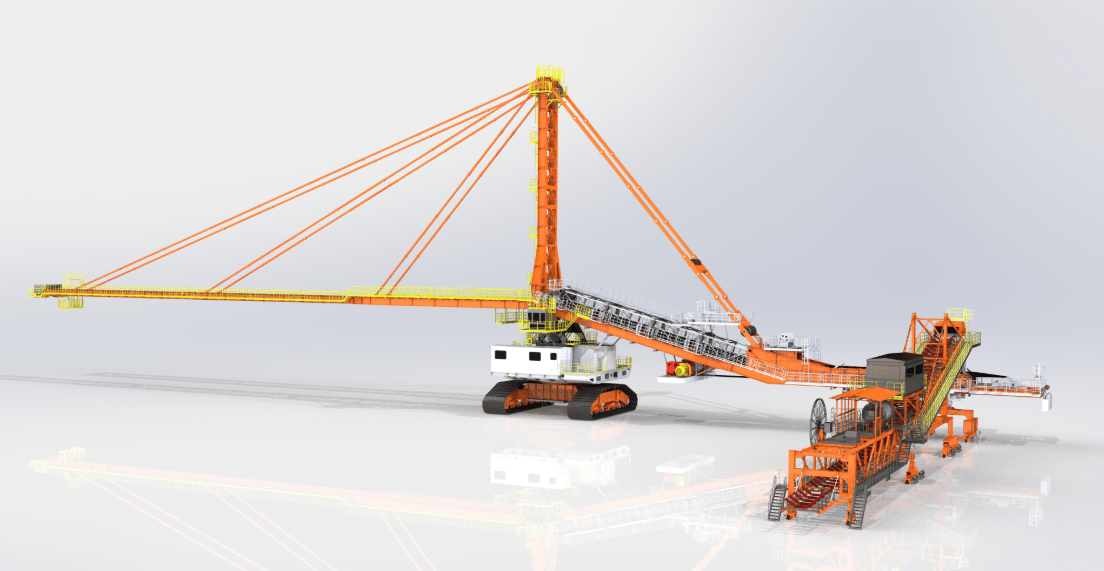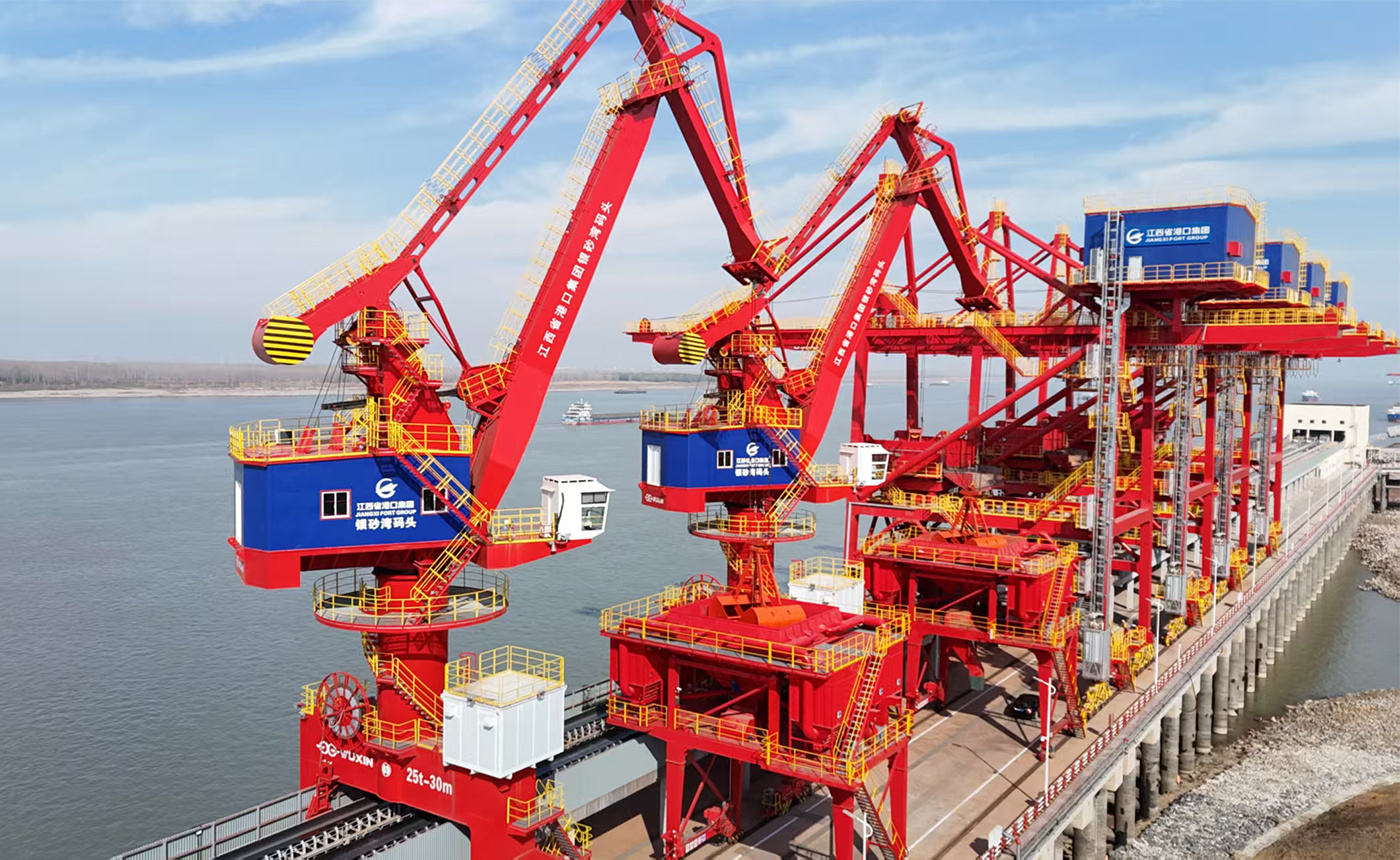
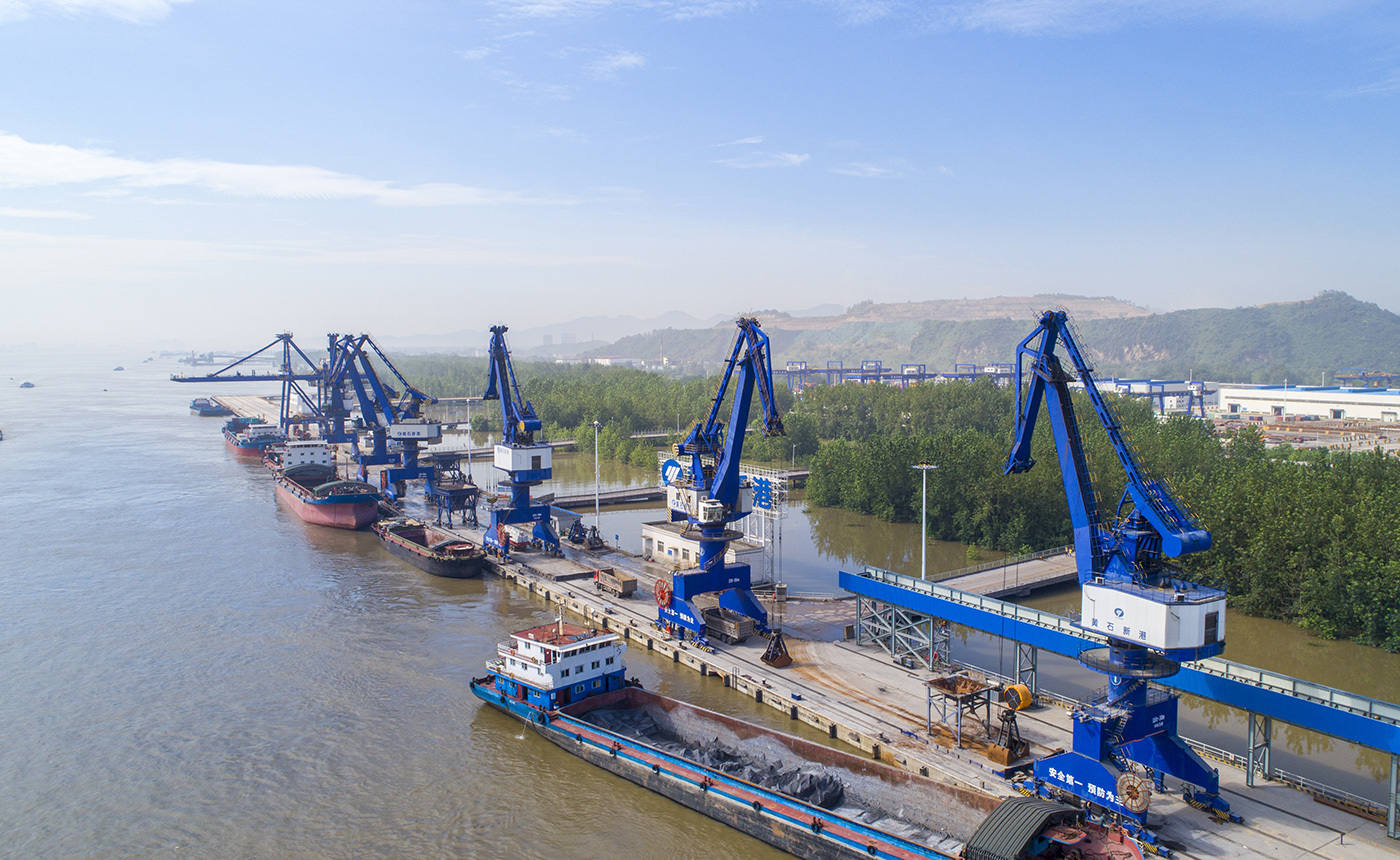


The four-link portal slewing crane is a highly efficient and stable material handling equipment. It adopts a four-link combined jib system and features slewing, luffing, traveling, and hoisting functions, making it suitable for ports, wharves, shipyards, steel mills, and other working environments. With its three-dimensional structure and impressive appearance, it supports 360° full slewing and offers a wide operational coverage, adapting to high-intensity continuous operations. It is widely used for bulk cargo, general cargo, and container loading and unloading, and is one of the main models of green and energy-saving handling equipment in modern ports.
Product Advantages
1. Slewing Bearing Design with the Same Service Life as the Entire Machine
We possess manufacturing experience and processing techniques accumulated and refined over decades, and we are a member of the Jib Crane Standardization Committee. Our slewing bearing processing techniques, along with a relatively generous safety factor, ensure that the slewing bearing—the most critical mechanical component of a portal slewing crane—has the same service life as the entire machine.
2. Low Center of Gravity Design
The design concept of a high jib and low slewing platform lowers the center of gravity of the portal crane, improving the stability of the entire machine.
3. Low Wire Rope Wear Design
The parallel lay method is adopted to reduce wire rope wear, increasing service life by more than 20% and reducing replacement costs.
4. Quick Spreader Changeover
The quick-change interface ensures smooth changeover among grab, hook, and container spreader within 3-5 minutes.
5. Spreader Follow-Up
When the slewing platform rotates, the container spreader rotates in the opposite direction to compensate for the slewing angle, keeping the spreader always aligned with the working angle and improving work efficiency.
6. Pure Electric Drive
Environmentally friendly and energy-saving, with a power supply range of 380V to 20kV for the entire machine.
7. Rail Traveling
Steel wheels can carry larger loads with minimal wear, requiring no frequent wheel replacement, resulting in lower maintenance costs compared to tire cranes.
8. Multiple Safety Guarantees
Inherent safety of the crane has always been our goal. Through redundant design of multiple safety protections and real-time online cloud monitoring systems, the safe use of the crane is effectively ensured.
9. Grab Anti-Sway System
By modeling the portal slewing system and calculating the grab sway angle, the slewing and luffing speeds are intelligently controlled to eliminate the sway angle, achieving an anti-sway effect.
10. Automatic Operation System
The portal crane memorizes grab material picking and unloading positions as well as working paths. Combined with grab anti-sway, positioning, and anti-collision algorithms, automatic grab operation of the portal crane is achieved.
11. Jib Anti-Collision System
By detecting the luffing radius, angle, and traveling position of the portal crane and sharing data with adjacent equipment, a portal crane group model is constructed, and intelligent algorithms are used to achieve jib anti-collision protection.
12. Energy Feedback System
The electrical energy generated during load lowering or motor deceleration is fed back to the power grid, achieving energy recovery and utilization for energy saving and emission reduction.
13. Energy Recovery System
The electrical energy generated during load lowering or motor deceleration is stored in batteries or supercapacitors and released during the next operation, achieving energy recovery and utilization while reducing the overall input power of the machine.
14. High Power Factor, Low Harmonic Content
An intelligent compensation and harmonic elimination system is adopted to improve power factor, reduce line losses, and optimize power quality.
15. High Handling Efficiency
Maximum bulk cargo handling efficiency: 1200 t/hour.
Maximum container handling efficiency: 30 natural containers/hour
Application Scenarios
1. Ports and Wharves: Used for loading and unloading cargo from ships and vehicles, including general cargo, bulk cargo, and containers.
2. Railway Freight Yards: Train loading and unloading, including general cargo, bulk cargo, and containers.
Optional Configurations
1. Lifting Attachments: Optional hook, grab, container spreader, electromagnetic spreader, hook beam, C-type steel coil spreader, etc.;
2. Intelligent Systems: Optional cloud monitoring, video surveillance, remote control, condition monitoring, intelligent lightning protection system, automatic fire extinguishing, automatic spreader follow-up system;
3. Energy-Saving Systems: Energy feedback system, energy recovery system;
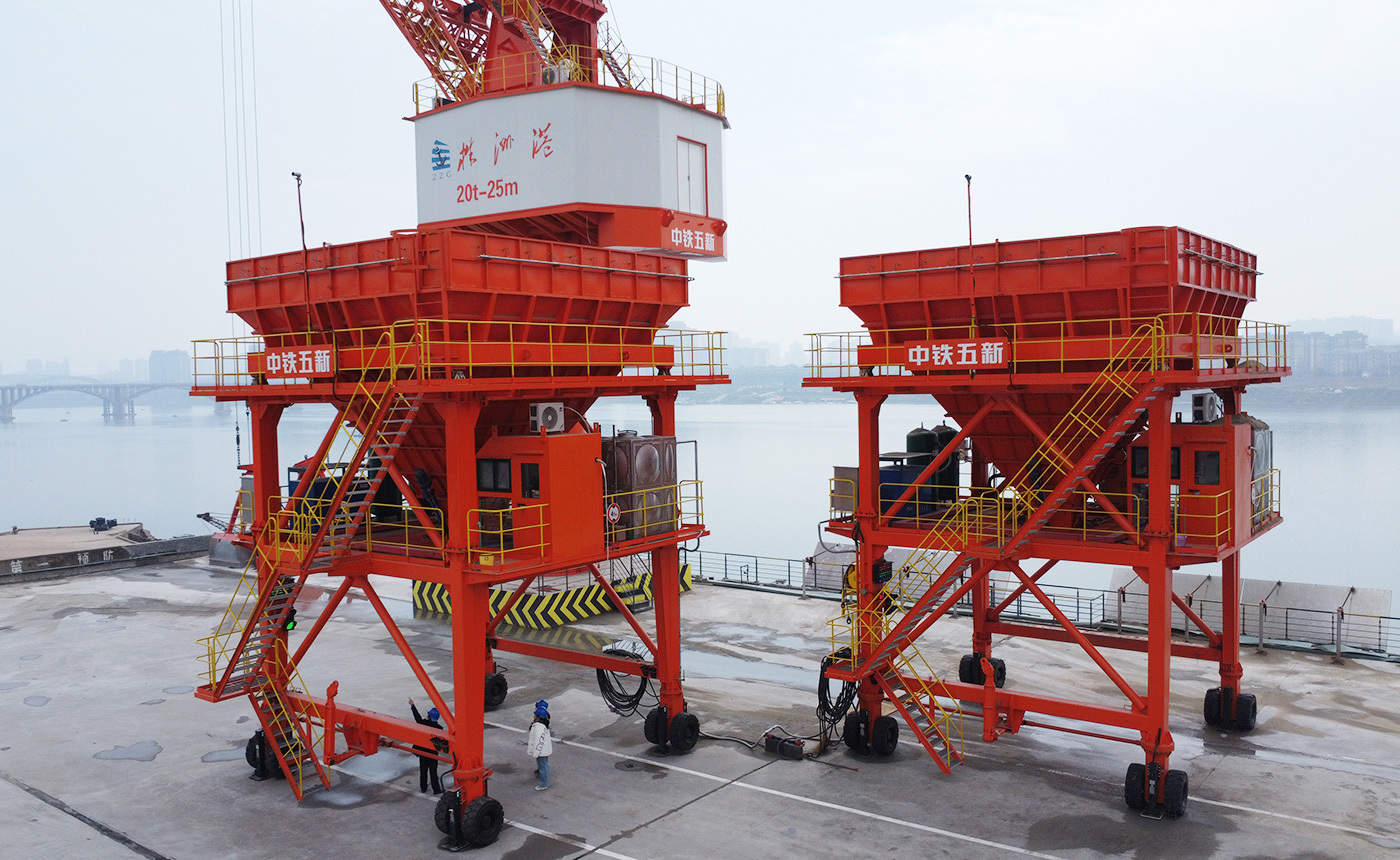
4. Bulk Cargo Receiving Systems: Mobile hopper, fixed hopper, towed hopper;
5. Hopper Environmental Protection: Dry fog dust suppression system, spray dust suppression system, negative pressure dust suppression system.