

Abstract
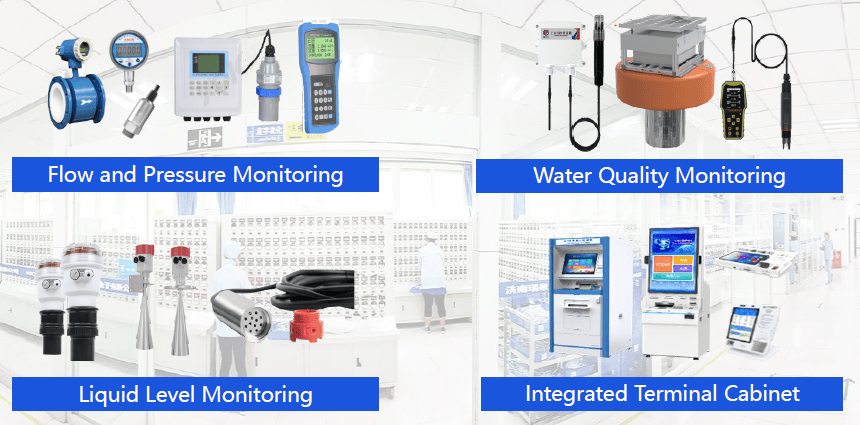
Terminal Sensing Devices are the data source of the whole smart water system. Supported by emerging technologies such as cloud computing, big data, IoT, mobile internet and AI, Inspur integrates and develops products such as the ultrasonic smart water meter, flow and pressure monitoring, water quality monitoring, liquid level monitoring and integrated terminal cabinets, establishing an efficient smart sensing service system.
Background
The value of a smart water platform depends on whether the physical world can be perceived in real time. Traditional terminals are single-function, read manually and cannot be networked, so flow, pressure, water quality and liquid level data are incomplete, untimely and inconsistent, and the platform has no reliable data to work with. A complete terminal sensing layer is therefore the foundation for monitoring, leakage control, billing and AI applications.
Solution Description
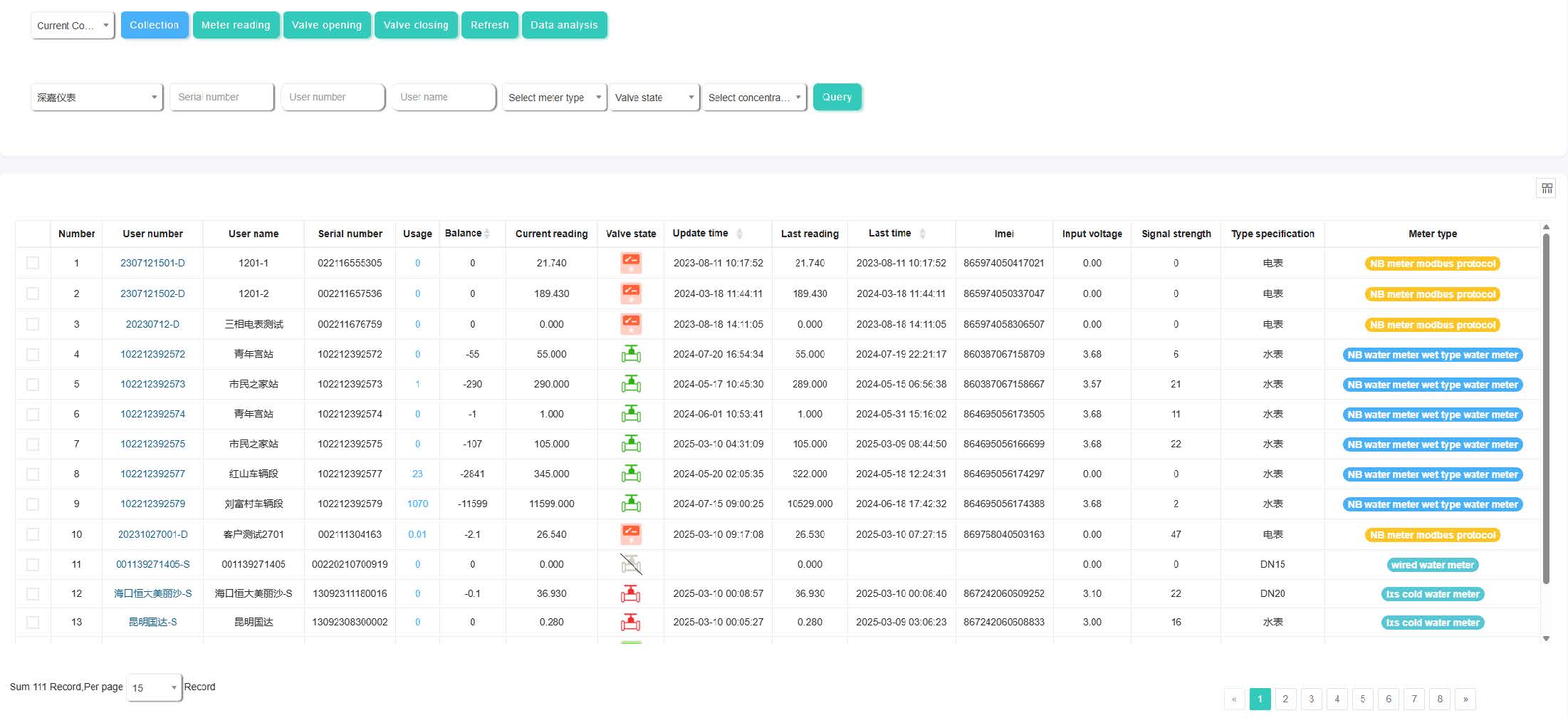
Ultrasonic Smart Water Meter: The ultrasonic smart water meter measures flow without moving parts, delivering high accuracy and a wide measuring range. It supports two-way metering and remote data transmission, and provides the water consumption data base for remote meter reading and revenue management.
Flow and Pressure Monitoring: Flow meters, bulk-size water meters and pressure transmitters are deployed at plant outlets, pump stations and district metering points, providing the flow and pressure data required by water balance analysis, district metering and pressure scheduling.
Water Quality Monitoring: Online water quality terminals continuously measure turbidity, residual chlorine, pH and other indicators at the water source, the plant outlet and in the pipe network, so that water quality can be supervised along the whole process from source to tap.
Liquid Level Monitoring: Liquid level instruments monitor the water level of clear water tanks, reservoirs and pumping stations, supporting pump control, storage scheduling and flood control.
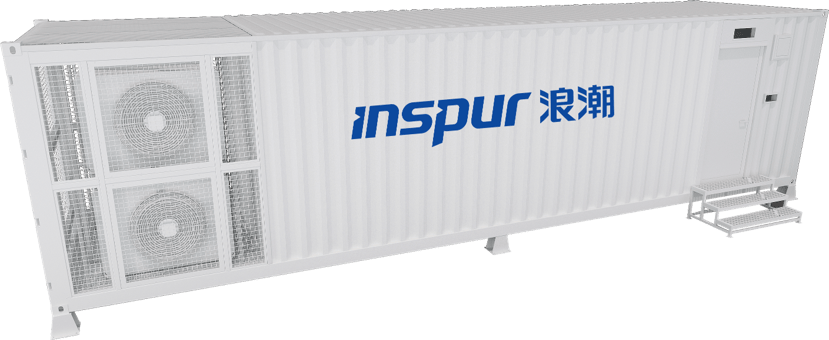
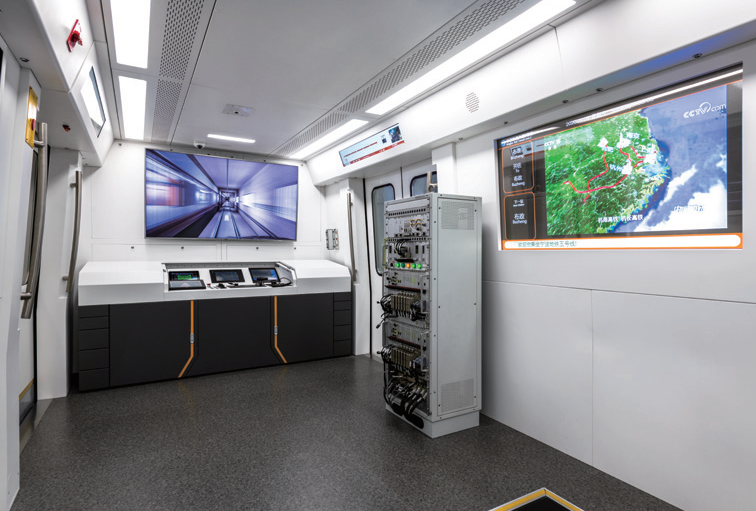
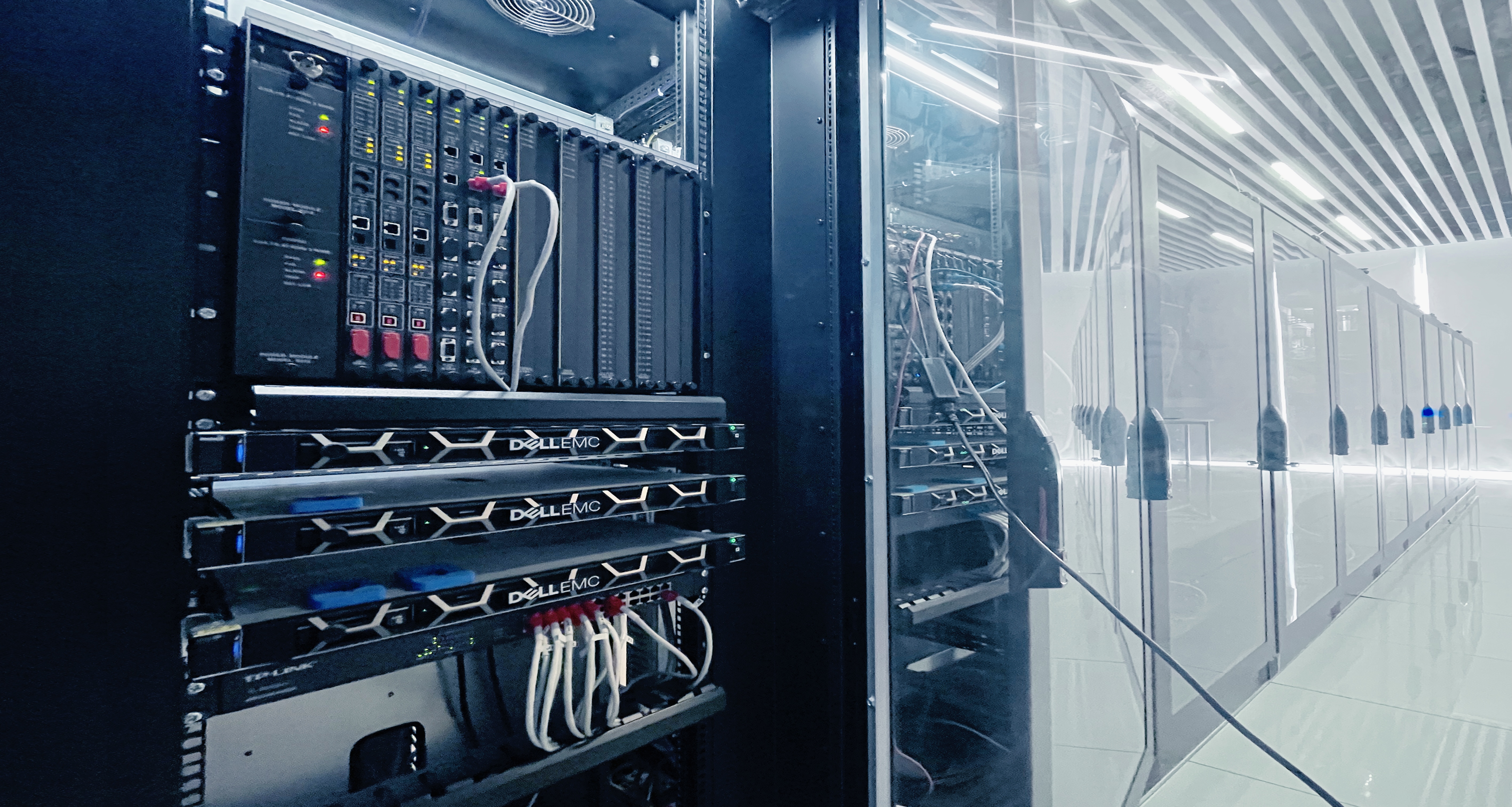
Integrated Terminal Cabinet: The integrated terminal cabinet houses gateways, power supply, communication and protection modules, and provides a standardised, out-of-the-box station for field data acquisition and transmission, shortening installation and commissioning time.
Customer Value
Data acquisition is automated and networked, so manual meter reading and on-site inspection are greatly reduced and the labour cost is lowered. Metering accuracy and data completeness are improved, which provides a reliable data base for leakage control, water balance analysis and billing, and directly improves the recovery of water charges. Field devices are standardized and manageable, so installation and commissioning time is shortened and new monitoring points can be added quickly as the network grows. In a typical project the terminal sensing layer covers about 500,000 smart water meters, 550 flow meters, 400 pressure gauges and 50 water quality terminals, demonstrating scalability from a single station to a whole city.