


Observation Principle
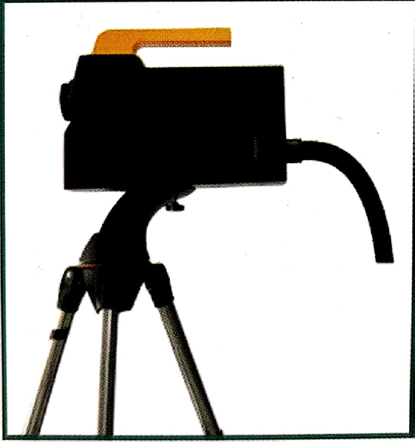
The AEFI-type atmospheric electric field instrument sensor operates based on the principle of charge induction. It utilizes the shielding effect of a grounded metal plate on the electric field, causing periodic changes in the induced charge on another metal plate to form an electric current. The electric field strength is then detected by measuring the magnitude of this current. The sensor consists of two sets of fan-shaped metal sheets with identical sizes and uniform distribution, referred to as the stator (induction plate) and the rotor (grounded metal shielding plate), respectively. The rotor is connected to a motor via a shaft and can rotate freely. When the rotor spins, the stator is alternately exposed to the external electric field or shielded by the rotor. This cyclic process generates an alternating output signal. By measuring this alternating output signal, the value of the spatial atmospheric electric field can be determined.
Functional Features
• The core processing chip uses a low-power, high-performance ARM chip, combined with a complete peripheral circuit, resulting in lower device power consumption and stronger scalability.
• The probe part is made of 304 stainless steel to ensure long-term resistance to environmental corrosion.
• The sensor probe and data acquisition part are designed separately, facilitating management and maintenance, and avoiding the need to replace the entire device due to partial failures.
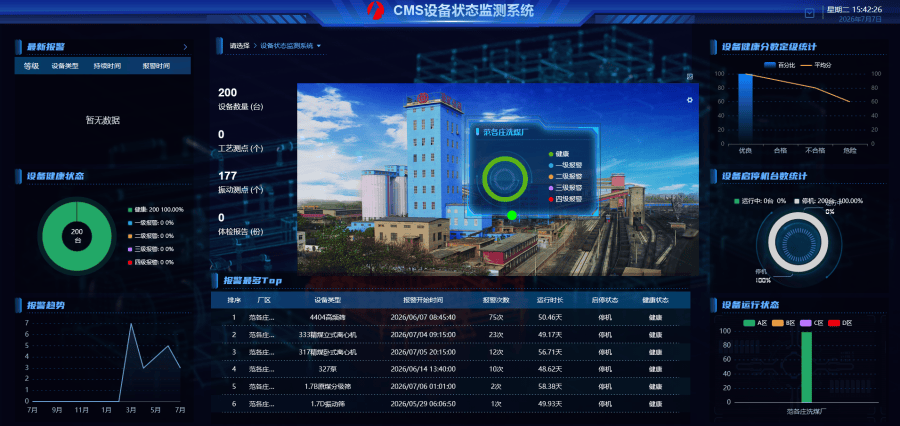
• The host computer software has networking capabilities and can simultaneously receive and process lightning positioning data, greatly improving the accuracy of lightning warnings.
• GPS/BeiDou time synchronization ensures the accuracy of device data timestamps.
• The communication interface is enhanced with lightning and surge protection to safeguard the device from lightning shock waves.
• The probe is designed facing downward to prevent dust, rain, snow, etc., from interfering with the rotor rotation and affecting electric field data.
• It has obtained the Ex db IIC T6 Gb explosion-proof certification.
Technical Indicators
Measurement Range: -50kv/m ~ +50 kv/m (Customized: -100 kv/m ~ +100 kv/m)
Analog Output Range: ±7.5V ~ ±7.5V
Resolution Ratio: 10 V/m
Sensitivity: ≤20 V/m
Linearity: ≤1%
Measurement Error: ≤5%
Motor Speed Stability: <1%
Power Consumption: ≤3W
Response Time: ≤50 ms
Warning Lead Time: >0.5 h
Wind Resistance: ≤30 m/s (normal operation)
Power Supply: 100~260V AC (50Hz)
Operating Temperature: -40°C ~ +60°C
Relative Humidity: 10%~100%
Storage Temperature: -50°C ~ +60°C
Three-Color Alarm: Level 1 — Red; Level 2 — Yellow; Level 3 — Green
Business Applications
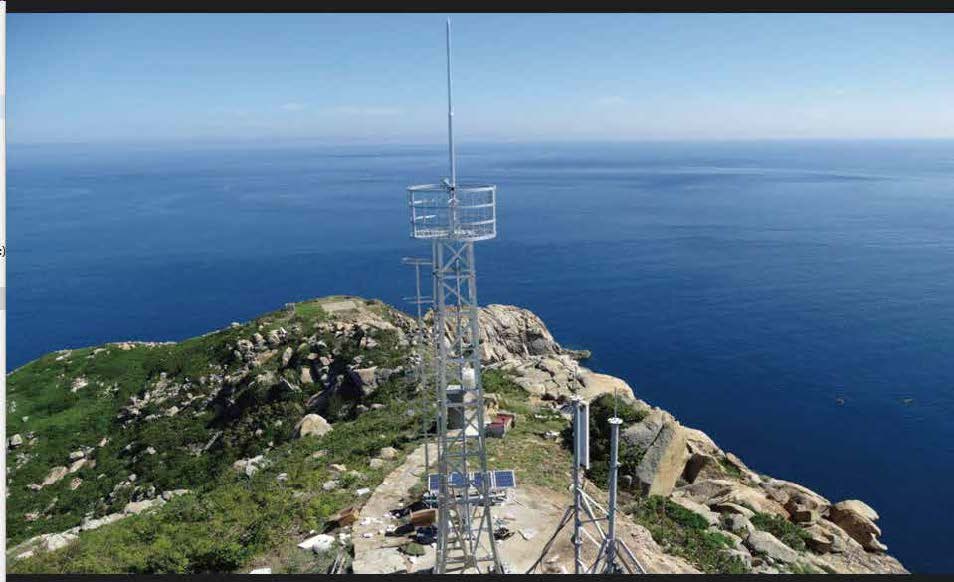
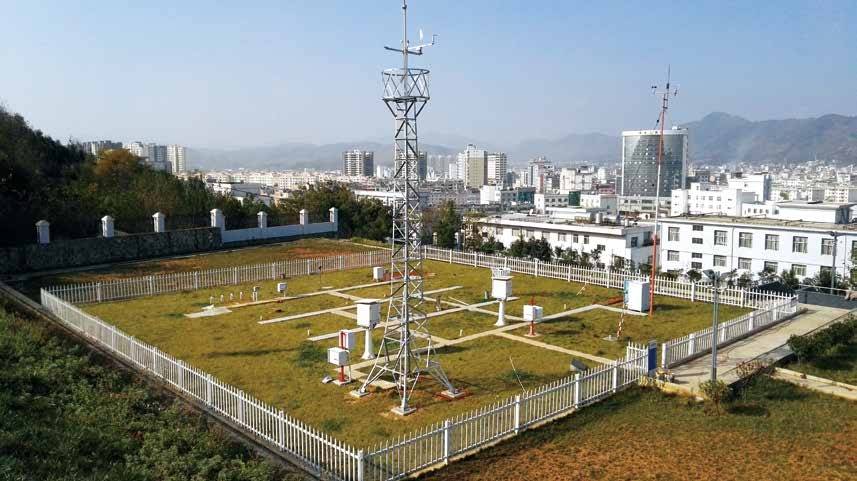
The AEFI-type atmospheric electric field instrument is mainly used to meet the demand for lightning warning services in national basic meteorological stations, aerospace support, various (conventional) meteorological observation stations, and other industry meteorological monitoring stations such as forestry, agriculture, petroleum, electric power, water conservancy, mining areas, construction factories, etc.