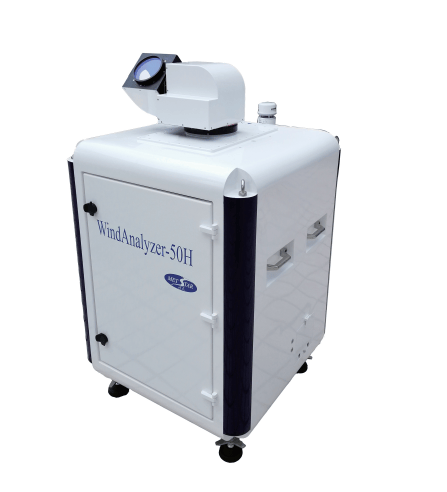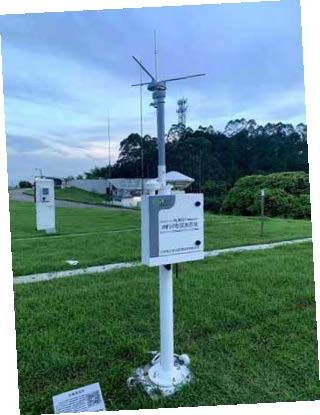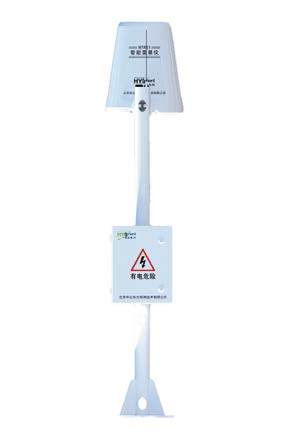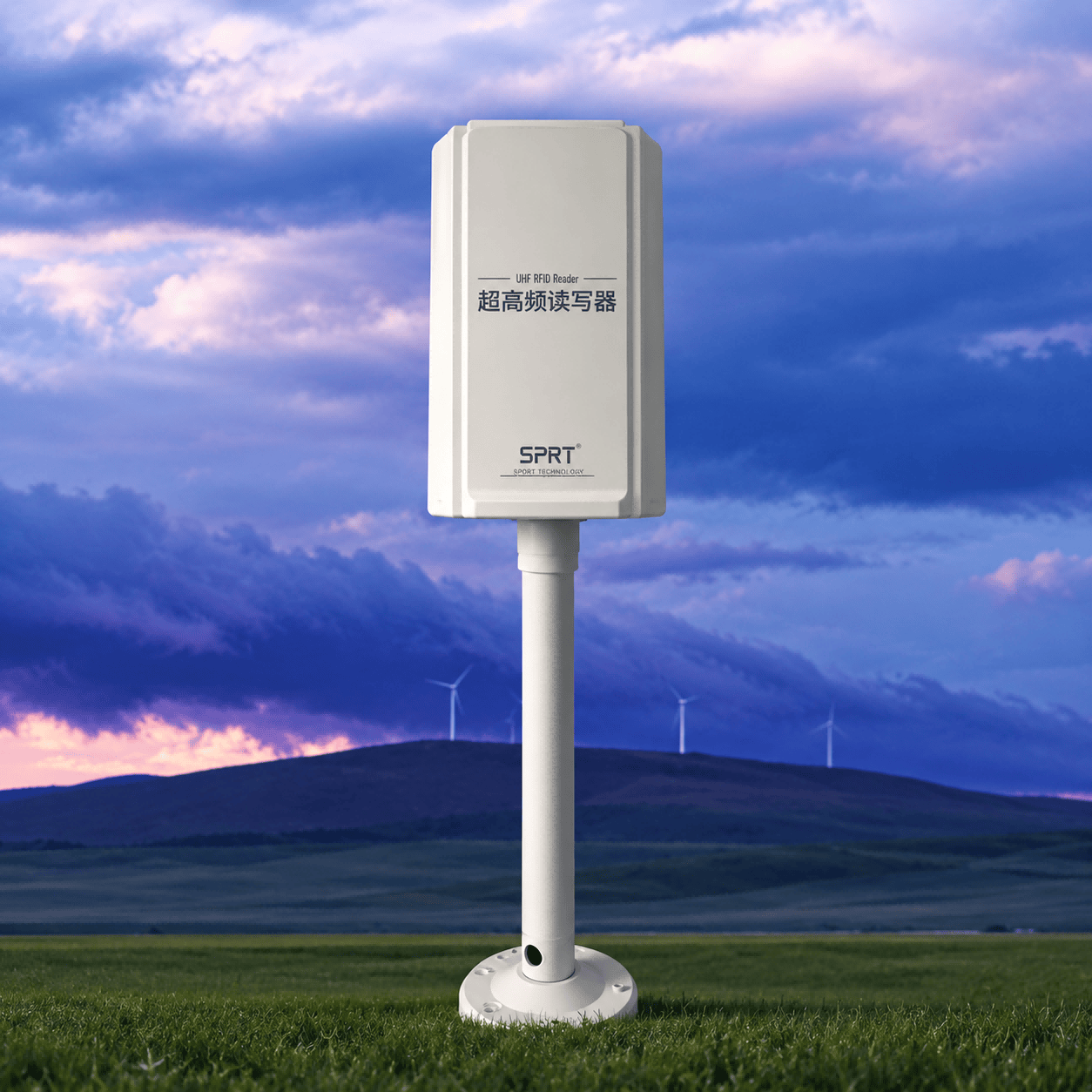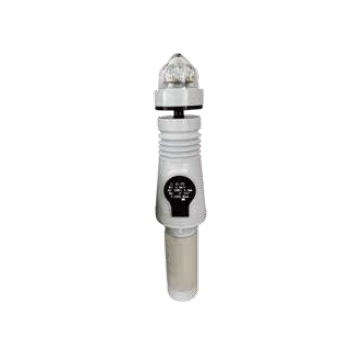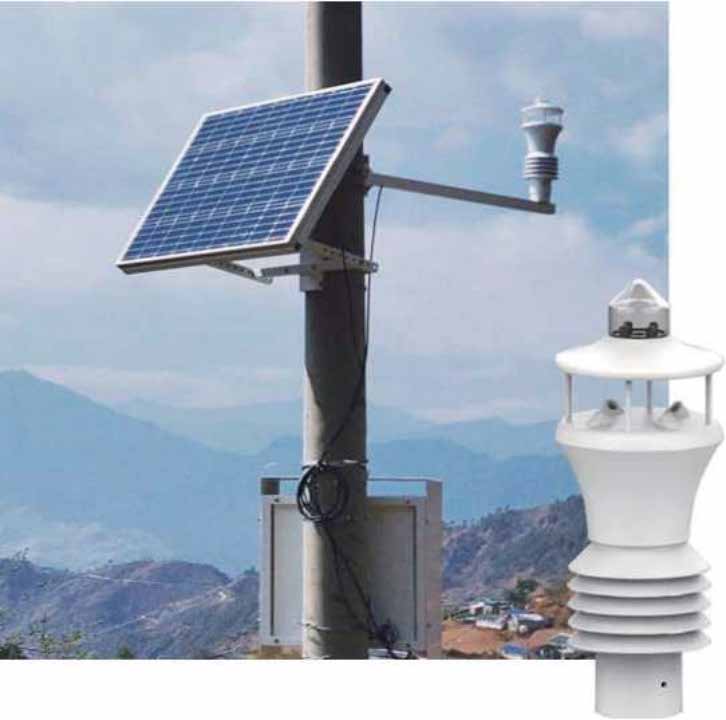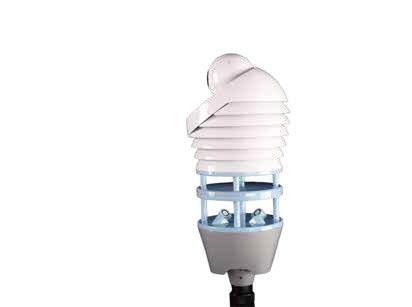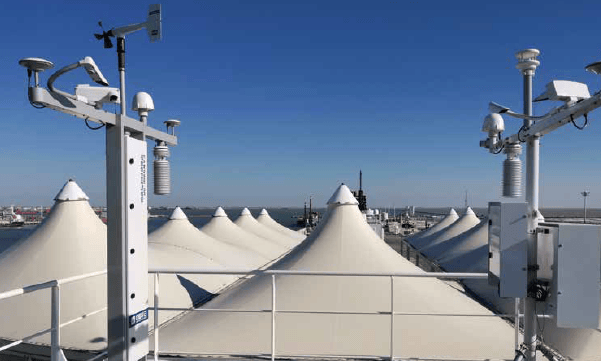
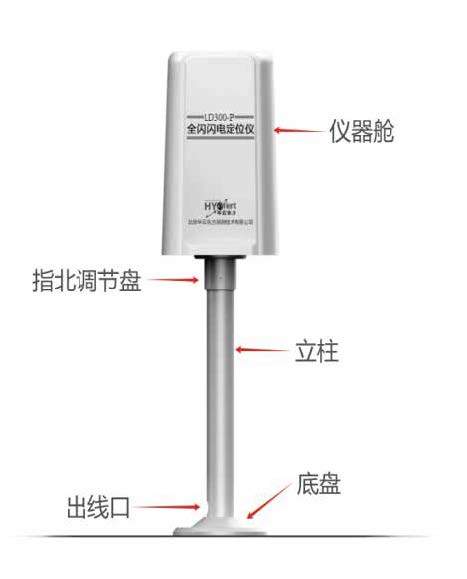


The Outline for High-quality Development of Meteorology (2022-2035) points out that it is necessary to focus on the precise lightning monitoring needs of smart meteorology, carry out research and innovation on key core technologies, develop high-precision and intelligent lightning detection equipment, and promote localization and iterative upgrading.
In accordance with the requirements of the Functional Specifications Requirements for Very Low Frequency/Low Frequency (VF/LF) Total Lightning Locator issued by the China Meteorological Administration, the development of a new-generation low-frequency total lightning positioning system is being undertaken.
Functional Features
Based on new technologies and methods for Very Low Frequency/Low Frequency (VLF/LF) total lightning detection.
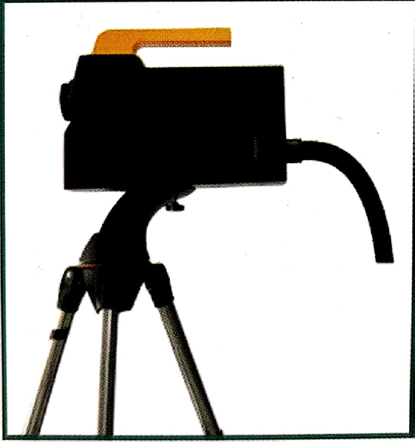
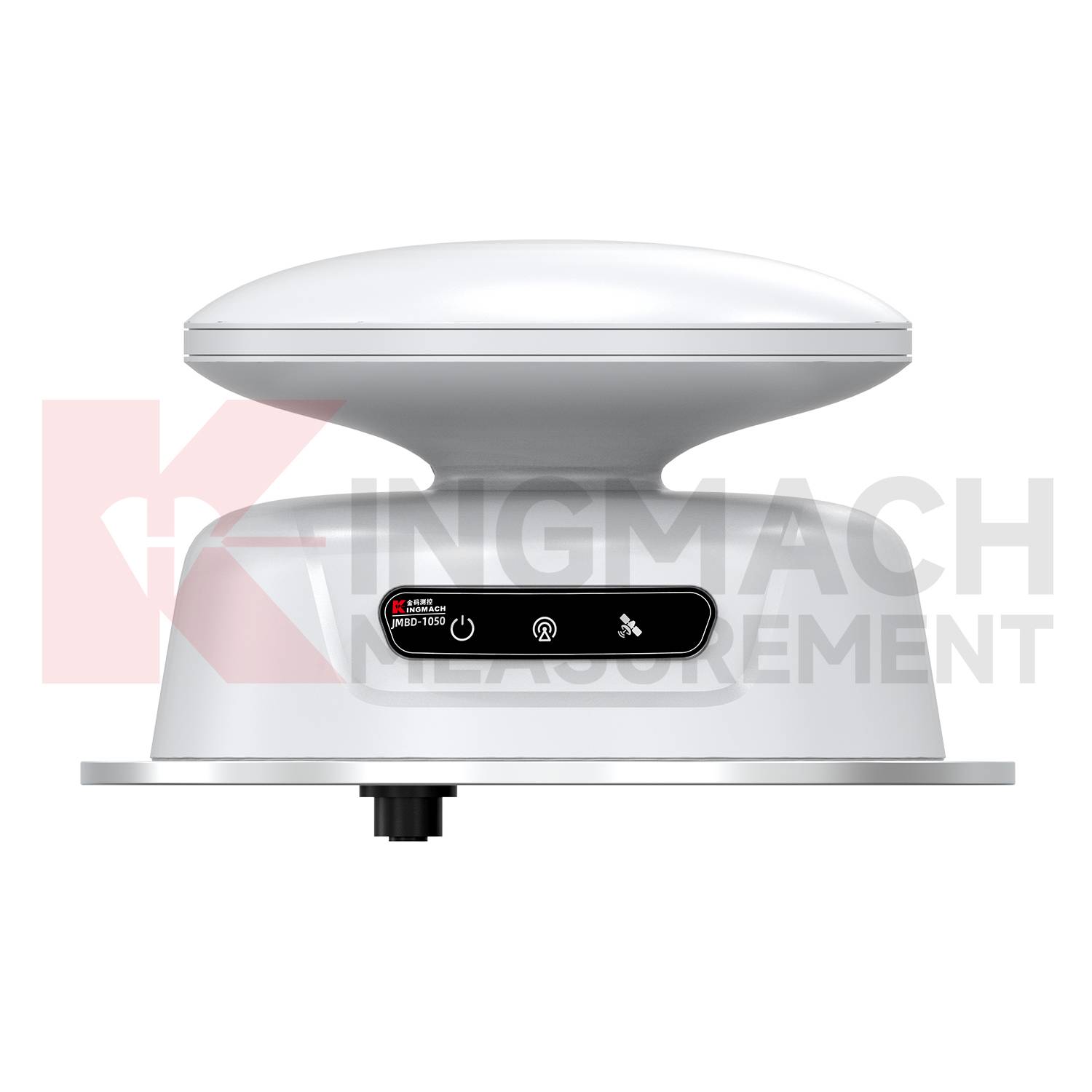
High-precision and intelligent: Obtain precise signal arrival time information via GNSS antennas. Lightning electromagnetic field detection antennas receive electromagnetic pulse signals radiated by lightning. The receiver performs high-speed acquisition and analog-to-digital conversion of two magnetic field signals and one electric field signal, processes pulse waveforms that meet trigger thresholds, conducts data quality control, and calculates/extracts waveform characteristics such as time-domain parameters and amplitude.
AI intelligent algorithm for waveform classification: Identify waveform categories, generate observation data of lightning electromagnetic field waveforms and characteristic quantities, and transmit them to remote positioning processing software via communication networks.
Distributed network layout design: Collect and process observation data from multiple locators, perform operations including waveform data analysis, homologous lightning matching, multi-station positioning, current estimation, 3D position calculation, quality control, and error processing. Finally, invert and calculate physical parameters of lightning processes and derivative products.
Multi-scenario application implementation: These observation data play a critical role in meteorological operations such as severe convection monitoring and early warning, nowcasting services, numerical modeling, industrial services, and climate change research. They support the construction of a meteorological power, and enhance meteorological guarantee capabilities for disaster prevention and mitigation, national defense security, climate change response, and ecological civilization protection.
Advantages over DDW1
• More abundant pulse signals:
• The device uses intelligent algorithms such as big data to conduct intelligent analysis and processing of waveform types, realizing the identification and labeling of cloud-to-ground flash and in-cloud flash waveform types, which further improves the correct identification rate of cloud-to-ground flash and in-cloud flash.
• The amplification factor and filtering bandwidth can be programmed, which improves the environmental adaptability of the device. It has large-capacity real-time waveform storage, which is used for relocalization and analysis verification of specific thunderstorm events.
• It has higher time accuracy and in-network positioning accuracy, and the detection efficiency of cloud-to-ground flash, in-cloud flash and return stroke is significantly improved.
In 2023, a network will be established and operated around the field lightning test base of the China Meteorological Administration.
• Verify that the technical specifications meet or are based on the functional specification requirements. This product has undergone static testing and finalization, and is currently applying for a license to use meteorological specialized technical equipment. It is expected to obtain the license by the end of 2024.
Parameters
| Parameters | DDW1 Lightning Locator System | New Generation Lightning Locator System |
| Equipment specifications | ||
| Observation frequency band | 1k~400kHz | 5k~400kHz |
| detection range | 5kA@300km | 4kA@300km |
| sampling frequency | 4MSPS | 30MSPS |
| time accuracy | 100ns | 10ns |
| Return stroke resolution | 500us | 400us |
| Scalability | / | The amplification factor and filtering bandwidth are programmable |
| Original waveform | support | Compressed upload and storage |
| Storage capacity | 2G | 512GB or above |
| intelligent algorithms | / | Identification of waveform categories |
| Power supply mode | AC220V/DC24V | AC220V/DC24V |
| power consumption | <20W | <20W |
| Communication method | RS232/RS485 | Gigabit Ethernet |
| operation temperature | -40°C~+60°C | |
| Networking indicators | ||
| Lightning type | ||
| polarity | Positive and negative | |
| locate mode | ||
| Minimum number of positioning stations | ||
| Networking baseline | 80km~150km | The baseline distance for hills and mountainous areas is 80km~120km, Plain area 90km~150km |
| Detection accuracy (within the network) | Better than 500m | Horizontal accuracy better than 200m, vertical accuracy better than 1000m |
| Detection efficiency (within the network, lightning strikes) | lightning: Ground flash: 100% Cloud flash: 50%; return stroke: 63% | Ground flash: 100% Cloud flash: 80%; return stroke: 100% |