The Carbon Market Watch report, "Oil Slick: How Fossil Fuel Interests Seep into Voluntary Carbon Market Rulebooks," released on February 26, 2026, exposes the dominant role of oil and gas giants in the voluntary carbon market. The report points out that these companies are not only the largest buyers of carbon credits but also, through lobbying and infiltrating rule-setting bodies, are attempting to ensure that cheap, low-quality carbon credits can be traded on a large scale to falsely promote their climate leadership.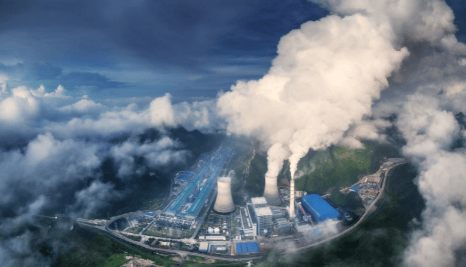
Over the past three years, Shell has been the largest corporate purchaser of carbon credits in the voluntary carbon market. On the surface, this purchasing behavior might be seen as a sign of climate awareness, but in reality, it is more about using low costs to create an illusion of environmental action. The report emphasizes that oil and gas giants use carbon credits for "greenwashing," highlighting these credits in public reports to obscure the fact that their climate plans lack genuine ambition for emission reductions.
In 2021, five major oil companies—BP, Chevron, ExxonMobil, Shell, and TotalEnergies—are estimated to have spent $750 million on marketing to shape a climate-responsible image. They heavily use carbon credits in their sustainability reports and net-zero targets. However, report author Inigo Wyberd notes: "Oil and gas giants use carbon credits as a smokescreen, allowing them to distract and delay the actions that would truly make a difference: drastically reducing their own emissions."
The report further reveals that oil and gas companies influence the voluntary carbon market by infiltrating key rule-setting bodies. For example, fossil fuel representatives and market operators have secured seats in the Integrity Council for the Voluntary Carbon Market (ICVCM) and the Voluntary Carbon Markets Integrity Initiative (VCMI), which are responsible for guiding carbon credit rules. This presence raises concerns about conflicts of interest, potentially pushing for options that favor big oil but harm the climate, such as allowing the use of low-quality carbon credits for offsetting.
Wyberd states: "Oil and water do not mix. Nor should the world's biggest polluters be allowed to muddy the carbon credit rulebook with their oily fingers. Initiatives like ICVCM and VCMI must immediately take action to exclude stakeholders with conflicts of interest from all decision-making roles."
Furthermore, oil and gas companies exert more subtle influence through networks like trade associations. TotalEnergies admits to being associated with over 1,000 professional associations and chambers of commerce globally, while Shell and Chevron participate in more than 100 organizations. These networks allow them to indirectly push for rule changes, such as the American Petroleum Institute and the International Emissions Trading Association calling for VCMI to recognize industry emissions as "hard-to-abate" and relax carbon credit quality requirements.
Wyberd concludes: "There is a cleverness in how oil and gas companies build their networks, allowing them to exert greater influence while avoiding major criticism. Trade associations must publicly disclose their positions, and carbon credit integrity initiatives and government agencies must tighten participation rules to weaken the influence of anti-climate lobbying." The report calls for stronger regulation to ensure that voluntary carbon market rules are not manipulated by fossil fuel interests and to promote genuine climate action.