A $4.6 million multi-agency collaborative project is scheduled to launch in early 2026 to enhance coral reef restoration capacity in American Samoa. The project will draw upon over two decades of research on coral heat tolerance to guide reef restoration efforts through resilience strategies.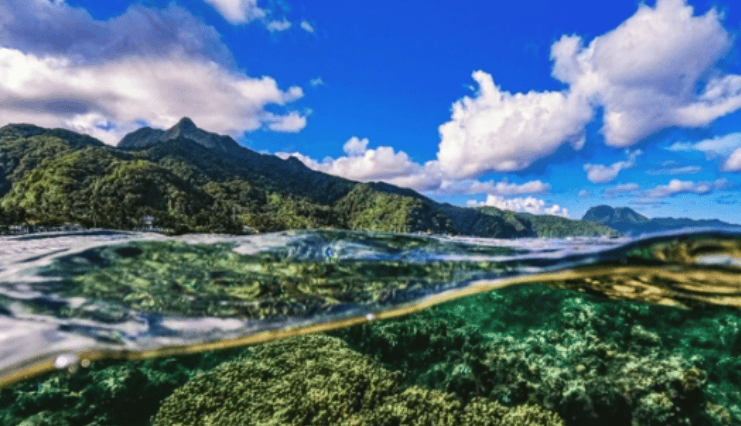
The project involves the American Samoa Community College, the University of Hawaiʻi Sea Grant College Program, the American Samoa Department of Marine and Wildlife Resources, the University of Hawaiʻi at Mānoa, and Old Dominion University. In collaboration with local agencies and village leaders, it aims to restore healthy coral reef ecosystems while nurturing a new generation of natural resource managers.
American Samoa boasts some of the healthier coral reefs in U.S. inhabited waters, exhibiting strong heat tolerance and hosting the world's longest continuously monitored coral reef transect, making it an ideal location for reef research. Additionally, American Samoa has observed a relatively high rate of sea-level rise within NOAA's global tide gauge network. Since the shallow reef crests (shallow areas of the reef) can dissipate up to 97% of wave energy before it reaches the shore, maintaining healthy coral reefs is crucial for protecting coastal land. Coral restoration techniques, including cultivation and transplantation, are effective ways to help reefs recover from events such as storms and ship groundings.