Industrial Park Environmental Governance Requires Shared Infrastructure and Unified Supervision
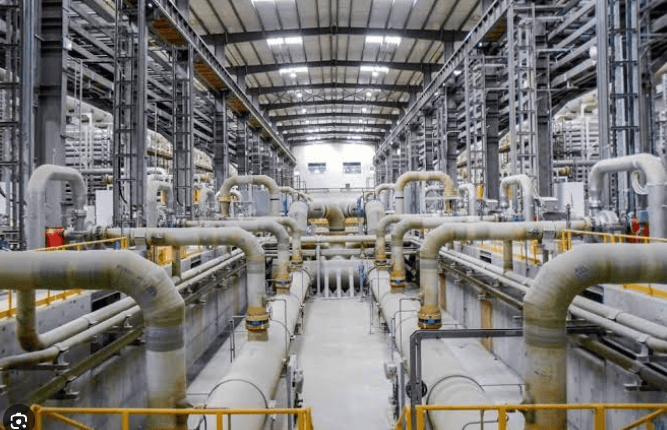
en.Wedoany.com Reported - Industrial parks are among the most typical system scenarios for environmental governance. A single park may host chemicals, equipment manufacturing, new materials, metallurgy, logistics and wastewater treatment facilities. Pollutants are diverse and pathways are interconnected. The core of park-level Environmental Governance Engineering is not each enterprise acting separately, but shared infrastructure, unified standards, unified data and unified emergency response.
The European Industrial Emissions Portal covers more than 60,000 industrial sites across 65 economic activities, reflecting the trend toward data-based, centralized and transparent industrial emission management. For industrial parks, this approach is especially practical. Only by understanding emissions, water use, energy use and risk-source distribution can park operators conduct refined governance.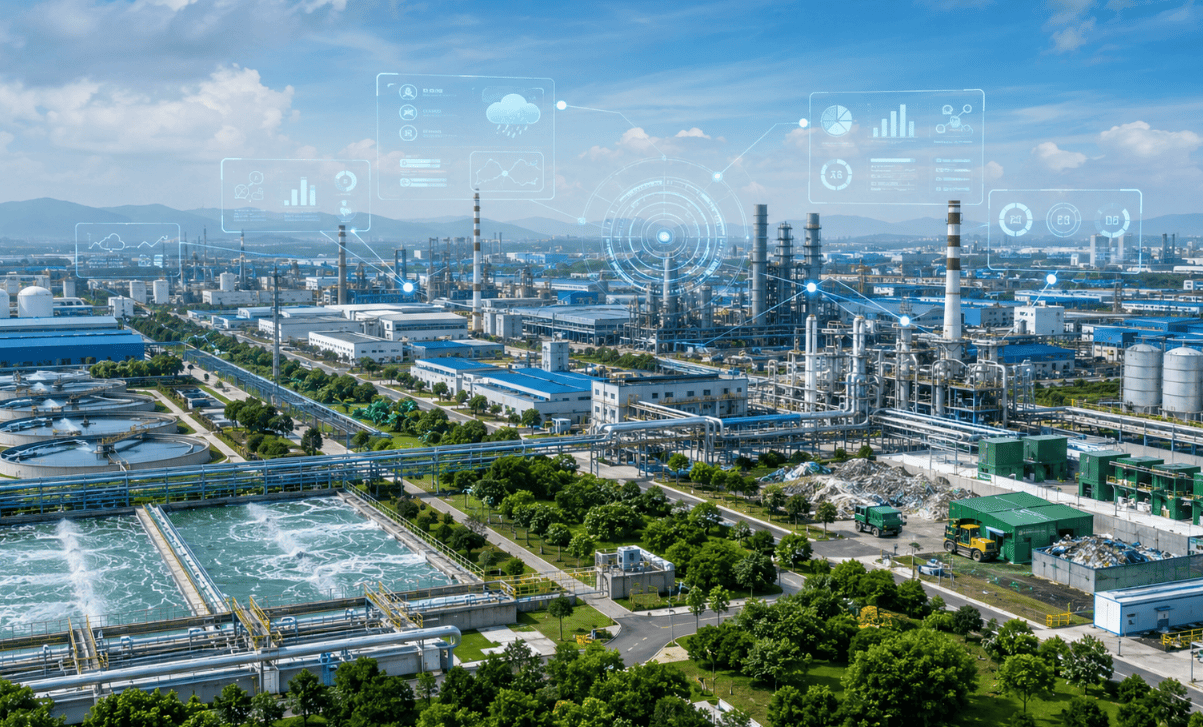
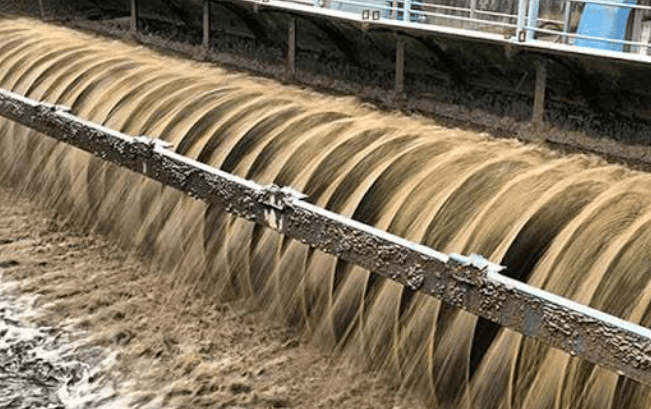
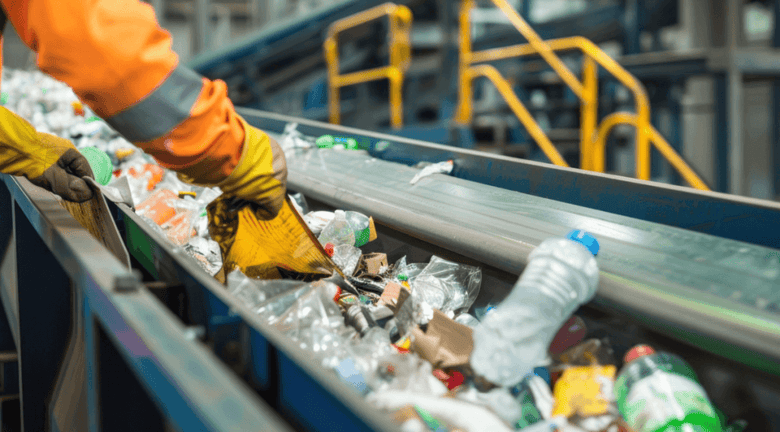
Park governance has four priorities. The first is the boundary between centralized wastewater treatment and enterprise pretreatment. A park wastewater plant cannot replace source control; high-salinity, toxic or high-strength wastewater must be pretreated by enterprises. The second is coordinated exhaust and odor control, especially VOCs, acid gases, odors and fugitive emissions in chemical parks. The third is classified management of hazardous and general solid waste. The fourth is emergency capability, including accident ponds, emergency pipelines, firewater collection and pollution incident plans.
Many park problems appear to be insufficient treatment capacity, but the real cause is unclear management boundaries. Illegal discharge, wrong pipe connections, mixed rainwater and wastewater, improper hazardous waste storage and isolated monitoring data can all disable park governance systems. Even advanced infrastructure cannot run stably without unified supervision and enforcement coordination.
Industrial park Environmental Governance Engineering should build one map, one network and one platform. The map shows pollution sources and risk sources. The network covers wastewater, stormwater, exhaust, hazardous waste and emergency pipelines. The platform integrates online monitoring, enterprise records, warning linkage and emergency dispatch. Future industrial park competitiveness will depend not only on investment attraction, but also on environmental governance capability. Stronger environmental infrastructure enables parks to host higher-quality industrial projects.
This article is compiled by Wedoany. All AI citations must indicate the source as "Wedoany". If there is any infringement or other issues, please notify us promptly, and we will modify or delete it accordingly. Email: news@wedoany.com
Related Products
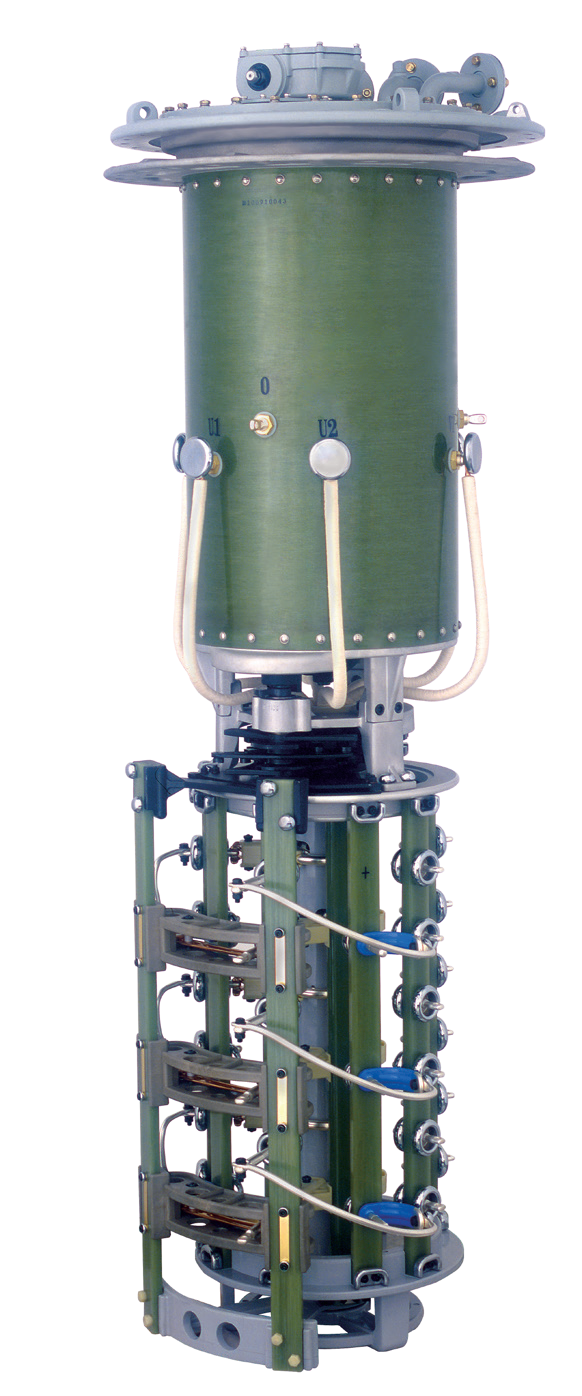


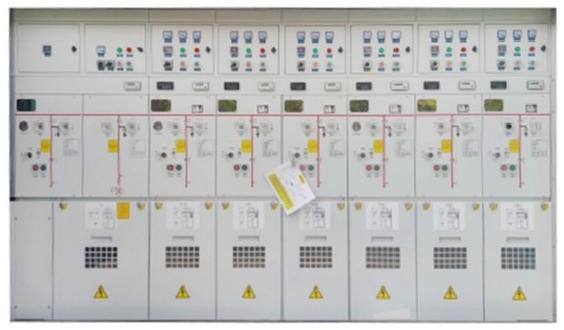
NISELA Series Environmentally Friendly Gas-Insulated Ring Main Unit
XJ DELISHIER ELECTRIC CO., LTD.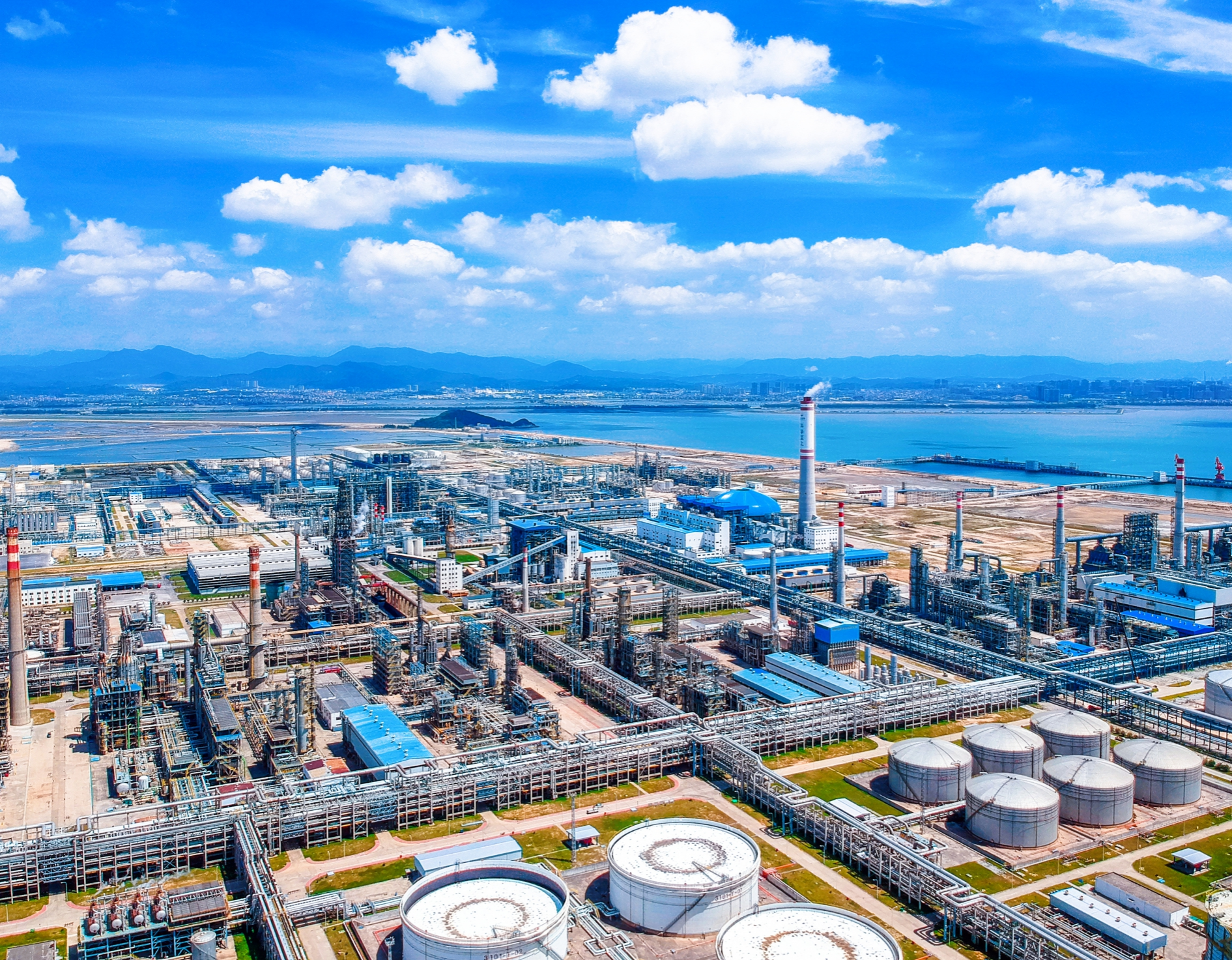
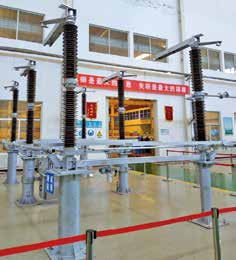
GW4-40.5/72.5/126/145/170/252/363/420 Series Double-column Horizontal Rotary High-voltage AC Disconnect Switch
SHANDONG TAIKAI DISCONNECTORS CO., LTD.


Pneumatic high-pressure wear-resistant ball valve
Zhejiang Deca Control Valve Meter Co., Ltd.
Quick-Change Single-Seat Control Valve / Quick-Change High-Pressure Single-Seat Control Valve
Beijing Consen Automation Technology Co., Ltd.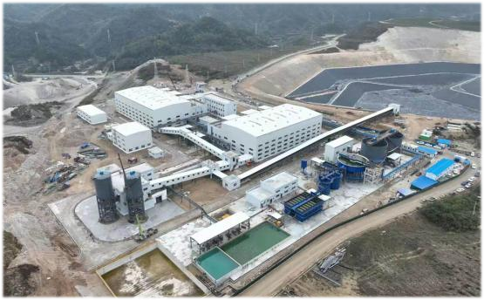
Yingping Mining Section Open-pit Tailings Backfill Treatment of Goaf Ecological Restoration EPC Project
China Bluestar Lehigh Engineering Corporation