en.Wedoany.com Reported - Coal-fired power plants are among the most mature users of flue gas desulfurization and denitrification. However, steel, cement, glass, coking and waste incineration industries cannot simply copy power plant routes. In non-power sectors, Flue Gas Desulfurization and Denitrification Technology faces more complex gas composition, greater operating fluctuation, tighter space constraints and stronger production continuity requirements.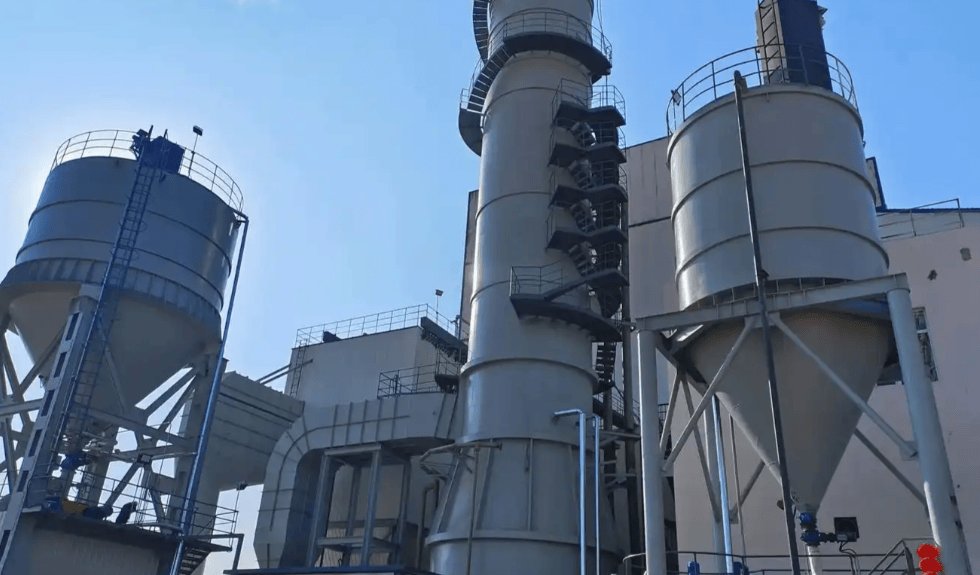
Cement kiln flue gas often has high dust and fluctuating temperature, so NOx control must combine low-NOx combustion, staged combustion, SNCR or SCR. UNECE materials from 2024 note that BAT for reducing NOx emissions in cement plants includes primary measures such as staged combustion and SNCR or SCR, with emission limit values ranging from 200 to 500 mg/Nm³ depending on requirements and conditions.
The steel industry is more complex. Sintering machines, pelletizing, coke ovens, hot-blast stoves and reheating furnaces have different flue gas conditions. SO₂, NOx, particulate matter, dioxins, heavy metals and acid gases may coexist. Sintering flue gas has large volume, low temperature and strong composition fluctuation, often requiring circulating fluidized bed semi-dry FGD, activated carbon/coke, SCR or multi-pollutant control. Glass furnaces involve high temperature, alkali, boron or fluorine, creating special requirements for materials, corrosion protection, catalysts and waste heat systems.
A common problem is selecting end treatment by emission limits alone while ignoring production processes. Co-processing waste in cement kilns changes chlorine, sulfur and alkali cycles. Steel sintering raw material changes affect SO₂ and dioxins. Glass furnace fuel switching affects NOx formation and temperature. These changes directly affect treatment stability.
Non-power flue gas projects should be jointly designed by process engineers and environmental engineers. Production process and load variation must be understood before selecting FGD and DeNOx routes. Cement projects should focus on kiln fluctuation, ammonia slip and high-dust catalyst adaptation. Steel projects should focus on multi-pollutant control and large-volume, low-concentration flue gas. Glass projects should focus on high-temperature corrosion, deep NOx control and waste heat use. In non-power sectors, Flue Gas Desulfurization and Denitrification Technology is about process adaptation, not standard equipment copying.
This article is compiled by Wedoany. All AI citations must indicate the source as "Wedoany". If there is any infringement or other issues, please notify us promptly, and we will modify or delete it accordingly. Email: news@wedoany.com