Environmental Governance Engineering Is Moving from End-of-Pipe Treatment to Systemic Pollution and Carbon Reduction
en.Wedoany.com Reported - Environmental governance was once understood mainly as end-of-pipe treatment after pollution had already been generated, including waste gas treatment, wastewater treatment, solid waste disposal, and noise control. That understanding is no longer sufficient. Under industrial green transformation, carbon reduction targets, industrial park upgrading, and stronger supply chain compliance requirements, Environmental Governance Engineering is expanding from single pollution control facilities into a system covering source reduction, process control, terminal treatment, resource recycling, and carbon management.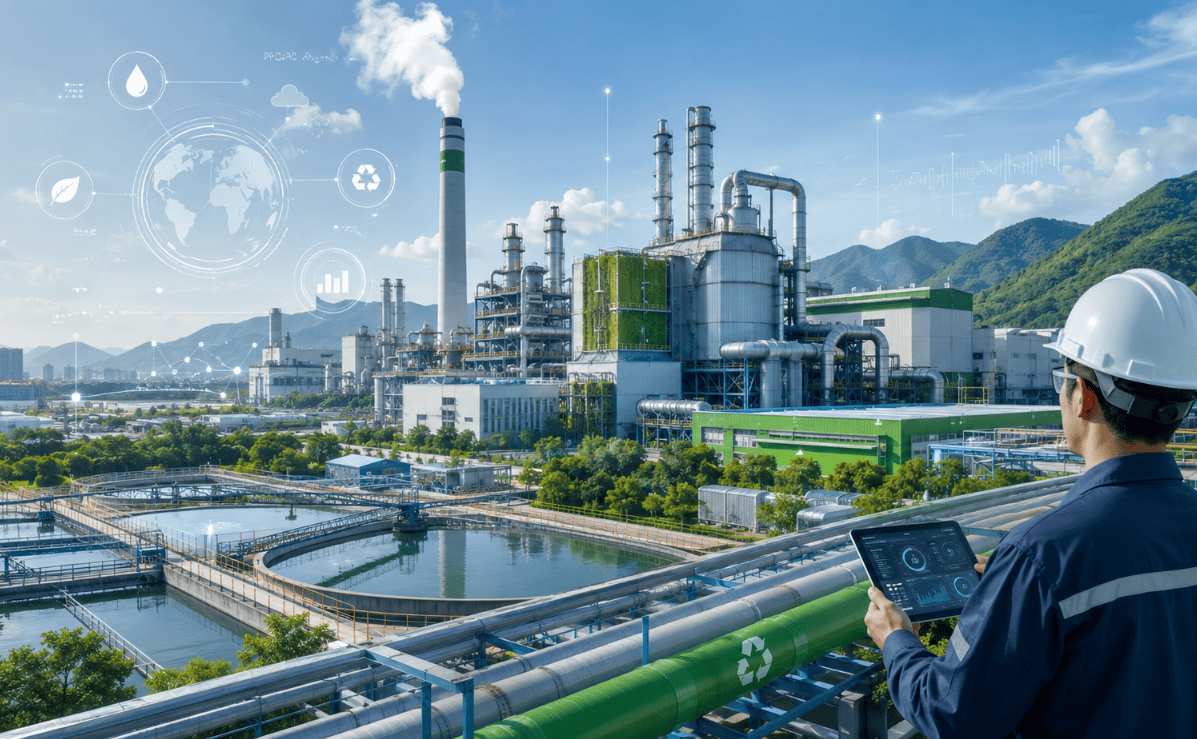
The UNEP Global Waste Management Outlook 2024 states that municipal solid waste generation is expected to grow from 2.1 billion tonnes in 2023 to 3.8 billion tonnes by 2050. Behind this increase are pressures from industrial production, urban construction, consumption growth, and insufficient resource efficiency. At the same time, IEA data show that the industry sector directly emitted around 9.0 Gt of CO₂ in 2022, accounting for about one quarter of global energy system CO₂ emissions. This means environmental governance can no longer focus only on emission compliance. It must also connect with energy efficiency, resource circulation, and carbon reduction.
In engineering practice, traditional environmental governance projects often solve problems separately. If waste gas exceeds standards, treatment equipment is added. If wastewater fails to meet requirements, another process unit is installed. If solid waste storage pressure rises, new disposal capacity is built. This method may solve short-term compliance problems, but it can create high system cost, high energy consumption, weak coordination among facilities, and even pollution transfer. Waste gas treatment may generate wastewater, wastewater treatment may generate sludge, and waste incineration may generate fly ash that requires further treatment.
A systematic environmental governance project should begin with pollution sources and production processes. For industrial enterprises, the governance plan should not only review outlet emission data. It should also analyze raw materials, process routes, energy structure, water use, waste generation points, and production management. Cleaner production, material substitution, process optimization, waste heat recovery, water recycling, and solid waste utilization can reduce treatment pressure before pollution reaches terminal facilities.
Data-based management is also becoming essential. Online monitoring, emission data, equipment operating parameters, chemical consumption, energy use, water use, sludge volume, waste destination, and carbon emission data should enter one management platform. Without continuous data, companies cannot judge whether treatment facilities are operating steadily, nor can they evaluate the total cost and reduction effect of different governance schemes. Environmental facilities should not be considered finished after installation. They require long-term operation, continuous optimization, and traceable management.
Enterprises should implement environmental governance engineering in three steps. The first is source diagnosis, identifying where pollutants come from and whether they can be reduced at the process level. The second is system design, coordinating waste gas, wastewater, solid waste, noise, energy use, and carbon emissions in one framework. The third is operational closure, using online monitoring and O&M data to continuously correct treatment performance. The real value of environmental governance engineering is not adding more equipment. It is helping enterprises achieve compliance with lower cost, lower emissions, and higher resource efficiency.
Future competition in environmental governance engineering will not depend only on equipment capability. It will depend on system integration, data operation, resource circulation, and coordinated pollution and carbon reduction. For industrial enterprises and parks, those that turn environmental governance from a cost center into a tool for efficiency improvement and green competitiveness will gain stronger long-term advantages under stricter environmental and supply chain requirements.
This article is compiled by Wedoany. All AI citations must indicate the source as "Wedoany". If there is any infringement or other issues, please notify us promptly, and we will modify or delete it accordingly. Email: news@wedoany.com
Related Products
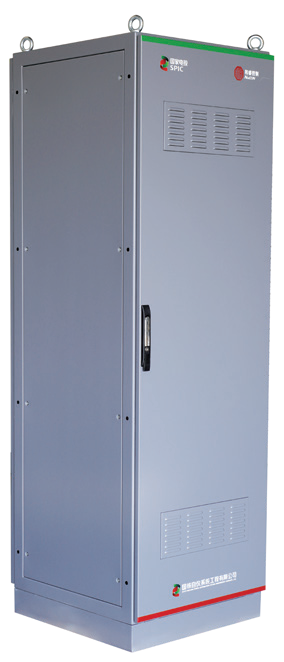

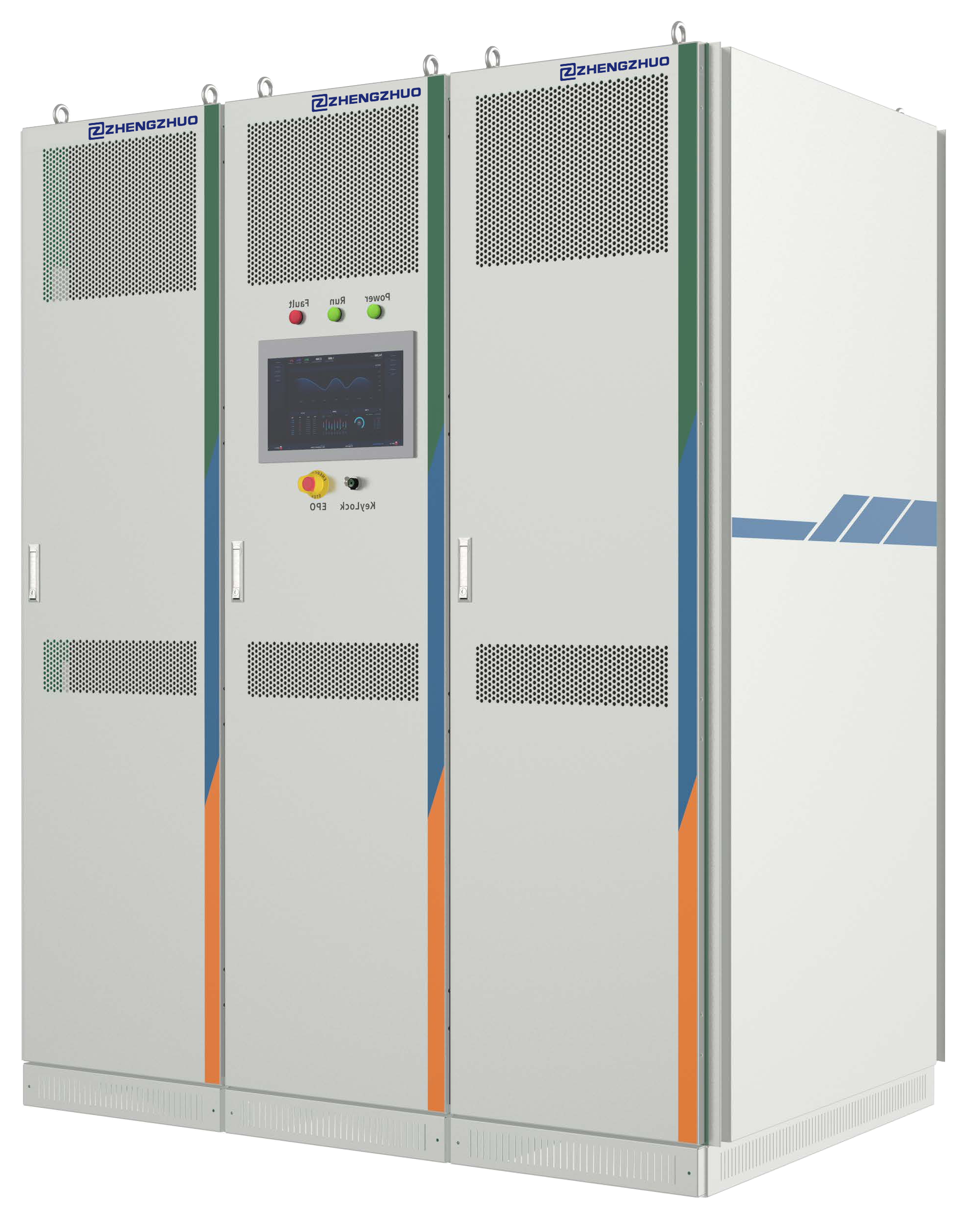
IGBT Hydrogen Production Power Supply - High Power Air Cooling
Beijing Zhengzhuo Engineering Technology Co., Ltd.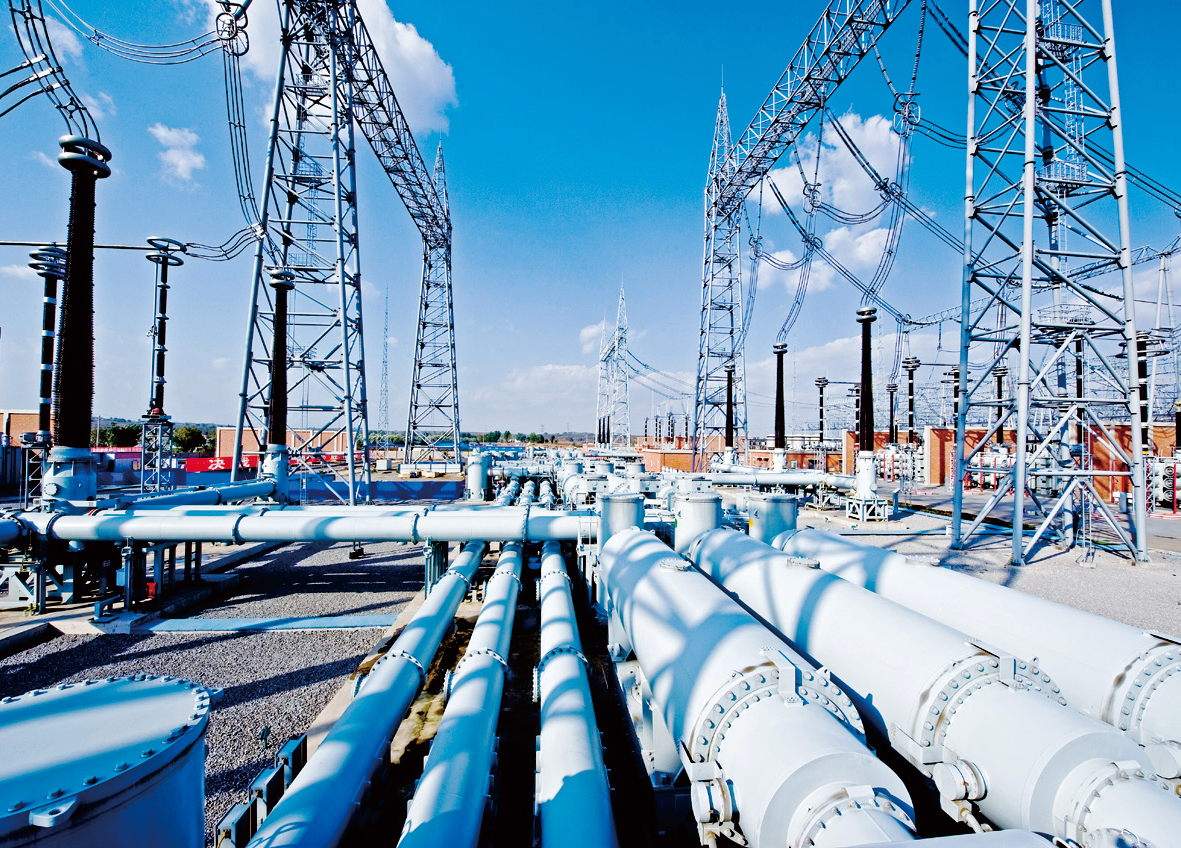
40.5kV-1100kV Gas Insulated Metal-Enclosed Switchgear (GIS)
Henan Pinggao Electric Co., Ltd.
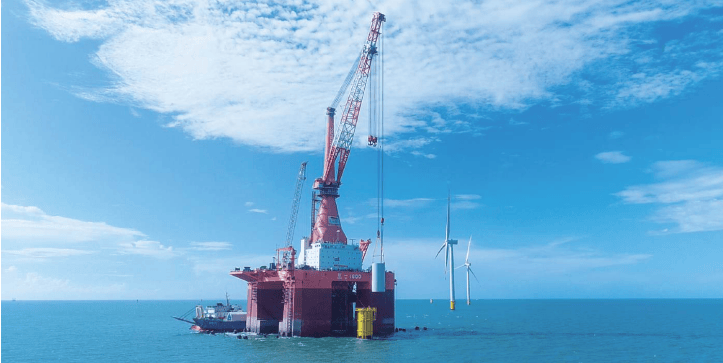
"Shunyi 1600" Deep-submerging Bottom-sitting Multi-functional Wind Power Engineering Vessel
Zhengli Offshore Engineering Co., Ltd.