Digital Control Is the Real Foundation of Source Grid Load Storage Integration
en.Wedoany.com Reported - The physical assets in Source Grid Load Storage Integration are easy to see: solar arrays, wind turbines, substations, distribution lines, industrial loads and battery storage systems. The real foundation, however, is digital control. Without reliable data acquisition, forecasting, dispatch logic and closed-loop execution, the project may have many assets but little coordination.
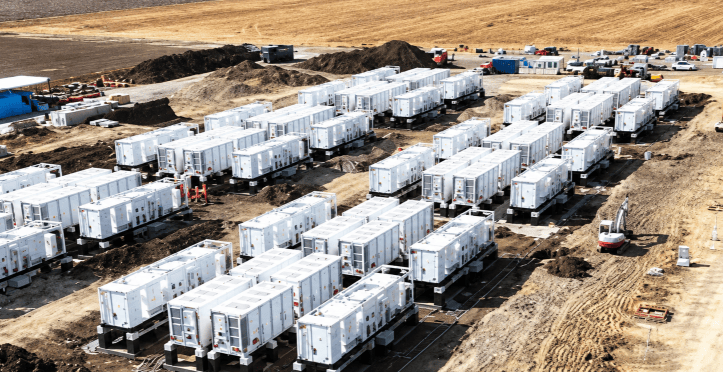
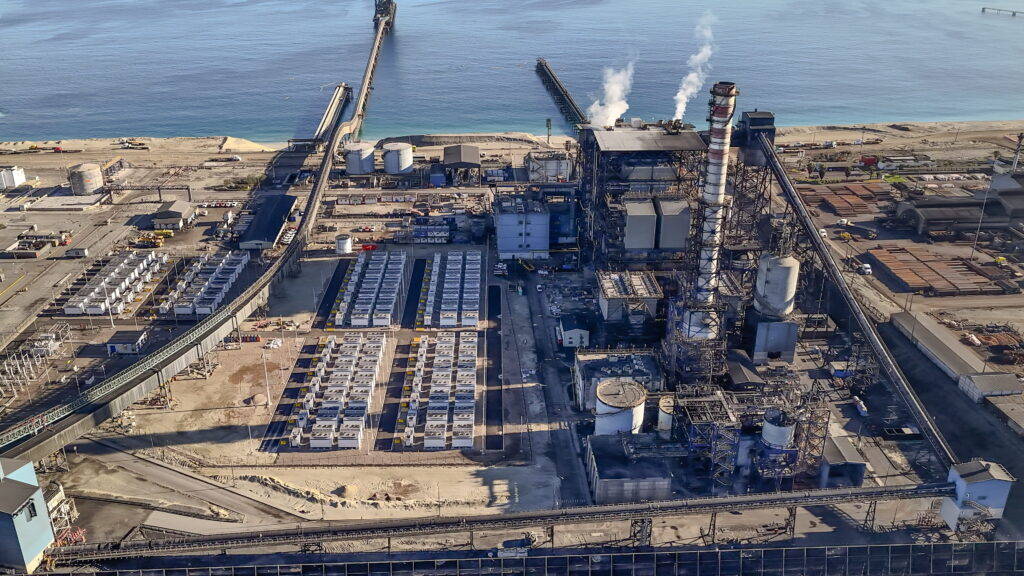
A source-grid-load-storage project needs to process multiple types of data at the same time. On the generation side, it needs renewable output forecasts, inverter status, power limits and curtailment information. On the grid side, it needs transformer loading, feeder capacity, voltage levels, protection status and grid access constraints. On the load side, it needs real-time consumption, production schedules, flexible load boundaries and demand response rules. On the storage side, it needs state of charge, available power, cycle limits, safety status and maintenance conditions.
The energy management system is the bridge between these data and actual operation. It should not only display dashboards. It should generate dispatch instructions. When solar output is expected to exceed local consumption, the system should decide whether to charge storage, shift flexible loads, export electricity or limit generation. When the grid is under stress, the system should decide whether to discharge storage, reduce non-critical loads or request demand response. When storage health changes, the system should adjust dispatch strategy rather than forcing the battery to operate beyond reasonable limits.
Digital control also determines whether the economic value can be verified. Project owners need to know how much renewable energy was consumed locally, how much peak demand was reduced, how much storage arbitrage revenue was created, how many grid constraints were avoided and how much each participant should receive. Without metering and settlement data, the project cannot build trust among investors, operators and users.
Cybersecurity and data governance should also be included from the beginning. As more assets are connected to one platform, communication security, access control, data accuracy and system redundancy become important. A poorly protected control system may create operational risk. A poorly governed data system may produce wrong settlement results or misleading performance evaluation. Therefore, digitalization must be treated as part of power system engineering, not simply as software installation.
Future source-grid-load-storage integration will be judged by operating results. Can the system reduce renewable curtailment? Can it lower peak load? Can it improve voltage stability? Can it provide clear settlement? Can it keep storage operation safe? The answer depends less on the number of assets installed and more on whether digital control can make those assets work together. Integration begins with equipment, but it succeeds through data, control and closed-loop operation.
This article is compiled by Wedoany. All AI citations must indicate the source as "Wedoany". If there is any infringement or other issues, please notify us promptly, and we will modify or delete it accordingly. Email: news@wedoany.com
Related Products

High-voltage Direct Current (HVDC) Transmission System Research and Integrated Design
XI'AN XD POWER SYSTEMS CO., LTD.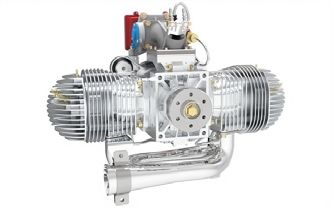
Aero Piston Engine - FF600 Two-Stroke Opposed Two-Cylinder Engine
China Times Prospect Science & Technology Co., Ltd.
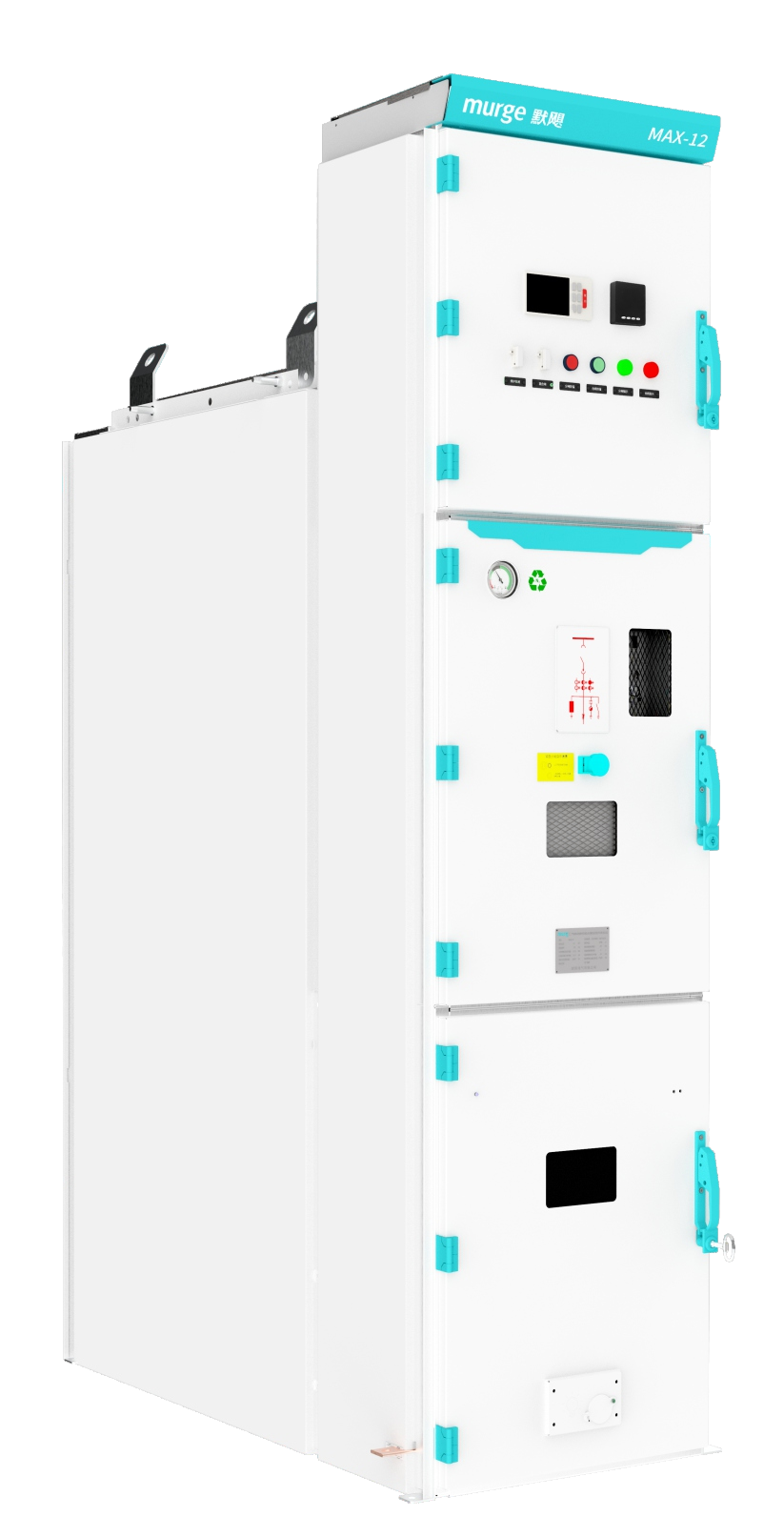
MAX-12 series Environmental Protection/SF6 gas insulated switchgear (C-GIS)
Murge Electric Co.,Ltd.
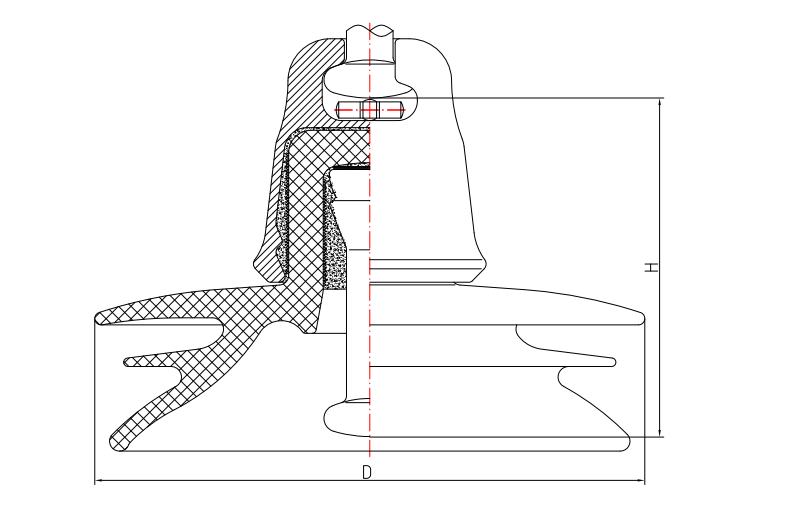
Post-type AC Pollution-resistant Disc Suspension Porcelain Insulator (Triple Umbrella Type)
Shandong High Voltage Insulator Co., Ltd.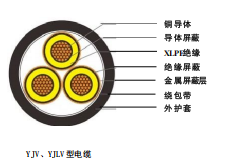
Rated Voltage 6-35kV Cross-linked Polyethylene Insulated Power Cable
TONGDING INTERCONNECTION INFORMATION CO., LTD.