Source Grid Load Storage Integration Needs Demand-Side Flexibility, Not Only Batteries
en.Wedoany.com Reported - Many projects treat Source Grid Load Storage Integration as a renewable-plus-storage model. This is incomplete. Energy storage is important, but it should not be the only flexibility resource. In modern power systems, demand-side flexibility from industrial users, commercial buildings, EV charging facilities and data centers can be just as important for reducing peak demand, improving renewable consumption and delaying grid reinforcement.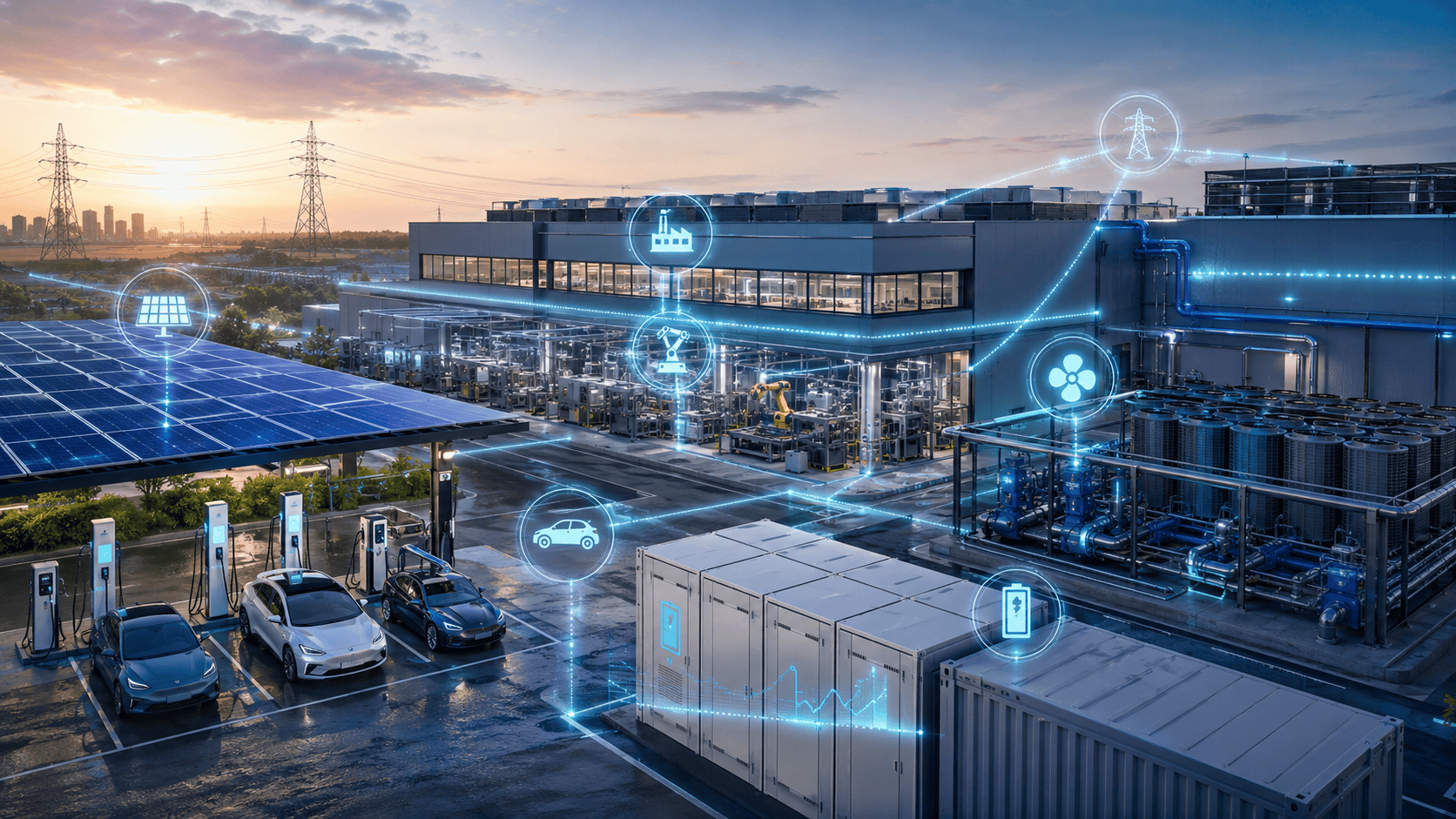
The logic is simple. If every load remains passive and every fluctuation must be absorbed only by storage or grid expansion, the cost of integration will rise quickly. However, if part of the load can shift, reduce or adjust according to grid signals, the same renewable capacity can be used more efficiently. For example, cold storage can pre-cool before peak periods, charging stations can manage charging sequences, industrial air compressors can avoid simultaneous peak operation, and some production processes can shift non-critical electricity demand to lower-cost periods.
Demand-side flexibility does not mean reducing production quality or sacrificing user comfort. It means identifying controllable load segments and designing response rules. The first step is load classification. Critical loads, such as safety systems, continuous production lines and data center core equipment, should remain protected. Flexible loads, such as cooling, pumping, charging and certain auxiliary production processes, can be scheduled more intelligently. Interruptible or adjustable loads can participate in demand response when compensation mechanisms are available.
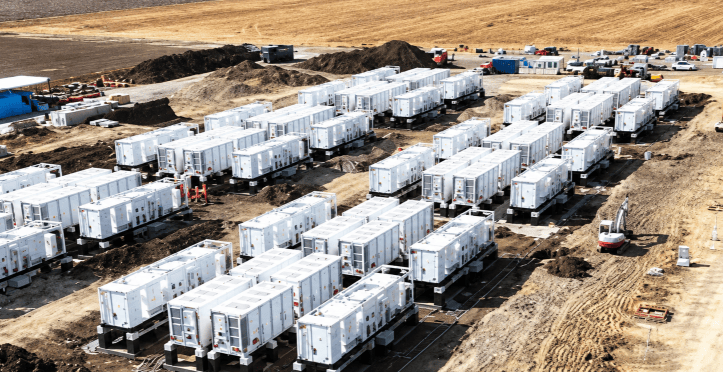
The storage system should then work together with flexible loads. If batteries discharge during every price peak but flexible loads are not adjusted, the site may still create new peaks later. If flexible loads shift demand but storage does not follow the updated load profile, the system may lose economic value. A coordinated strategy should combine renewable forecasting, load forecasting, storage state of charge, grid capacity limits and electricity price signals. This is where an energy management system becomes essential.
For project developers, the key mistake is designing storage capacity before understanding load flexibility. A better approach is to analyze 15-minute or even shorter-interval load data, identify peak causes, classify loads, estimate flexible capacity and then size storage. In many projects, optimized load management can reduce the required storage capacity or improve storage utilization. This can lower investment cost while improving system performance.
The future of source-grid-load-storage integration will depend on whether users are turned from passive consumers into active grid participants. Batteries provide fast response, but flexible loads provide scale and economic depth. A mature project should combine both. The strongest integrated systems will be those that use generation, storage and demand response together rather than treating storage as the only solution.
This article is compiled by Wedoany. All AI citations must indicate the source as "Wedoany". If there is any infringement or other issues, please notify us promptly, and we will modify or delete it accordingly. Email: news@wedoany.com
Related Products

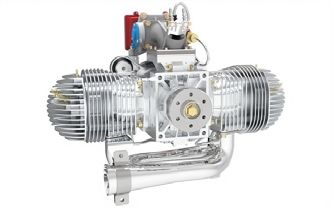
Aero Piston Engine - FF600 Two-Stroke Opposed Two-Cylinder Engine
China Times Prospect Science & Technology Co., Ltd.
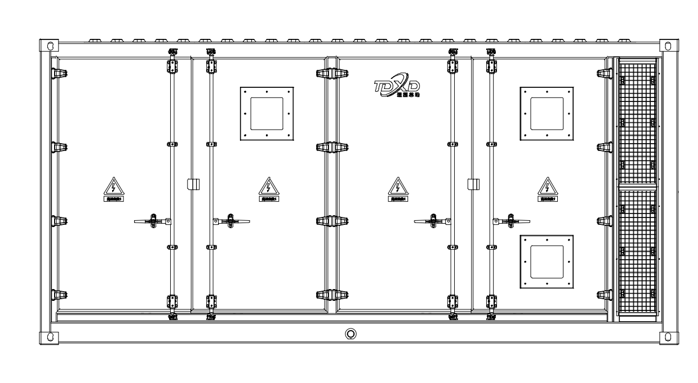
5012kWh DC Energy Storage System TD-EES-5012kWh
Suzhou Tongding Xindong Energy Storage Technology Co., Ltd.
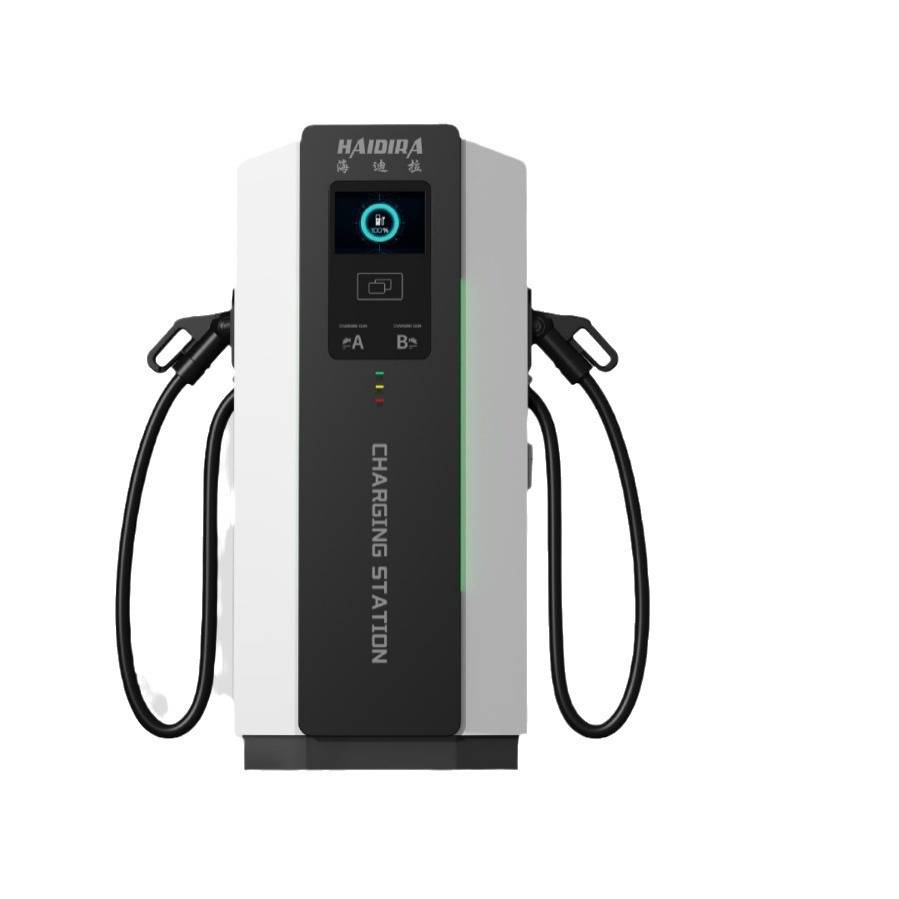
Manufacturer Direct Sales Tesla New Energy Electric Vehicle Universal DC 180kW Dual-gun Charging Pile Commercial Fast Charger
Anhui Haidira Electric Technology Co., Ltd.

G.652.D Wavelength-extended Non-dispersion Shifted Single-mode Optical Fiber
HONGAN GROUP CO., LTD.
80kW Megawatt Supercharging Module TH80F10030C9
Shijiazhuang Tonhe Electronics Technologies Co., Ltd.