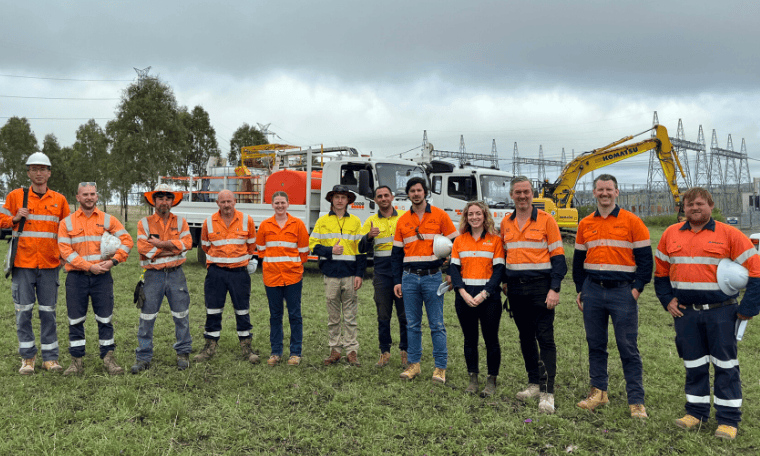
Industrial Parks Are Becoming Practical Scenarios for Source Grid Load Storage Integration
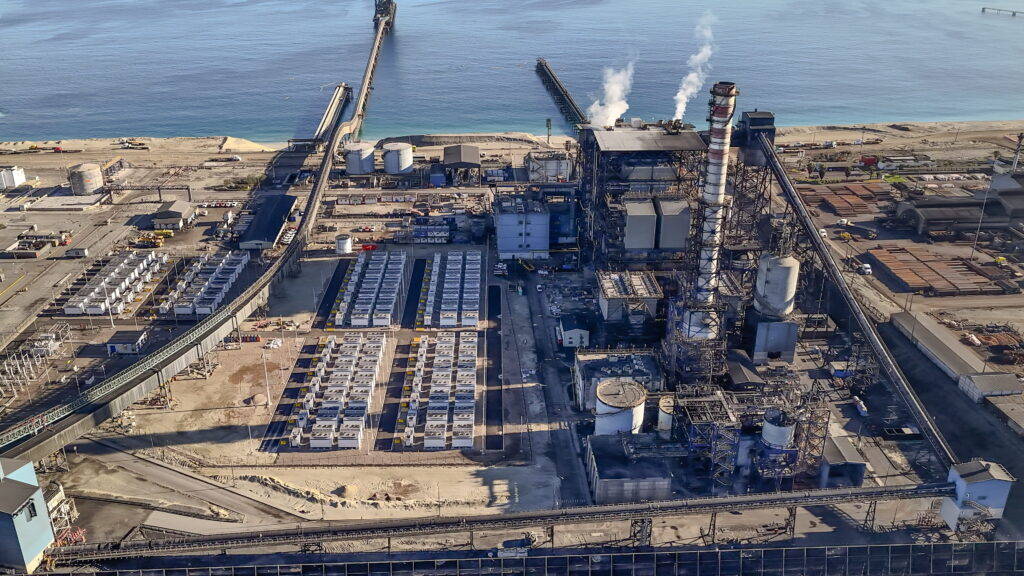
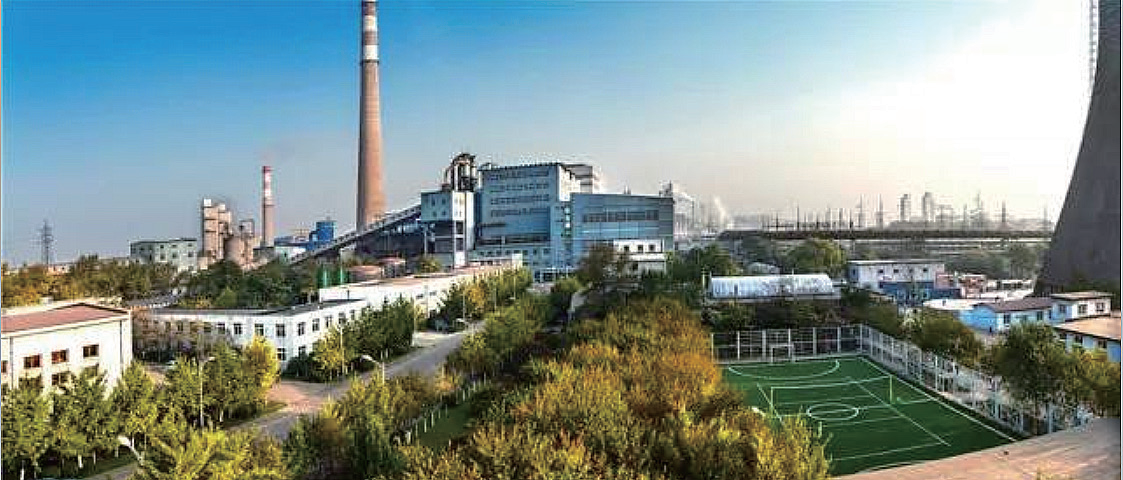
en.Wedoany.com Reported - Industrial parks are among the most practical scenarios for Source Grid Load Storage Integration. They usually have multiple factories, concentrated electricity demand, rooftop solar potential, distribution networks, charging facilities, energy storage space and centralized energy management conditions. Compared with scattered single-user projects, industrial parks are better positioned to turn integrated energy planning into an operating system.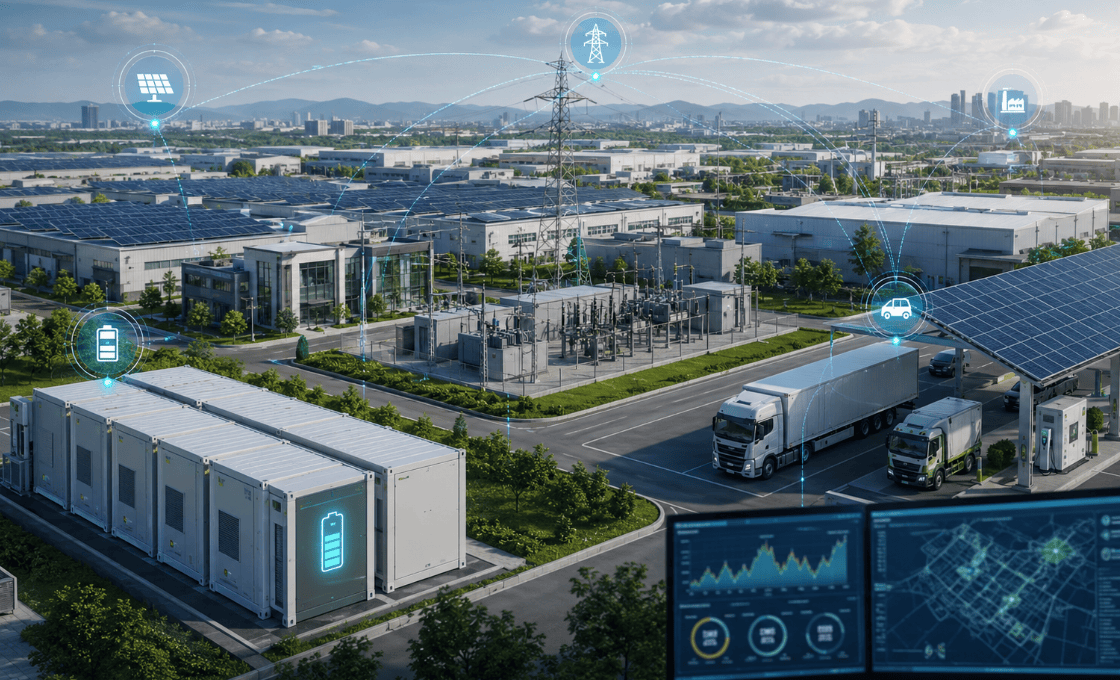
The power consumption structure of an industrial park is rarely flat. Production lines, air compressors, chillers, heat pumps, water treatment systems, warehouses, EV charging stations and office buildings all have different load characteristics. Some loads are rigid and cannot be interrupted. Some can be shifted within several hours. Some can respond to price signals or grid instructions. This diversity creates complexity, but it also creates flexibility. The key is whether the park can identify which loads are adjustable and which must remain protected.
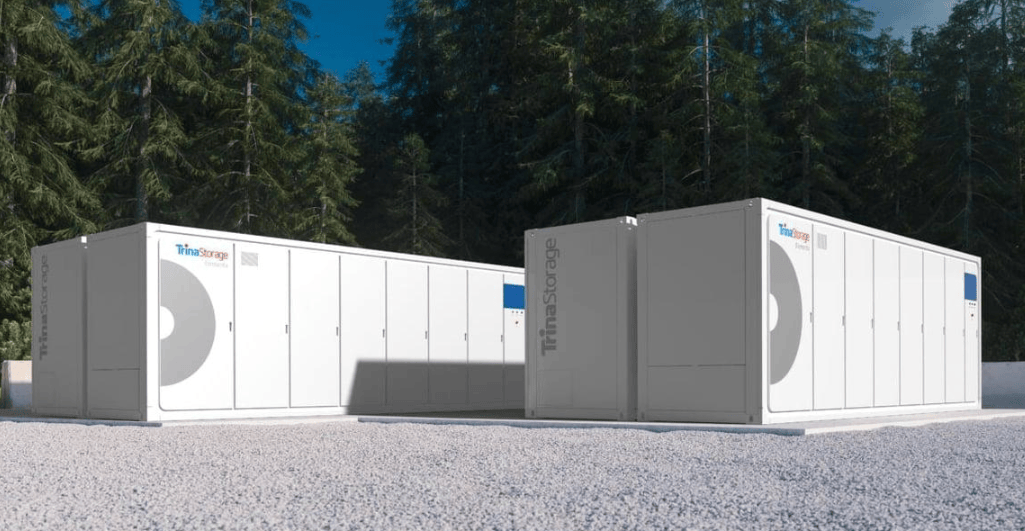
In many parks, renewable energy is installed first and energy storage is added later, but the connection between generation, load and storage is weak. Solar power may be generated during periods when factories do not need enough electricity. Storage may follow a fixed charging and discharging schedule without responding to production peaks. The distribution network may still face congestion even though storage is installed. These problems show that the project is not yet truly integrated.
A stronger approach is to build a park-level energy management system. This system should forecast solar output, monitor real-time factory load, calculate transformer and feeder loading, manage storage charging and discharging, coordinate flexible loads and provide settlement data for participating enterprises. If a chiller, air compressor or charging station can shift part of its demand without affecting production, the system should capture that flexibility and convert it into lower electricity cost or lower grid stress.
Industrial parks also need clear business rules. If one company installs rooftop solar, another provides flexible load and the park operator invests in storage, the economic benefits must be allocated transparently. Without settlement rules, even a technically sound project may fail to mobilize users. Therefore, source-grid-load-storage integration in parks requires not only technical design, but also tariff design, metering design, contract design and operation responsibility design.
For park owners, the recommended path is to start with high-value scenarios. The first is photovoltaic self-consumption combined with storage peak shaving. The second is demand response for flexible industrial loads. The third is orderly charging for electric logistics vehicles. The fourth is power quality and voltage support for sensitive production lines. After these scenarios are proven, the park can expand toward a full energy management platform. In industrial parks, integration should not be treated as a slogan. It should become a measurable operating capability.
This article is compiled by Wedoany. All AI citations must indicate the source as "Wedoany". If there is any infringement or other issues, please notify us promptly, and we will modify or delete it accordingly. Email: news@wedoany.com
Related Products

S(B)H15 Type (Energy Efficiency Level 3) Oil-Immersed Amorphous Alloy Core Distribution Transformer
Henan Longxiang Electric Co., Ltd.
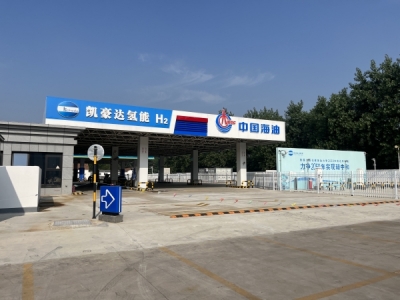
Hydrogen production and hydrogenation charging refueling gas integrated energy station
Shenzhen Kohodo Hydrogen Energy Co., Ltd.
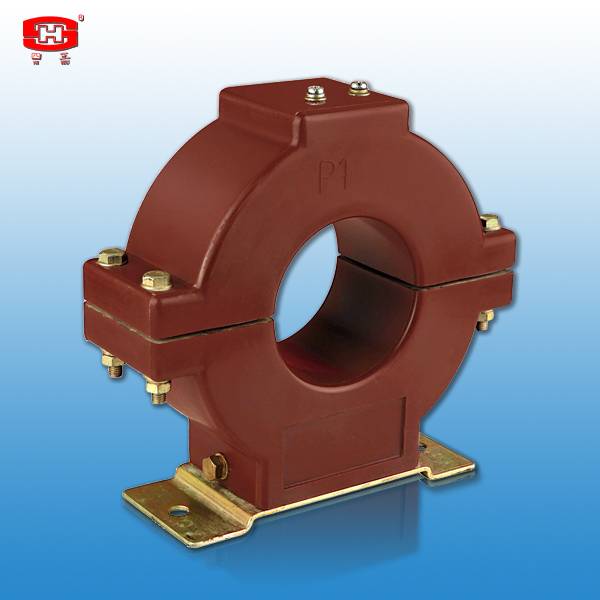
0.66kV Power Supply Instrument Transformer
Guangdong Sihui Instrument Transformer Works Co., Ltd.
Pneumatic high-pressure wear-resistant ball valve
Zhejiang Deca Control Valve Meter Co., Ltd.