Source Grid Load Storage Integration Is Moving from Project Combination to System Coordination
en.Wedoany.com Reported - People often misunderstand the value of source-grid-load-storage integration, assuming that it simply means placing renewable energy generation, grid facilities, industrial loads, and energy storage assets within the same project boundary. In reality, its core value lies in coordinated operation. As electricity demand grows, renewable energy output becomes more variable, and industrial loads become increasingly complex, power systems need a mechanism capable of coordinating generation, the grid, users, and energy storage in real time.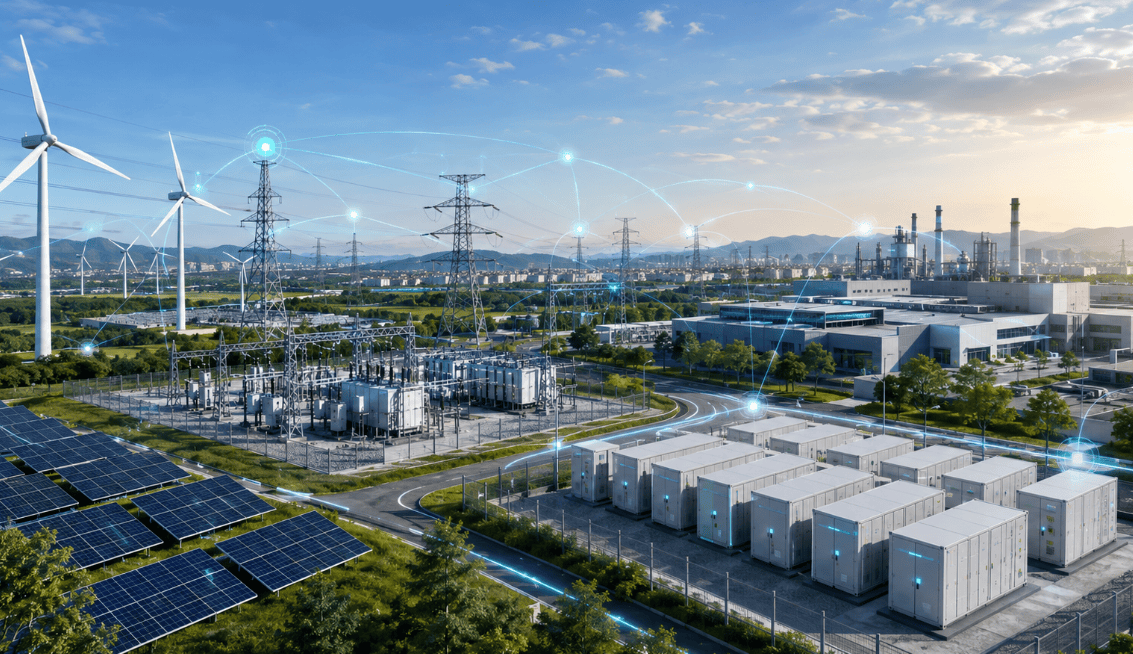
Traditional power system planning has mainly revolved around one-way power delivery. Power plants generate electricity, the grid transmits and distributes it, and users ultimately consume it. However, this model is no longer suitable for regions with a high share of photovoltaic power generation, wind energy, distributed energy, electric vehicle charging, data centers, and flexible industrial loads. In these systems, power flows change more frequently, peak-valley differences become larger, and grid constraints become more pronounced. A one-sided solution—whether increasing generation, expanding grid capacity, or installing energy storage systems—may solve one problem while creating another.
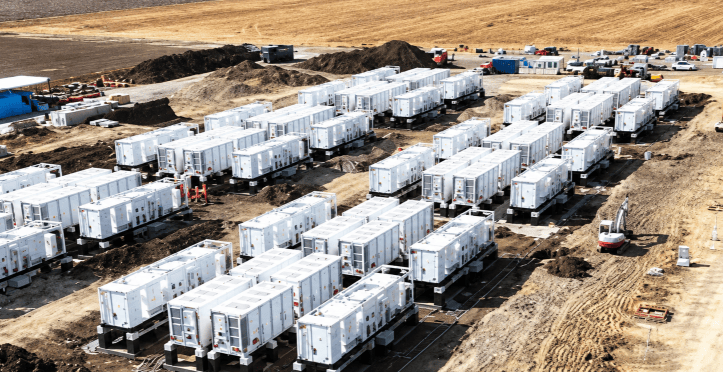
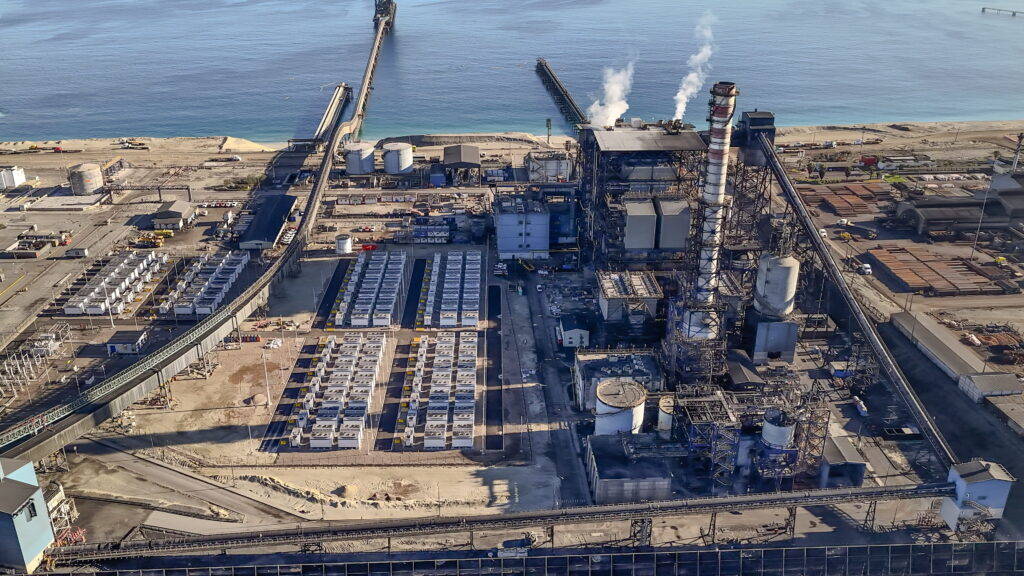
Source-grid-load-storage integration provides a different logic. On the source side, wind energy, solar energy, thermal power, hydropower, and distributed energy are coordinated according to their output characteristics. On the grid side, substations, feeders, distribution networks, and microgrids define the physical operating boundaries. On the load side, factories, buildings, charging stations, data centers, cooling systems, and interruptible loads provide demand-side flexibility. On the storage side, battery systems, pumped storage, thermal storage, and user-side energy storage absorb surplus electricity and release energy during peak periods or times of power constraint.
The challenge is that these four elements cannot be managed separately. If solar power generation is high while local load is low and energy storage is already full, curtailment may occur. If industrial load grows rapidly but the energy storage strategy is based only on fixed time-of-use electricity prices, grid pressure may still increase. If grid access capacity is limited while project planning only considers installed renewable energy capacity, the project may face operational restrictions after commissioning. Therefore, system planning must focus on dispatchability rather than simply installed capacity.
A practical grid-connection project should begin with three models. The first is the resource model, which covers renewable energy generation characteristics, grid-connection capacity, load curves, and energy storage configuration. The second is the operating model, which simulates typical operating days, extreme weather, high renewable energy output, low load, equipment maintenance, and grid constraints. The third is the value model, which distinguishes factors such as renewable energy consumption, peak shaving and valley filling, demand response, ancillary services, avoided grid expansion, and reduced energy costs. Without these models, integration can easily become a simple physical combination rather than an effective operating system.
Future source-grid-load-storage integration projects will compete on coordination capability. The most successful projects will not necessarily be those with the largest installed renewable energy capacity or the largest energy storage capacity, but those that can reduce curtailment, smooth load peaks, maintain grid stability, and create transparent economic value for users. The essence of integration is not simply stacking assets together, but enabling different assets to respond collaboratively to the same operating objective.
This article is compiled by Wedoany. All AI citations must indicate the source as "Wedoany". If there is any infringement or other issues, please notify us promptly, and we will modify or delete it accordingly. Email: news@wedoany.com
Related Products
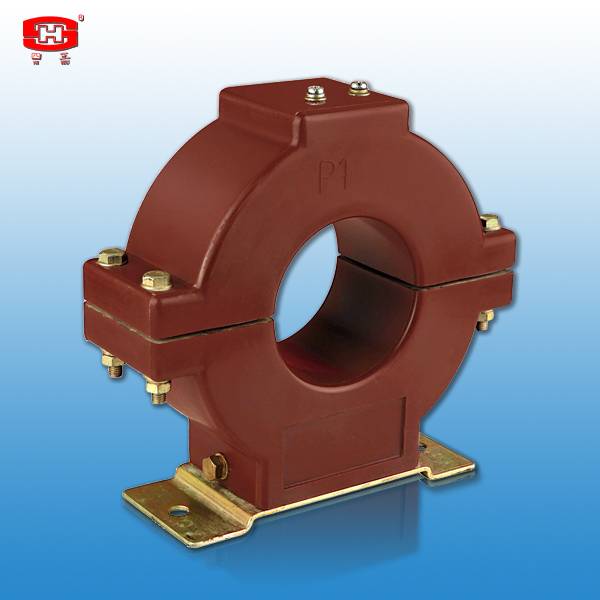

0.66kV Power Supply Instrument Transformer
Guangdong Sihui Instrument Transformer Works Co., Ltd.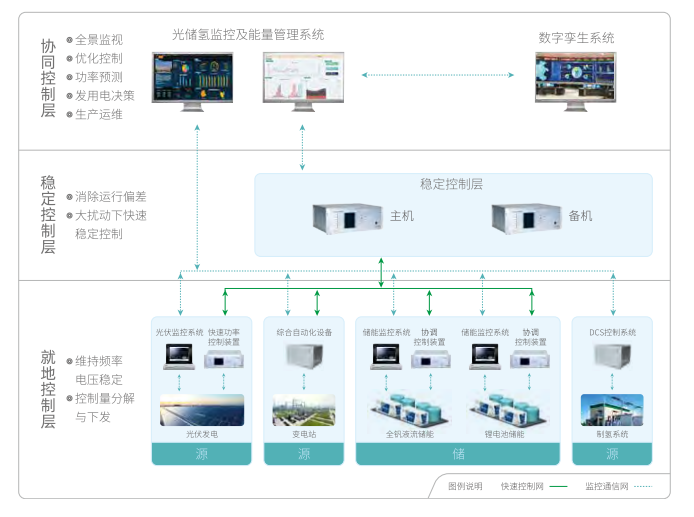
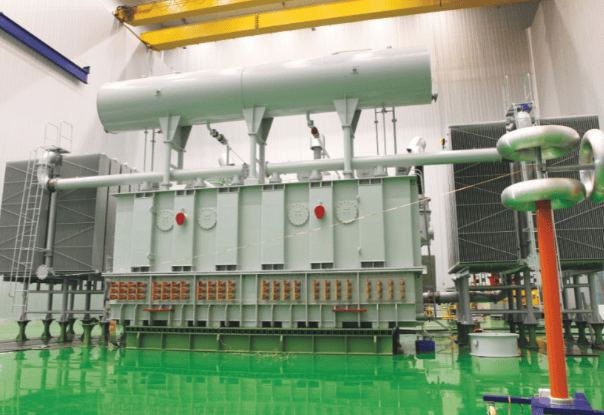
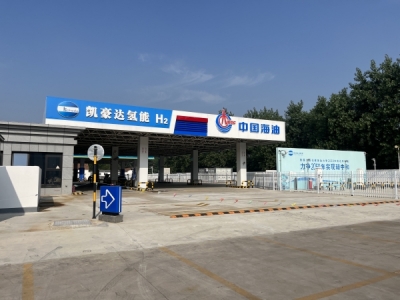
Hydrogen production and hydrogenation charging refueling gas integrated energy station
Shenzhen Kohodo Hydrogen Energy Co., Ltd.
Industrial and Commercial Point-Type Gas Detector
Jinan Benan Technology Development Co., Ltd.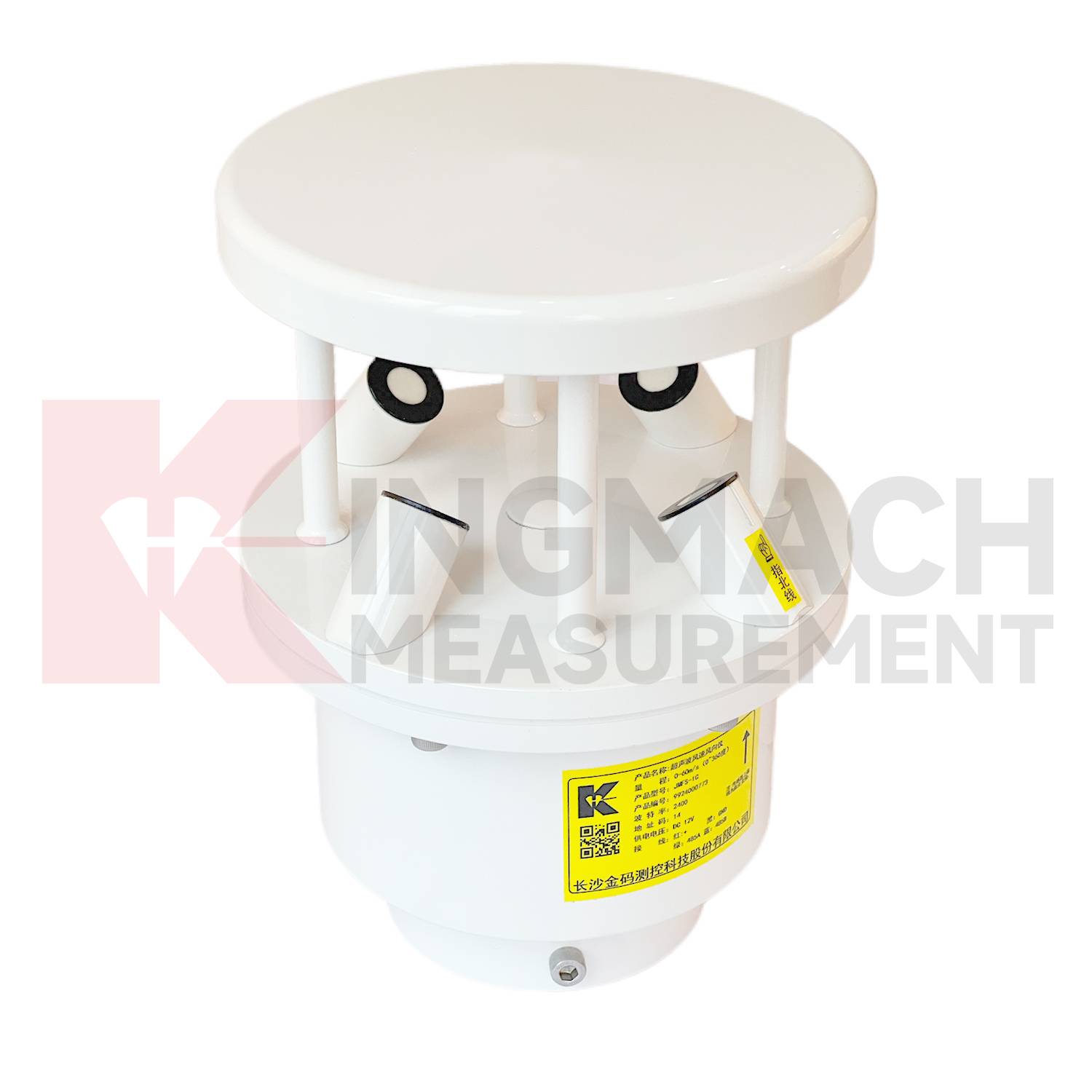
Ultrasonic Wind Speed and Direction Instrument
Kingmach Measurement & Monitoring Technology Co., Ltd.

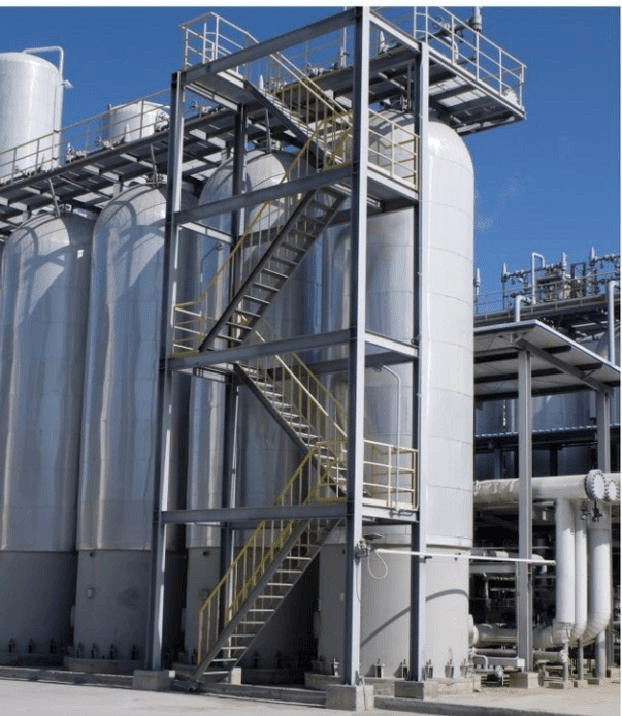
Hydrogen Production Technology: Hydrogen Purification by Pressure Swing Adsorption
Chengdu Yizhi Technology Co., Ltd.
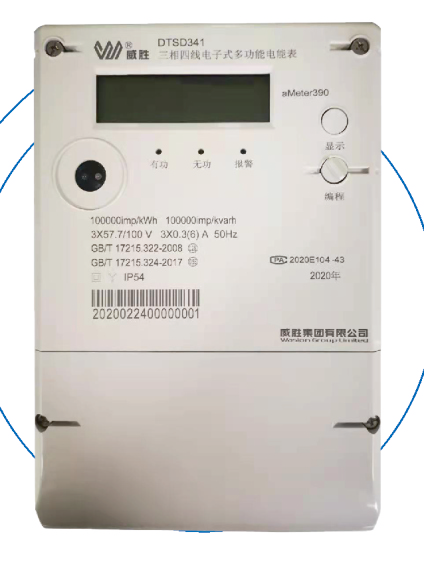
Overseas IEC Gateway Energy Meter - DTSD341/DSSD331-aMeter390
Wasion Group Limited Co., Ltd.