Energy Efficiency Is Critical for High-Quality FGD and DeNOx Projects
en.Wedoany.com Reported - Flue gas treatment should not be judged only by outlet compliance. Energy use, pressure drop, reagent consumption and maintenance cost are equally important. As industrial profit pressure and carbon management requirements rise, competition in Flue Gas Desulfurization and Denitrification Technology is shifting from whether pollutants can be controlled to whether they can be controlled stably at low cost and low energy use.
FGD energy use mainly comes from booster fans, slurry circulation pumps, oxidation fans, gypsum dewatering and wastewater treatment. DeNOx costs come from reducing agents, catalysts, induced draft resistance, low-temperature reheating and ammonia slip control. Dust removal and wet ESP also involve electricity, pressure drop and maintenance. If system resistance is high, fan electricity cost will erode profits over years.
SCR especially requires attention to temperature windows. EPA materials explain that flue gas temperature and particulate matter differ depending on SCR location, and cold-side SCR may require reheating, significantly increasing operating cost. Therefore, SCR layout should consider not only space convenience, but also temperature, ash, sulfur, catalyst life and energy use.
FGD also has energy optimization potential. Excess liquid-gas ratio, circulation pumps running at full load, crude oxidation air control, mist eliminator blockage and unreasonable duct resistance all increase cost. Semi-dry and dry systems must balance reagent utilization, by-product volume and baghouse pressure drop.
Technology comparison should include cost per unit pollutant removed. Initial investment is not enough; electricity, reagents, catalysts, labor, maintenance and by-product disposal per tonne of SO₂ or NOx removed should be calculated. Existing systems should conduct energy audits focusing on fans, pumps, spraying, ammonia injection, pressure drop and control logic.
High-quality development of flue gas treatment is not making equipment larger. It is making systems more refined. Advanced Flue Gas Desulfurization and Denitrification Technology should maintain compliance while continuously lowering energy, reagent and maintenance costs.
This article is compiled by Wedoany. All AI citations must indicate the source as "Wedoany". If there is any infringement or other issues, please notify us promptly, and we will modify or delete it accordingly. Email: news@wedoany.com
Related Products
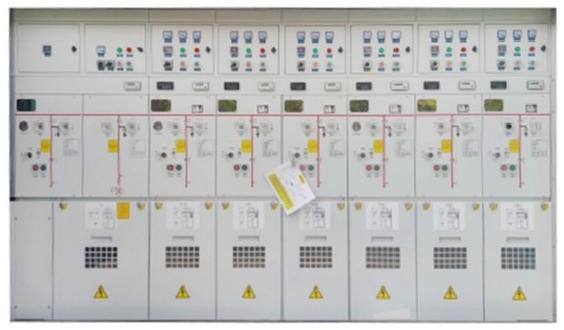

NISELA Series Environmentally Friendly Gas-Insulated Ring Main Unit
XJ DELISHIER ELECTRIC CO., LTD.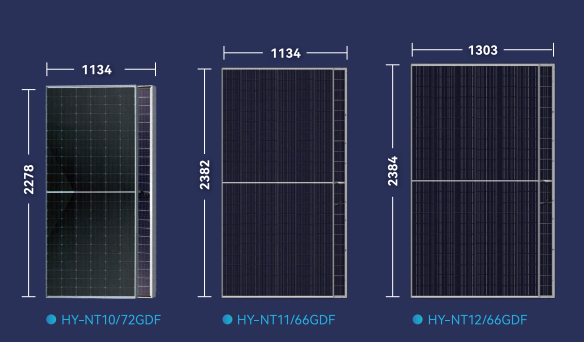
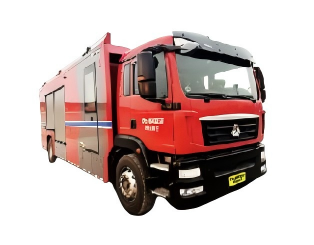
Modular Multifunctional Water Supply and Drainage Vehicle (18T)
Changsha Dewater Machinery Technology Co., Ltd.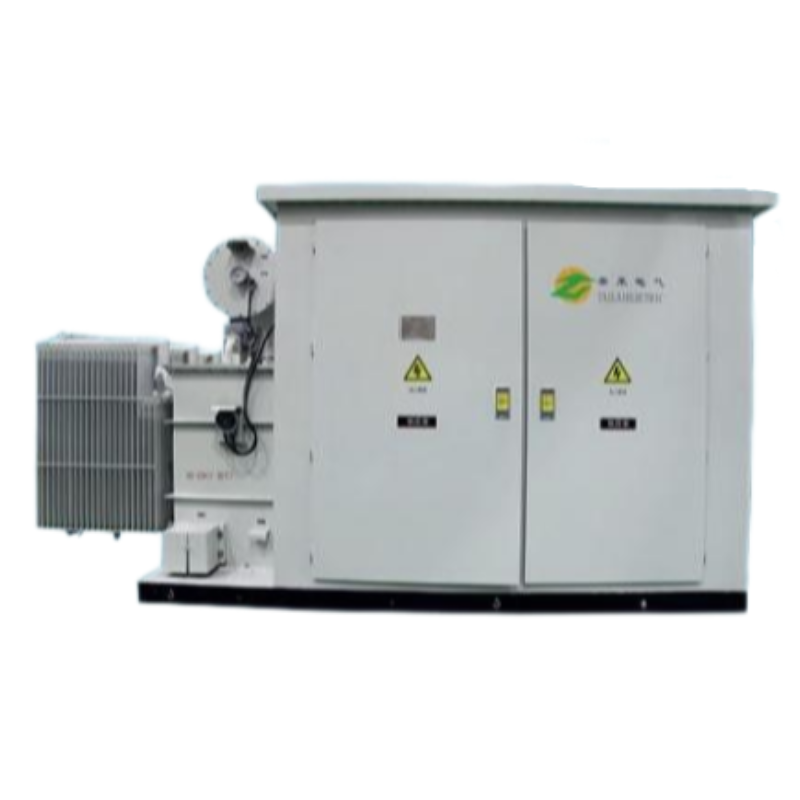
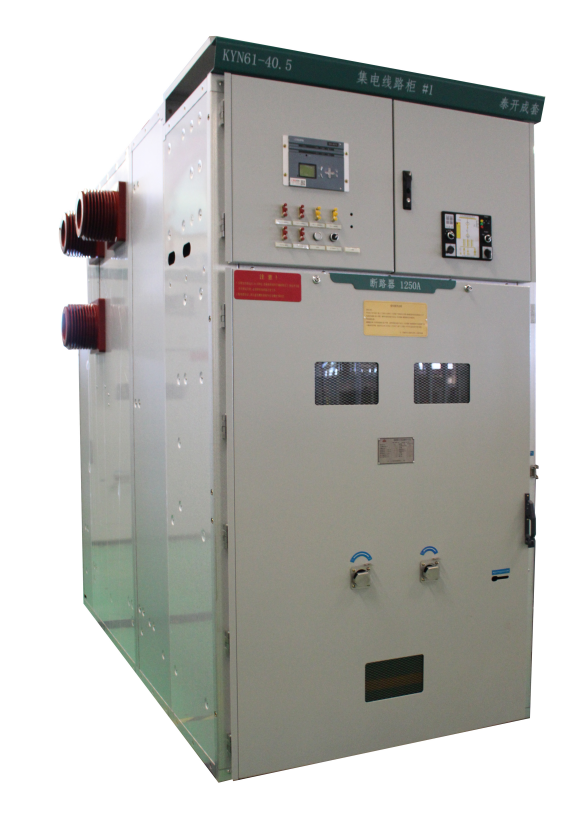
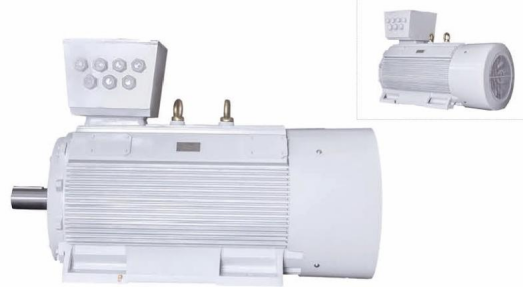
YE3 Series Low Voltage High Power Three-Phase Asynchronous Motor
Shandong Lijiu Electrical Machinery Co., Ltd.
PCS-901 Series Ultra (Extra) High-voltage Transmission Line Complete Protection Device
Nanjing NR Electric Co., Ltd.
G.652.D Wavelength-extended Non-dispersion Shifted Single-mode Optical Fiber
HONGAN GROUP CO., LTD.
72.5kV 1250A 31.5kA SF6 free Gas-insulated Metal-enclosed Switchgear
Zhejiang Juhonkia Intelligent Electric Co., Ltd.
GW4-40.5/72.5/126/145/170/252/363/420 Series Double-column Horizontal Rotary High-voltage AC Disconnect Switch
SHANDONG TAIKAI DISCONNECTORS CO., LTD.