O&M Determines the Real Performance of Flue Gas Desulfurization and Denitrification Technology
en.Wedoany.com Reported - Many flue gas treatment systems meet standards during acceptance but experience emission fluctuation, rising energy use and frequent failures after several years. The cause is often not a wrong technology route, but weak operation and maintenance. The real performance of Flue Gas Desulfurization and Denitrification Technology is determined not by nameplate equipment, but by long-term management.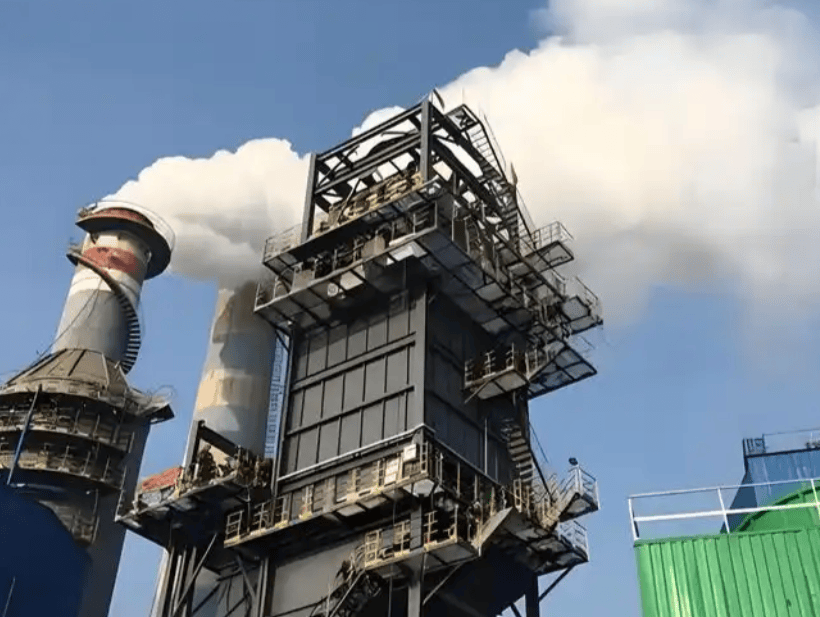
Common FGD O&M issues include unstable slurry pH, abnormal density, spray layer blockage, mist eliminator scaling, insufficient oxidation, gypsum dewatering problems, duct corrosion and wastewater imbalance. DeNOx issues include uneven ammonia injection, ammonia slip, catalyst blockage or poisoning, ammonium bisulfate deposition in air preheaters, rising catalyst pressure drop and low-load efficiency decline. Dust systems may suffer broken bags, cleaning problems, electrical field faults or ash hopper blockage.
EPA FGD inspection and operation materials emphasize that lime/limestone slurry scrubbers suffer from many operational problems, and inspection plus maintenance are important for stable performance. This confirms that flue gas systems do not remain effective just because they are built; they require continuous parameter control, maintenance and optimization.
Weak O&M often appears in three ways. First, environmental systems are managed part-time by production staff without specialized operators. Second, companies focus only on outlet concentrations while ignoring pressure drop, temperature, pH, slurry density and ammonia injection. Third, spare parts and consumable budgets are insufficient, delaying replacement of catalysts, nozzles, filter bags, mist eliminators and pump parts.
Enterprises should build O&M KPIs. FGD should track inlet and outlet SO₂, pH, liquid-gas ratio, slurry density, oxidation air, mist eliminator pressure drop and wastewater quality. DeNOx should track inlet and outlet NOx, ammonia injection, ammonia slip, catalyst pressure drop, flue gas temperature and load. Dust systems should track pressure drop, dust concentration, cleaning cycle and ash hopper status. Future flue gas projects should deliver not only equipment, but also O&M procedures, data models and warning mechanisms.
This article is compiled by Wedoany. All AI citations must indicate the source as "Wedoany". If there is any infringement or other issues, please notify us promptly, and we will modify or delete it accordingly. Email: news@wedoany.com
Related Products

Smart Photovoltaic Prefabricated Substation
Shanghai Jinyou Jinhong Intelligent Electric Co., Ltd.
1000kV Jin Southeast-Nanyang-Jingmen UHV AC Transmission and Transformation Pilot Demonstration Project
Anhui Hongyuan Steel Tower Co., Ltd.
Standard Nozzle Flowmeter
Jinggong Automatic Control Instrument Complete Technology Development Company
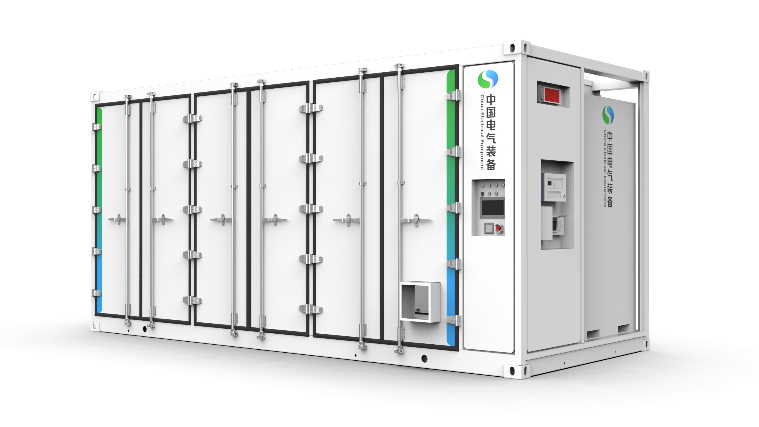
MESS8201-2507/5015-BN Prefabricated Liquid-cooled Energy Storage Battery Container
Xuchang Xuji Electric Science Energy Storage Technology Co., Ltd.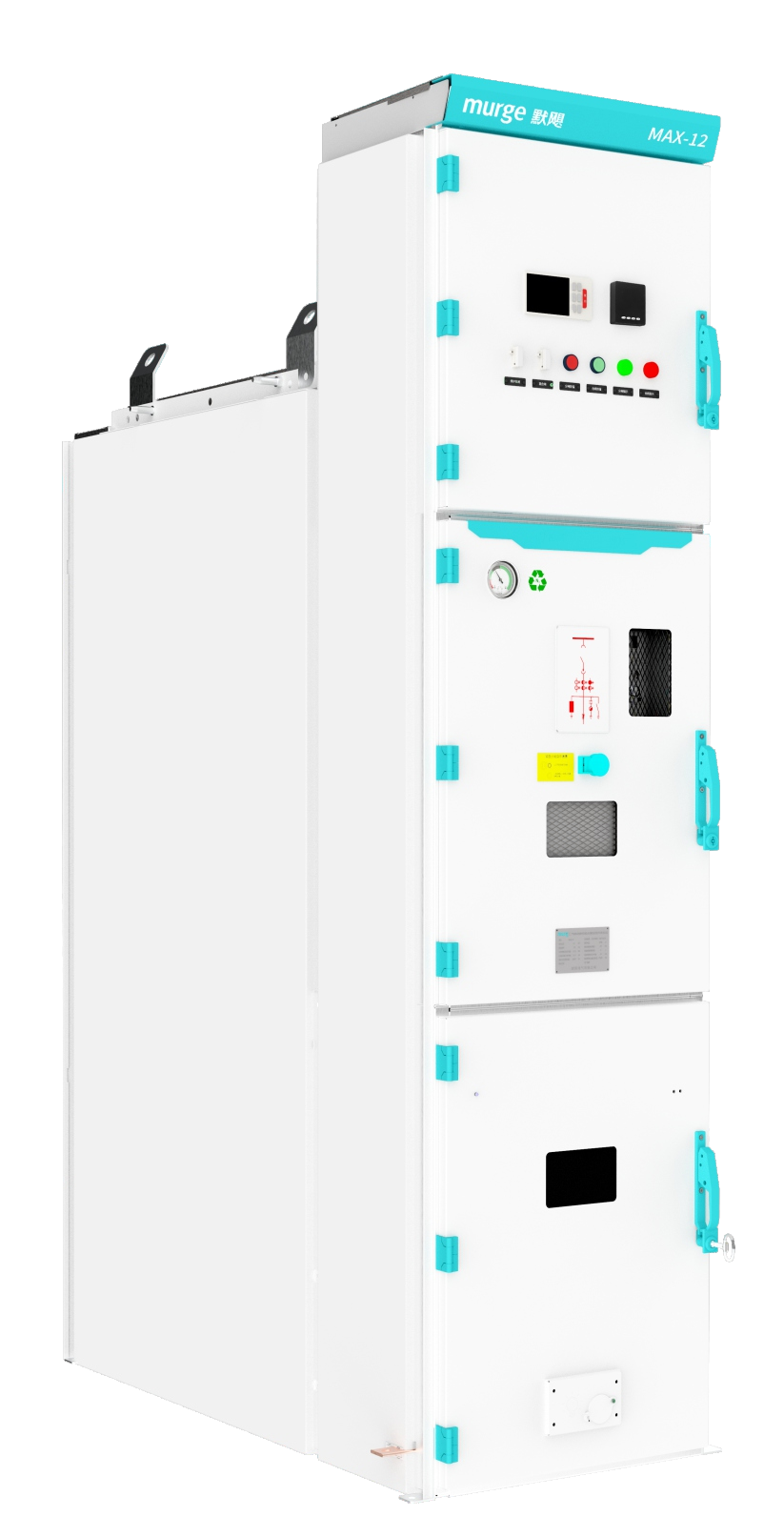
MAX-12 series Environmental Protection/SF6 gas insulated switchgear (C-GIS)
Murge Electric Co.,Ltd.
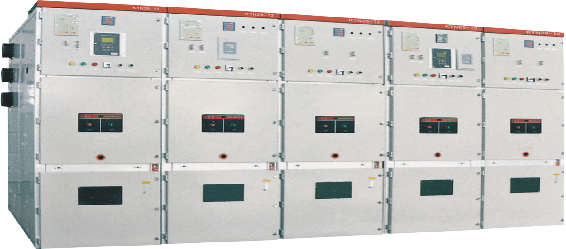
KYN28-12/24 Indoor High-Voltage Metal-Clad Removable Switchgear
Shenzhen Zhaoyang Hui Technology Co., Ltd.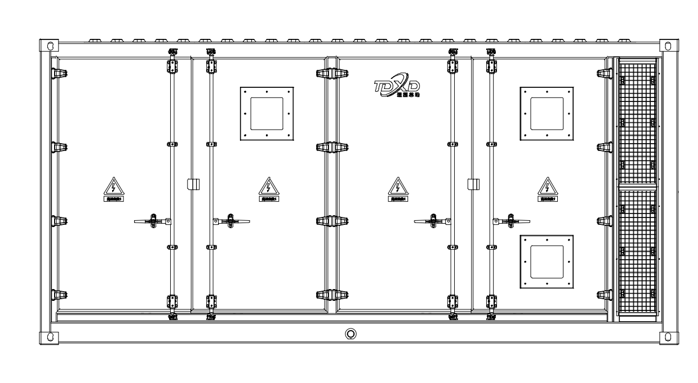
5012kWh DC Energy Storage System TD-EES-5012kWh
Suzhou Tongding Xindong Energy Storage Technology Co., Ltd.