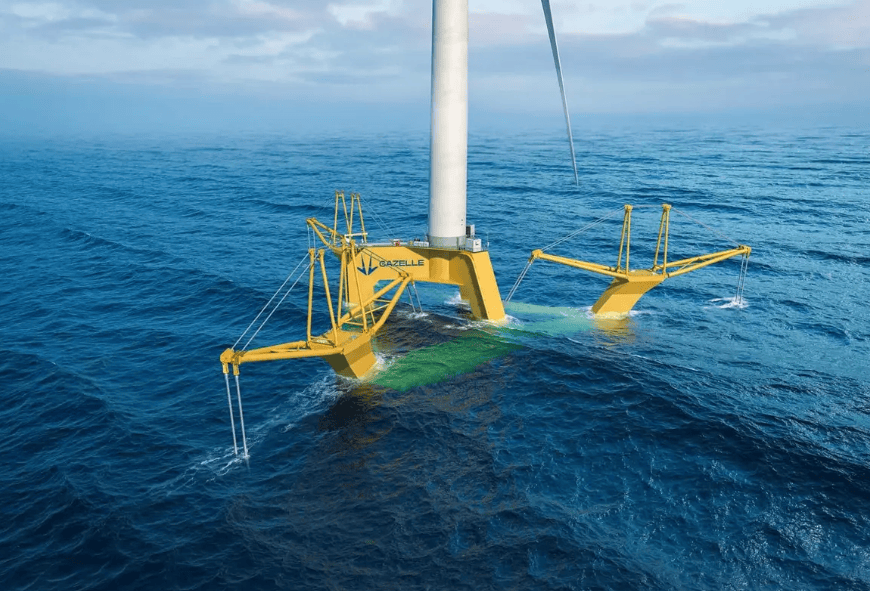
Wind Power Converters Are Becoming Core Equipment for Grid-Friendly Wind Turbines
en.Wedoany.com Reported - As the wind power industry moves toward larger turbines, long-distance power delivery and higher grid penetration, the importance of the Wind Power Converter is rising significantly. In discussions about wind turbine technology, blade length, tower height, generator capacity and installation capability often receive more attention. From the perspective of the power system, however, one of the key devices that determines whether a wind turbine can connect to the grid in a stable, controllable and grid-friendly way is the converter.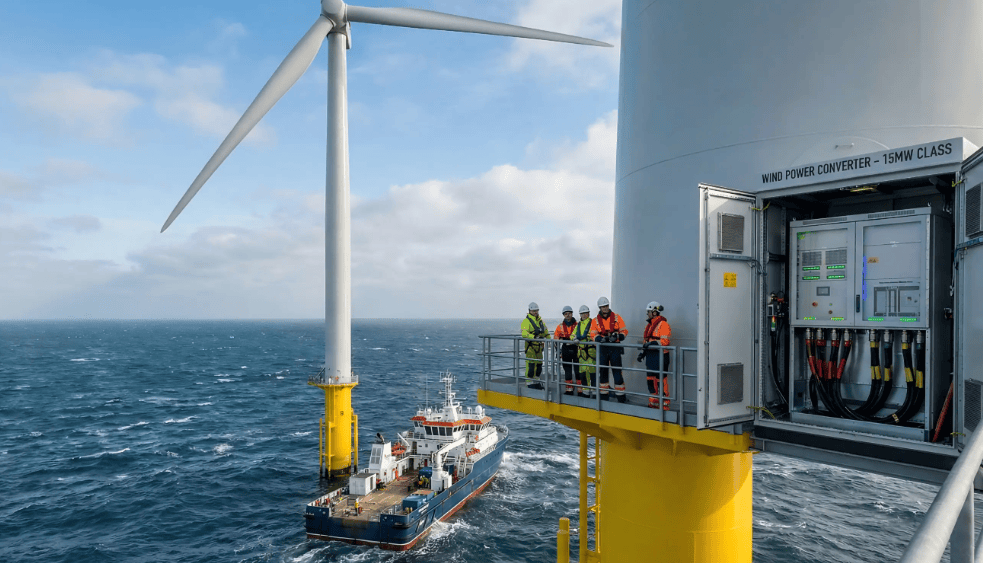
The basic function of a wind power converter is to convert variable-frequency and variable-voltage electricity generated by the wind turbine into grid-compliant electricity. For variable-speed constant-frequency wind turbines, the converter not only performs energy conversion, but also participates in active power control, reactive power regulation, voltage support, low-voltage ride-through, high-voltage ride-through, fault response and power quality management. As wind power capacity expands, the wind power converter is moving from an internal electrical component to a control interface between the turbine and the grid.
Wind power converters currently face three major engineering challenges. The first is higher power rating. Large-megawatt turbines require higher power density, stronger thermal management and better long-term reliability. The second is stricter grid connection requirements. Grid operators increasingly require stronger fault ride-through, reactive response and voltage support, which makes converter control strategies more demanding. The third is more complex operating environments. Onshore wind farms may face high temperature, low temperature, dust, high altitude and weak-grid conditions, while offshore wind farms must deal with salt mist, humidity, vibration and difficult maintenance.
A converter is not an isolated device in turbine operation. It is closely connected with the generator, main control system, pitch system, transformer, substation and wind farm control system. If converter control is not coordinated with turbine-level control, problems such as grid fluctuation, power oscillation, harmonics or frequent protection actions may appear. If thermal design is insufficient, power modules are unstable or maintenance strategy is weak, shutdown risk can increase and wind farm availability can fall.
Wind project owners should focus on five points when selecting converters. First, the converter must match turbine power rating, generator type and grid access conditions. Second, low-voltage ride-through, high-voltage ride-through, reactive power regulation and weak-grid adaptability should be evaluated. Third, the reliability of power modules, control boards, DC-link capacitors, cooling systems and cabinet protection should be checked carefully. Fourth, the supplier’s operating cases and fault response capability in similar wind farms should be reviewed. Fifth, converter operating data should be connected to the wind farm O&M platform so that temperature, faults, harmonics, power fluctuation and key component life trends can be analyzed.
The future value of wind power converters is not only energy conversion. It is helping wind turbines become more controllable, more stable and better suited to power systems with high shares of renewable energy. Competition in wind projects will move beyond turbine size toward grid performance, operating reliability and full-life-cycle generation value.
This article is compiled by Wedoany. All AI citations must indicate the source as "Wedoany". If there is any infringement or other issues, please notify us promptly, and we will modify or delete it accordingly. Email: news@wedoany.com
Related Products

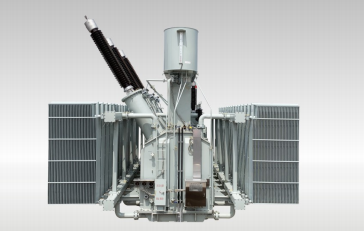
220kV and Below Voltage Level Energy-saving Oil-immersed Power Transformers
FuZhou TianYu Electric Co., Ltd.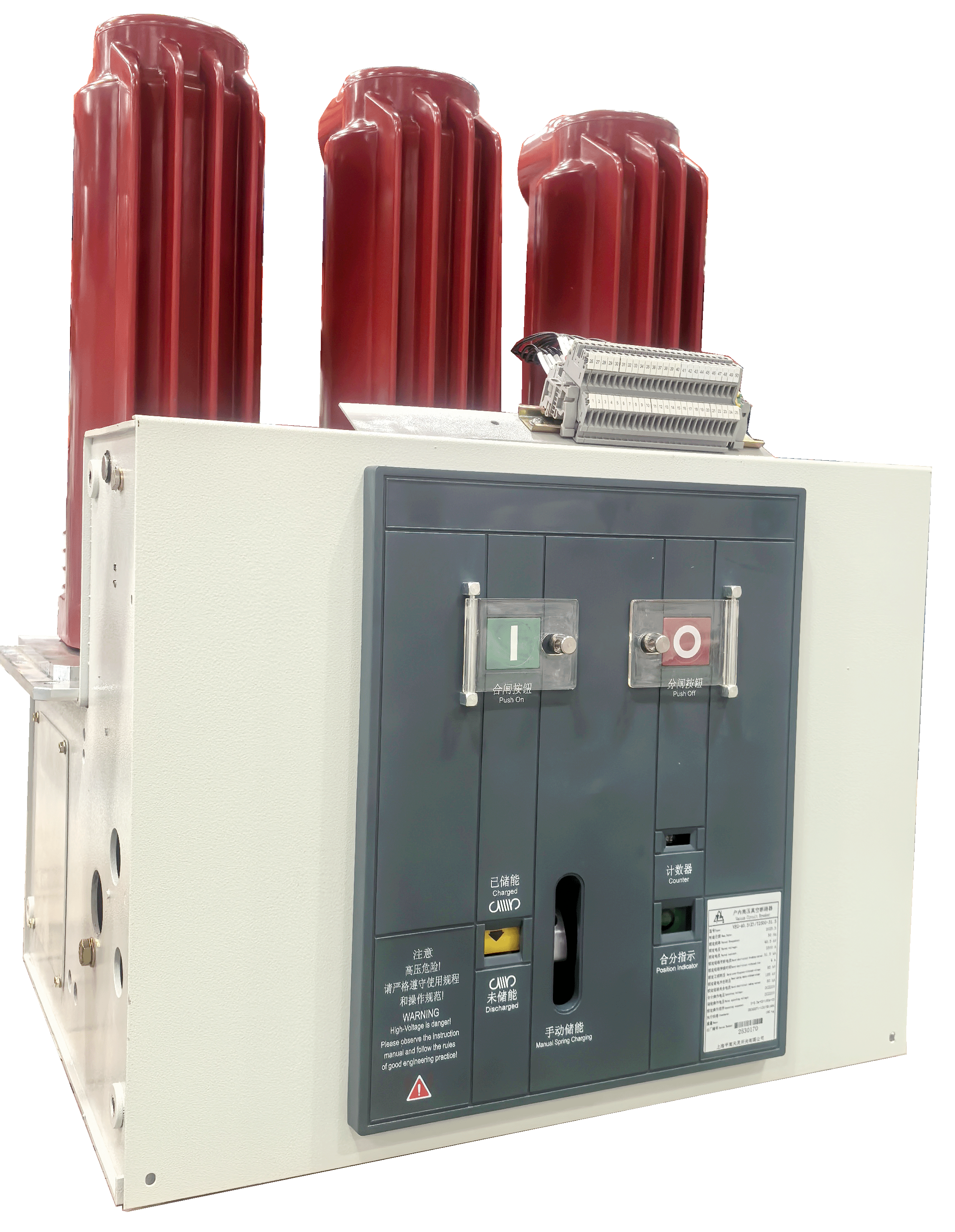
VEG-12/24/40.5 Series Vacuum Circuit Breaker
SHANGHAI PINGGAO TIANLING SWITCHGEAR CO., LTD.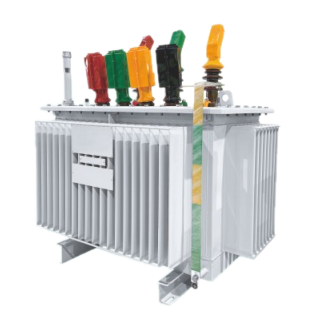
IS(B)□-M·RL Series Oil-immersed 3D Transformer (Planar / 3D Wound Core)
Guangdong Kehua Electric Power Technology Co., Ltd.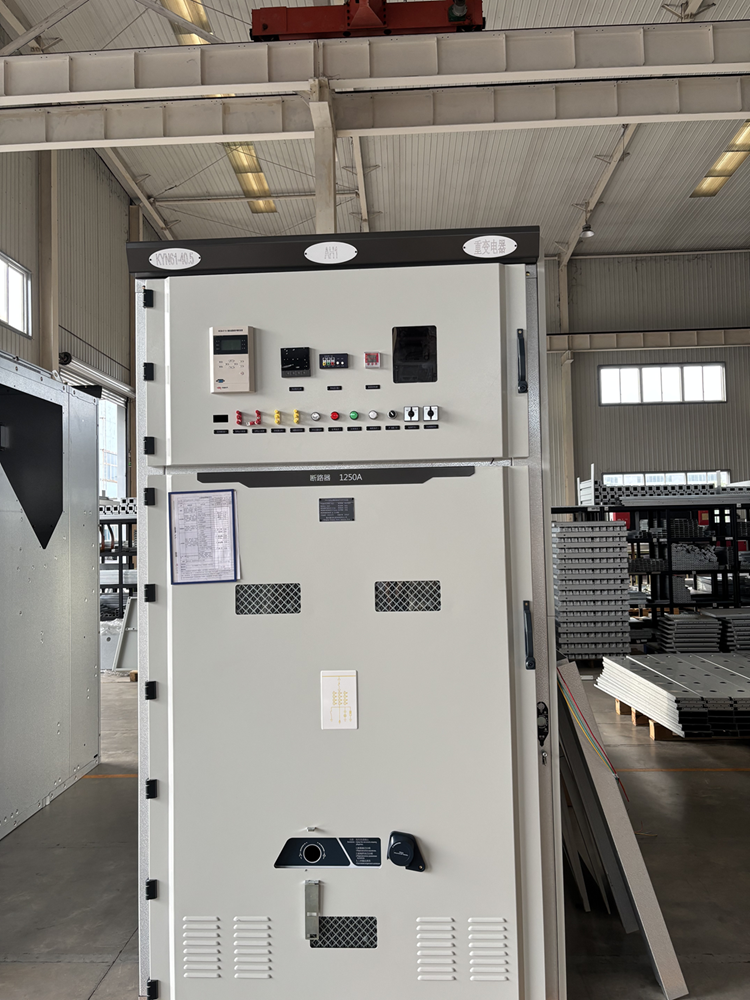
KYN61-40.5 Indoor AC Metal-clad Removable Switchgear
Chongqing Transformer Co., Ltd.
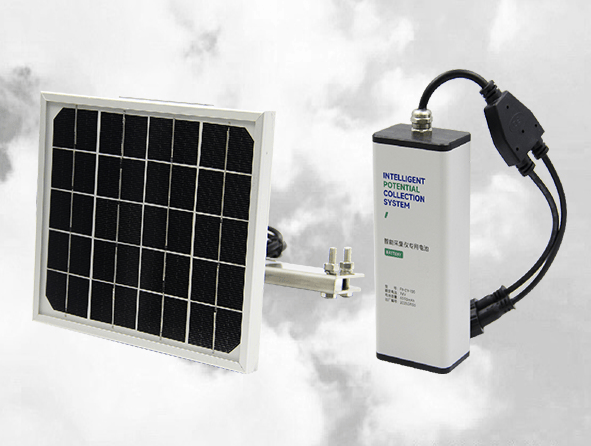
Inductive Power Harvesting Self-Powered Device - Safuneng
SELF ENERGY TECHNOLOGY (SHENZHEN) CO., LTD.
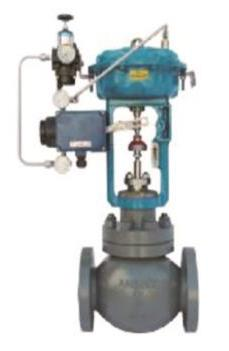
Quick-Change Single-Seat Control Valve / Quick-Change High-Pressure Single-Seat Control Valve
Beijing Consen Automation Technology Co., Ltd.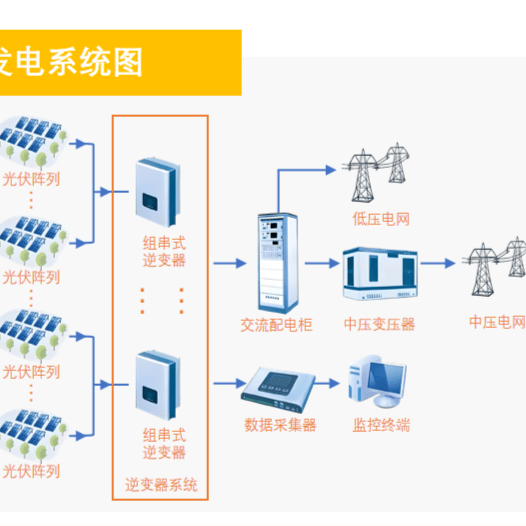
Photovoltaic and Wind Power Generation Technology
Beijing Boqi Electric Power SCI-TECH Co., Ltd.