In the Large-Megawatt Wind Turbine Era, Converter Reliability Determines Wind Farm Availability
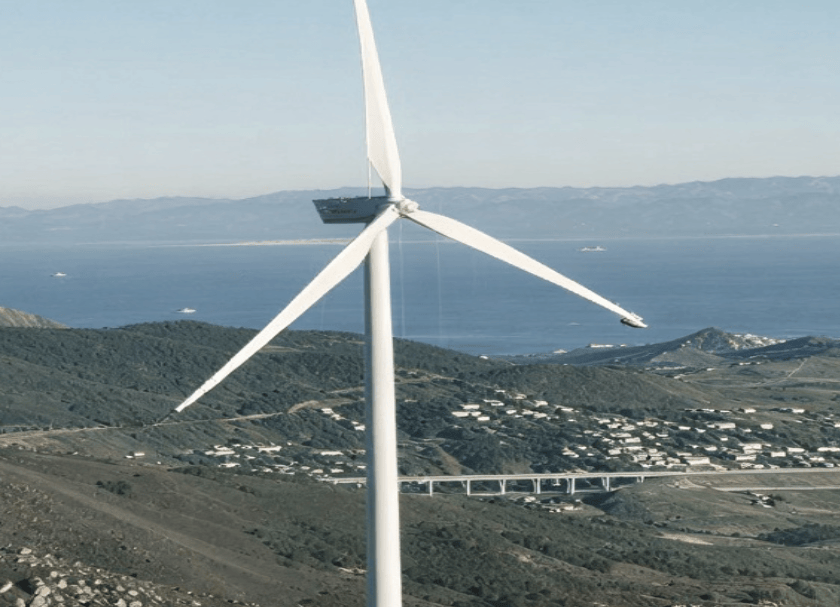
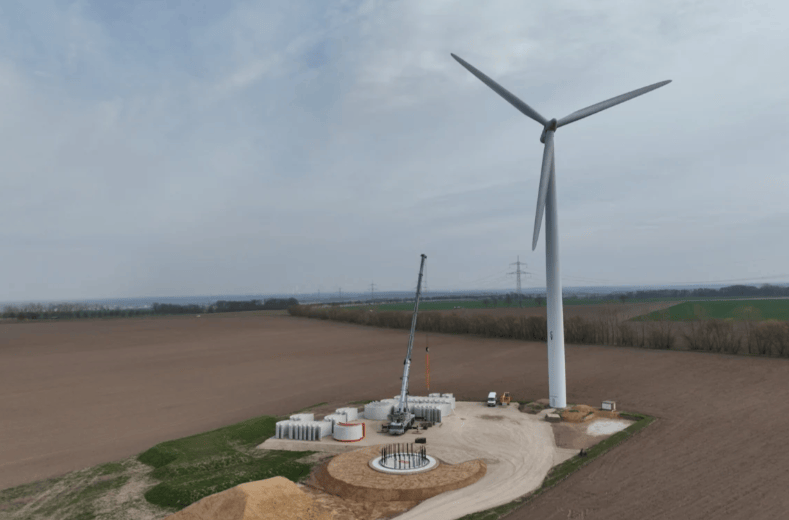
en.Wedoany.com Reported - Wind turbines are moving toward larger unit capacity, higher towers, longer blades and more complex operating environments. Large-megawatt turbines increase the generation capability of a project, but they also magnify the economic loss caused by key component failures. In the turbine system, the Wind Power Converter is one of the important components affecting turbine availability because it operates under high power, high-frequency switching, temperature cycling and grid disturbances for long periods.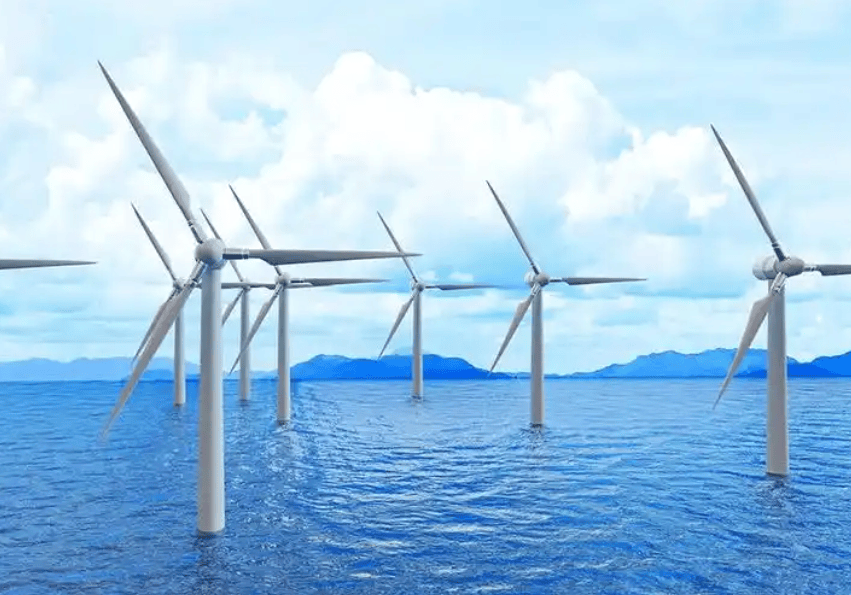
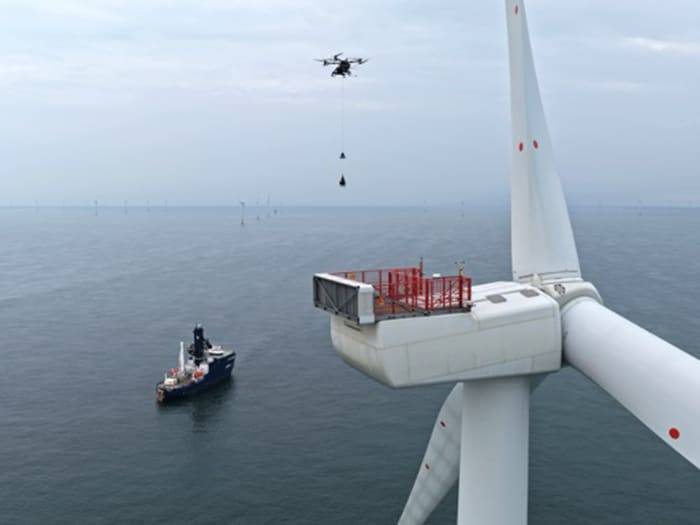
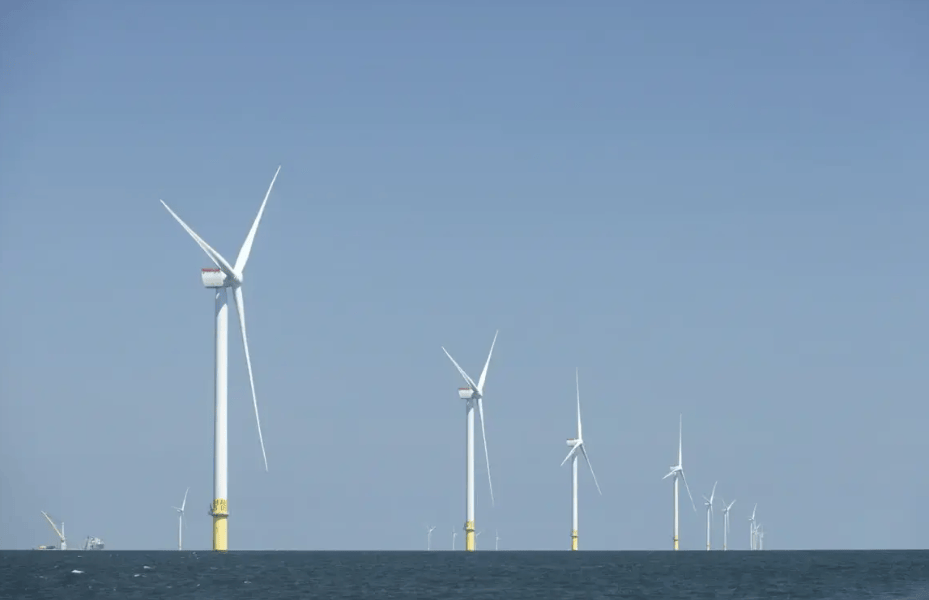
Converter reliability cannot be judged only by whether factory tests are passed. It must be judged by whether the converter can operate steadily in real wind farm conditions over the long term. Wind farm environments are often harsh. Northern onshore wind farms may face low temperature, sand and frequent power fluctuation. High-altitude areas require attention to thermal derating and insulation adaptability. Coastal and offshore wind farms face salt mist, humidity, moisture and corrosion risks. For offshore wind, one converter failure may require waiting for a maintenance weather window, making downtime losses and maintenance costs far higher than in onshore projects.
The reliability of a wind power converter depends on many links, including power modules, DC-link capacitors, driver boards, control units, cooling systems, cabinet sealing, connectors and software control strategies. Power modules are exposed to thermal cycling and are often a key part of life management. DC-link capacitors are strongly affected by temperature and ripple current. If a liquid cooling system leaks, becomes blocked or loses cooling efficiency, the life of power devices can be directly affected. If software control does not define fault boundaries accurately enough, false protection actions or delayed protection may occur.
A common engineering mistake is treating converter procurement like ordinary electrical cabinet procurement, focusing only on price, delivery time and rated parameters. This can ignore long-term operating risk. For large-megawatt turbines, the failure cost of a converter can be much higher than the price of the equipment itself. A single failure can cause downtime, disrupt generation plans, consume O&M resources and affect project revenue evaluation.
A better approach is to include the converter in turbine-level life-cycle reliability management. During design, the cooling method and protection level should be selected according to wind farm temperature, altitude, humidity, salt mist, grid strength and maintenance conditions. During procurement, the life design of key components, redundancy design and fault protection logic should be reviewed. During commissioning and operation, online monitoring should track temperature, DC-link voltage, current fluctuation, fault codes and switching device conditions. During O&M, predictive maintenance should be based on operating data instead of waiting for failure shutdowns.
Future competition in wind power converters will move from whether rated power can be met to whether long-term stable operation can be achieved under complex conditions. For turbine manufacturers and wind farm owners, converter reliability is generation reliability. Companies that reduce converter failure rates can improve wind farm availability and gain more stable engineering returns in the large-megawatt turbine market.
This article is compiled by Wedoany. All AI citations must indicate the source as "Wedoany". If there is any infringement or other issues, please notify us promptly, and we will modify or delete it accordingly. Email: news@wedoany.com
Related Products

Oil-immersed Amorphous Alloy Core Distribution Transformer
Pinggao Group Smart Electric Co., Ltd.
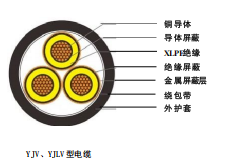
Rated Voltage 6-35kV Cross-linked Polyethylene Insulated Power Cable
TONGDING INTERCONNECTION INFORMATION CO., LTD.
Off-Grid Fuel Cell Supercharging Station (180kW Configuration)
Shanghai REFIRE Group Limited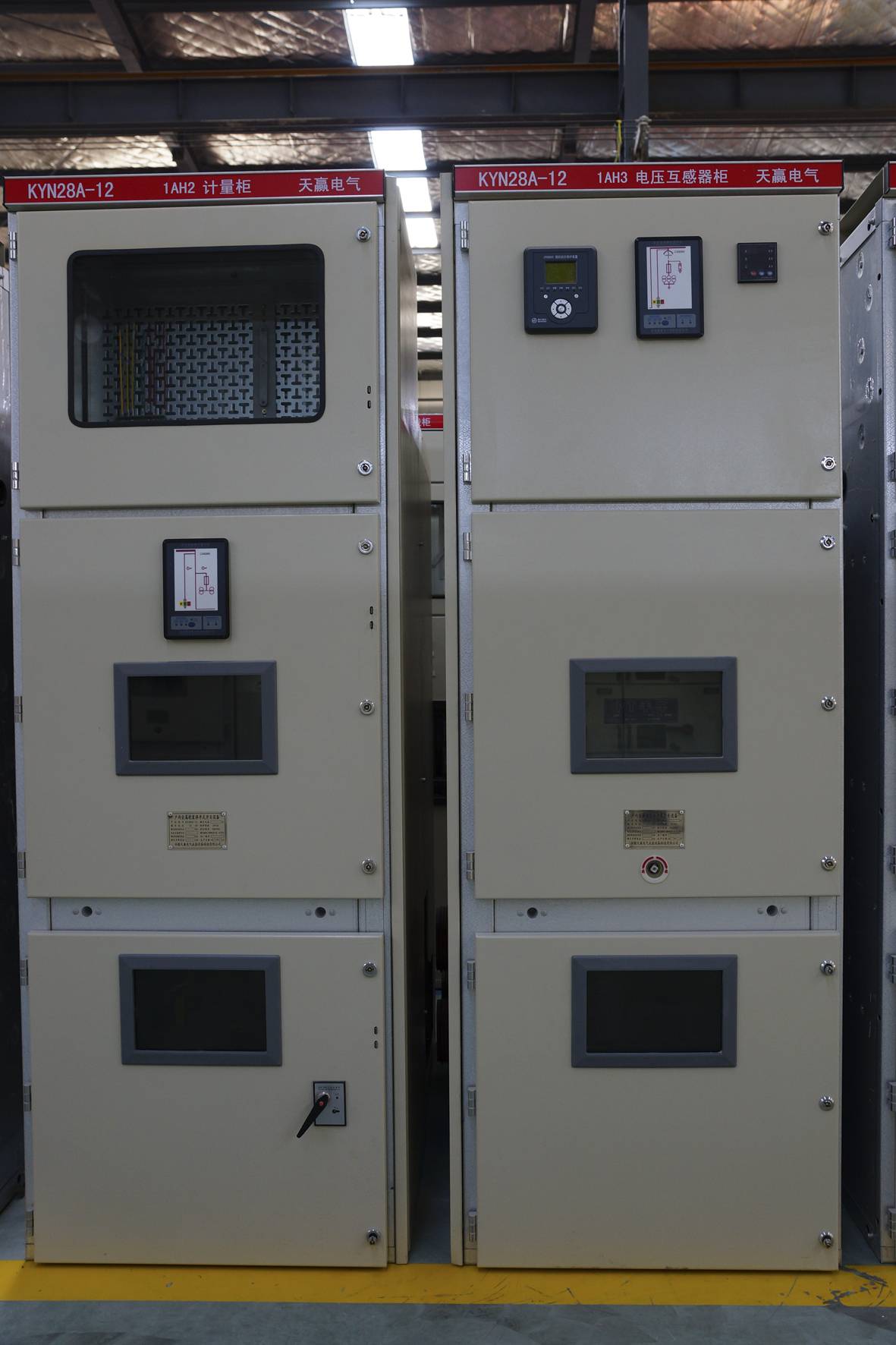
KYN28 - High Voltage Switchgear
Anhui Tianying Electrical Equipment Manufacturing Co., Ltd.
Perfluorinated Ionic Membrane-CM-10N Series Membrane
Guizhou Juneng Century Technology Co., Ltd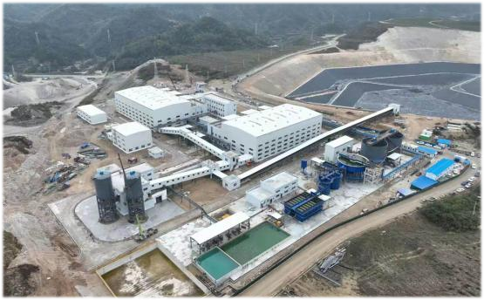
Yingping Mining Section Open-pit Tailings Backfill Treatment of Goaf Ecological Restoration EPC Project
China Bluestar Lehigh Engineering Corporation
Microcomputer Protection and Substation Automation
Beijing Agent Devote Power Technology Development Co., Ltd.