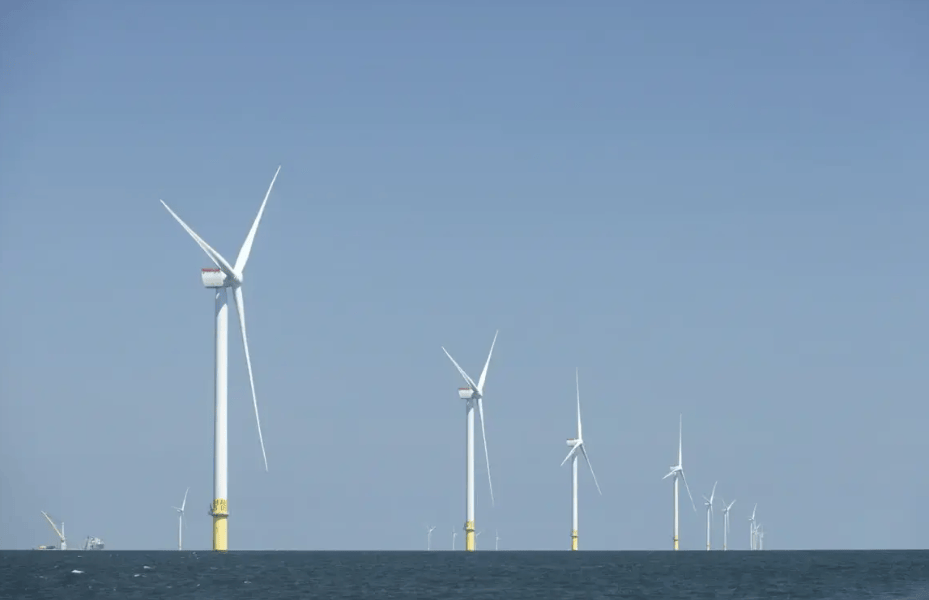
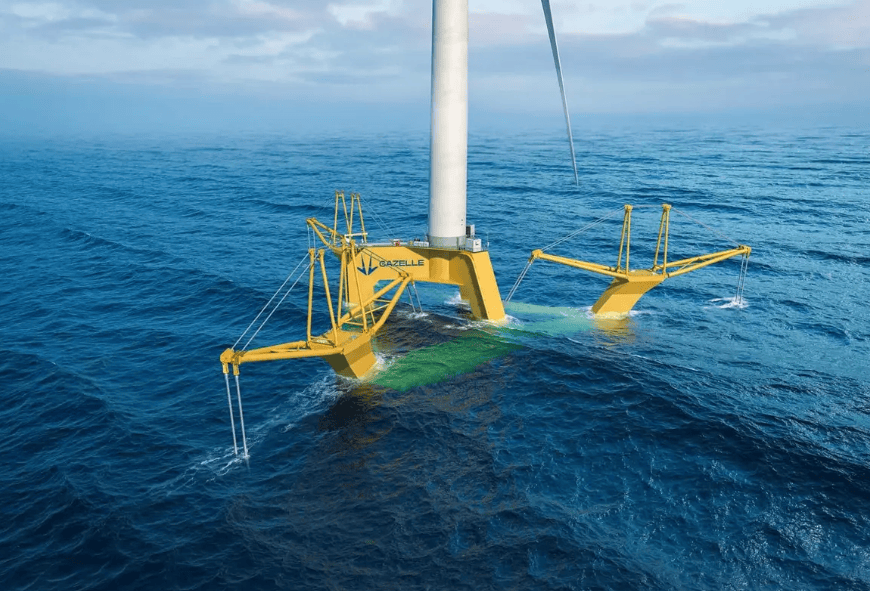
Wind Power Converters Are Moving from Grid Adaptation to Active Grid Support
en.Wedoany.com Reported - As the share of wind power in electricity systems continues to rise, the technical role of the Wind Power Converter is changing. In the past, the main task of the converter was to help wind turbines adapt to the grid by converting turbine output into grid-compliant electricity. Today, with higher renewable penetration, the grid requires more from wind turbines. Converters must not only adapt to the grid, but also provide a certain level of grid support.
This change is driven by the increasing share of power-electronic-based generation in the electricity system. Traditional synchronous generators naturally provide rotational inertia and short-circuit support. When wind and solar generation connect through converters, system dynamic characteristics change. In weak-grid conditions, long-distance transmission projects and renewable energy bases, insufficient converter control capability may lead to voltage fluctuation, weak frequency response, power oscillation or reduced grid stability.
Wind power converters are therefore taking on more grid-support functions. They need faster reactive power response to help maintain voltage at the point of connection. They need low-voltage and high-voltage ride-through capability to avoid large-scale disconnection during grid faults. They need optimized active power control to reduce the impact of wind fluctuation on the grid. In some systems with high renewable penetration, more advanced functions such as virtual inertia, grid-forming control and black-start support are also being explored.
Improving converter control capability also requires turbine and wind farm coordination. A single turbine with support functions does not automatically mean the entire wind farm has strong grid performance. The plant-level control system must coordinate active power, reactive power and voltage control among multiple turbines. The substation must match protection and reactive compensation equipment. The dispatch system needs real, stable and verifiable operating data. Only when turbine control, plant control and grid dispatching are coordinated can wind power move from variable generation toward adjustable generation.
Wind projects should pay close attention to grid adaptability testing. In addition to rated power output, tests should verify low-voltage ride-through, high-voltage ride-through, reactive power range, power ramp control, harmonic level, weak-grid adaptability and post-fault recovery. For renewable energy bases, offshore wind projects and long-distance delivery projects, converter control strategy should be designed together with the grid access scheme rather than adjusted passively after equipment selection.
The future development of wind power converters will make them increasingly similar to power system control equipment. They are not only power conversion units inside wind turbines, but also important interfaces through which renewable generation participates in stable grid operation. Manufacturers with stronger capability in grid-forming control, virtual inertia, fast reactive support and reliable grid-connection control will be better suited to project demand in the high-renewable era.
This article is compiled by Wedoany. All AI citations must indicate the source as "Wedoany". If there is any infringement or other issues, please notify us promptly, and we will modify or delete it accordingly. Email: news@wedoany.com
Related Products
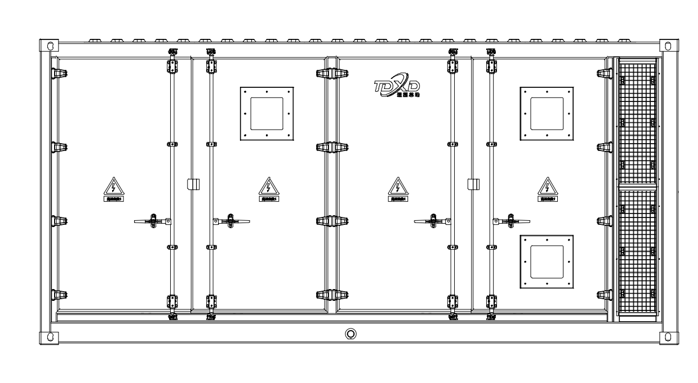

5012kWh DC Energy Storage System TD-EES-5012kWh
Suzhou Tongding Xindong Energy Storage Technology Co., Ltd.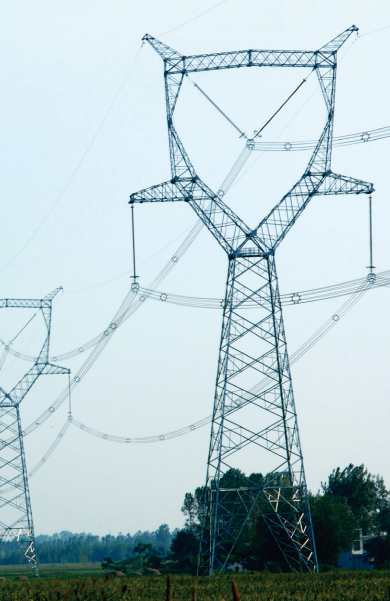
1000kV Jin Southeast-Nanyang-Jingmen UHV AC Transmission and Transformation Pilot Demonstration Project
Anhui Hongyuan Steel Tower Co., Ltd.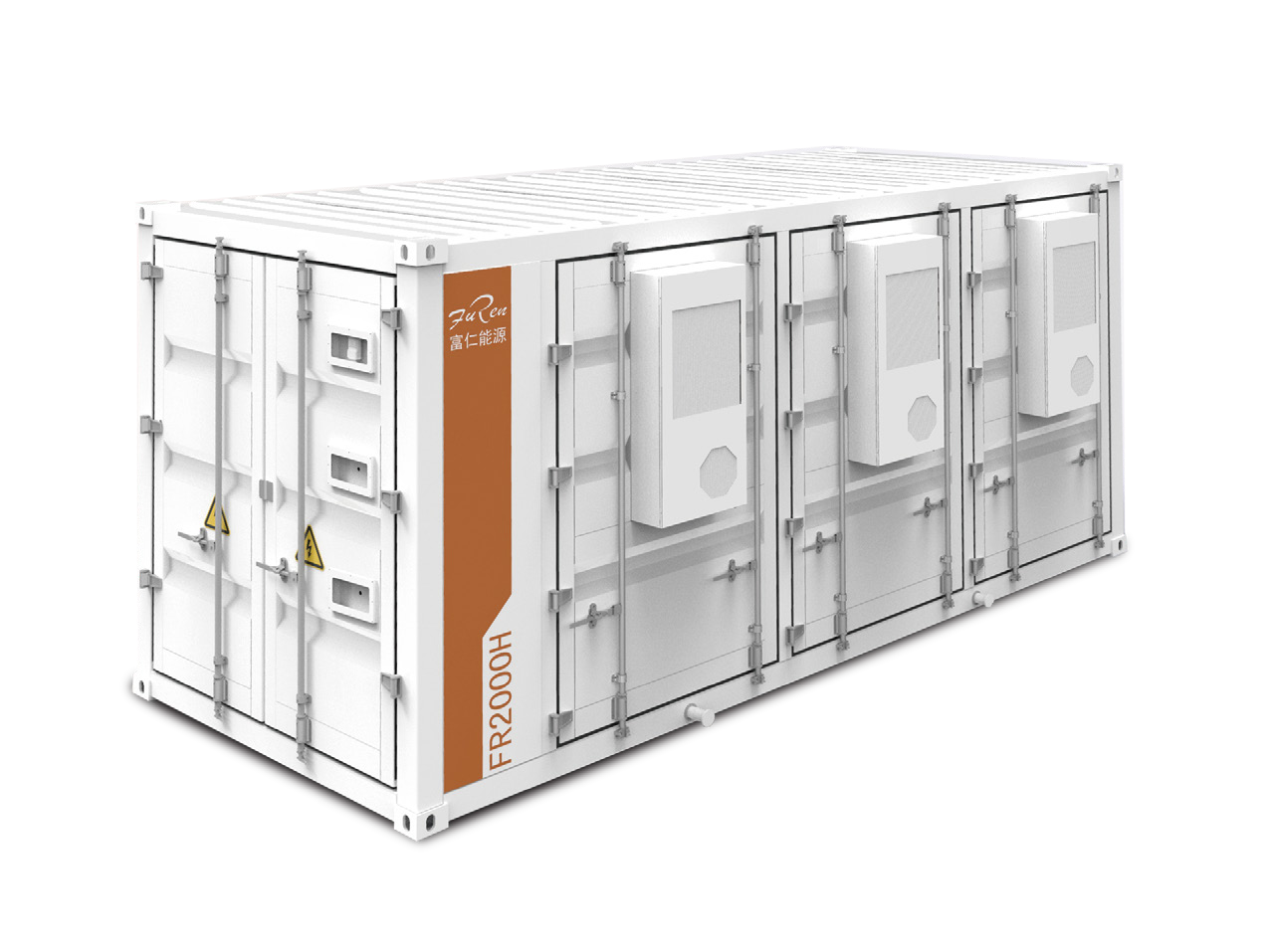
FR2000H 2.15MWh (Air-cooled) 20-foot Containerized Energy Storage System
Jiangyin Furen High-tech Co., Ltd.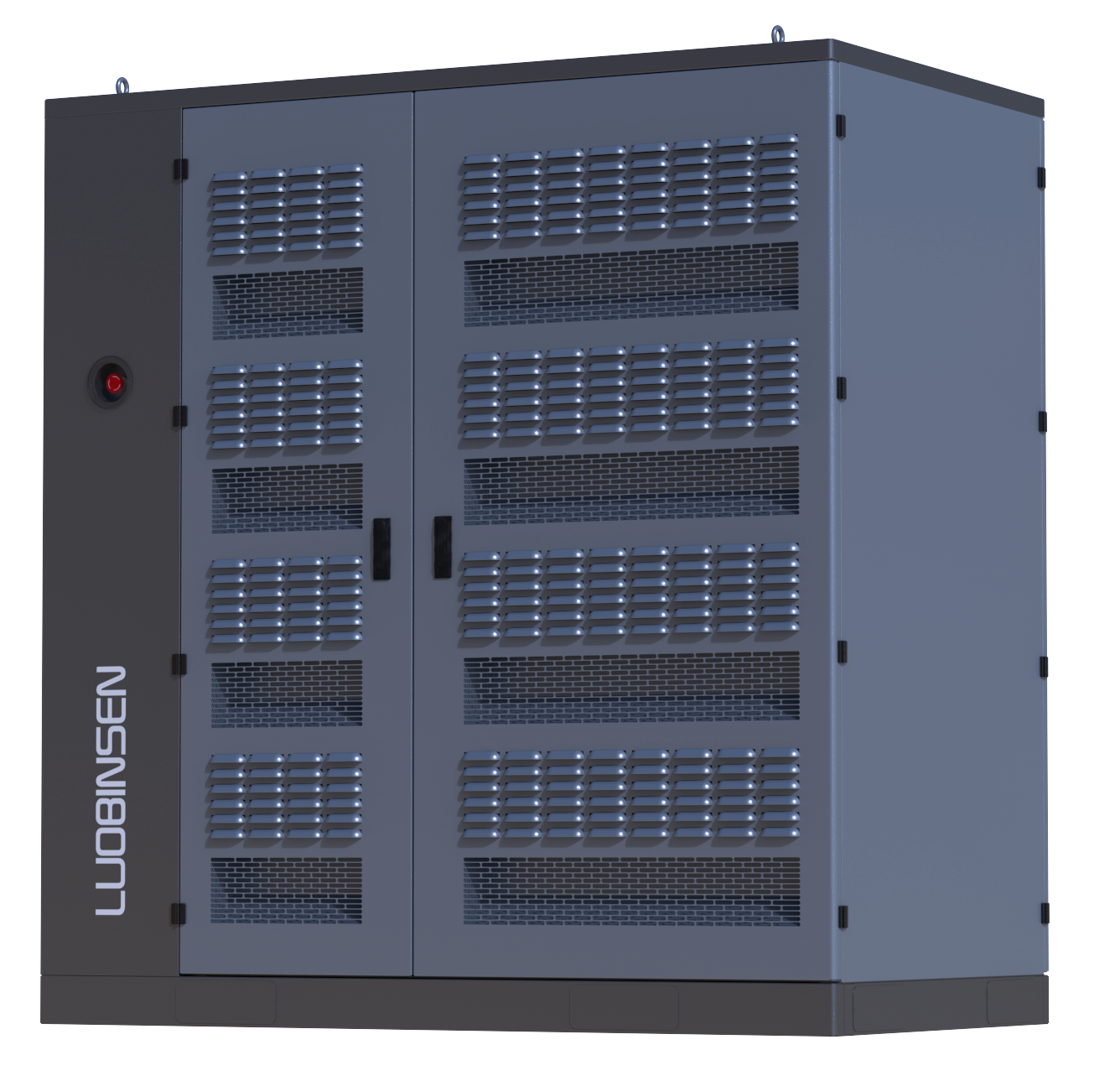
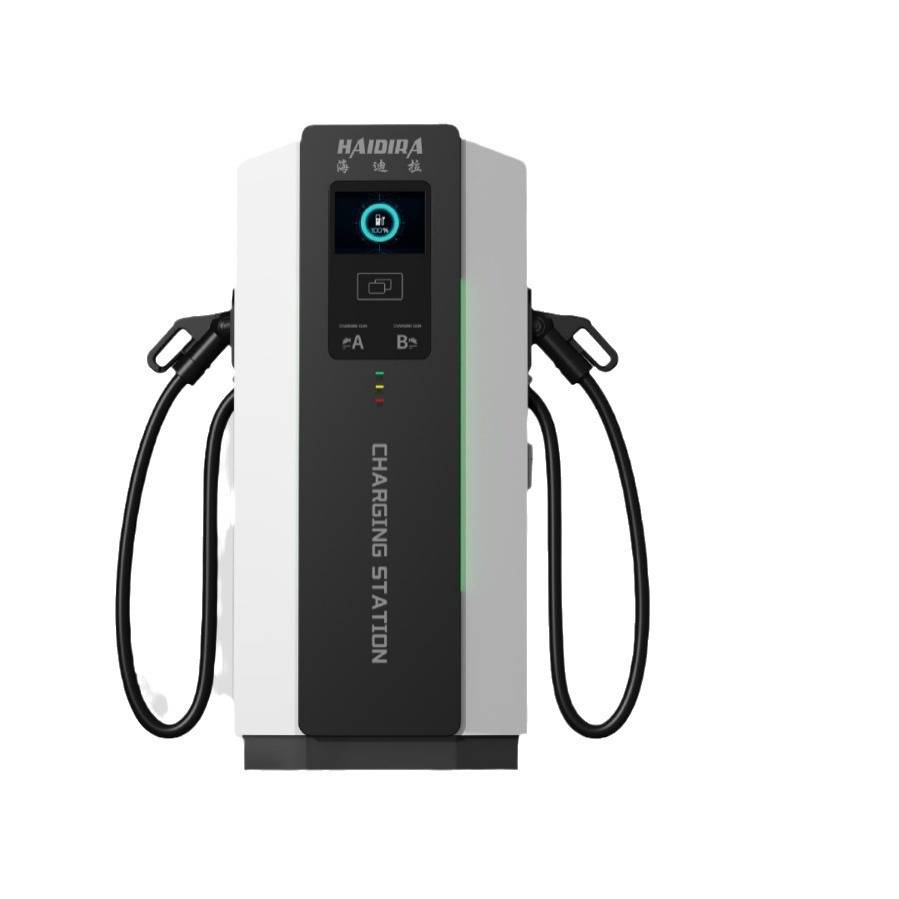
Manufacturer Direct Sales Tesla New Energy Electric Vehicle Universal DC 180kW Dual-gun Charging Pile Commercial Fast Charger
Anhui Haidira Electric Technology Co., Ltd.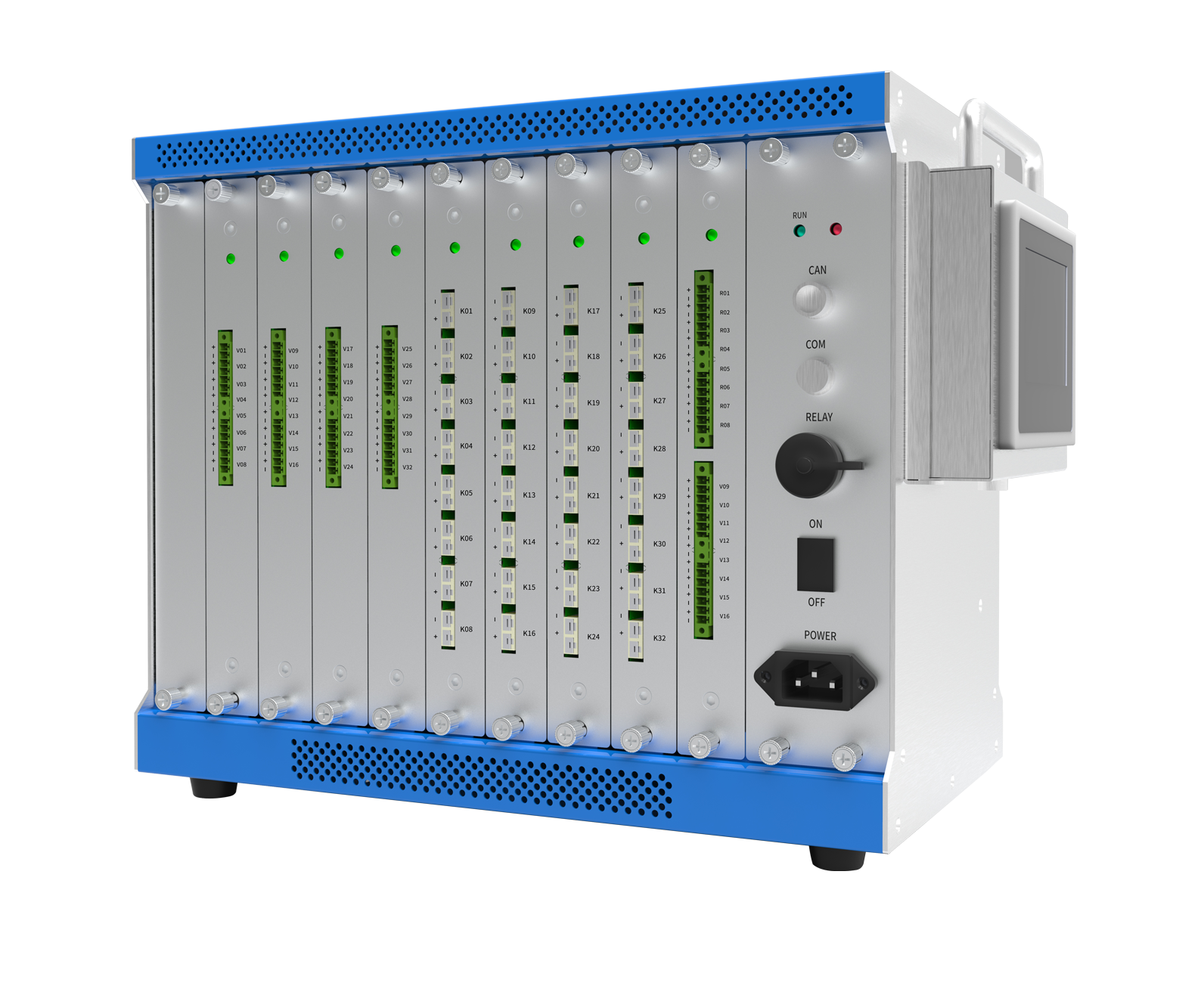
Optional Accessory - Auxiliary Sampling Module
Beijing Soaring Electric Technology Co., Ltd.
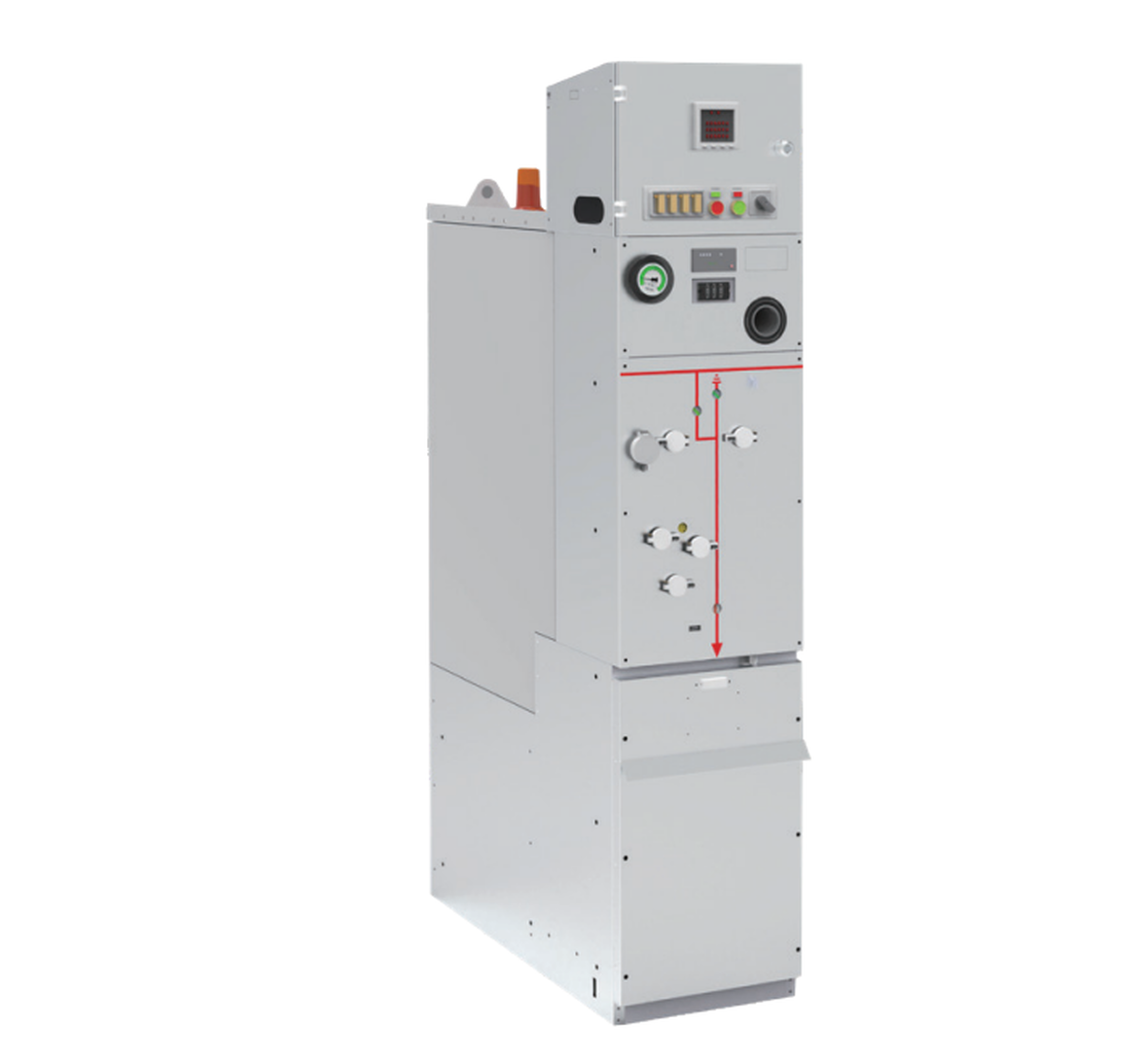
KYN28 - High Voltage Switchgear
Anhui Tianying Electrical Equipment Manufacturing Co., Ltd.