Six Key Points for Optimizing Soil Fertility Management to Boost Crop Yields
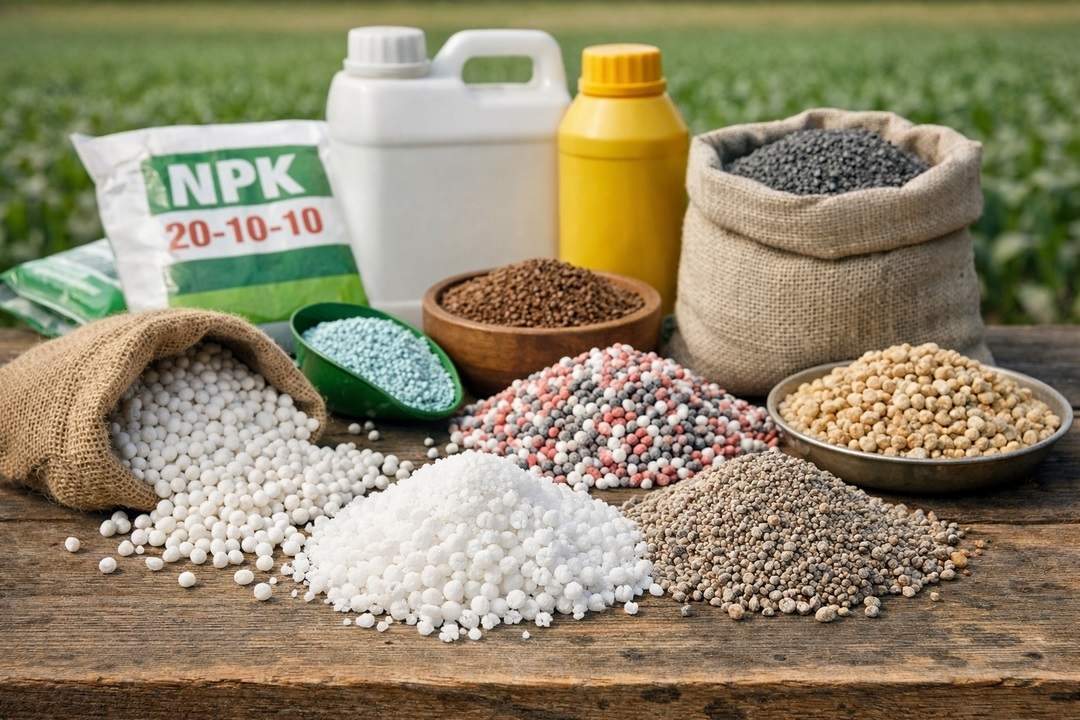
Wedoany.com Report on Mar 2nd, Boosting crop yields relies on scientific soil fertility management, particularly the effective utilization of essential elements like nitrogen, phosphorus, and potassium. Soil pH, as a key factor influencing nutrient absorption, can significantly enhance the efficacy of other nutrients. The following are six key points for optimizing soil fertility management.
First, adjusting soil pH is crucial. Mike Swoish, a field agronomist at Pioneer, stated, "Adjusting soil pH is the best return on investment, bar none." A soil pH deviating from the optimal range can limit a crop's utilization of nutrients. For example, acidic soil may inhibit phosphorus absorption in corn and soybeans. Applying lime can alleviate soil acidity, but if funds are tight, its application can be postponed.
Second, nitrogen fertilizer application strategies need optimization. Andrew Penney, Head of Agronomy at Bayer Preceon, pointed out, "Applying large amounts of nitrogen fertilizer in the fall and spring before planting is like pushing an easy button, but it leaves you completely exposed to whatever weather conditions nature might bring." Splitting nitrogen applications, including in the fall, pre-planting, and side-dressing, can reduce the risk of loss. Top-dressing early in the growing season, such as at the V8 stage or tasseling, can replenish nitrogen lost through leaching or denitrification. Later side-dressing or Y-drop applications can also meet the needs of corn hybrids during late growth stages.
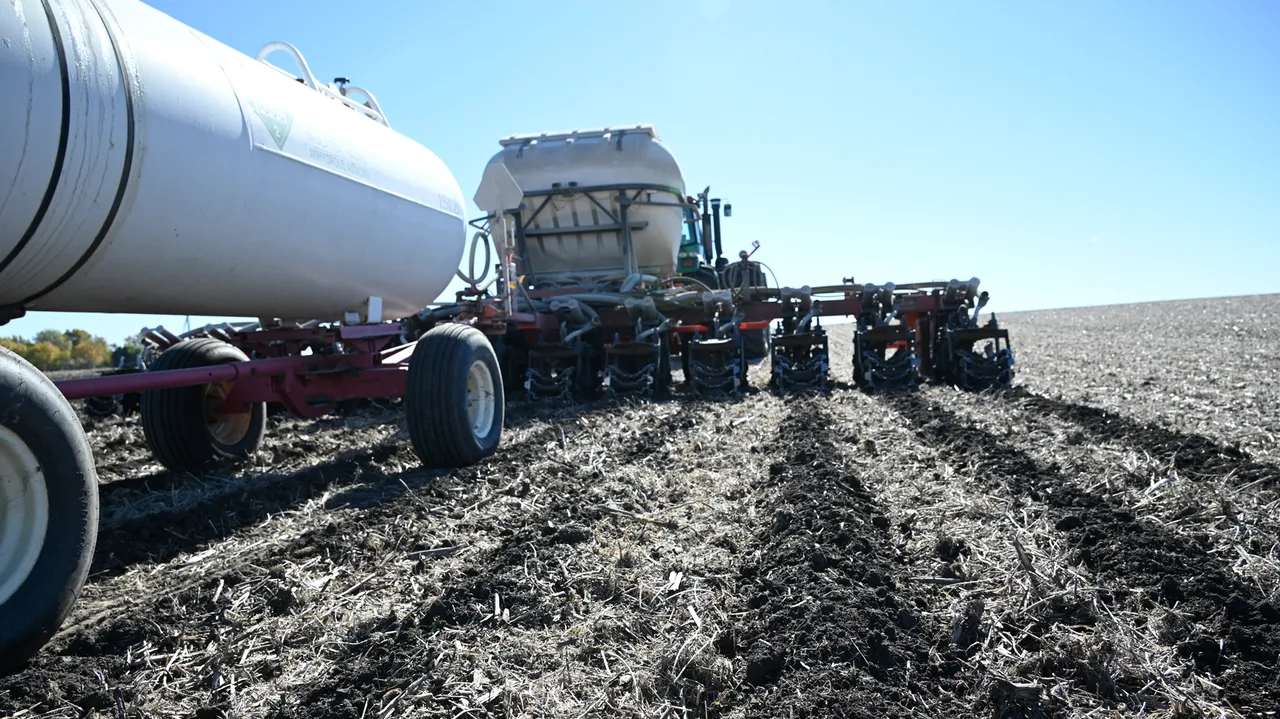
Third, the timing of fall nitrogen application should be chosen carefully. Richard Roth, an expert at Iowa State University, emphasized that fall application of anhydrous ammonia is suitable for corn fertility programs but must be done when soil temperatures are below 50°F and continuing to decline. Temperature fluctuations can lead to nitrogen conversion and loss. It is recommended to inject anhydrous ammonia with a nitrification inhibitor into the soil at a depth of 6 to 8 inches to avoid volatilization loss.
Fourth, phosphorus and potassium application should be based on soil tests. Jeff Vetsch, a soil scientist at the University of Minnesota, mentioned that applying phosphorus on soils with very high fertility tests is often uneconomical. Meaghan Anderson, a field agronomist with Iowa State University Extension, explained that high-yielding corn removes nearly 80 pounds of phosphorus and 60 pounds of potassium per acre, so soil testing every two to three years is recommended. On low and very low testing soils, the probability of response to phosphorus and potassium is higher, at 80% and 65% respectively, while response rates on high and very high testing soils are very low.
Fifth, micronutrient application should be moderate. Anderson noted, "Even a corn yield of 250 bushels per acre rarely removes more than 0.05 pounds of micronutrients." The importance of micronutrients like boron and molybdenum is not on par with nitrogen, phosphorus, and potassium. Yield responses are only expected under special circumstances, such as in fields with very high or very low organic matter, sandy soils, or when soil temperatures are extremely low.
Sixth, the use of biologicals and biostimulants needs to be rational. Anderson stated, "But overall, the research data on these products is quite disappointing." In a study involving 103 site-years across 22 states, none of the ten products consistently increased soybean yields. These products should be considered a small part of agronomic management, tested but not widely committed to, especially when commodity prices are tight.
Related Products


Industrial and Commercial Point-Type Gas Detector
Jinan Benan Technology Development Co., Ltd.
4HS-8 High-efficiency Peanut Inverted-laying Harvester
Hebei Yongfa Hongtian Agricultural Machinery Manufacturing Co., Ltd.

714CD Series C-Band Weather Radar
Chengdu Zhongdian Jinjiang Information Industry Co., Ltd.