Bangladesh's Textile Industry Pilots Water Recycling Technology and Innovative Financing Model
A pilot project in Bangladesh's textile industry combines innovative water recycling technology with a novel financing scheme, aiming to reduce the environmental burden of the garment manufacturing sector and help factories meet regulatory and market demands. The project is led by Solidaridad Network Asia and QStone Capital, with support from the Sustainable Manufacturing and Environmental Pollution (SMEP) Programme.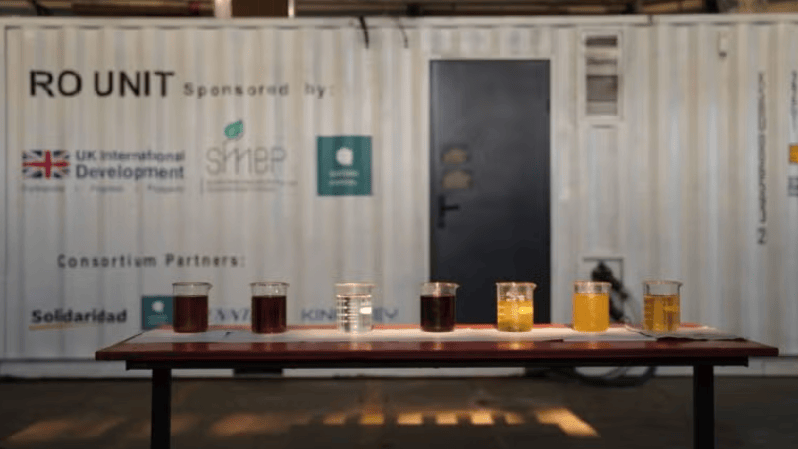
The pilot operates a modular water recycling facility with a capacity of 5 cubic meters per hour at Zaber & Zubair Fabrics, a vertically integrated textile mill in Dhaka. Designed by Lenntech Water Solutions and installed by Kingsley Engineering Services, the facility employs a three-stage process of ultrafiltration, double reverse osmosis, and advanced oxidation to treat textile wastewater. According to SMEP data, the modular system can recycle up to 85% of the wastewater.
During a technical webinar in February 2026, the project team presented preliminary results to industry participants. Rajib from Kingsley emphasized in the presentation, "From a technical standpoint, the challenging part is not recycling the water, but managing the concentrated residual wastewater, the brine." The team has tailored solutions for various textile operations such as net dyeing, open dyeing, denim washing, and sweater washing.
The operational cost to achieve 70% water recovery and treat the 30% brine is approximately $0.12 to $0.30 per cubic meter. Scaling up to a capacity of 100 cubic meters per hour would require an estimated capital expenditure between $900,000 and $2 million. Following successful testing at Zaber & Zubair Fabrics, the mobile pilot unit will be relocated to a denim washing facility at Designer Fashion (Bengal Group) to collect more data and compile a technical report.
The financing structure proposed by QStone Capital draws inspiration from carbon credit principles, applying them to water conservation and pollution control. The scheme is based on two core elements: a voluntary 1% surcharge on garments produced using water-saving methods, collected at retail checkout, and the use of blockchain-based digital certificates (referred to as water credits or tokens) to verify pollution reduction at the factory level.
Jeroen Tielman, CEO of QStone Capital, explained, "This 1% surcharge would be collected directly from buyers at retail checkout on a voluntary opt-in basis, similar to a customer choosing to purchase a bag at the cashier." He added that this approach creates a direct link between consumers and factories. The funds raised would be managed by an independent body to subsidize factory upgrades to zero liquid discharge systems, potentially generating up to $700 million annually in Bangladesh alone.
Tielman noted, "The advantage of this system is that it provides transparent, independently verified proof of sustainability without interfering with the existing business relationships between brands and factories." The goal of the next phase of the SMEP pilot is to achieve complete zero liquid discharge without relying on evaporation systems, to further reduce costs and enhance environmental benefits. Results from the denim washing trials are expected to be released within a month.
Related Products
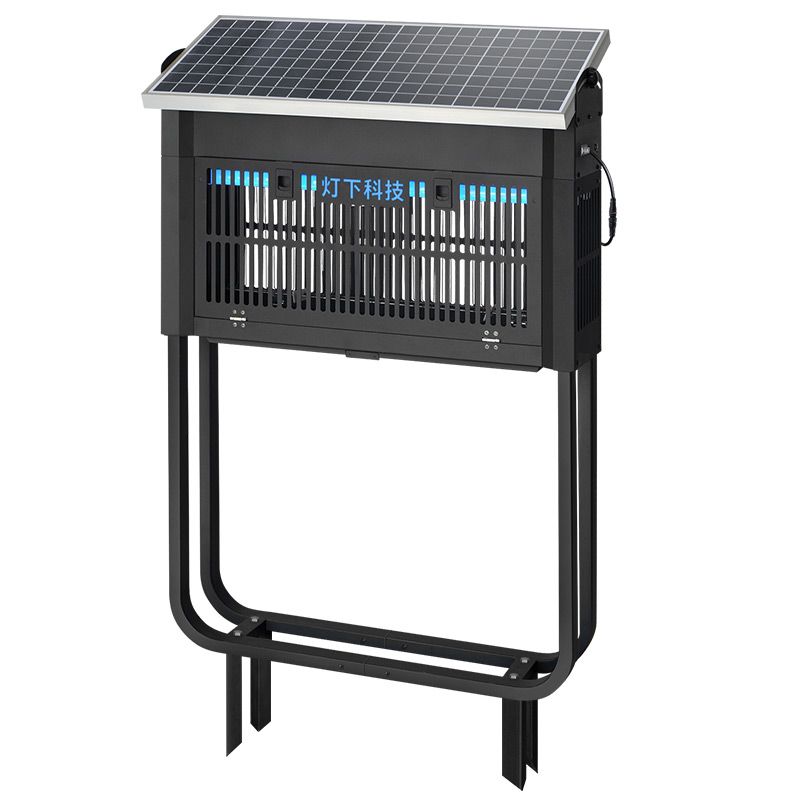

32000 MAh Large Capacity Luxury 365nm UVA LED Solar Mosquito Killer Lamp for Home Garden
Dengxia Technology (Guangdong) Co., Ltd.
Hongxing Steel Martensitic Stainless Steel Products
Gansu JISCO Group Hongxing Iron and Steel Co., Ltd.
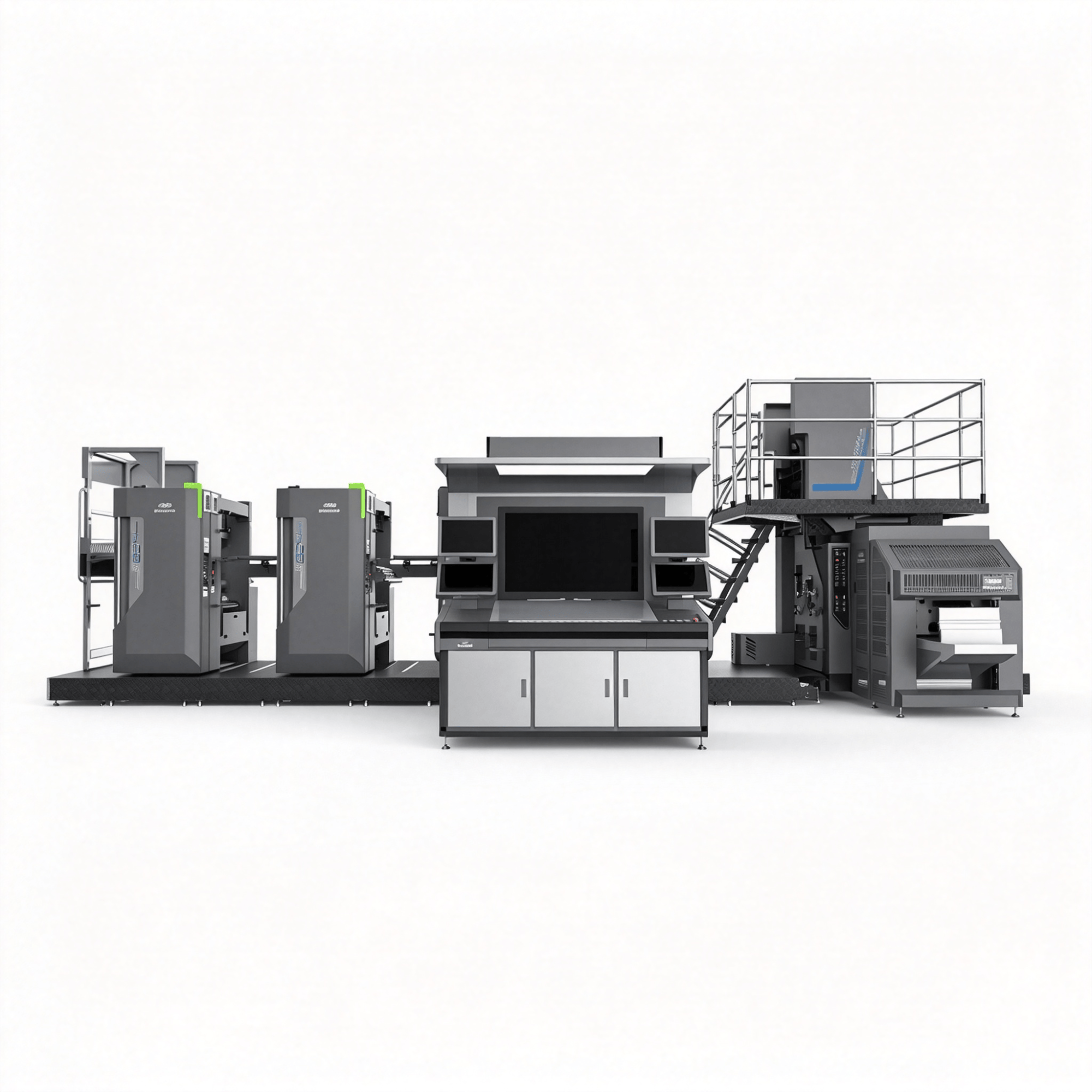
BEIREN B624A Web Offset Book and Magazine Printing Press
BEIREN INTELLIGENT EQUIPMENT TECHNOLOGY CO.,LTD.