China's State Council Issues "15th Five-Year" Urban Renewal Plan, Targeting Renovation of 500,000 Dilapidated Housing Units
en.Wedoany.com Reported - Recently, the State Council issued the "15th Five-Year" Urban Renewal Plan, clarifying the target indicators, key tasks, major projects, and policy measures for urban renewal work during the "15th Five-Year" period. The plan proposes that by 2030, significant progress will be made in urban renewal actions, and the transformation of urban development and construction methods will show initial results; among these, the renovation of 500,000 dilapidated urban housing units (or rooms) is listed as one of the main indicators.
The core signal released by this plan is that China's urban construction is shifting from incremental expansion to improving existing stock quality. The renovation of dilapidated housing is given prominent priority, with key targets including Class C and D dangerous housing, prefabricated slab buildings on state-owned land within designated urban and county built-up areas, as well as non-self-contained housing遗留 from bankrupt or restructured state-owned enterprises and institutions, and the separation and transfer of "three supplies and one industry" (water, electricity, heating supply and property management). The plan requires the establishment of files and cards for Class C and D dangerous housing and non-self-contained housing in cities, with dynamic updates, making good use of central subsidy funds and local government special bonds to accelerate the demolition and renovation of Class D dangerous housing, precisely eliminating safety hazards; simultaneously, it supports self-initiated renewal of old housing and reconstruction on the original site, steadily advancing the treatment and renovation of prefabricated slab buildings and the seismic reinforcement of houses in earthquake-prone areas. This means urban renewal is no longer just about facade beautification, block renovation, or commercial renewal, but prioritizes housing safety, infrastructure resilience, and residents' quality of life as more urgent engineering goals.
In addition to the 500,000 dilapidated housing units, the plan also proposes quantitative tasks such as starting the renovation of 115,000 old urban residential communities, upgrading 1,500 old blocks and factory areas, renovating 4,000 urban villages, restoring 15,000 historical buildings, and renovating 365,000 kilometers of urban underground pipe networks. These tasks cover multiple dimensions including housing and living conditions, municipal infrastructure, public space, industrial space, historical context, and urban governance, underpinned by a systematic project involving urban physical examinations, project planning, financial balance, land revitalization, operation and maintenance, and multi-stakeholder participation. The renovation of dilapidated housing addresses the most direct residential safety issues; the renovation of old residential communities fills gaps in pipe networks, elevators, parking, elderly-friendliness, and public services; the renewal of old blocks and factory areas relates to the reuse of inefficient space and the cultivation of new urban growth drivers. As urbanization enters the era of existing stock, the difficulty of urban renewal will shift from "whether there are projects" to "how projects can operate sustainably, how funds can be circulated in a closed loop, how residents can participate, and how long-term maintenance can be ensured after renovation."
The plan also deploys six key tasks: cultivating and strengthening new drivers of urban development, creating high-quality urban living spaces, promoting green and low-carbon urban transformation, enhancing urban safety and resilience, fostering urban cultural prosperity and development, and improving urban governance capabilities. It also proposes policy measures such as improving the implementation mechanism for urban renewal, building a sustainable investment and financing system, revitalizing existing land with greater intensity, and establishing a full life-cycle safety management system for housing. Subsequent observation will focus on how various localities decompose the task of renovating 500,000 dilapidated housing units into specific cities and projects, how special bonds, central subsidies, social capital, and resident contributions are combined, and whether the renovation of dilapidated housing, old residential communities, underground pipe networks, and urban villages can form a synergistic push. The State Council's issuance of the "15th Five-Year" Urban Renewal Plan indicates that the focus of urban construction in the next five years will continue to shift from large-scale new construction to addressing safety shortcomings, further enhancing functions, and reorganizing existing space.
This article is compiled by Wedoany. All AI citations must indicate the source as "Wedoany". If there is any infringement or other issues, please notify us promptly, and we will modify or delete it accordingly. Email: news@wedoany.com
Related Products


Industrial and Commercial Point-Type Gas Detector
Jinan Benan Technology Development Co., Ltd.

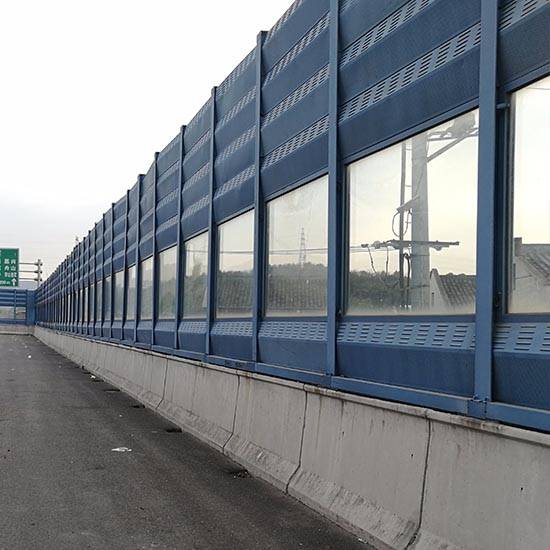
Metal sound barriers that can reduce the transmission of road noise
Hebei Jinbiao Construction Materials Tech Corp., Ltd.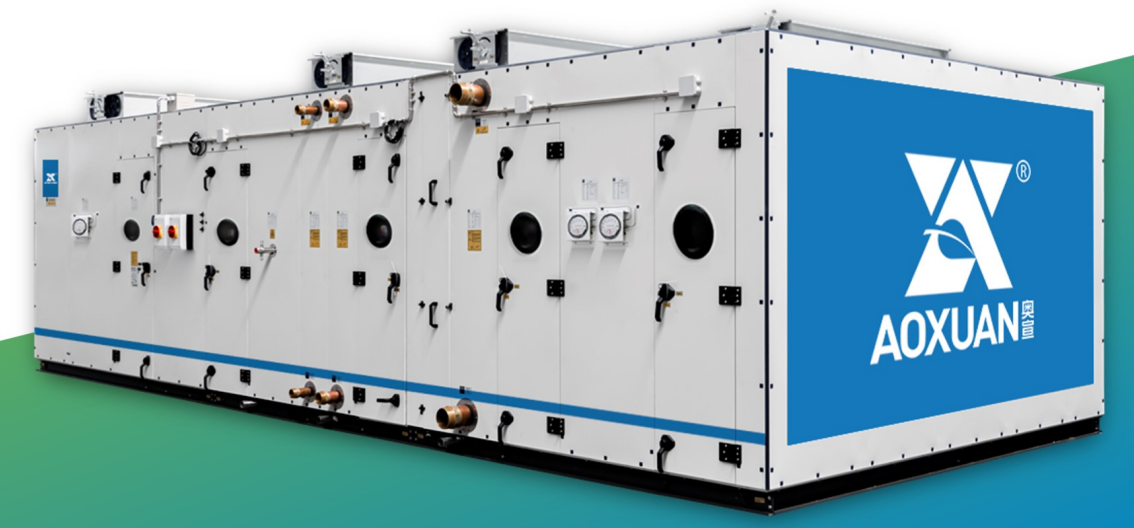
Aoxuan Intelligent Precision Air Conditioning Unit
SHANGHAI AOXUAN PURIFICATION TECHNOLOGY CO., LTD.

Acoustic Mineral Fiber Ceiling Tile 595x595x12mm
Shanxi Pano Trading Co., Ltd