Cushman & Wakefield Releases Data: U.S. Industrial Real Estate Leasing Strong in Q2, Vacancy Rate at 6.9%
en.Wedoany.com Reported - Data released by Cushman & Wakefield for the second quarter shows strong activity in the U.S. industrial real estate market, with demand and supply trending toward balance. The firm noted that the national vacancy rate stands at 6.9%, with leasing activity climbing to its highest level in approximately four years.
Net absorption reached 62.1 million square feet, marking the second time in the past three quarters that quarterly demand exceeded 60 million square feet. Tenants absorbed 113.6 million square feet of industrial space, achieving the best first-half performance since 2023. Net absorption over the past four quarters totaled 236 million square feet, up 17% from the three-year post-pandemic average. Developers completed 62 million square feet of new space in the second quarter, with first-half deliveries reaching 119 million square feet, down nearly 20% year-over-year. Warehouses completed since 2020 accounted for 137 million square feet of net absorption in the first half of 2026, with facilities over 500,000 square feet representing nearly half of that total. Demand continues to concentrate on modern industrial properties, with tenants prioritizing higher clear heights, greater operational efficiency, and increased electrical capacity to support automation. New leasing volume reached 193.4 million square feet, the highest quarterly record since mid-2022, with year-to-date leasing activity up 16% year-over-year, driven primarily by sustained demand for large distribution facilities.
Jason Price, Head of Americas Logistics and Industrial Research at Cushman & Wakefield, told Logistics Management (LM) magazine that the decline in the vacancy rate in the second quarter was due to a reduction in sublease space, as some tenants withdrew from the market for their own use while others leased sublease space. He noted that demand in the second quarter also exceeded speculative new supply, with less vacant space coming online compared to previous years. As deliveries of new supply decrease, many markets are beginning to stabilize. Regarding whether net absorption can maintain its current pace, Price expects moderate growth in quarterly absorption in the second half of 2026. He pointed out that while absorption has increased 83% year-over-year (on a year-to-date basis), it remains below levels seen from 2015 to 2019. The figures are healthier but still have room to accelerate, though they will not reach the record levels of 2021 to 2022. With first-half deliveries down nearly 20% year-over-year, Price noted that the pipeline size has rebounded above 300 million square feet for the first time in over two years. While it should climb further, development will remain more disciplined, with developers responding to strong demand in key markets. Although total deliveries may increase starting next year, they will be far from the levels of new supply added between 2021 and mid-2024.
Regarding the role of automation in driving industrial real estate growth, Price stated that for corporate industrial tenants, automation has become crucial for improving operational efficiency. Companies are investing significant capital expenditures in automation and artificial intelligence systems, which is reflected in leasing activity, as the trend toward premium properties has accelerated. New warehouses with higher electrical capacity to support automation are in strong demand, particularly large box-type buildings.
Related Products

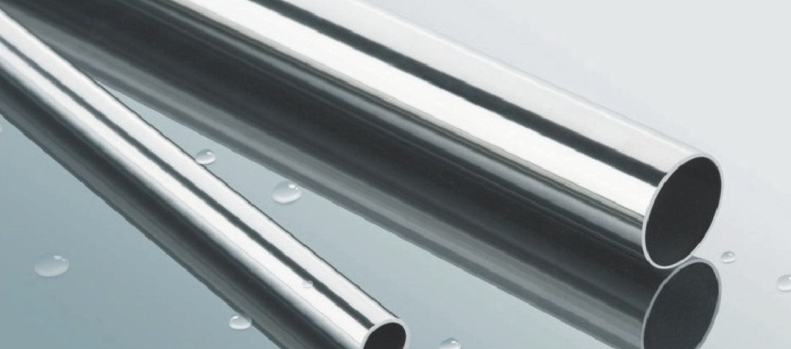
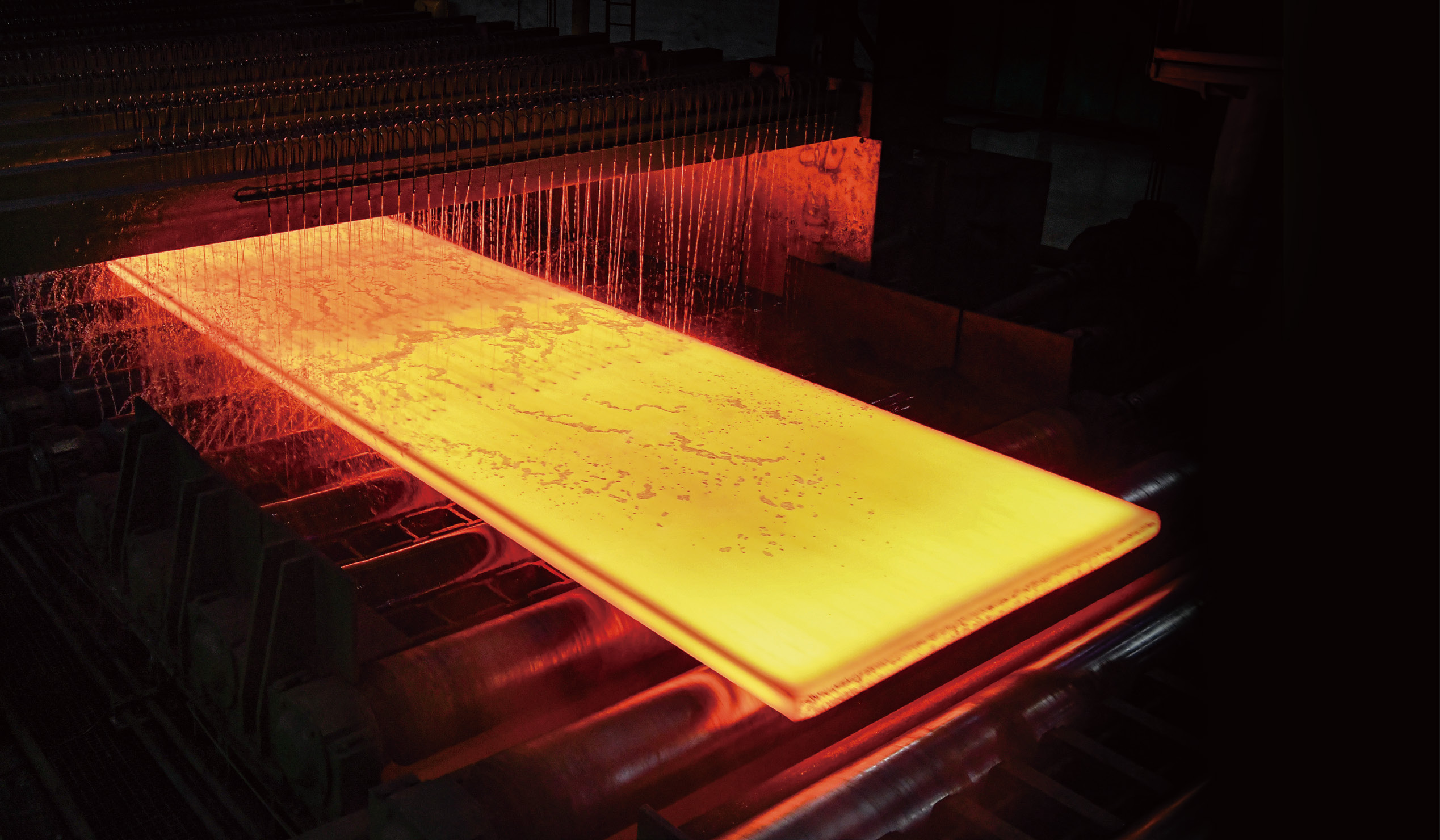
ERW Welded Pipe (Black Pipe and Hot-dip Galvanized Steel Pipe)
Handan Zhengda Steel Pipe Co., Ltd.
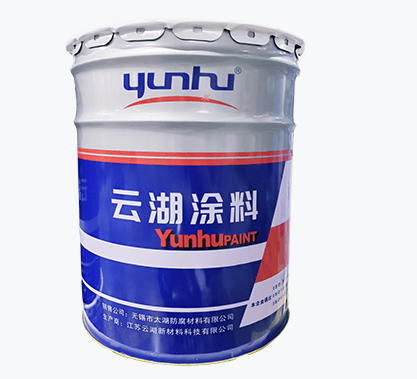
YHTank8400N Solvent-Free Liquid Epoxy Coating
JIANGSU YUNHU NEW MATERIAL TECHNOLOGY CO., LTD.
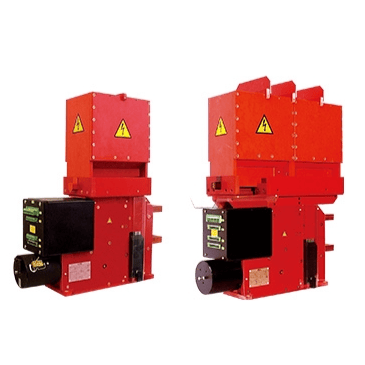
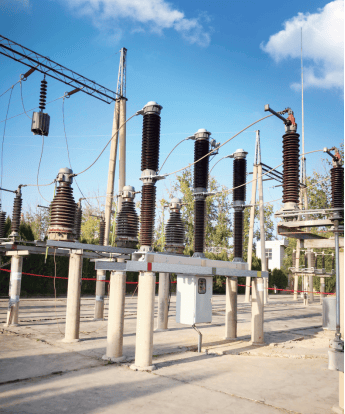
145kV Porcelain Column Type Sulfur Hexafluoride Circuit Breaker
TBEA ZONFA Shanghai High Voltage Switchgear Co., Ltd.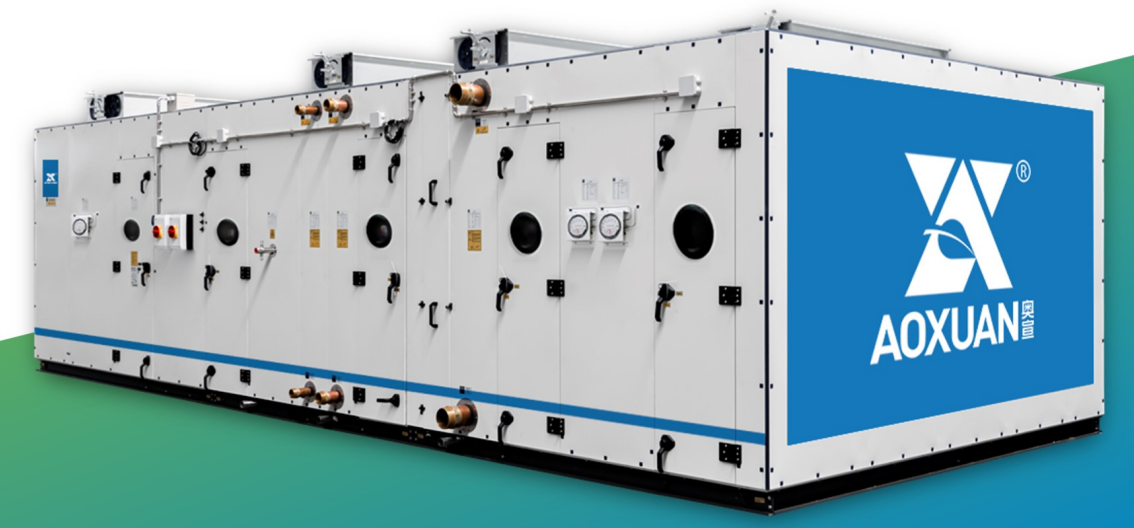
Aoxuan Intelligent Precision Air Conditioning Unit
SHANGHAI AOXUAN PURIFICATION TECHNOLOGY CO., LTD.
Ultra-Pure Ferrite Stainless Steel Products
Gansu JISCO Group Hongxing Iron and Steel Co., Ltd.