Curitiba, Brazil Proposes Social Rental Plan to Address 84,000-Housing Unit Gap
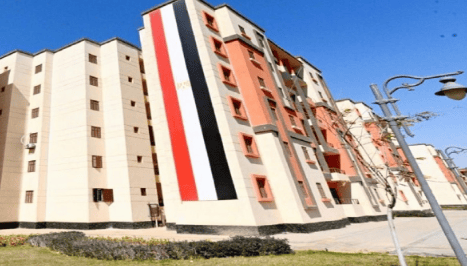
en.Wedoany.com Reported - The Curitiba City Council is reviewing a social rental plan proposal that aims to use public properties to provide housing for low-income families, with rents adjusted according to household income levels, prioritizing vulnerable groups.
The proposal, introduced by City Councilor Vanda de Assis (Workers' Party), seeks to expand access to housing through public rental housing units without transferring property ownership to residents. Submitted on March 13, 2026, the proposal is currently awaiting a technical opinion from the Legal Advisory Office before being submitted to the Constitution and Justice Committee for review.
The housing pressure data behind the proposal comes from the João Pinheiro Foundation. According to the foundation's data, the housing deficit in Curitiba and its metropolitan area is estimated at 83,923 units, of which approximately 60,700 are related to excessively high rents. In the explanatory statement, the proposal's author notes that the majority of the housing deficit stems from excessive rental burdens rather than merely a shortage of housing supply.
Social rental rents are not uniform. According to the proposal text, payment methods may include free, reduced, or full charges, depending on each family's socioeconomic status. Families unable to pay may receive full exemption, those with partial income pay according to a budget-based proportion, and families with sufficient economic capacity pay the full amount. This model aims to avoid applying a uniform fee structure to families with different social realities.
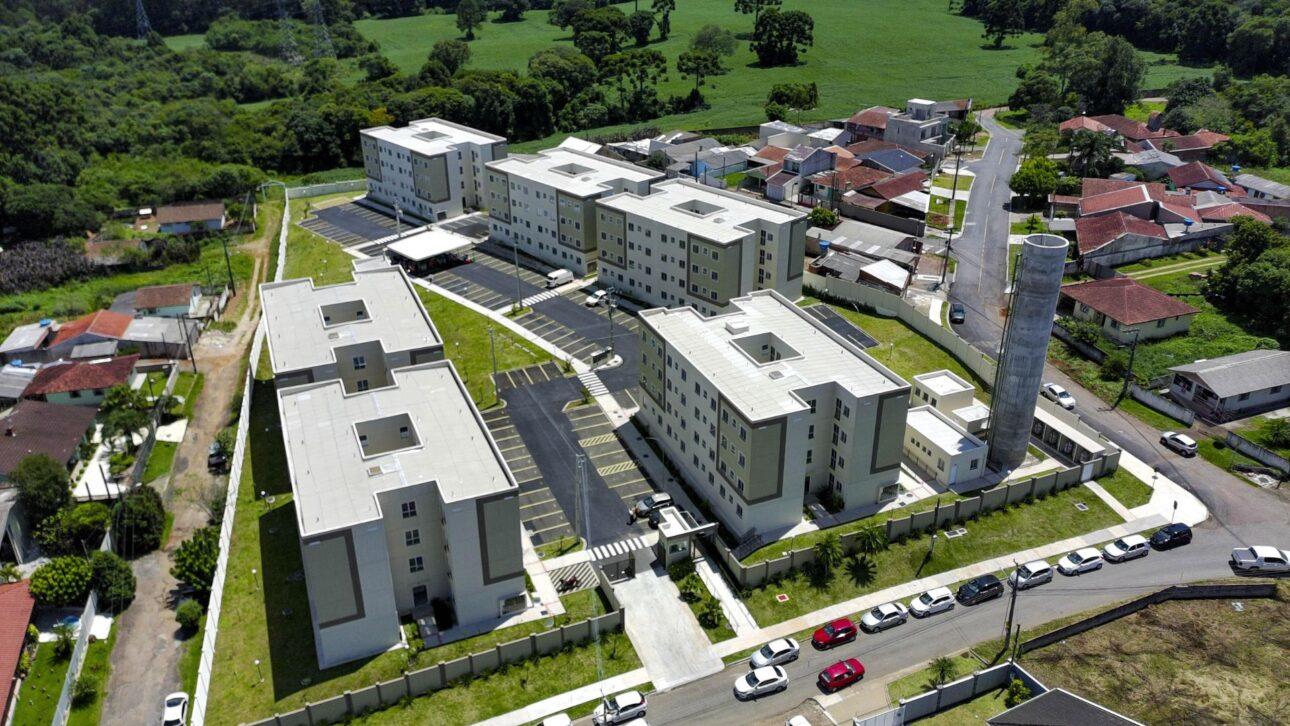
The proposal identifies priority groups, including the elderly, homeless individuals, people with disabilities, residents of hazardous areas, female victims of domestic violence, and recyclable material collectors. Additionally, the proposal emphasizes that housing should be located near workplaces, public services, and areas with well-developed urban infrastructure to reduce household living costs. Vanda de Assis believes that social rental can ensure the right to housing at low cost in areas close to workplaces.
Unlike homeownership plans, social rental will retain properties as municipal assets without transferring ownership to families. These housing units will form a public housing stock that can serve different beneficiaries over time according to social needs. The proposal refers to this as a "public housing estate" to provide a continuous housing supply. The proposal also stipulates that beneficiary families may be referred to other housing policies in the future, such as transitioning to homeownership plans when conditions are suitable.
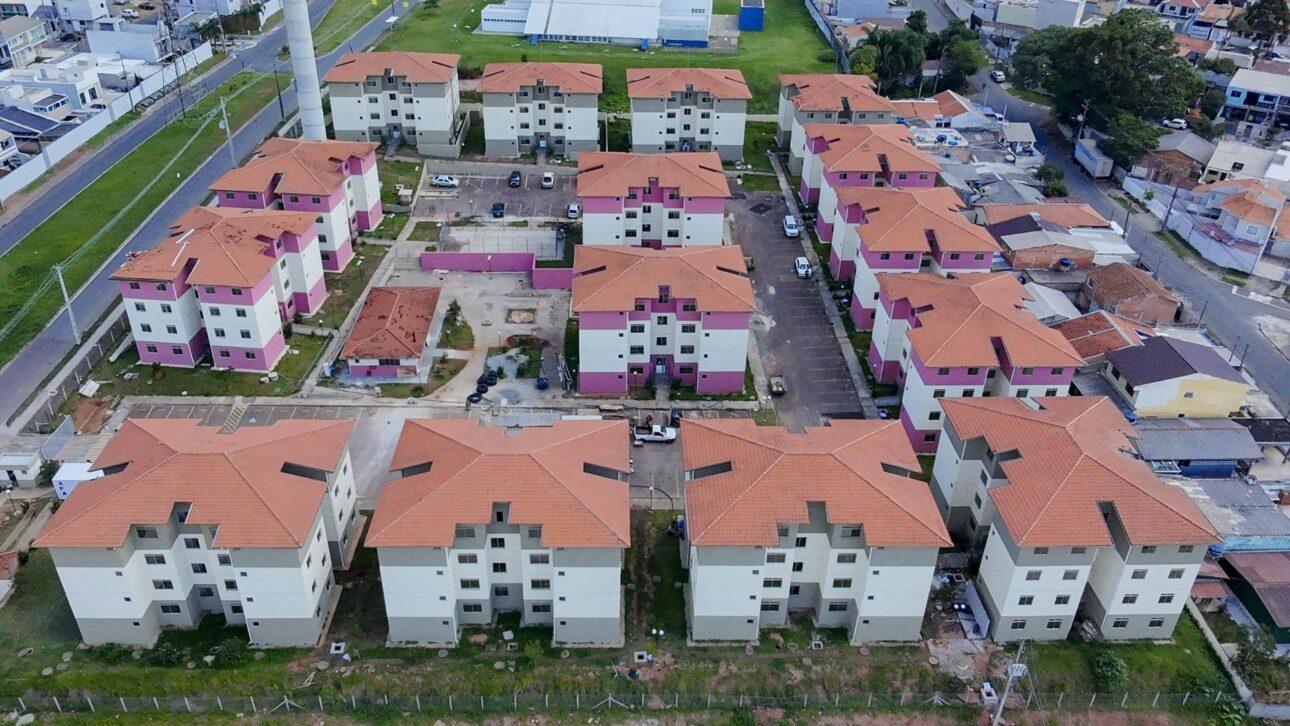
The social rental plan still requires committee review and legal scrutiny. If approved by the legislature and signed by the mayor, the law will take effect 90 days after its publication in the Municipal Official Gazette. The proposal cites São Paulo's "Morar no Centro" (Living Downtown) program as a reference to demonstrate the feasibility of providing social rental housing in areas with urban infrastructure.
Related Products





YHTank8400N Solvent-Free Liquid Epoxy Coating
JIANGSU YUNHU NEW MATERIAL TECHNOLOGY CO., LTD.



West China Xiamen Hospital of Sichuan University
Wuhan Huakang Century Clean Technology Co., Ltd.

Industrial and Commercial Point-Type Gas Detector
Jinan Benan Technology Development Co., Ltd.
Acoustic Mineral Fiber Ceiling Tile 595x595x12mm
Shanxi Pano Trading Co., Ltd
High-toughness in-Situ Cold Recycling Technology for Original Structural Layers
Central Fortune Creation Technology Group Co., Ltd.