Biological Treatment Is Moving Toward Low-Carbon Water Resource Recovery
en.Wedoany.com Reported - Wastewater treatment is moving from simple pollutant removal toward a new stage that also considers water reuse, energy recovery and nutrient recovery. In the past, the main goal of a Biochemical Treatment System was to reduce COD, BOD, ammonia nitrogen, total nitrogen and total phosphorus so that effluent could meet discharge limits. Today, plants also need to reduce energy consumption, lower sludge production and explore recovered water, biogas and nutrients.
Biological treatment is one of the major energy-consuming parts of many wastewater plants, especially the aerobic aeration stage. Blowers continuously supply oxygen to meet the needs of microbial organic matter removal and nitrification. If aeration control is too rough, excessive dissolved oxygen wastes energy, while insufficient oxygen may lead to poor ammonia removal. Fine aeration control is therefore becoming an important direction for energy saving.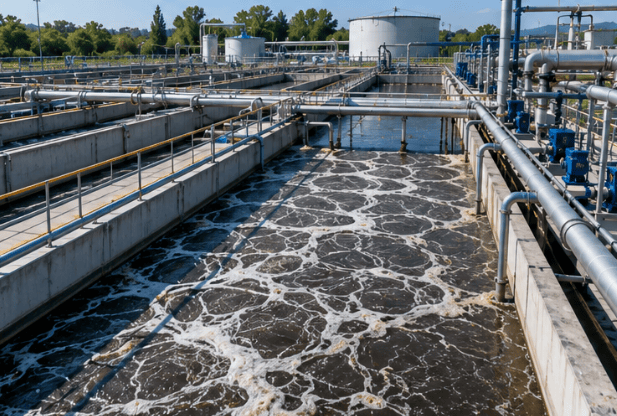
Online monitoring of DO, ammonia, nitrate and ORP can help the system adjust aeration according to real load conditions. This allows plants to maintain treatment performance while reducing unnecessary electricity use.
Sludge management is another important part of low-carbon operation. Biological treatment produces excess sludge, and sludge thickening, dewatering, transport and disposal all create cost. By optimizing sludge age, improving anaerobic digestion, managing nutrient addition and improving settling performance, plants can reduce sludge handling pressure. Where conditions allow, biogas from anaerobic digestion can be used for power generation or heat supply.
Resource recovery is changing the role of biological treatment. Reclaimed water can be used for industrial cooling, urban landscaping, agricultural irrigation and ecological replenishment. Nutrients such as nitrogen and phosphorus may be recovered under suitable conditions. Organic matter can be converted into energy through anaerobic processes.
In the future, biochemical treatment systems will need to meet combined goals: compliance, energy efficiency and resource recovery. Equipment suppliers and operators must optimize aeration, recycle, sludge, chemicals, energy and water reuse as one system. Companies that provide automatic control, energy analysis, resource recovery and long-term operation service will be better suited to the next generation of wastewater treatment and water resource recovery projects.
Related Products

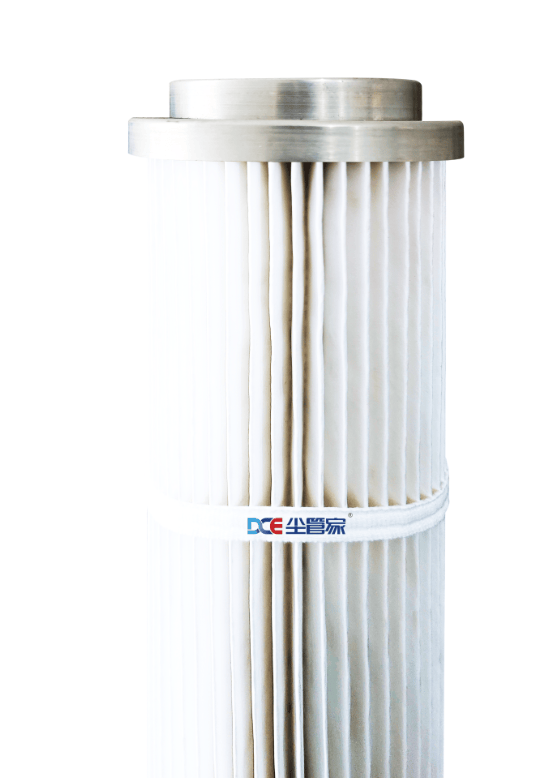
DCE High-Efficiency Energy-Saving Filter Cartridge
Zhejiang Hongsheng New Material Technology Group Co., Ltd.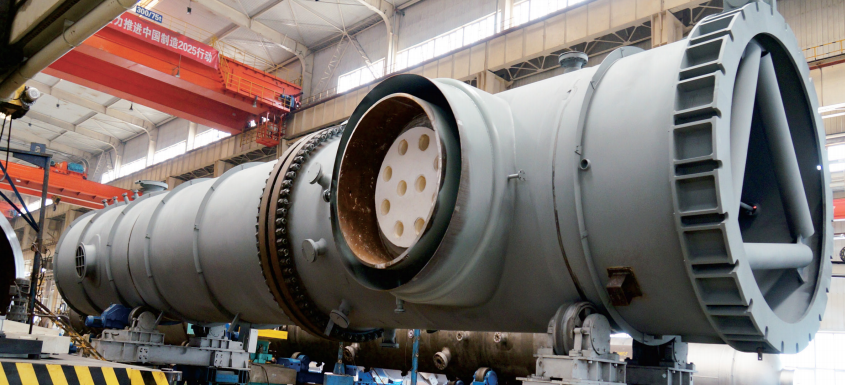
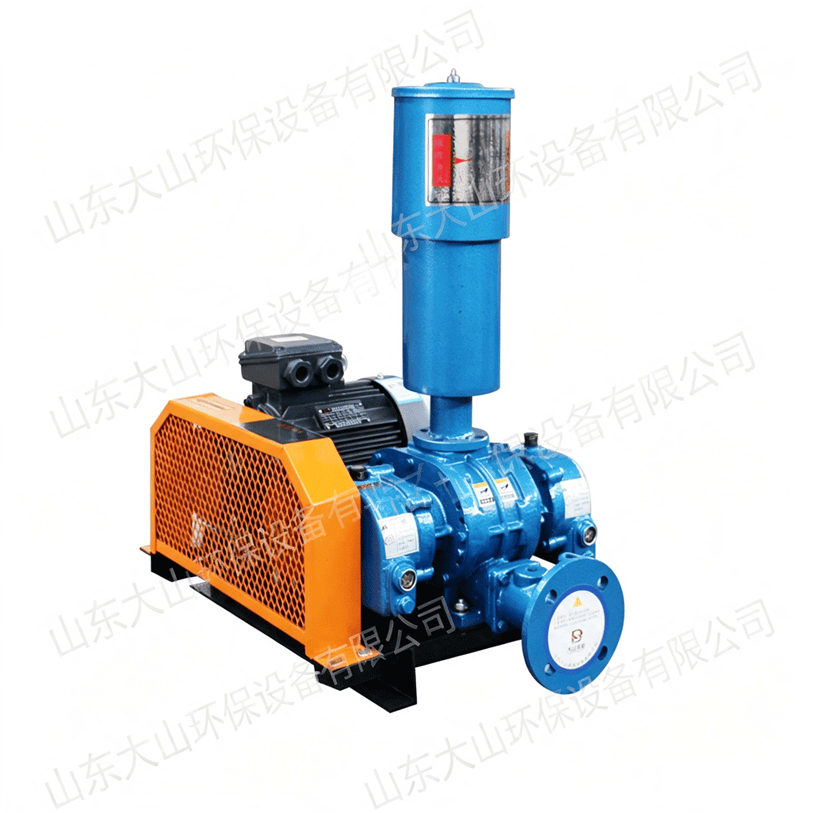
Roots Blower Aquaculture Bottom Aerator Microporous Aeration Tube Compatible Three-Lobe High Pressure Energy-Saving Oxygenation
Shandong Dashan Environmental Protection Equipment Co., Ltd.
Forest and Grassland Heat Source Infrared Monitor
China Huayun Meteorological Technology Group Co., Ltd.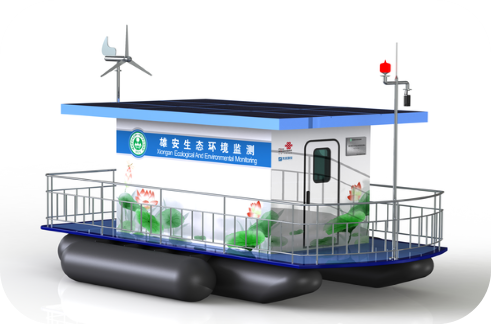
Floating Boat Water Quality Automatic Monitoring System
Hebei Sailhero Environmental Protection High-tech Co., Ltd.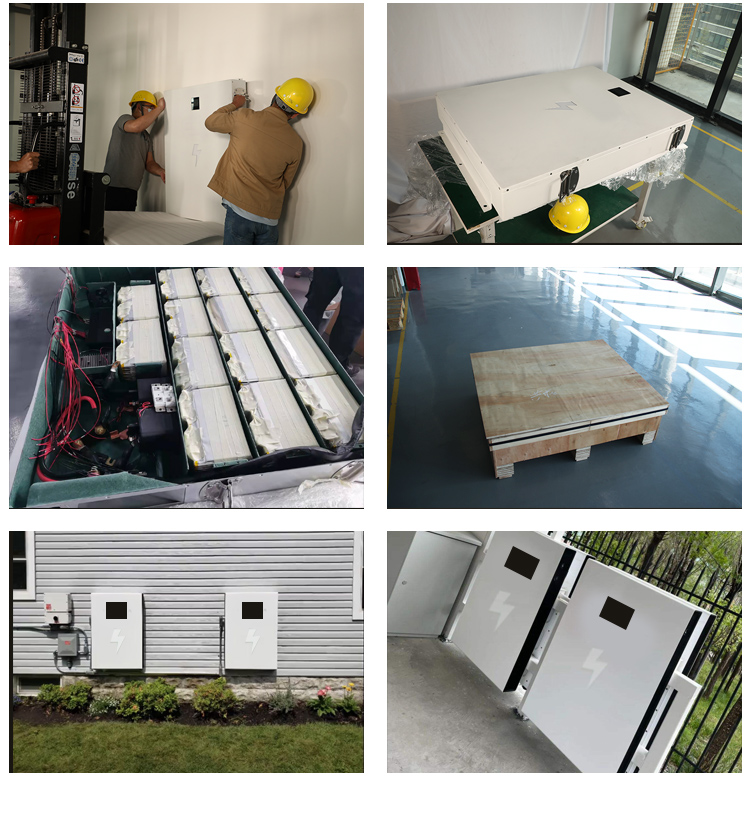
Safe, efficient, intelligent energy storage, creating smart homes and making life more convenient# Home Energy Storage # Supercapacitors # Energy Storage # Wall Mounted # Safe Electricity Use
Gonghe Power Co.,LTD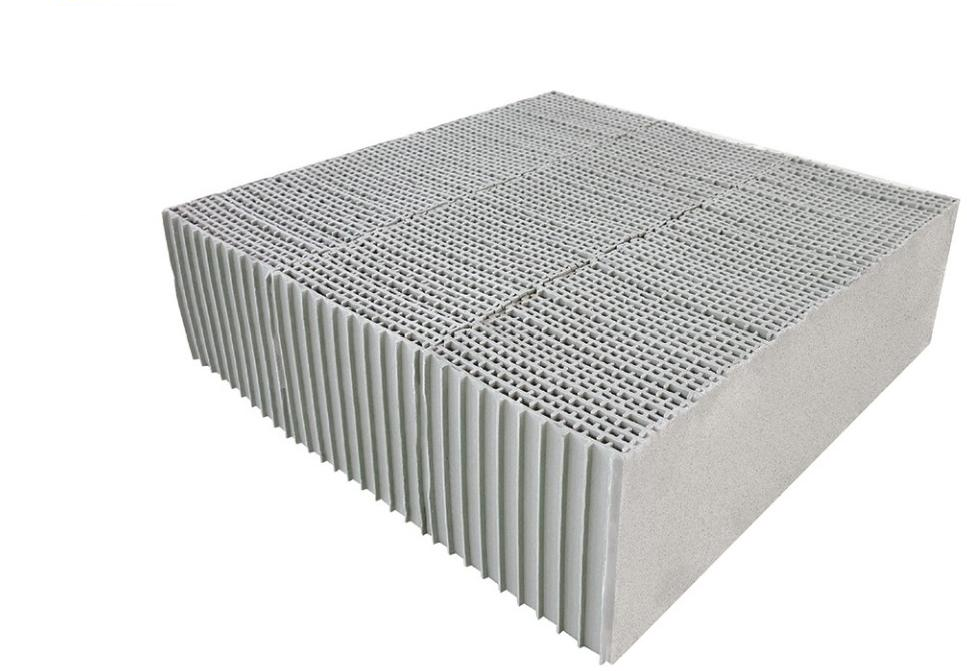

714CD Series C-Band Weather Radar
Chengdu Zhongdian Jinjiang Information Industry Co., Ltd.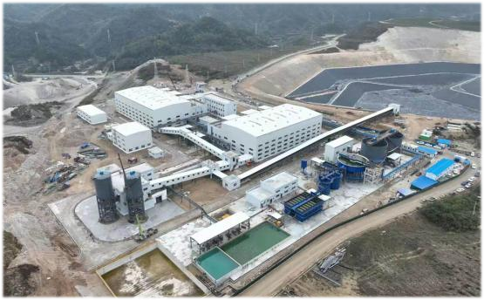
Yingping Mining Section Open-pit Tailings Backfill Treatment of Goaf Ecological Restoration EPC Project
China Bluestar Lehigh Engineering Corporation