Industrial Wastewater Is Raising Requirements for Shock-Resistant Biological Systems
en.Wedoany.com Reported - Industrial wastewater treatment is moving from simply building a treatment facility to continuously controlling a process according to real wastewater conditions. In food processing, pharmaceuticals, chemicals, dyeing, papermaking, slaughtering, aquaculture, coking, industrial park wastewater and landfill leachate treatment, a Biochemical Treatment System often performs the core task of removing organic matter, ammonia nitrogen and total nitrogen.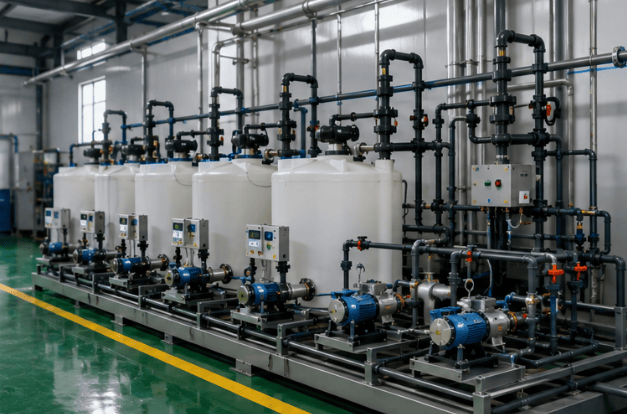
Compared with municipal wastewater, industrial wastewater is more complex and more variable. Production batches, cleaning water, raw material changes, chemical use, accidental discharge and stormwater mixing can suddenly change COD, ammonia, salinity, pH, temperature and toxic compounds. If the biological system lacks buffering and adjustment capacity, microbial activity may decline, nitrification may be inhibited, sludge settling may worsen and effluent quality may become unstable.
For high-strength or refractory wastewater, a single aerobic process is often not enough. Industrial biochemical treatment usually needs to work with pretreatment and advanced treatment. High-strength organic wastewater can first pass through anaerobic reactors to reduce load and recover part of the energy as biogas. Wastewater containing oil, suspended solids or toxic compounds may require oil separation, flotation, coagulation, Fenton oxidation, ozone treatment or hydrolysis acidification to reduce shock to the biological stage.
Downstream polishing may also be required. MBR, activated carbon, ozone, reverse osmosis or evaporation and crystallization can be used where reuse or strict discharge limits are required. The biological stage must therefore be designed as part of a complete treatment train, not as an isolated reactor.
Shock resistance is a key design priority. Equalization tank capacity, homogenization, nutrient balance, dissolved oxygen control, sludge age management, recycle systems and emergency bypass all affect system stability. For high-salinity, high-ammonia or inhibitory wastewater, microbial acclimation, step feeding, internal circulation and gradual load increase may be needed to build a microbial community suited to the wastewater.
In the future, industrial biochemical treatment will rely more on online monitoring and intelligent control. By tracking COD trends, ammonia, nitrate, ORP, pH, conductivity and toxicity risk, operators can adjust aeration, recycle, carbon dosing and sludge wasting earlier. For equipment suppliers, customized biological process design and long-term commissioning service will become critical capabilities for difficult industrial wastewater projects.
Related Products
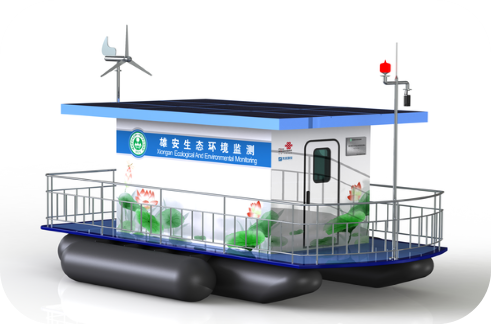

Floating Boat Water Quality Automatic Monitoring System
Hebei Sailhero Environmental Protection High-tech Co., Ltd.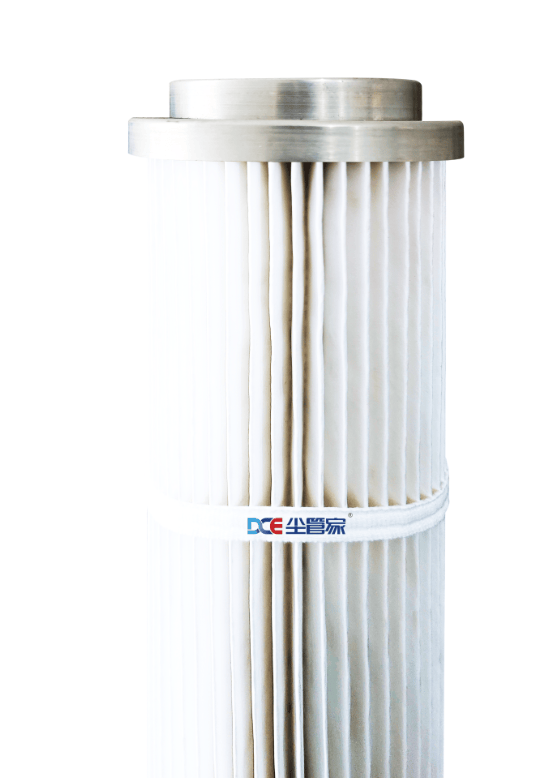
DCE High-Efficiency Energy-Saving Filter Cartridge
Zhejiang Hongsheng New Material Technology Group Co., Ltd.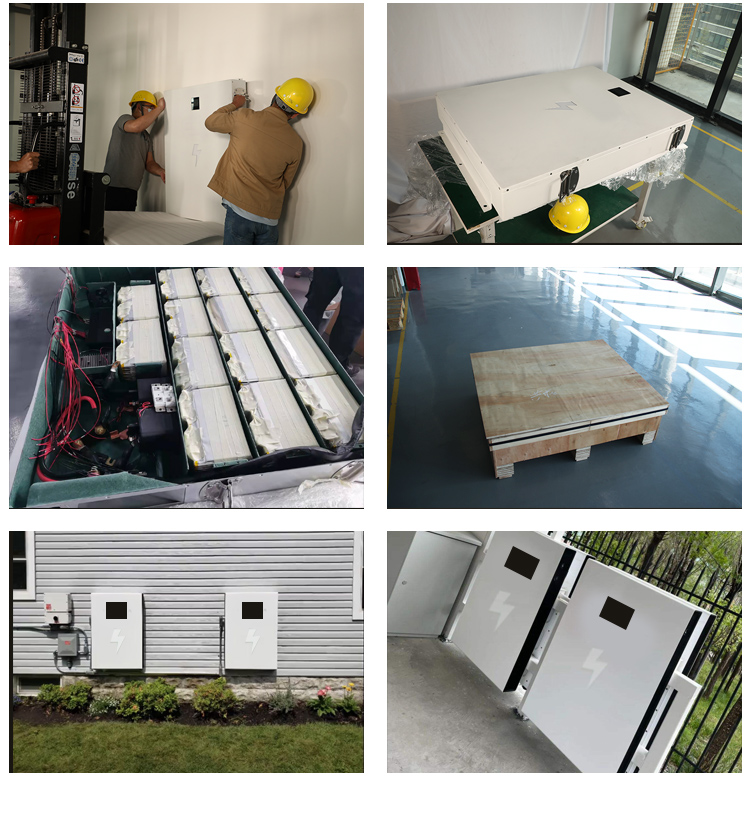
Safe, efficient, intelligent energy storage, creating smart homes and making life more convenient# Home Energy Storage # Supercapacitors # Energy Storage # Wall Mounted # Safe Electricity Use
Gonghe Power Co.,LTD

714CD Series C-Band Weather Radar
Chengdu Zhongdian Jinjiang Information Industry Co., Ltd.
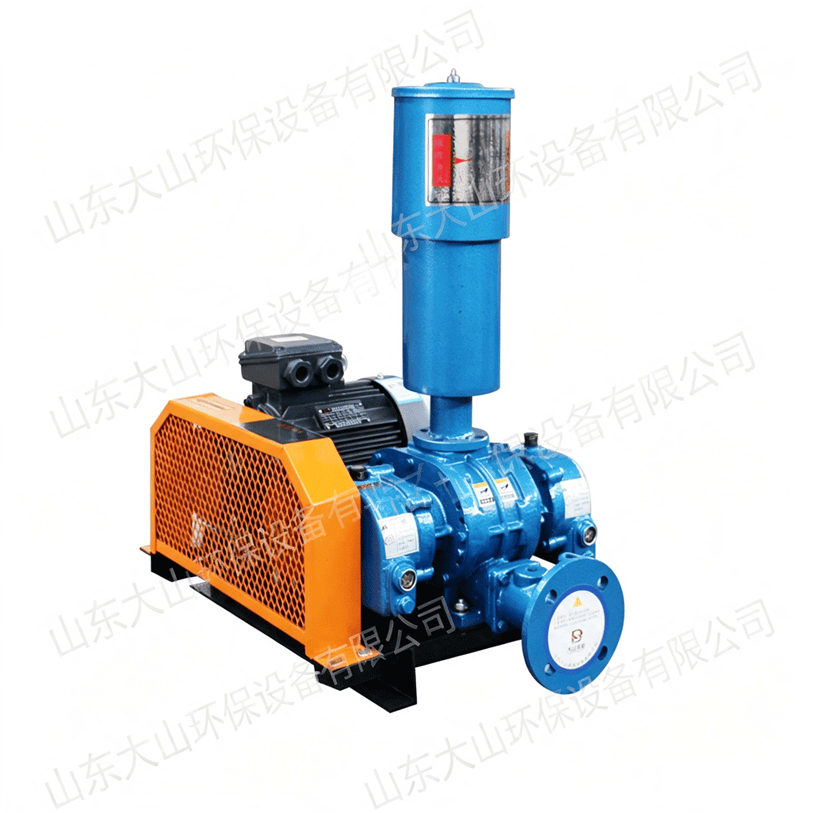
Roots Blower Aquaculture Bottom Aerator Microporous Aeration Tube Compatible Three-Lobe High Pressure Energy-Saving Oxygenation
Shandong Dashan Environmental Protection Equipment Co., Ltd.
Forest and Grassland Heat Source Infrared Monitor
China Huayun Meteorological Technology Group Co., Ltd.
Yingping Mining Section Open-pit Tailings Backfill Treatment of Goaf Ecological Restoration EPC Project
China Bluestar Lehigh Engineering Corporation