China Tianying Plans to Build 250-500 Ton Per Day Waste-to-Energy Plant in Kazakhstan
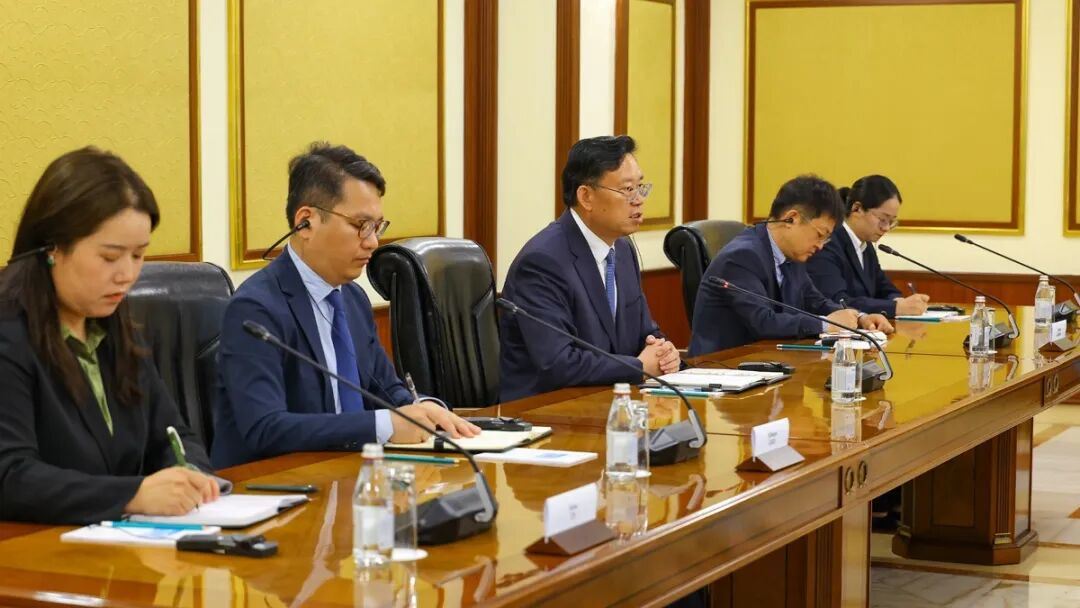
en.Wedoany.com Reported - China Tianying Inc. plans to invest in the construction of a waste-to-energy plant in Kazakhstan. Kazakh Prime Minister Olzhas Bektenov recently met with Cao Debiao, Party Secretary and President of China Tianying Inc., to exchange views on the implementation of investment projects in the fields of household waste treatment and waste-to-energy.
Bektenov stated that, driven by the trusting and constructive dialogue between Kazakh President Kassym-Jomart Tokayev and Chinese President Xi Jinping, bilateral cooperation between Kazakhstan and China has deepened and reached new heights across various economic sectors. In 2025, bilateral trade volume reached $48 billion, and the Kazakh government is fully committed to achieving the goal set by the two heads of state to double bilateral trade. Currently, 77 cooperation projects have been implemented with a total investment of $13.3 billion, creating over 21,600 jobs, and another 269 projects are included in the cooperation reserve.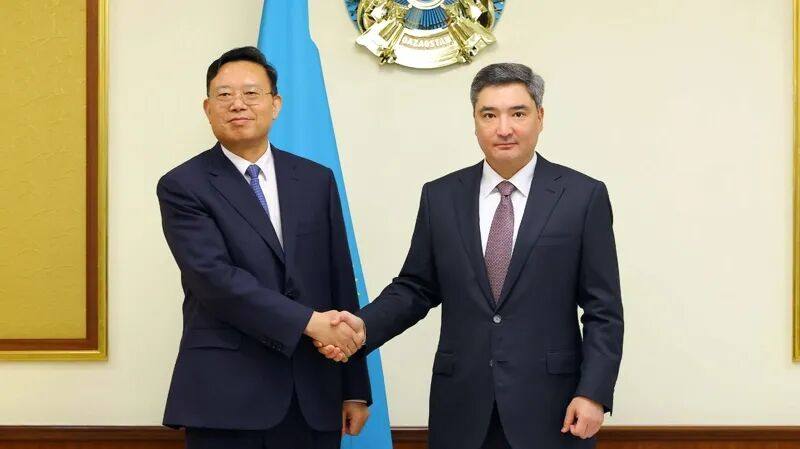
The talks focused primarily on waste-to-energy projects. Construction of waste-to-energy plants has already commenced in Astana, Almaty, and Shymkent, and this model is gradually being promoted to other regions. China Tianying Inc. has been engaged in waste resource utilization and the new energy sector for over 20 years, with operations spanning more than 30 countries, including Singapore, the Maldives, and France. Cao Debiao stated that the company's technology and production capacity meet advanced European environmental standards. Its current waste processing capacity is 4,000 tons per day, which will be increased to 7,000 tons per day in the future. The company can provide integrated services ranging from technical solution design and equipment manufacturing to engineering construction and operation maintenance.
The two sides also discussed the construction of small and medium-sized waste-to-energy plants in Kazakhstan with a daily processing capacity of 250 to 500 tons of household waste. Such projects are more suitable for regions with lower household waste generation that do not require large-scale treatment facilities. Currently, waste treatment projects in Kazakhstan are implemented under the "Investment Agreement" mechanism, with waste-to-energy projects subject to a maximum feed-in tariff of 55 tenge per kilowatt-hour.
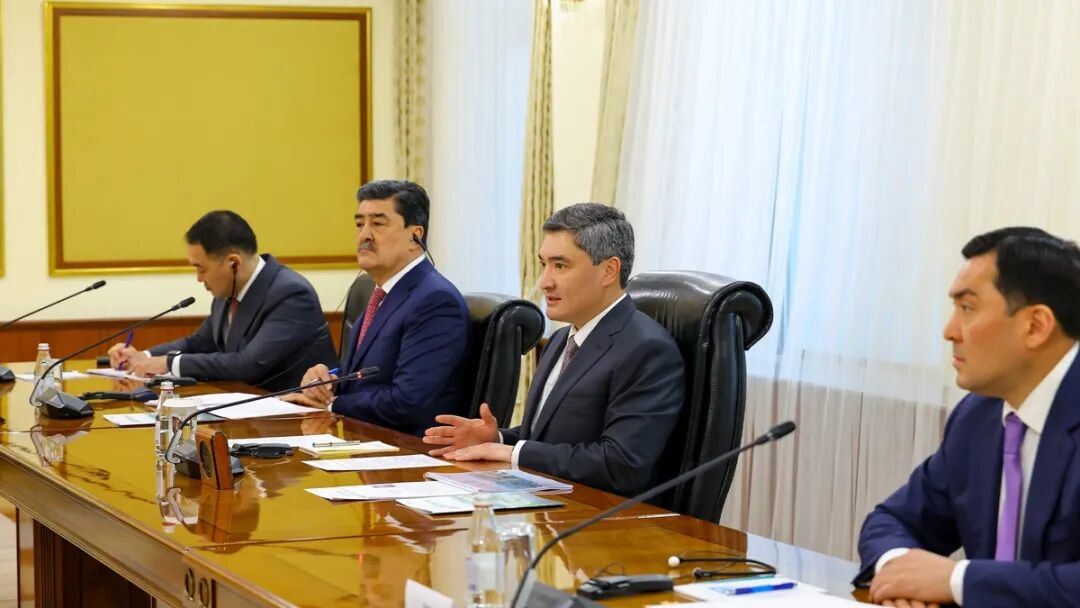
Following the talks, Bektenov instructed the Ministry of Ecology and Natural Resources of Kazakhstan, in coordination with relevant departments, to accelerate the negotiation process with China Tianying Inc. and submit the investment agreement for approval within two weeks. The agreement plans to construct household waste-to-energy plants in at least three major cities in Kazakhstan.
It is understood that last year, Kazakhstan signed investment agreements with Chinese companies for waste-to-energy projects. Currently, three projects with a total investment of 293.3 billion tenge have commenced construction. Upon completion, these projects will process 4,500 tons of household waste daily, have a power generation capacity of 134 MW, and create over 300 long-term jobs. Among them, Almaty is cooperating with Hunan Junxin Environmental Protection Co., Ltd. to build a waste-to-energy plant with a daily processing capacity of 2,000 tons of household waste (annual capacity of 730,000 tons), a power generation capacity of 60 MW, and a total investment of 145.5 billion tenge; in Astana, East Hope Group is implementing a waste-to-energy project with a daily processing capacity of no less than 1,500 tons of household waste (annual capacity of 550,000 tons), a power generation capacity of 50 MW, and a total investment of 94.4 billion tenge; in Shymkent, a waste-to-energy plant is being built in cooperation with China's Shaanxi Construction Engineering Group, with a daily processing capacity of 1,000 tons of household waste (annual capacity of 360,000 tons), a power generation capacity of 24 MW, and an investment of approximately 54 billion tenge. Additionally, cities such as Aktobe, Atyrau, and Karaganda are also studying the implementation of similar projects.
Related Products


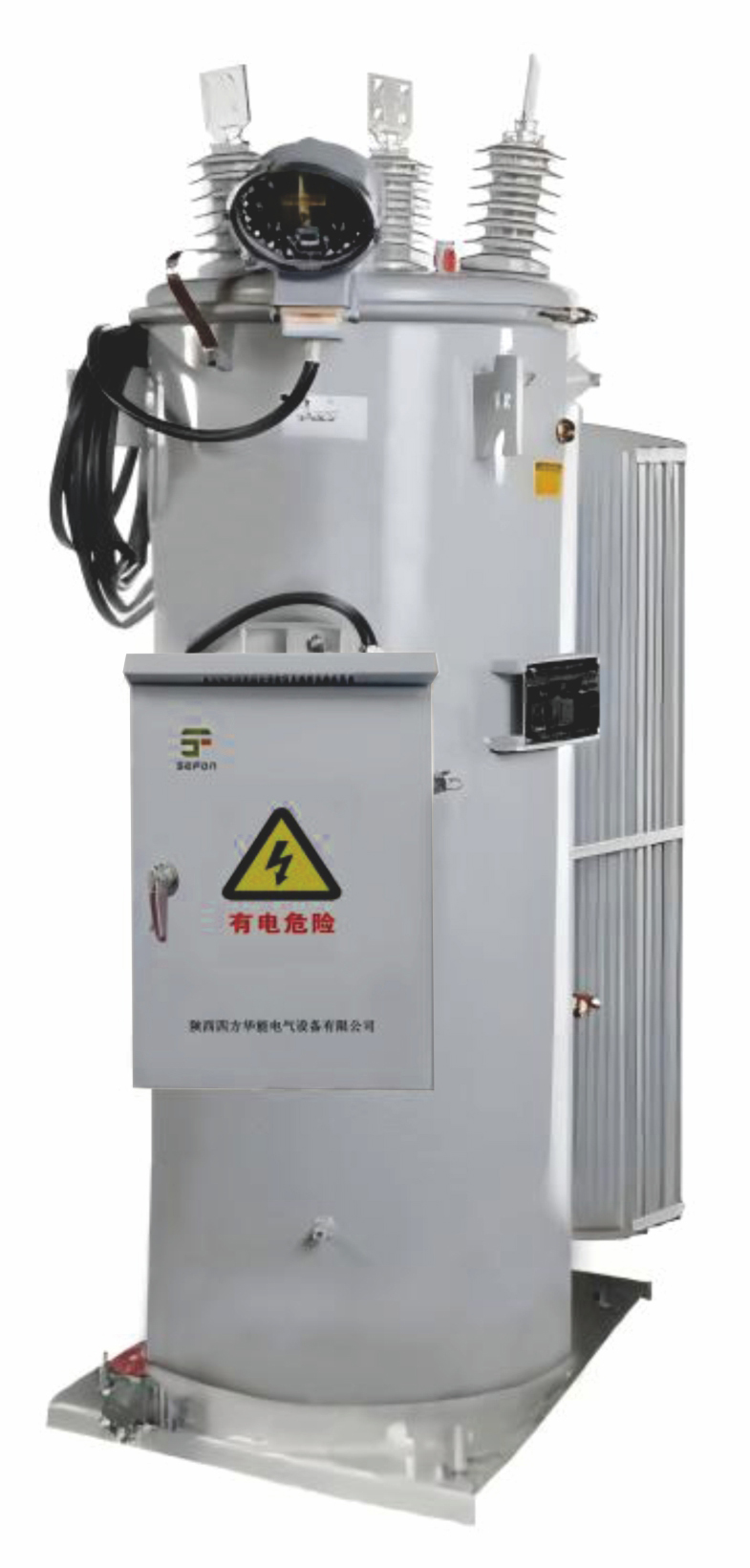
Single-Phase Automatic Voltage Regulator(AVR)
Shaanxi Sefon Electrical Equipment Co.,Ltd.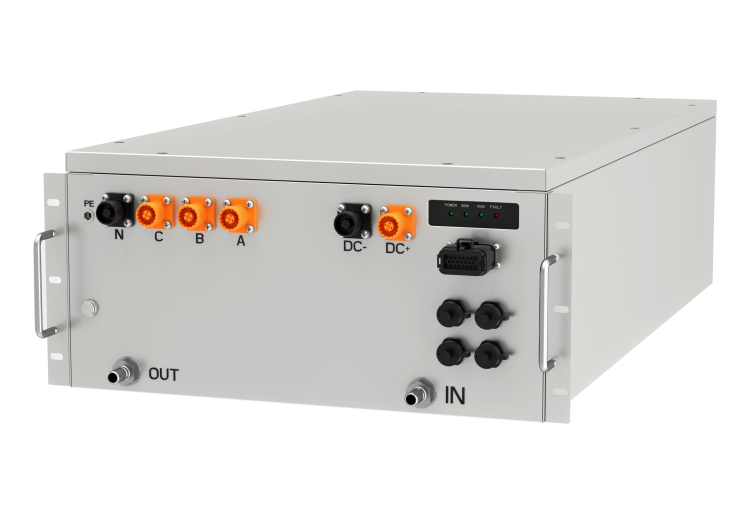
Mars (Liquid Cooling) Series Industrial and Commercial Energy Storage Converter High Protection Module
Shenzhen Winline Technology Co., Ltd.
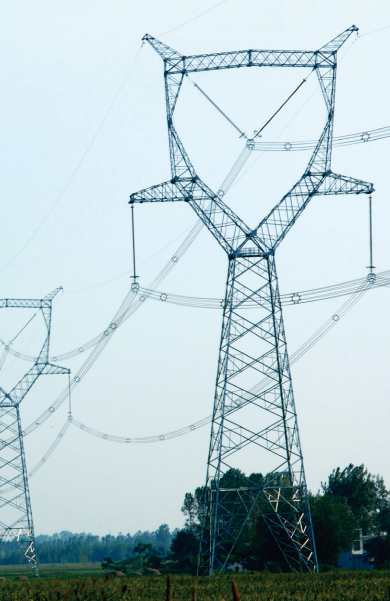
1000kV Jin Southeast-Nanyang-Jingmen UHV AC Transmission and Transformation Pilot Demonstration Project
Anhui Hongyuan Steel Tower Co., Ltd.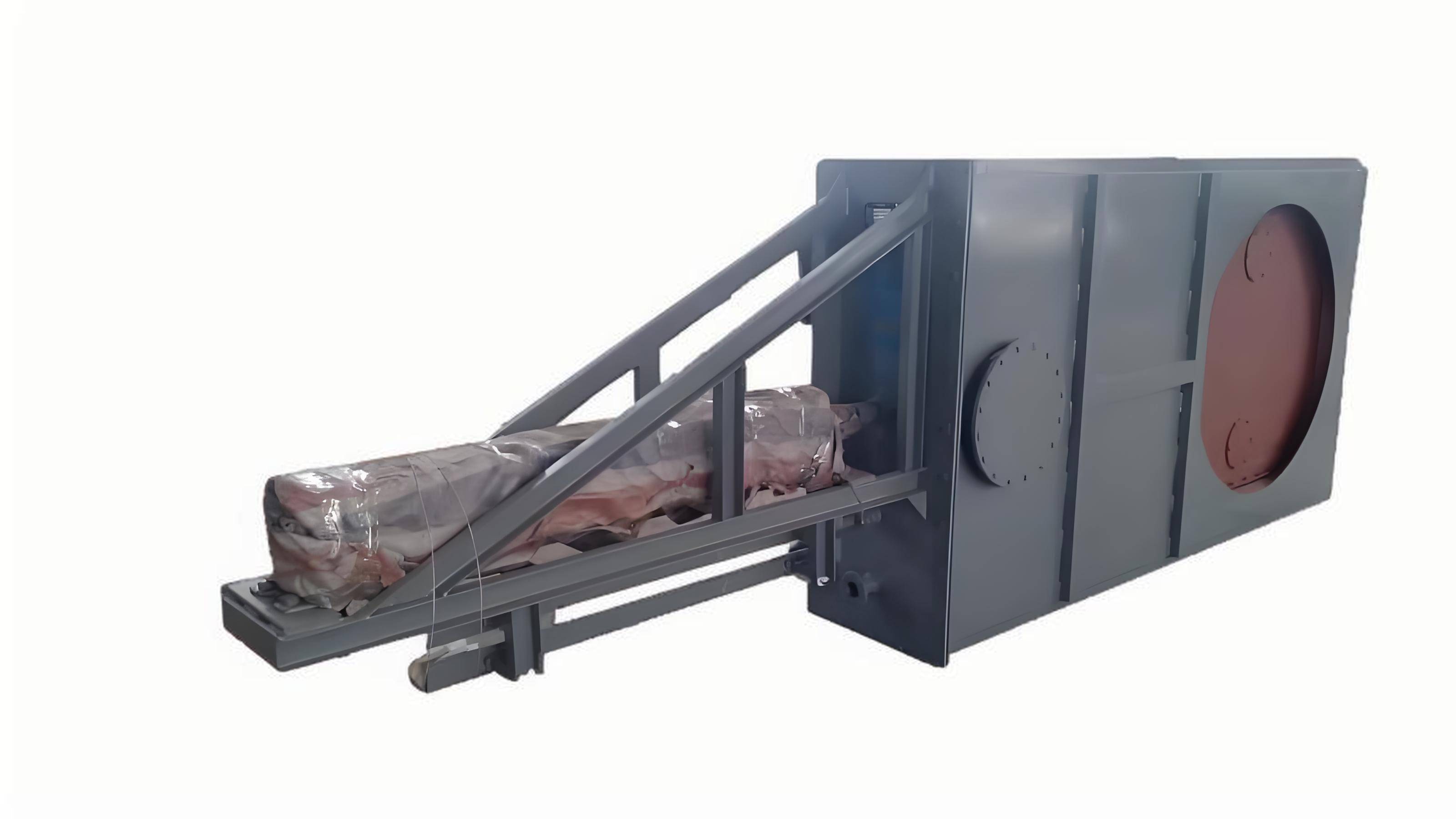
Double-slide Triple-sealed Hot Air Isolation Door
Xi'an Yingchuan Electric Power Equipment Co., Ltd.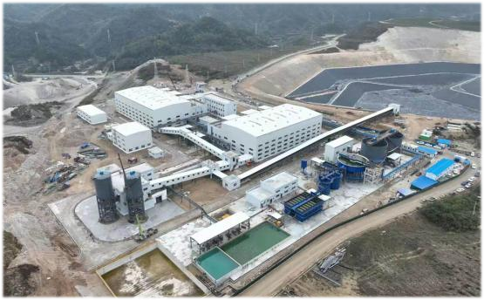
Yingping Mining Section Open-pit Tailings Backfill Treatment of Goaf Ecological Restoration EPC Project
China Bluestar Lehigh Engineering Corporation