US and South Korean Universities Test New Process to Convert Mixed Plastic Waste into Hydrogen with Over 90% Purity
en.Wedoany.com Reported - Researchers at the UCLA Samueli School of Engineering and Ewha Womans University in South Korea have tested a process called Alkaline Thermal Treatment (ATT), which can convert mixed plastic waste into hydrogen fuel with over 90% purity, without releasing carbon dioxide throughout the entire process.
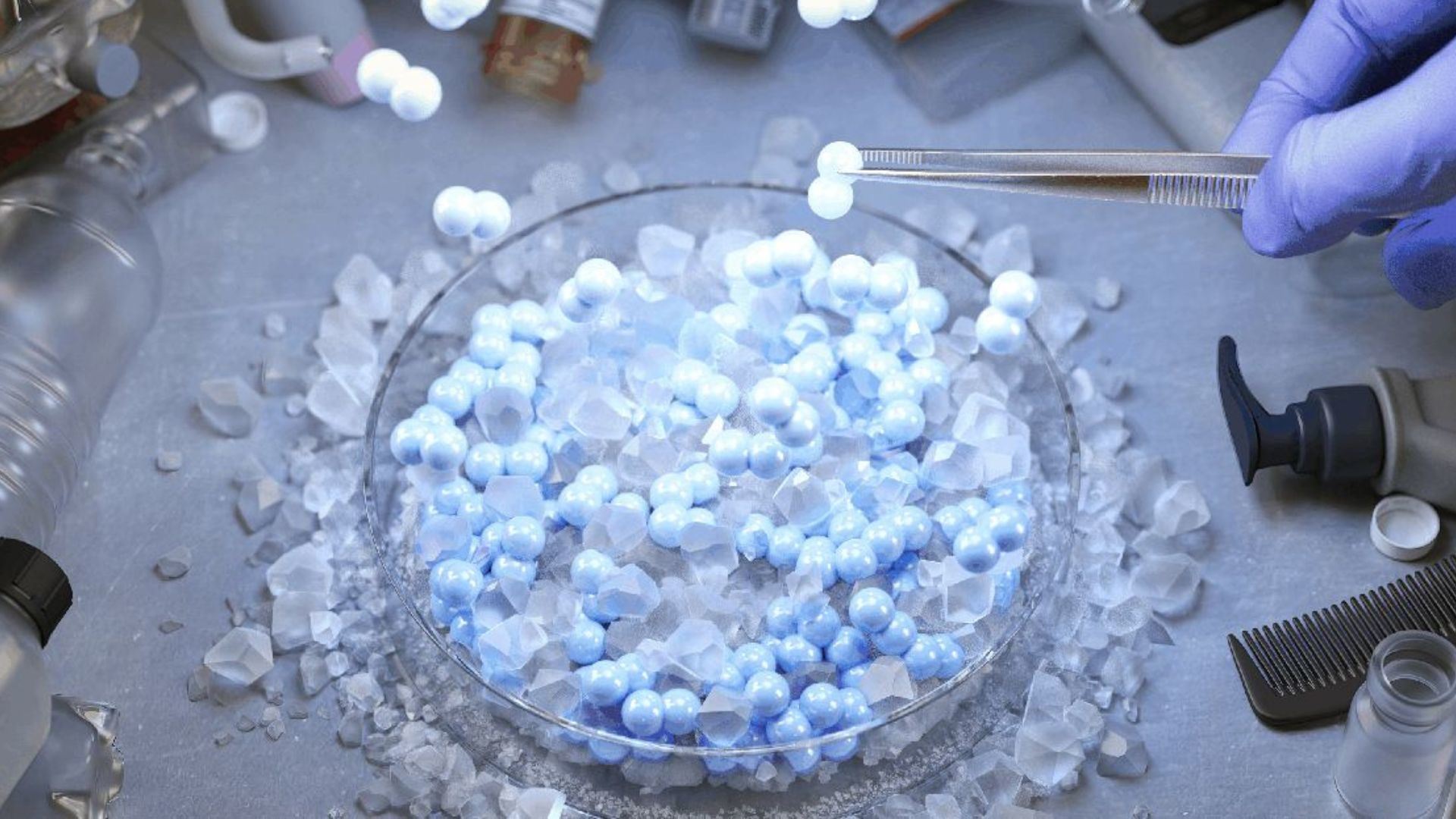
This process eliminates the need to sort plastic waste before recycling, enabling the treatment of a mixture of the three most common and difficult-to-recycle plastics—polyethylene terephthalate (PET), polyethylene (PE), and polypropylene (PP)—within a single reactor. A major challenge in global plastic recycling is the requirement to sort by type before processing, which results in 79% of plastic waste ending up in landfills, 12% being incinerated, and only 9% being reused.
Alkaline thermal treatment uses heat to trigger a reaction between sodium hydroxide and organic matter to generate hydrogen. The process was originally designed to extract hydrogen from marine biomass such as seaweed. Researchers found that plastic bottles (PET) decompose easily in this process, but shopping bags (PE) and food containers (PP) are difficult to process due to their stable carbon-hydrogen bonds. The team introduced a thermo-oxidative pretreatment, briefly exposing the mixed plastics to mild heat in air, allowing oxygen to enter the polymer chains and create active sites, thereby enabling the decomposition of all three types of plastics.
The activated mixed plastics degrade in a single reactor at approximately 400 degrees Celsius. The technology uses a sodium hydroxide reagent to capture carbon from the plastics, permanently binding it into a stable solid mineral, sodium carbonate, rather than releasing it into the atmosphere. Researchers also proposed a secondary process to convert the byproduct sodium carbonate into calcium carbonate for use in the concrete and construction industries, thereby achieving permanent sequestration of plastic carbon in infrastructure.
This research has currently only been completed in a laboratory setting and requires further optimization and economic testing before being scaled up for application in municipal recycling facilities. The findings were published in the Proceedings of the National Academy of Sciences. Ronald and Valerie Sugar Dean of the UCLA Samueli School of Engineering and Professor of Chemical and Biomolecular Engineering, Ah-Hyung "Alissa" Park, served as the co-corresponding author of the study.
Related Products
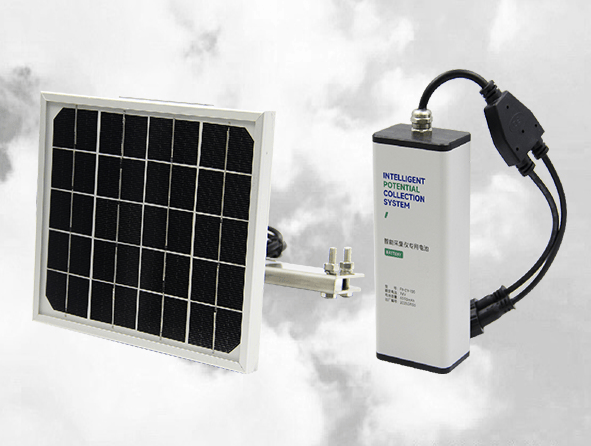

Inductive Power Harvesting Self-Powered Device - Safuneng
SELF ENERGY TECHNOLOGY (SHENZHEN) CO., LTD.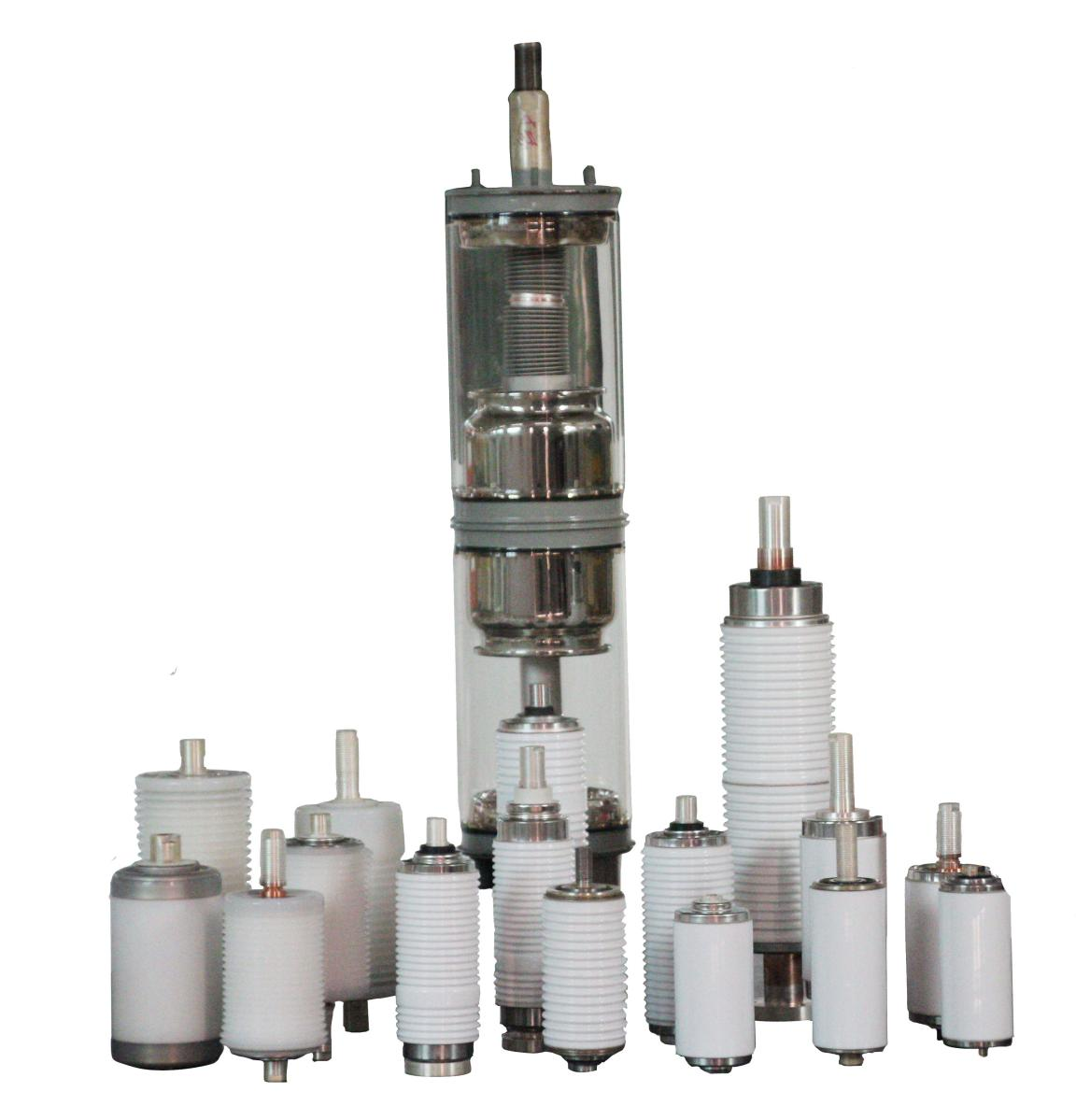
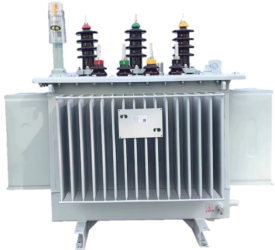
Oil-immersed Amorphous Alloy Core Distribution Transformer
Pinggao Group Smart Electric Co., Ltd.

TAI Slew-drive Single-axis Independent 1P Tracking Bracket System
ANTAI TECHNOLOGY CO., LTD.
Prefabricated Houses and Electrical Energy Boxes
Chengdu Ruilong Machinery Manufacturing Co., Ltd.
Global Sulfur Hexafluoride Gas Supply and Cylinder Export
Foshan Yuexin Industrial Gas Co., Ltd.