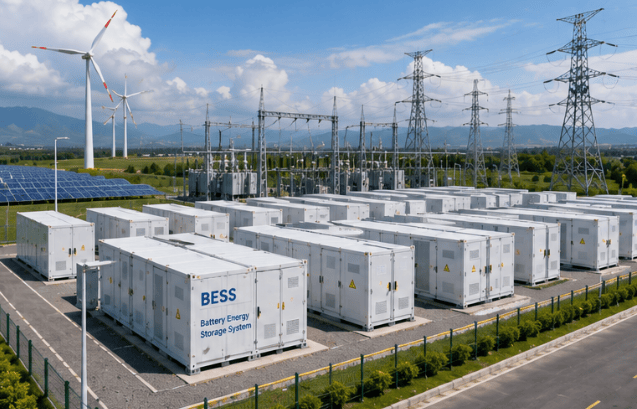
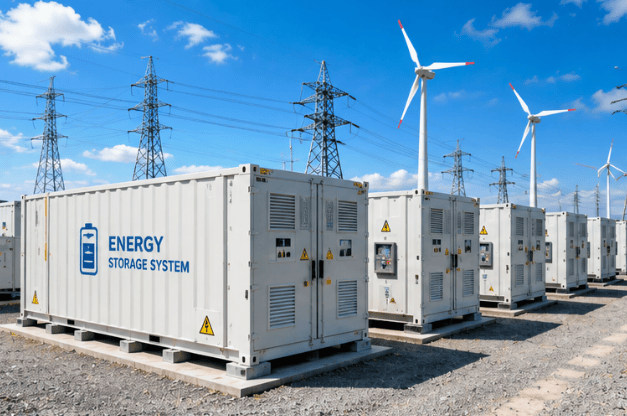
en.Wedoany.com Reported - As project scale increases, safety is becoming a central issue for Grid-side Energy Storage. Grid-connected storage plants are often large, highly concentrated and located near substations, renewable collection stations or critical grid nodes. If thermal runaway, fire, electrical failure or protection malfunction occurs, the impact may go beyond equipment loss and affect grid operation or nearby facilities.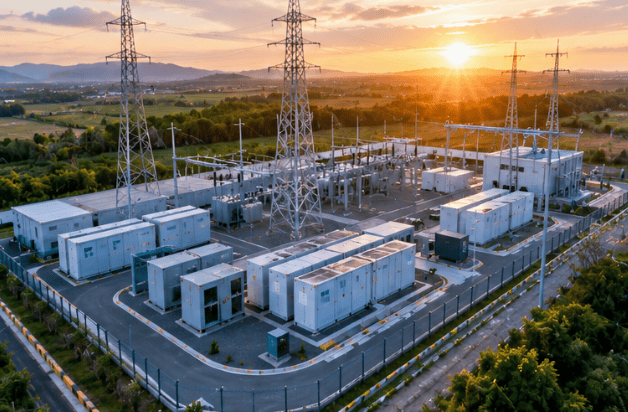
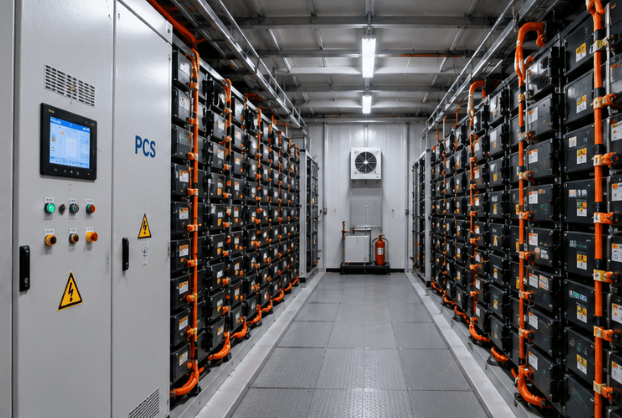
Battery safety starts with cell quality and consistency. Capacity, internal resistance, thermal stability, cycle life and manufacturing consistency all influence long-term operation. But the cell is only one part of system safety. Module structure, battery rack design, BMS monitoring, thermal management, fire detection, gas venting, electrical isolation, grounding protection, container layout and maintenance procedures all affect the safety of the whole project.
Thermal management is especially important in large storage systems. Batteries generate heat during charging and discharging. If temperature distribution is uneven, cells may age at different rates, creating capacity imbalance and local risk. Liquid cooling, air cooling, sensor placement, HVAC redundancy and thermal simulation should be designed according to project capacity, climate conditions and dispatch strategy.
Fire protection and early warning systems are equally critical. A storage project needs gas detection, smoke detection, abnormal temperature monitoring, container-level alarms, sectional isolation, fire suppression media, ventilation, pressure relief and emergency coordination. Simply installing a fire suppression device is not enough. A strong safety system should identify abnormal conditions early and reduce the probability of accident escalation through control logic and isolation measures.
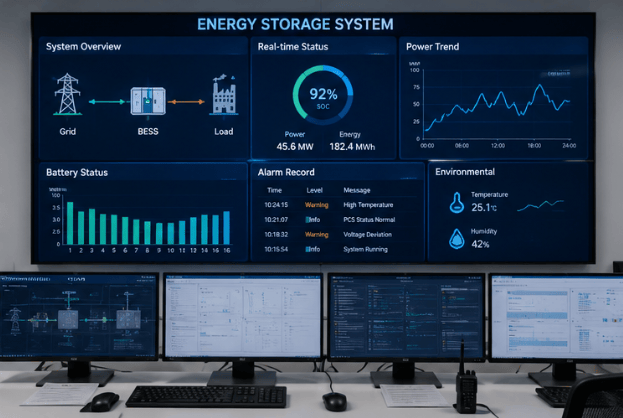
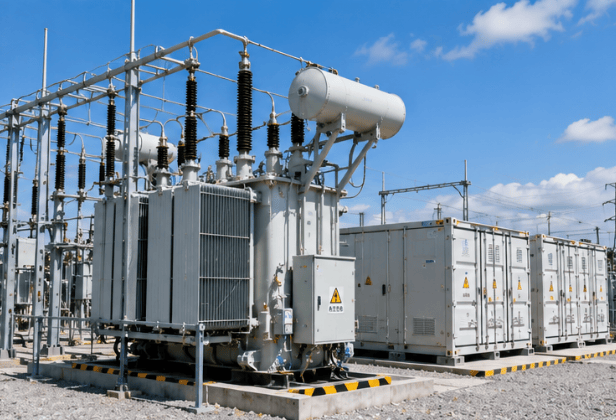
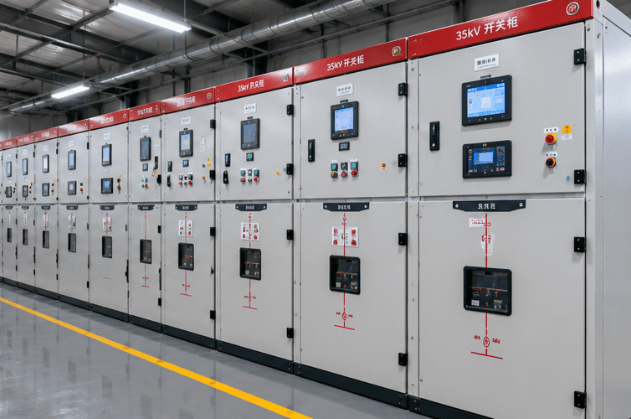
Grid safety also matters. PCS, step-up transformers, switchgear, protection relays, EMS and dispatch communication must coordinate reliably. Risks such as overcurrent, overvoltage, grounding faults, short circuits, islanding, harmonics and communication loss need to be verified through protection settings, control logic and site testing.
The next stage of grid-side storage competition will move from low-cost expansion toward high safety, high availability and verifiable performance. System integrators without safety engineering capability will find it difficult to enter high-quality grid projects.