Global Storage Projects Require System Integration and Long-Term Service
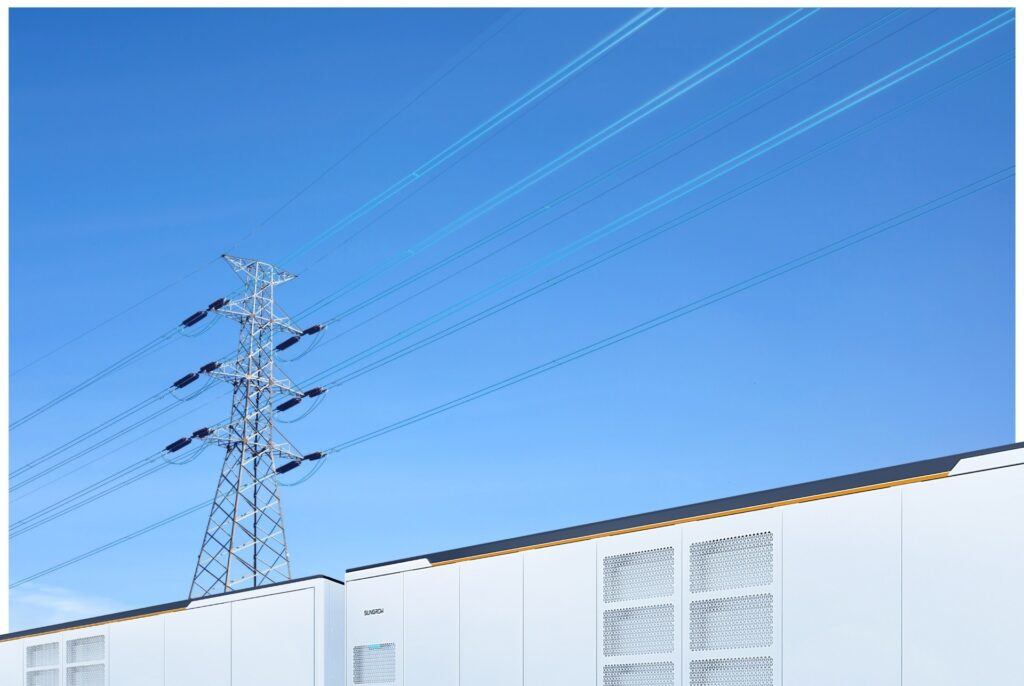
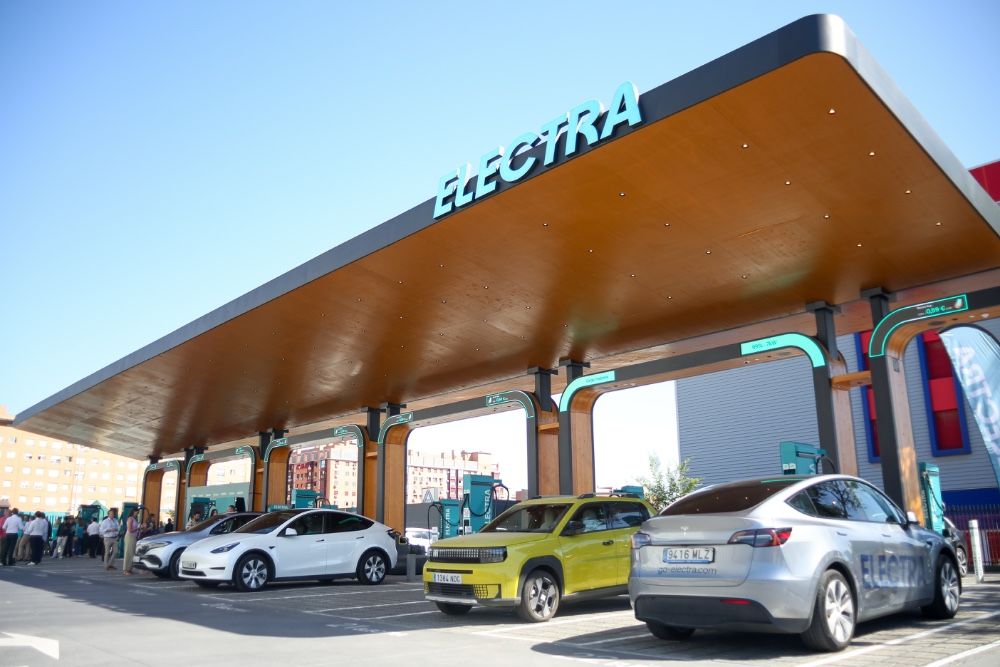
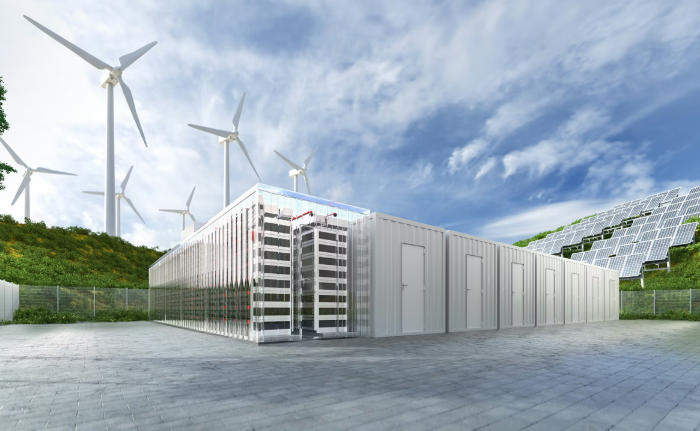
en.Wedoany.com Reported - Rising demand for power system flexibility and reliability is making Electrochemical Energy Storage an important overseas opportunity for new energy equipment suppliers. Growth in wind power, solar PV, electric vehicles, data centers, industrial parks and weak-grid regions is turning storage from a single equipment purchase into a system engineering project involving grid connection, dispatch, safety, revenue modeling and local operation.
Demand differs across markets. Europe and North America have more developed electricity market mechanisms and often focus on frequency regulation, capacity markets, energy arbitrage, grid codes, fire standards and financeable project documentation. Australia, Chile, the United Kingdom and parts of Europe have strong demand for large battery projects because of rising renewable penetration and price volatility. In Southeast Asia, the Middle East, Africa and Latin America, customers may focus more on solar integration, diesel replacement, microgrid supply, grid stability and cost reduction for industrial users.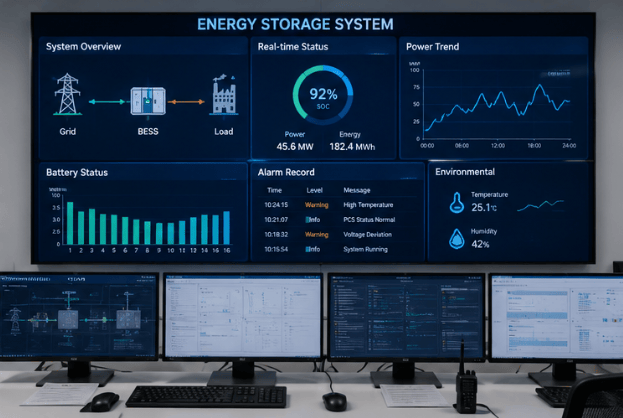
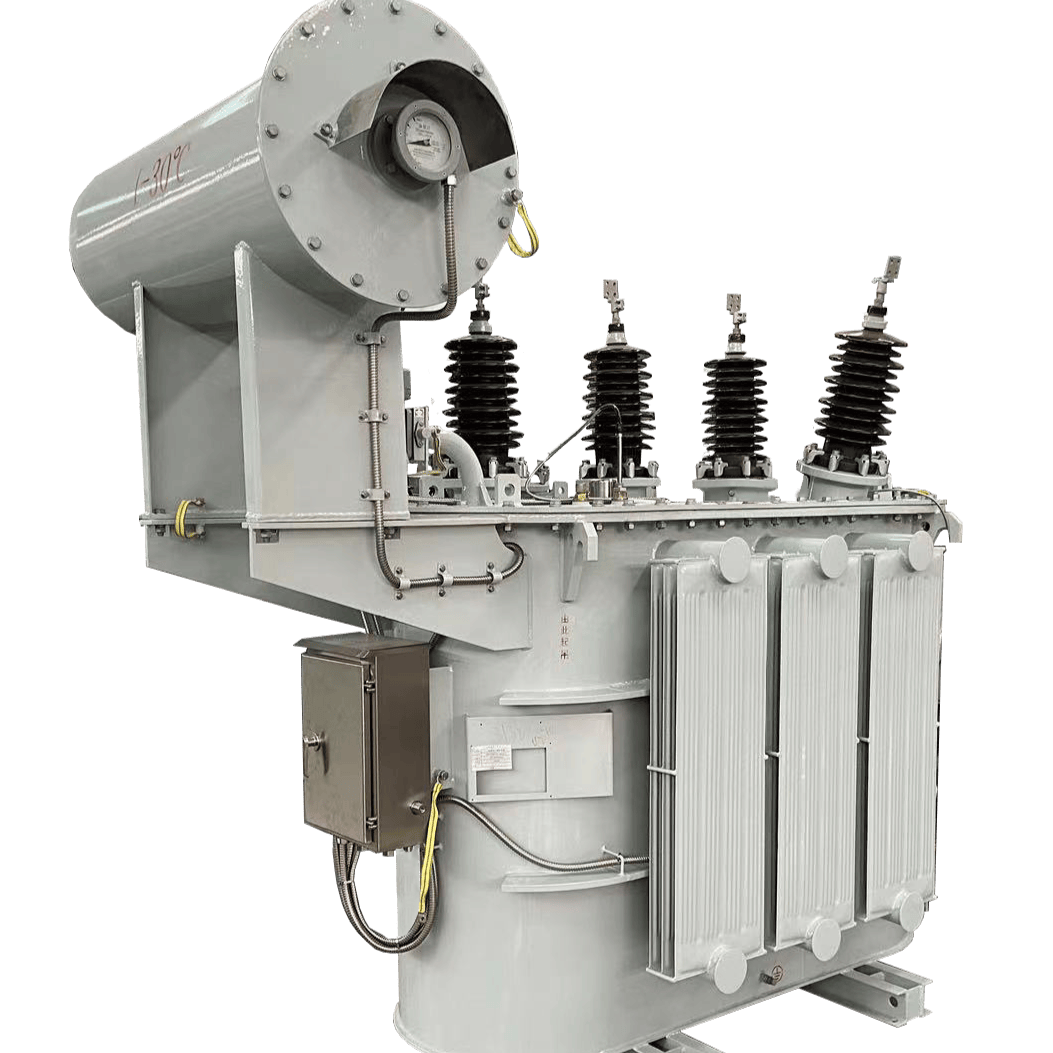
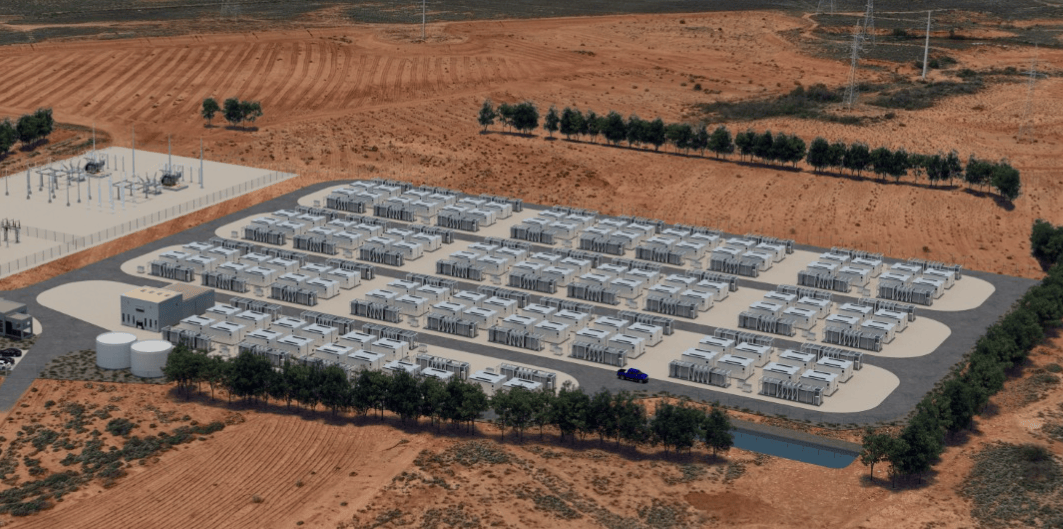
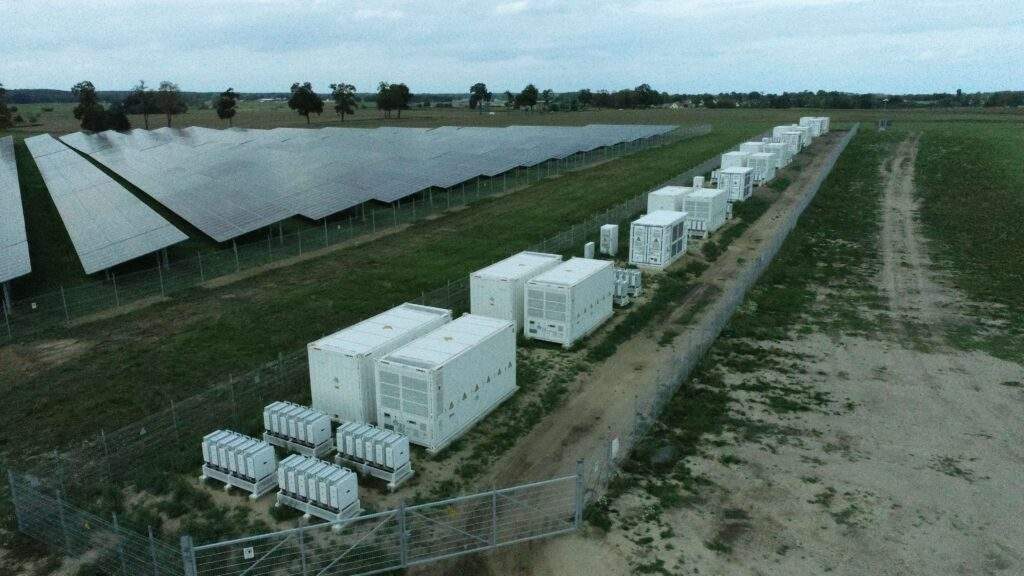
Exporting electrochemical storage cannot rely only on battery cabinet price. Overseas customers usually care more about system safety, grid-connection capability, warranty responsibility, project revenue, remote operation and local after-sales support. A complete project requires coordination among battery systems, PCS, EMS, transformers, switchgear, fire protection, thermal management, monitoring platforms, civil construction and grid commissioning.
If a supplier provides only a single device, it may not satisfy the combined requirements of project owners, EPC contractors, financing institutions and grid companies. System integration is becoming a core part of competitiveness.
Grid-connection capability is a key barrier. Requirements for frequency response, reactive power support, low-voltage ride-through, high-voltage ride-through, protection configuration, communication protocols and power quality differ across countries. Storage systems need simulation models, test reports, control strategy descriptions and site commissioning support to pass approval and interconnection review.
In the future, international storage business will move from product export to energy system capability delivery. Companies with battery systems, PCS, EMS, safety design, grid studies, remote operation and localized service will be better positioned in high-quality overseas projects. As global storage deployment expands, suppliers that provide long-term performance guarantees and life-cycle service will have stronger competitiveness.
Related Products


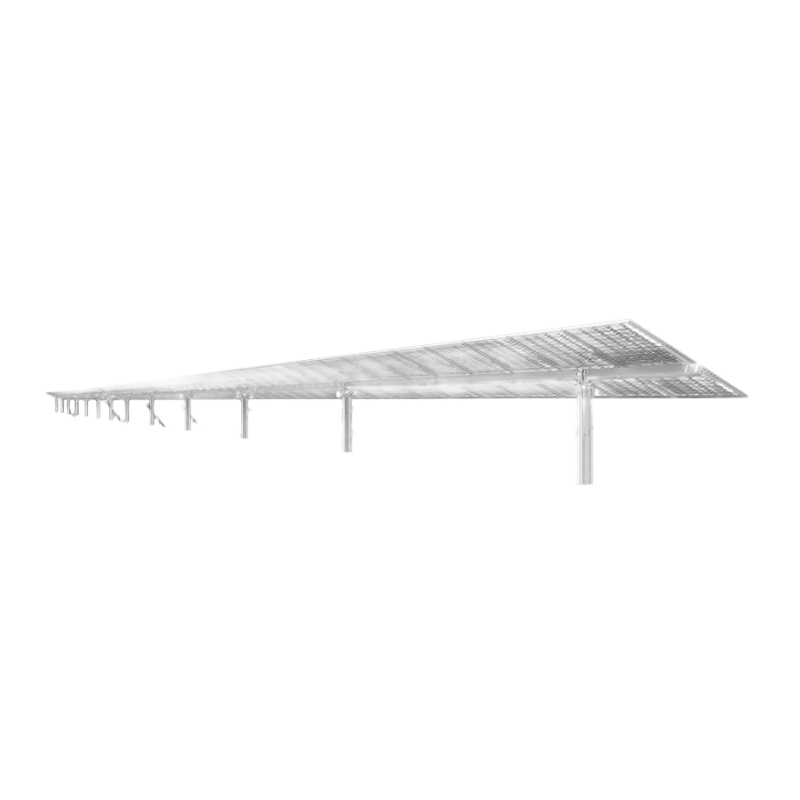
TAI Slew-drive Single-axis Independent 1P Tracking Bracket System
ANTAI TECHNOLOGY CO., LTD.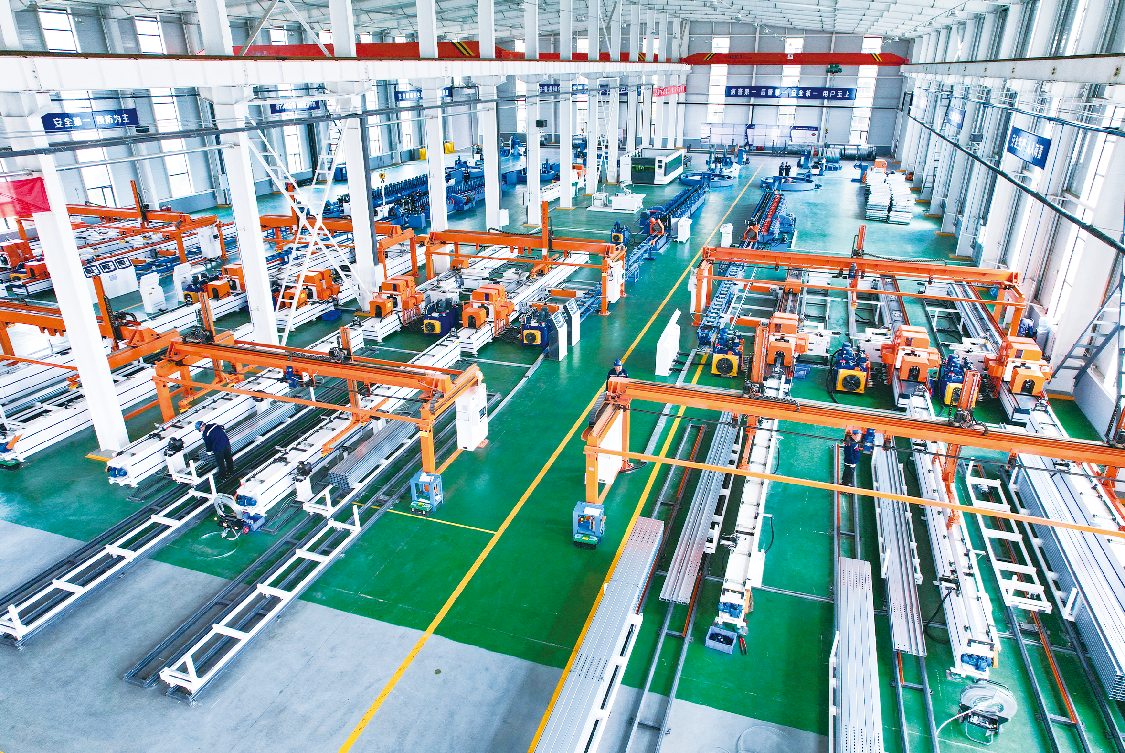
Photovoltaic bracket intelligent cold bending forming punching production line
Shandong Jinbolida Precision Machinery Co., Ltd.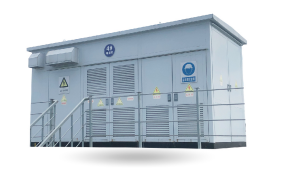
Smart Photovoltaic Prefabricated Substation
Shanghai Jinyou Jinhong Intelligent Electric Co., Ltd.