Overseas Grid Storage Projects Require Grid-Connection Capability and Long-Term Service
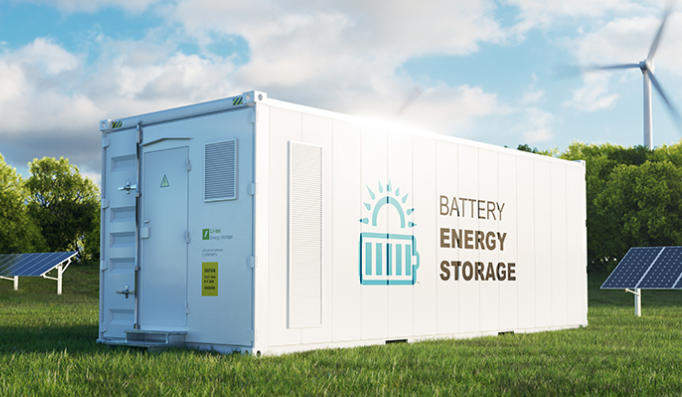
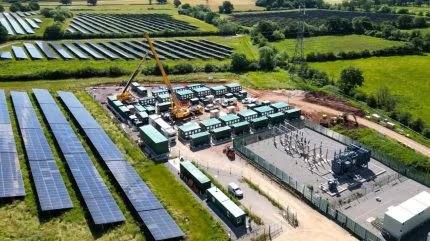
en.Wedoany.com Reported - As power systems around the world adopt more storage, Grid-side Energy Storage is becoming an important overseas opportunity for new energy equipment suppliers. Wind and solar growth, rising electricity demand, transmission bottlenecks and insufficient system flexibility are creating demand for storage that can provide peak shifting, frequency regulation, reserve, capacity support and renewable integration.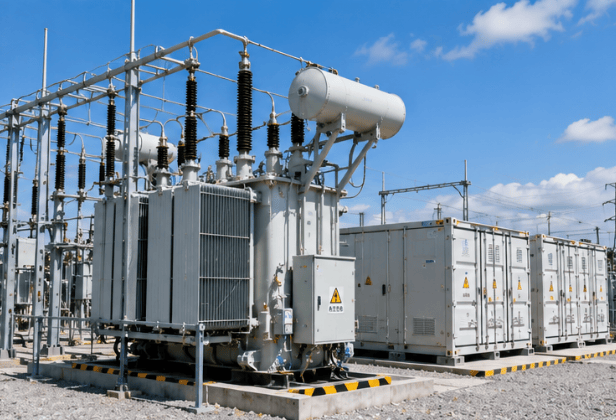
Market needs differ by region. Europe and North America have more developed electricity markets and often focus on ancillary service revenue, capacity mechanisms, grid codes, fire safety and financeable project documentation. Australia and parts of Europe have strong demand driven by high renewable penetration and electricity price volatility. In the Middle East, Latin America, Africa and Southeast Asia, customers may focus more on weak-grid support, solar integration, diesel replacement, microgrid stability and electricity supply reliability.
Exporting grid-side storage cannot depend only on battery cabinet price. Overseas customers usually care about whether the system can pass interconnection review, meet dispatch requirements, satisfy fire and electrical safety standards, receive local maintenance support and maintain long-term availability. Grid-side projects often involve utilities, independent power producers, EPC contractors, financing institutions and regulators. Technical documents, test reports, performance guarantees and project experience can all influence order quality.
Grid-connection capability is the core barrier. Requirements for frequency response, reactive power support, low-voltage ride-through, high-voltage ride-through, protection configuration, communication protocols, dispatch interfaces and power quality vary by country. A storage system may meet hardware specifications but still face delay if the control strategy and grid model cannot pass review.
This means suppliers need capabilities in grid studies, simulation modeling, site commissioning and communication with grid operators. The ability to deliver a technically complete interconnection package can be as important as equipment manufacturing.
In the future, overseas grid-side storage business will move from equipment sales to power system solution delivery. Companies with battery systems, PCS, EMS, step-up systems, grid analysis, safety design, remote operation and local service capability will be better positioned in high-quality overseas projects. As power systems demand more flexibility, grid-side storage will remain one of the most strategic segments of new energy infrastructure.
Related Products


Integrated photovoltaic inverter grid-connected device
Hainan Jinpan Smart Technology Co., Ltd.
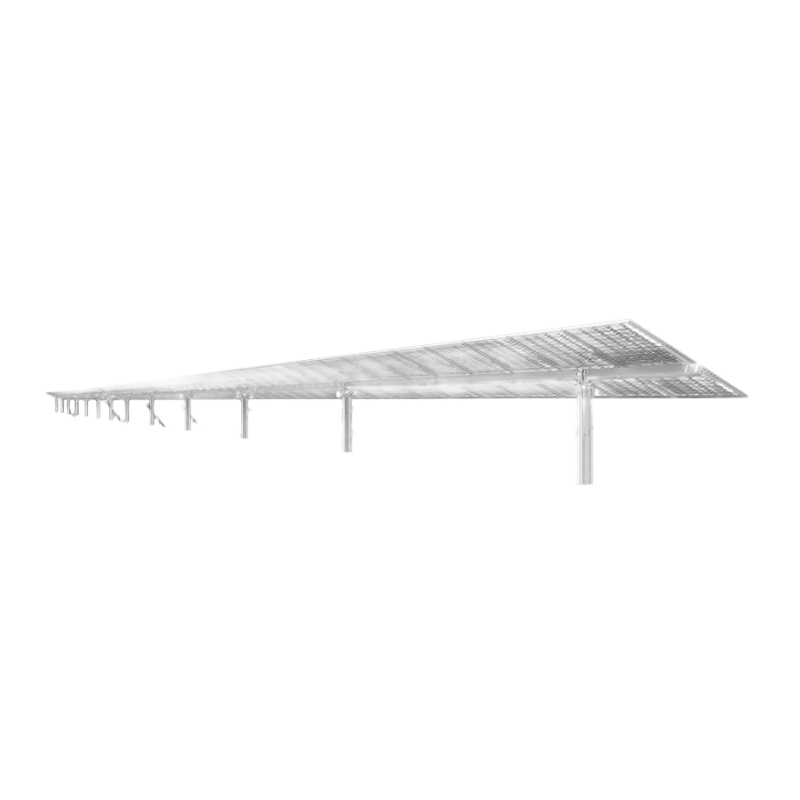
TAI Slew-drive Single-axis Independent 1P Tracking Bracket System
ANTAI TECHNOLOGY CO., LTD.
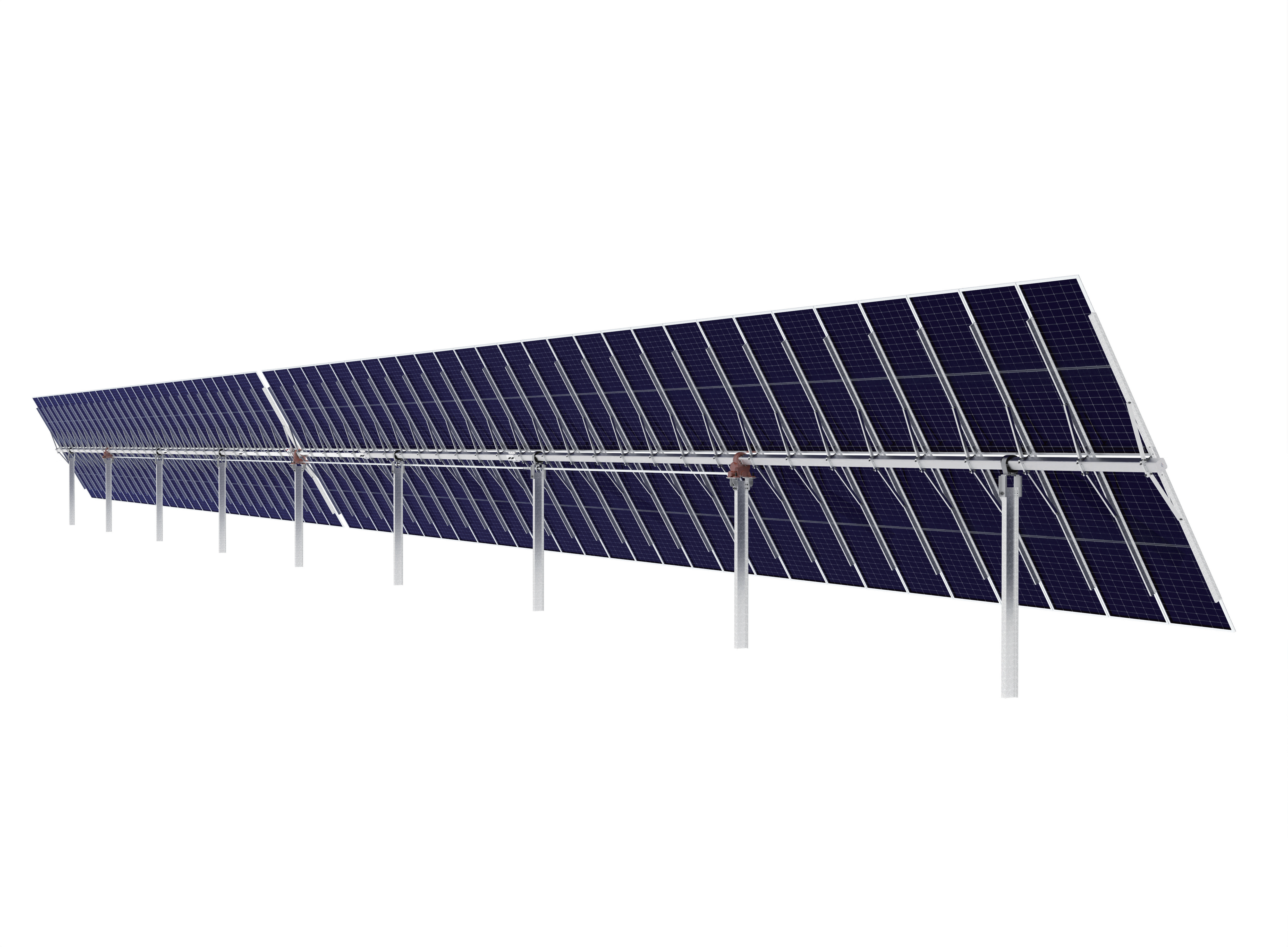
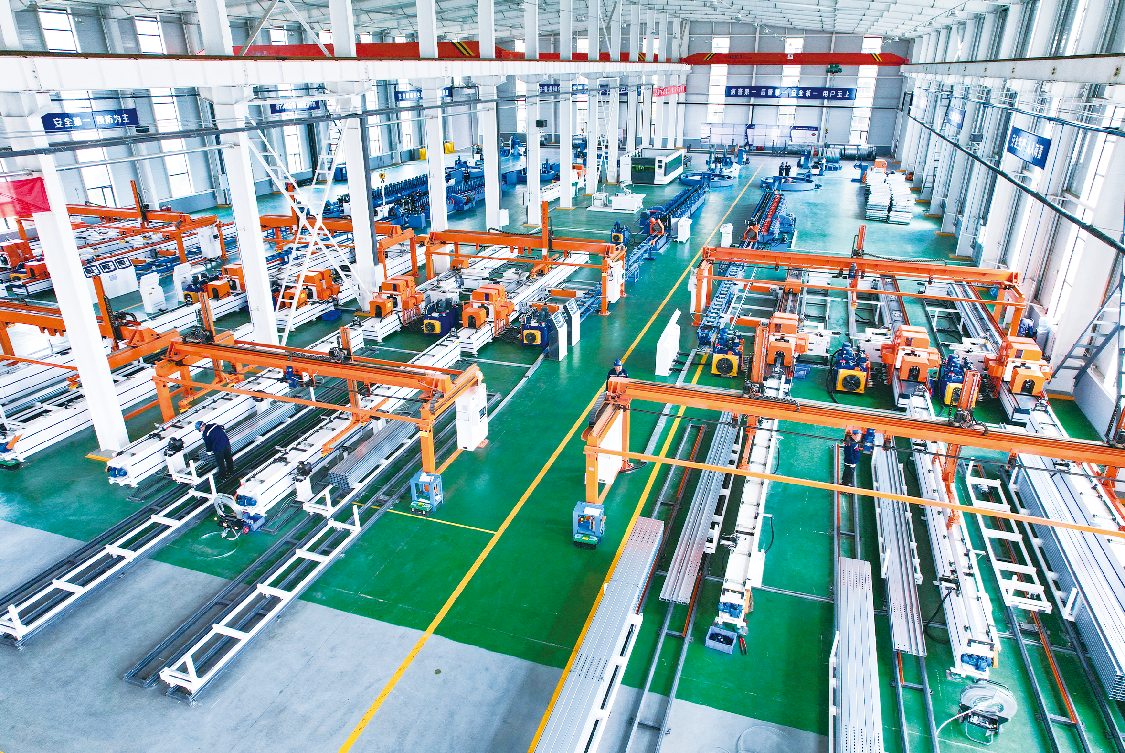
Photovoltaic bracket intelligent cold bending forming punching production line
Shandong Jinbolida Precision Machinery Co., Ltd.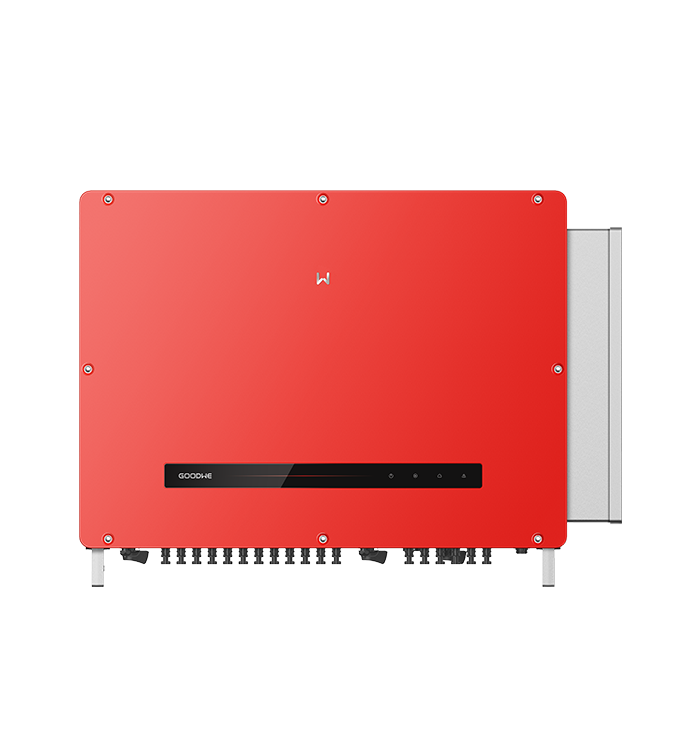
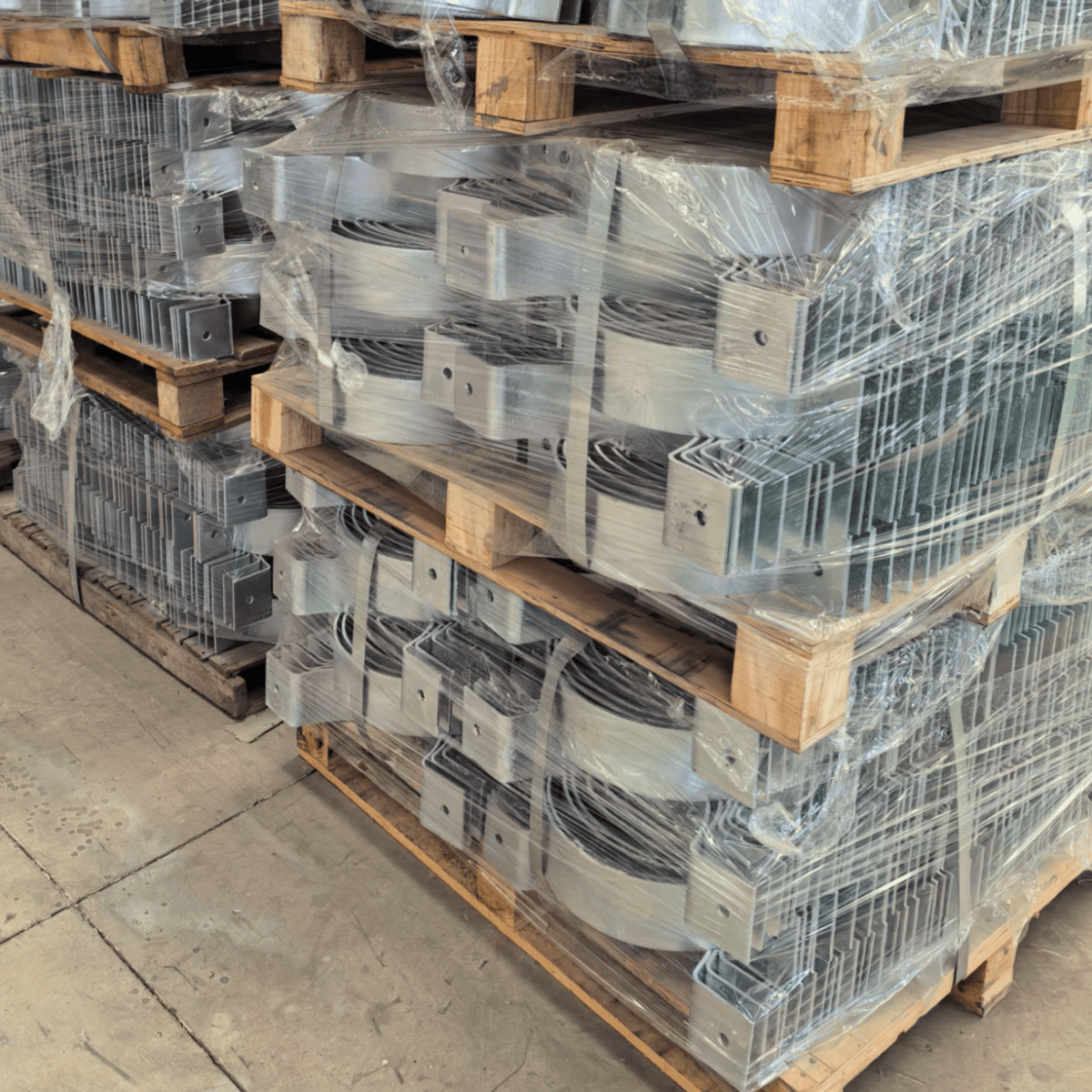
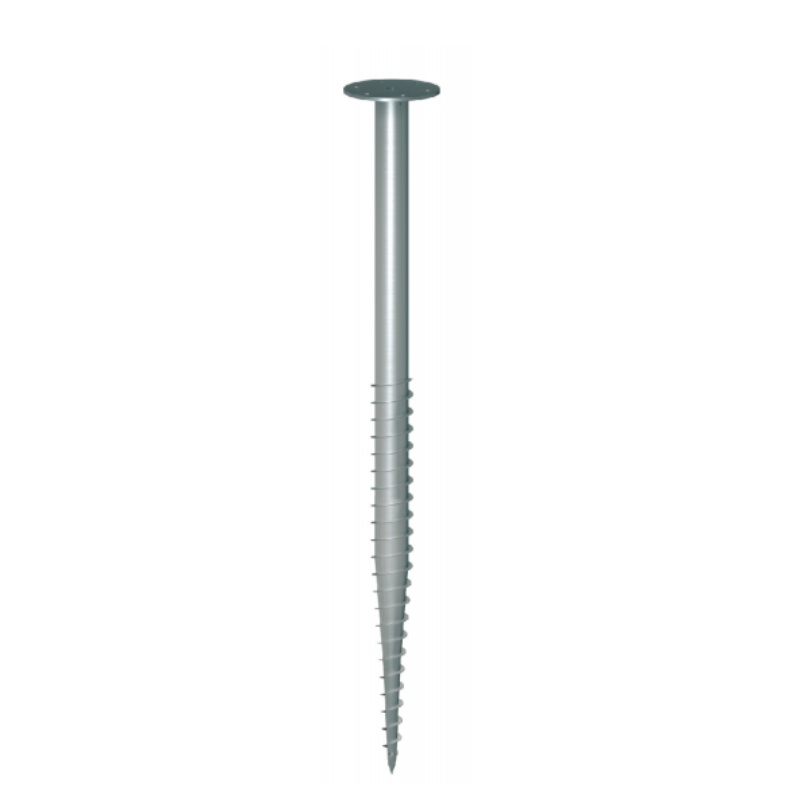
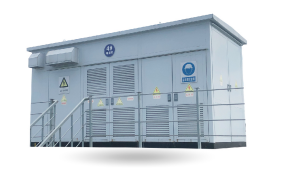
Smart Photovoltaic Prefabricated Substation
Shanghai Jinyou Jinhong Intelligent Electric Co., Ltd.