Safety Design Is Becoming the Core Requirement for Electrochemical Storage Systems
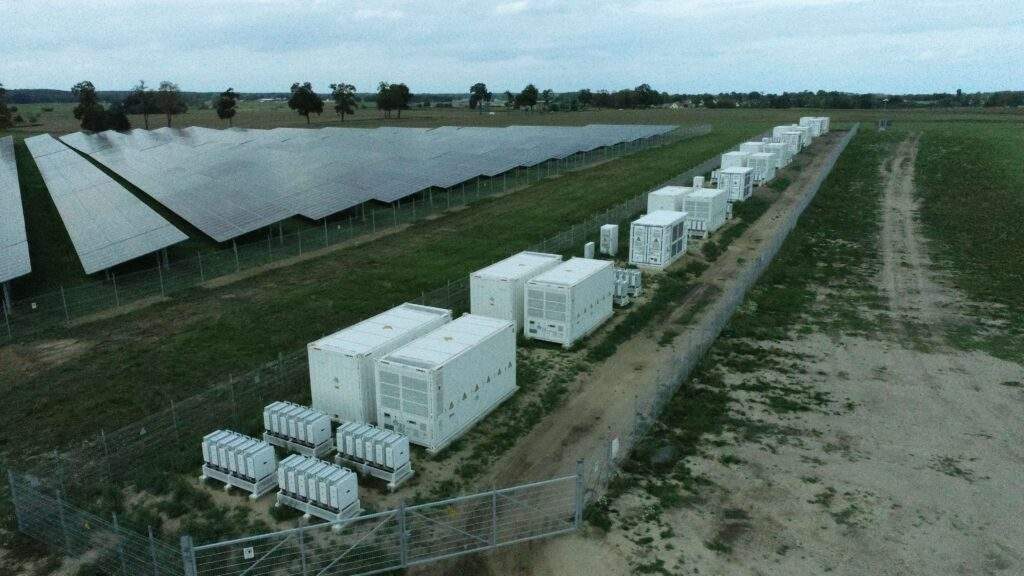
en.Wedoany.com Reported - As projects become larger and applications become more diverse, safety is becoming a central issue for Electrochemical Energy Storage. Whether the system is used for grid-side storage, commercial and industrial sites, solar-storage-charging stations, industrial microgrids or off-grid power supply, thermal runaway, fire, electrical short circuit or protection failure can create equipment loss, power interruption and safety risks.
Cell quality is the foundation of storage safety, but it is not the whole story. Capacity consistency, internal resistance consistency, cycle life, thermal stability and defect control all affect long-term battery performance. However, the actual safety level of a project also depends on module structure, rack layout, BMS sampling accuracy, thermal management, fire protection, gas detection, pressure relief, electrical isolation, grounding protection and site maintenance procedures.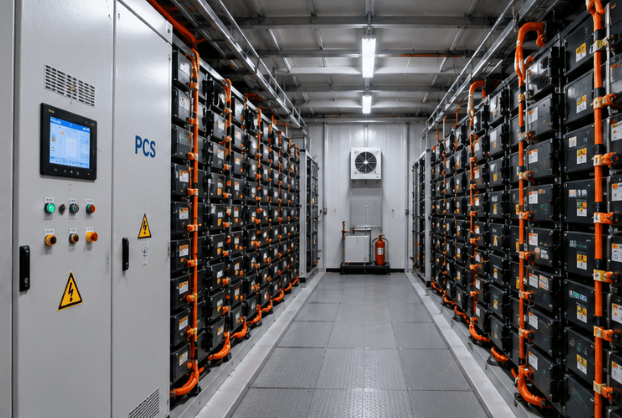
Thermal management is one of the most important design areas. Batteries can develop uneven temperature distribution during high-rate charging and discharging, frequent cycling or operation in hot climates. This may lead to different aging rates, higher internal resistance and local safety risks. Liquid cooling, air cooling, HVAC redundancy, sensor placement and thermal simulation should be designed according to project scale, climate conditions and operating strategy.
Fire protection and warning systems also need to move from simple suppression to early detection and sectional control. A storage system should identify risks at an early stage through gas detection, smoke detection, abnormal temperature monitoring, voltage and current analysis and container-level alarms. Sectional isolation, fire-system coordination, ventilation, pressure relief and emergency power disconnection should be used to reduce the probability of incident escalation.
Simply installing a fire suppression device does not mean the system is safe. Real safety comes from integrated design, verified control logic and disciplined operation.
In the future, storage safety will depend more on data-based management. BMS, EMS, fire protection systems and remote operation platforms need to share status data and build layered monitoring from cell level to module, rack, container and station level. For equipment suppliers and system integrators, competitiveness will come from turning electrochemical safety, electrical safety, thermal safety and operation safety into verifiable engineering capability.