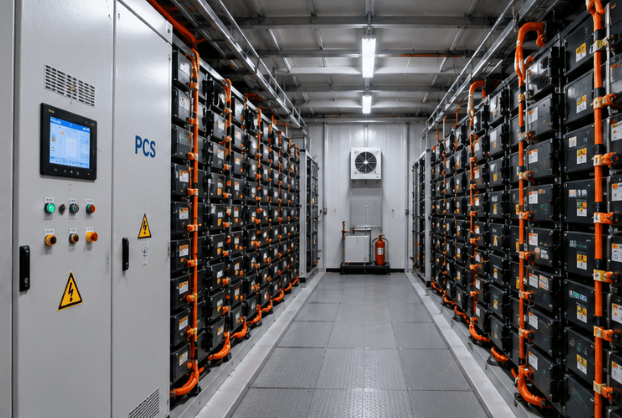
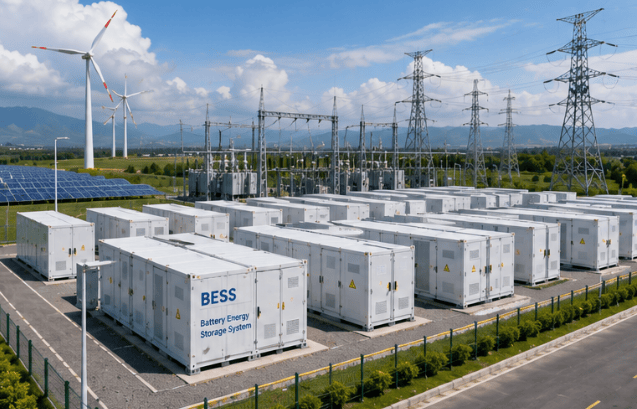
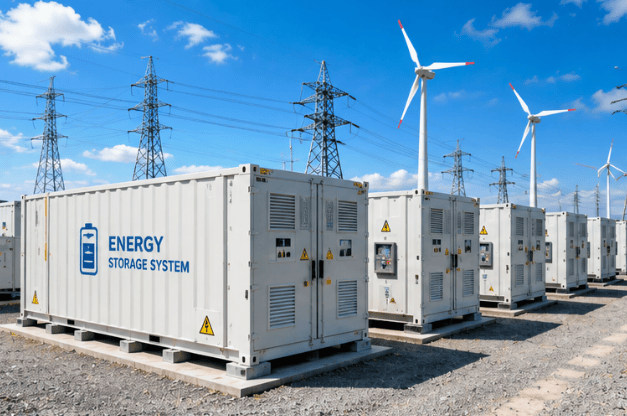
en.Wedoany.com Reported - The early market understanding of Grid-side Energy Storage was often linked to peak shaving: charging during low-demand periods and discharging during high-demand periods. As power system operation changes, however, the value of storage is moving from a single service toward multi-service operation.
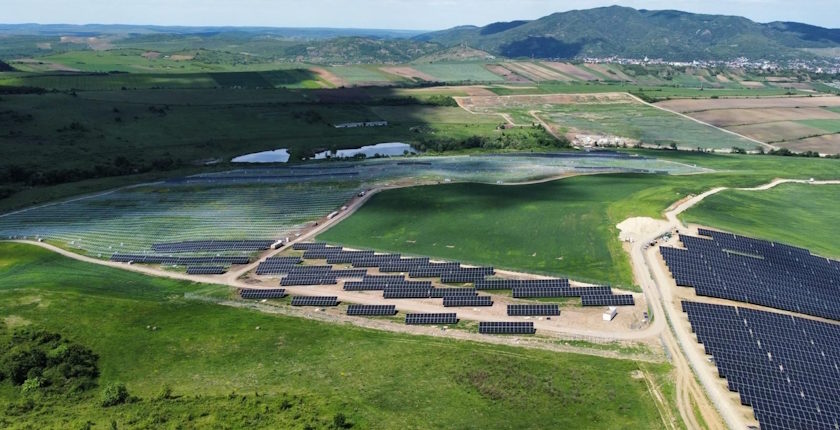
Peak shaving remains one of the most visible functions. Solar output during the day, evening demand growth and extreme weather-driven load peaks can all create sharp changes in the load curve. Storage can shift electricity from low-demand or renewable-surplus periods to peak periods, reducing stress on the grid.
Frequency regulation shows another value of storage. Conventional generators can provide frequency control, but their response speed and precision are influenced by mechanical characteristics and operating conditions. Battery systems can adjust active power quickly through power conversion systems, helping the grid respond to short-term supply and demand imbalances.
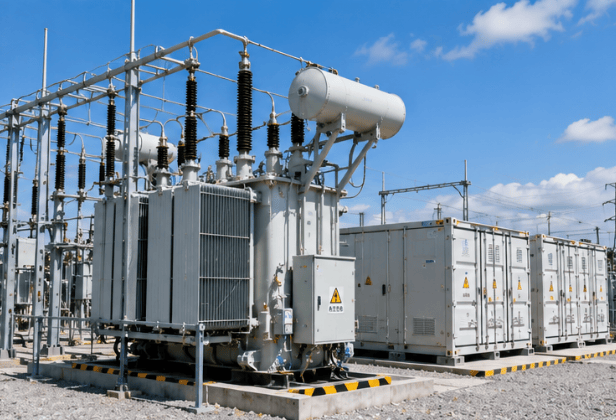
Reserve and ramping support are also important. When renewable output changes rapidly, a generator trips or load increases suddenly, storage can act as a short-duration reserve resource. It can give conventional resources more time to respond. In load centers or constrained transmission areas, storage can also provide local capacity support and reduce short-term dependence on new lines, transformers or backup generation.
However, stacking multiple services does not mean that revenues can be simply added together. Different applications require different power ratings, energy capacity, response speed, cycling frequency and control strategies. Frequency regulation favors high power and fast response. Peak shifting requires sufficient energy duration. Reserve services emphasize reliable availability. Renewable integration requires coordination with generation forecasts and dispatch plans.
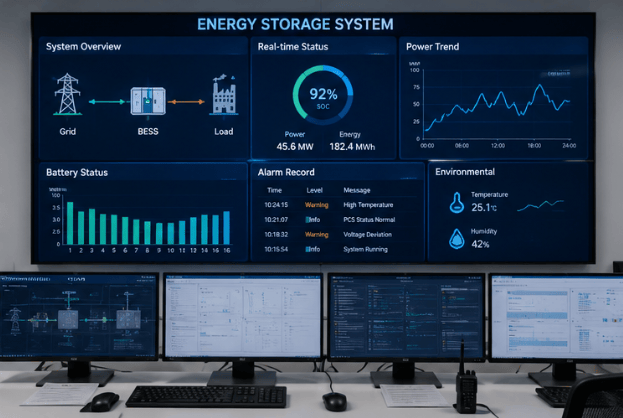
The future competitiveness of grid-side storage will depend on dispatch optimization. A strong project does not only install enough batteries. It uses EMS, market strategies, load forecasting, renewable forecasting and battery health management to choose the best operating mode dynamically. Projects that can transform storage from a single-purpose asset into a multi-functional flexibility resource will be better positioned in electricity markets.