Global Wind Expansion Is Creating New Opportunities for Direct-Drive Generator Suppliers
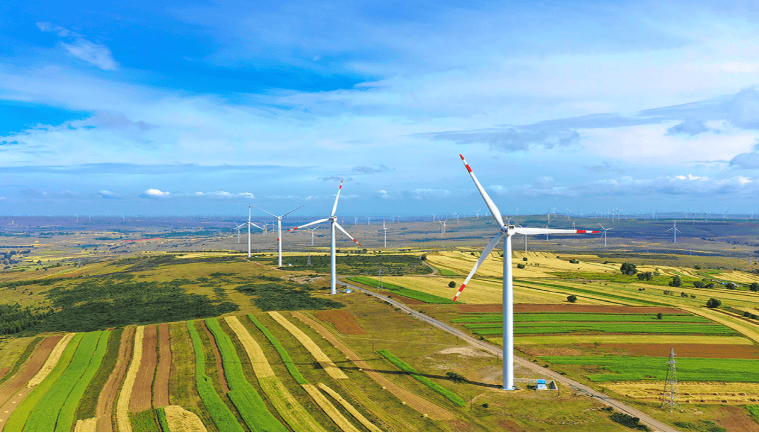
en.Wedoany.com Reported - Global wind power expansion is creating new opportunities for the Permanent Magnet Direct Drive Generator. Large onshore wind bases, offshore wind farms and renewable energy projects in emerging markets all require generation systems with higher efficiency, stronger reliability and lower maintenance cost. For generator suppliers, international business is no longer only about selling a single machine. It is about entering turbine platforms, project supply chains and global equipment systems.
Overseas customers usually care about turbine-level matching. A direct-drive generator must be designed together with the rotor, main shaft, nacelle structure, converter, cooling system and control strategy. If weight, dimensions, air gap, cooling interfaces or electrical parameters do not match the turbine platform, strong standalone performance may not translate into successful project operation.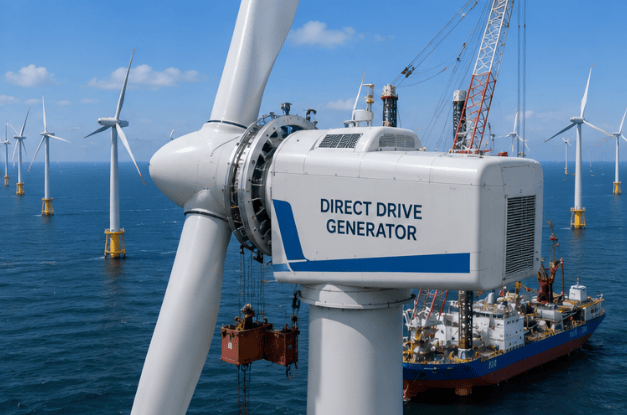
This means suppliers need the ability to support joint development with turbine manufacturers, prototype testing, certification validation and batch delivery. The generator is not an independent product in a wind turbine. It is part of the whole drivetrain and electrical conversion system.
The rare-earth supply chain is another important factor. Direct-drive permanent magnet generators often depend on high-performance magnetic materials. Rare-earth supply, pricing and processing capacity can influence project cost and procurement risk. Turbine manufacturers and wind farm owners are paying more attention to magnet sources, supply stability, recycling potential, material efficiency and supply chain compliance.
Regional market requirements also differ. European offshore wind projects often emphasize reliability, certification, life-cycle cost and supply chain transparency. North American projects may focus on localization, grid performance, financing review and long-term warranty. Emerging markets in Latin America, the Middle East, Africa and Southeast Asia may care more about cost, delivery time, environmental adaptability and maintenance support.
In the future, international competition will move from product export to drivetrain capability delivery. Companies with electromagnetic design, magnet management, lightweight structure, cooling technology, turbine-level integration, testing certification and global delivery capability will be better positioned in high-end wind power supply chains.
Related Products

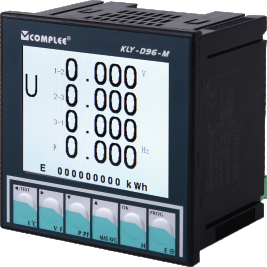
Digital Multifunctional Electrical Measuring Instrument
Shanghai Complee Instrument Co.,Ltd.
CITIC Heavy Industries Offshore Wind Power Equipment Hydraulic Pile Hammer
CITIC Heavy Industries Co., Ltd.
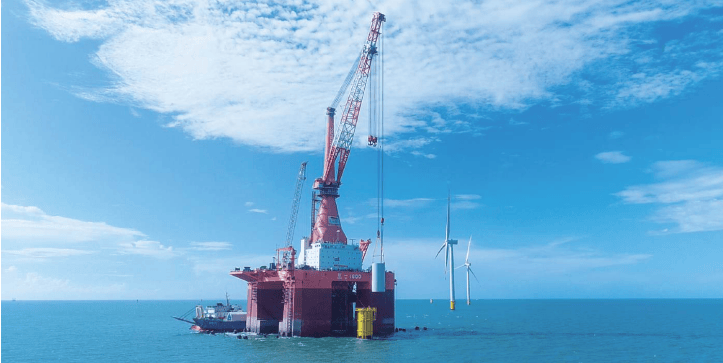
"Shunyi 1600" Deep-submerging Bottom-sitting Multi-functional Wind Power Engineering Vessel
Zhengli Offshore Engineering Co., Ltd.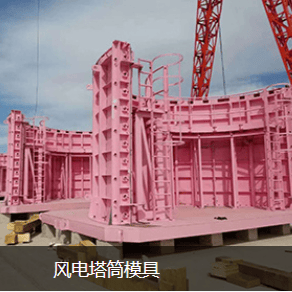
Wind Power Tower Mold
Qinhuangdao Tianye Tolian Heavy Industry & Technology Co., Ltd.