Offshore Wind Is Pushing Direct-Drive Generators Toward Higher Reliability and Lower Weight
en.Wedoany.com Reported - Offshore wind is accelerating the development of the Permanent Magnet Direct Drive Generator. Compared with onshore wind projects, offshore turbines are larger, and the cost of transport, lifting and maintenance is much higher. When a failure occurs offshore, repair windows may be limited by weather, vessels, personnel and safety permits.
This operating environment increases the importance of drivetrain reliability. A direct-drive permanent magnet generator removes the high-speed gearbox, reducing some mechanical wear points and lubrication-related maintenance requirements. For offshore wind farms located far from shore, reducing drivetrain complexity can help lower long-term maintenance risk and improve turbine availability.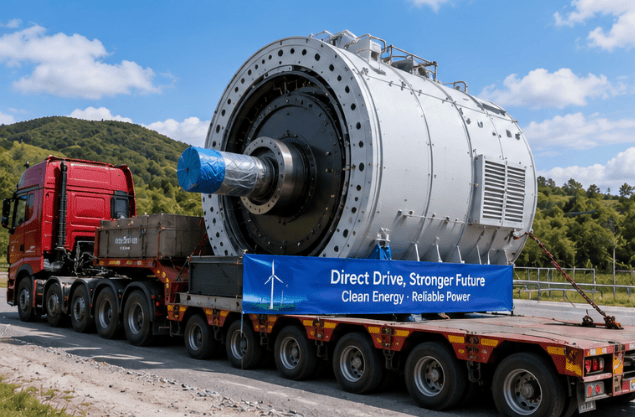
However, large offshore direct-drive generators face serious size and weight challenges. As turbine power increases, generator torque rises. A low-speed direct-drive structure often requires a larger diameter and stronger support. If the generator becomes too heavy, nacelle loading, tower design, foundation requirements, transport and lifting all become more difficult.
The central engineering challenge is to balance high torque density, low weight, low vibration and high reliability. This requires integrated design across electromagnetic performance, mechanical structure, thermal management, bearings and converter control.
The marine environment adds further requirements. Salt fog, humidity, condensation, temperature variation, vibration and long periods of unattended operation can affect insulation systems, bearings, seals, cooling systems and electrical connections. Offshore generators therefore need stronger corrosion protection, moisture control, cooling reliability and condition monitoring.
In the future, offshore direct-drive generators will develop toward higher power density, lighter structures, more reliable cooling systems and smarter condition monitoring. For suppliers, offshore wind is not simply about scaling up an existing generator. It requires system-level capability in materials, structure, electromagnetic design, thermal management and offshore operation support.
Related Products
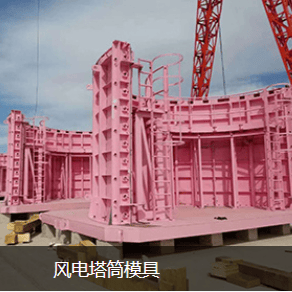

Wind Power Tower Mold
Qinhuangdao Tianye Tolian Heavy Industry & Technology Co., Ltd.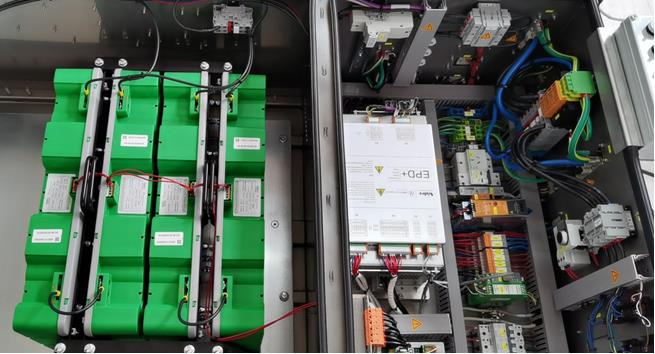
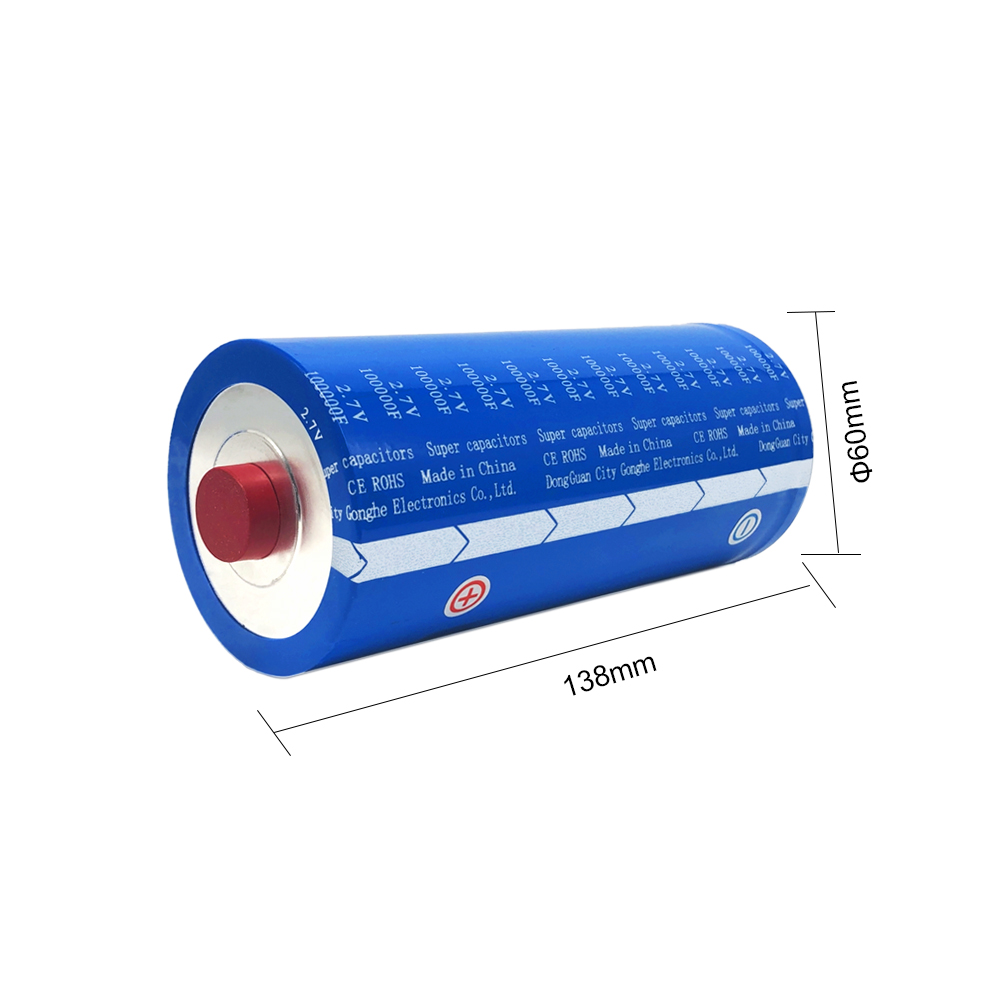
2.7V 100000F (60wh) 60138 high-power energy storage power starting power supply (instantaneous high current), low-temperature discharge, long service life, 100000 times of use
Gonghe Power Co.,LTD
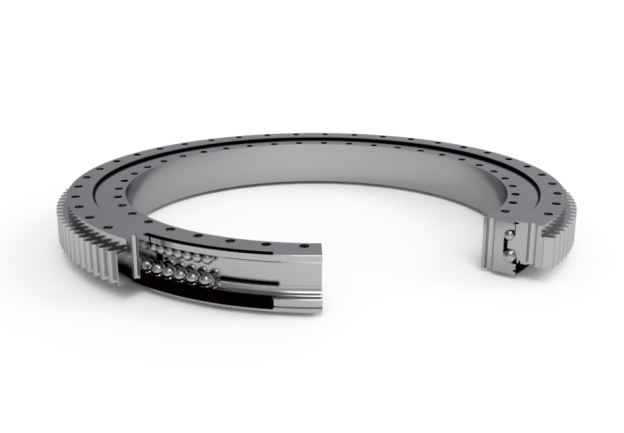
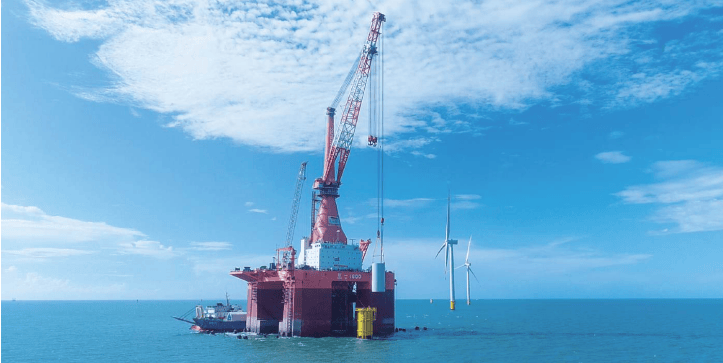
"Shunyi 1600" Deep-submerging Bottom-sitting Multi-functional Wind Power Engineering Vessel
Zhengli Offshore Engineering Co., Ltd.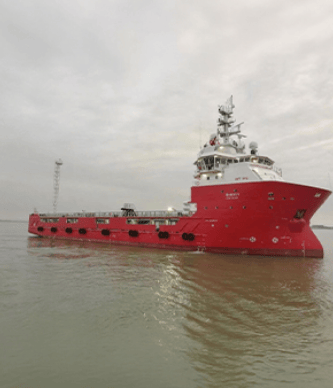
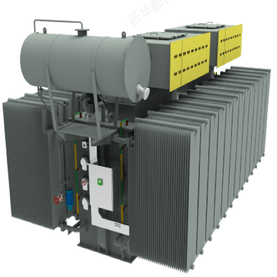
Oil-Immersed Converter Transformer for Variable Frequency Speed Control
Newonder Special Electric Co., Ltd.