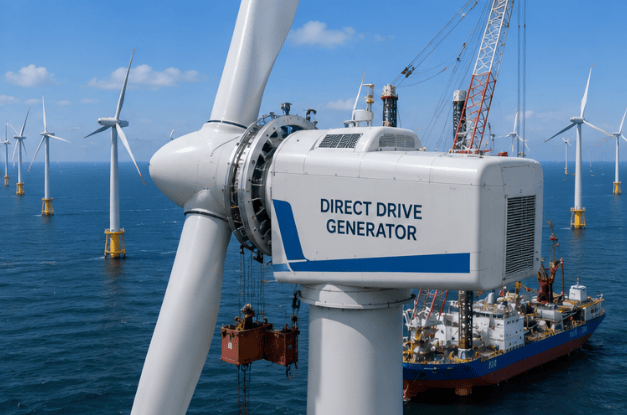
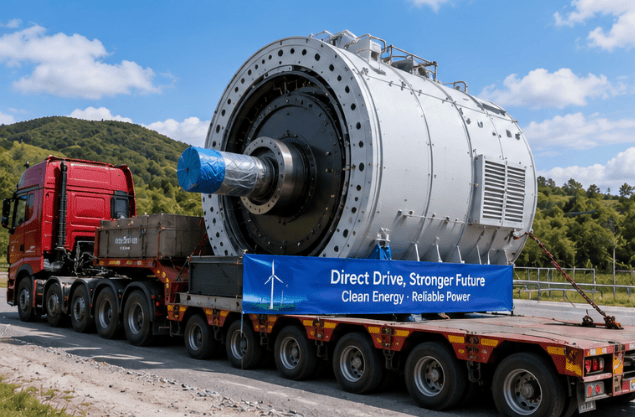
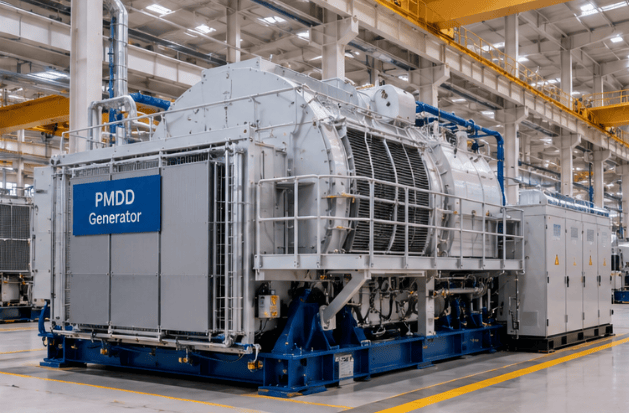
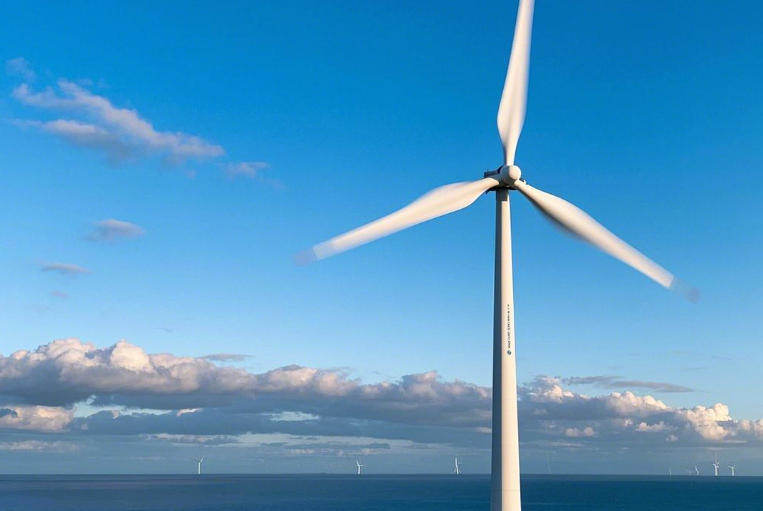
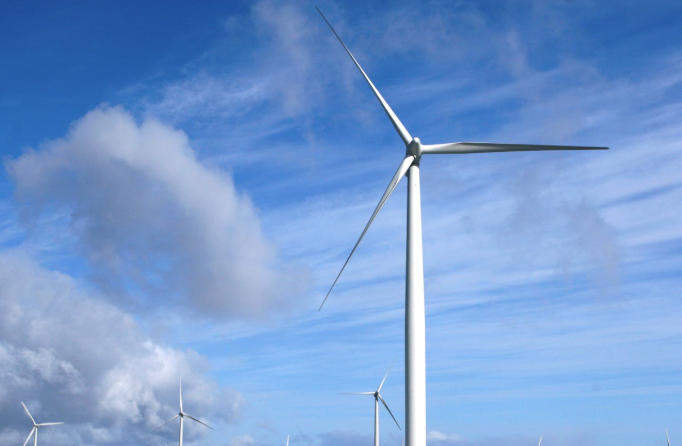
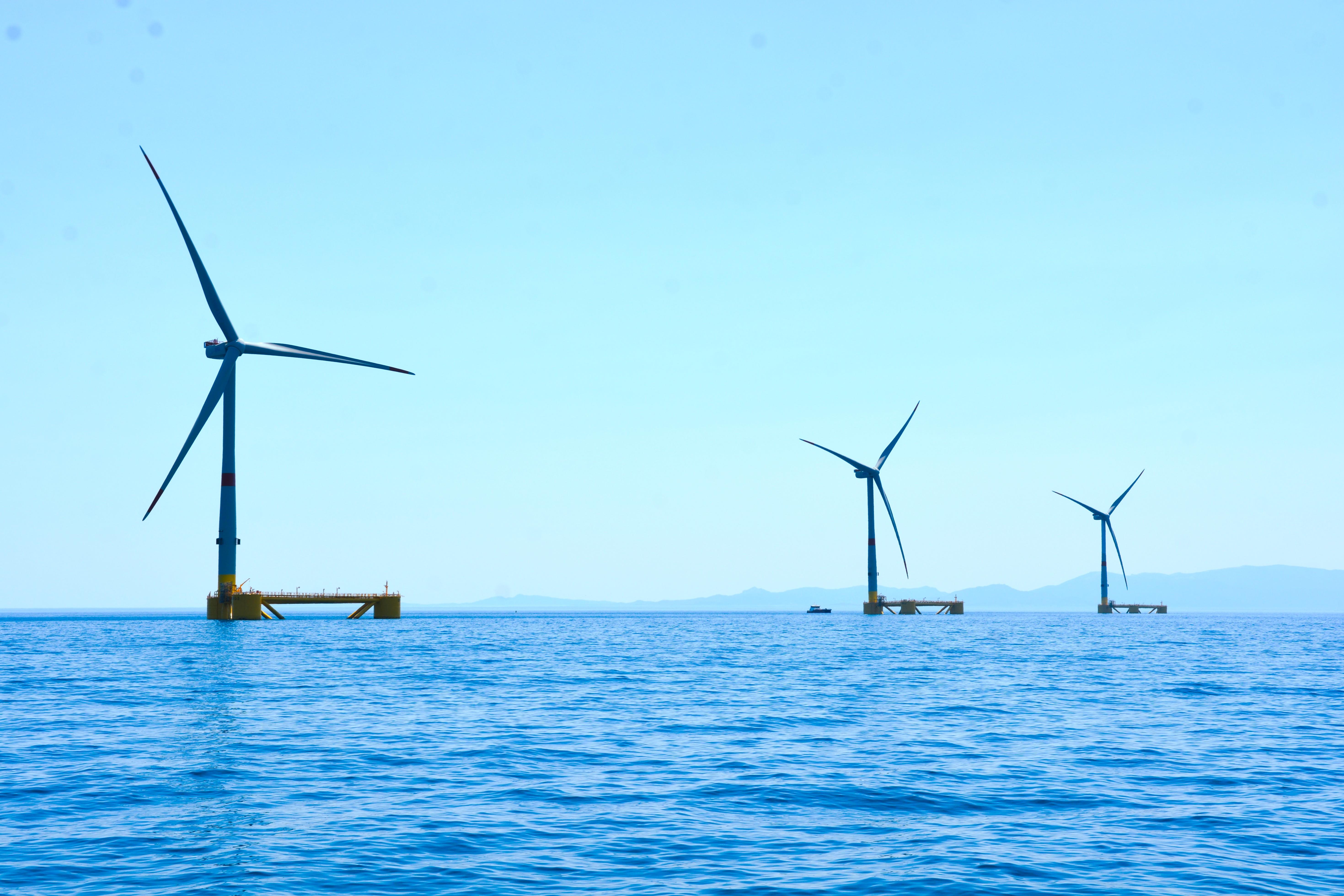
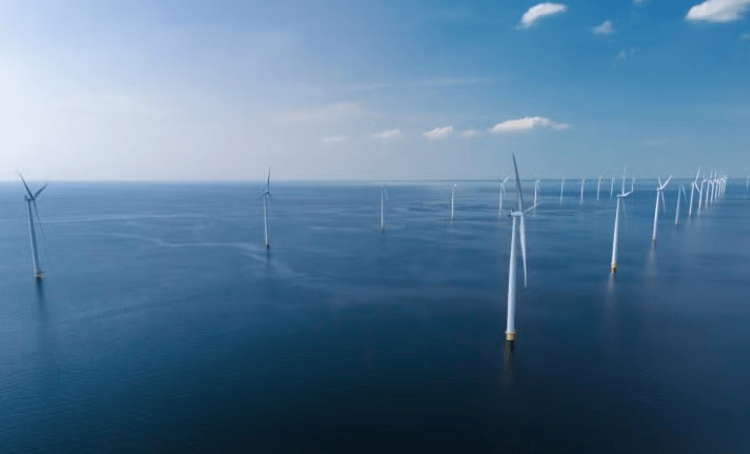
en.Wedoany.com Reported - As wind turbines move toward larger capacity, lower wind-speed adaptation and offshore deployment, the Permanent Magnet Direct Drive Generator is becoming an important technology route in wind turbine drivetrains. Unlike conventional configurations that use a gearbox to increase rotational speed before driving the generator, direct-drive systems allow the rotor to drive a low-speed, high-torque generator directly.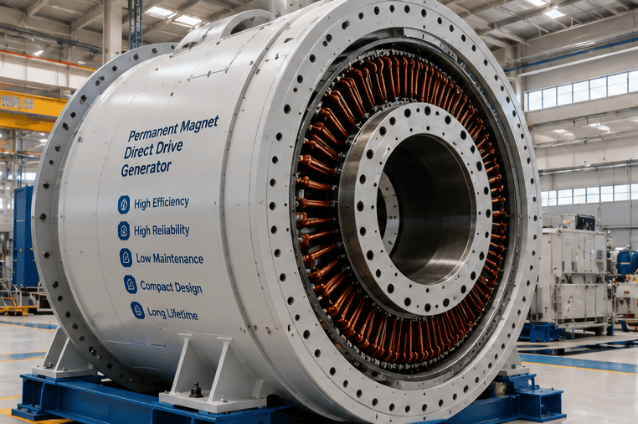
The main value of this route is reliability. Wind turbines operate for long periods at height, often under strong wind, vibration, low temperature, salt fog and remote maintenance conditions. Gearboxes can be expensive to maintain and difficult to replace, especially in offshore projects. Once a drivetrain failure occurs, crane mobilization, downtime and spare part logistics can create significant cost.
By reducing mechanical transmission components, a direct-drive permanent magnet system can reduce potential failure points in the drivetrain. This is particularly valuable for offshore wind farms, large onshore wind bases and projects where site access is difficult. For owners, higher turbine availability can be more important than a small reduction in initial equipment cost.
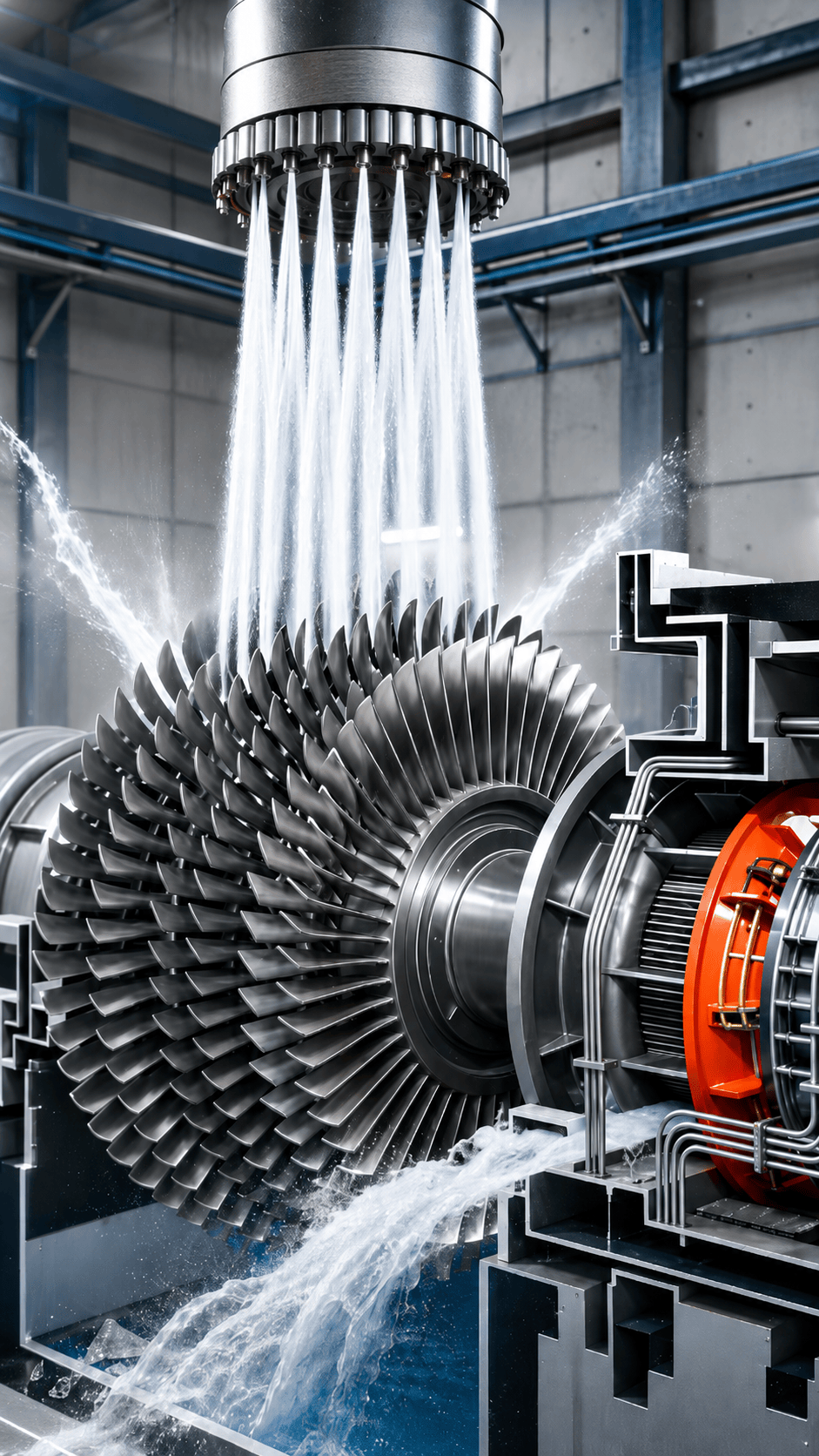
However, the technology also creates engineering challenges. Because the generator operates at low speed, it usually needs a larger diameter and higher torque density. Permanent magnet material selection, stator and rotor structure, cooling system, insulation design, bearing configuration and converter matching all influence efficiency and long-term stability.
In operation, direct-drive generators are usually paired with full-power converters. This enables variable-speed operation and grid-compatible power output, while also supporting reactive power control, low-voltage ride-through and power regulation requirements. As grid codes become stricter, the coordination among generator, converter and control system will become more important.
In the future, competition will not be based only on rated power. It will depend on reliability, lightweight design, material efficiency and life-cycle cost. Suppliers with strong capabilities in electromagnetic design, rare-earth magnet application, structural simulation, cooling technology, insulation process and turbine-level integration will be better positioned in advanced wind turbine supply chains.