Biological Wastewater Treatment Is Becoming a Core Unit for Stable Compliance
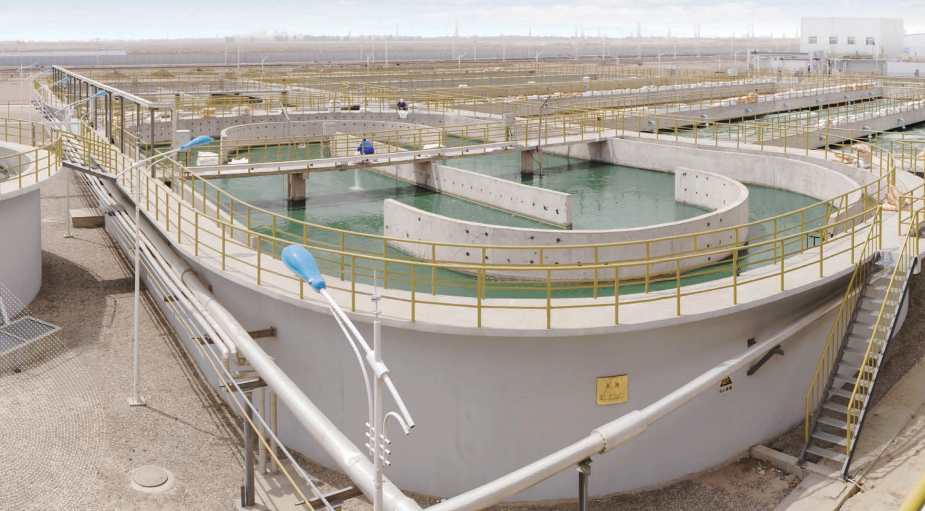
en.Wedoany.com Reported - A Biochemical Treatment System is becoming a core process unit in municipal wastewater, industrial wastewater, industrial park wastewater and rural sewage treatment projects. Unlike simple physical sedimentation or chemical dosing, biochemical treatment uses microorganisms to degrade organic pollutants and improve water quality through processes such as nitrification, denitrification, phosphorus removal and sludge settling.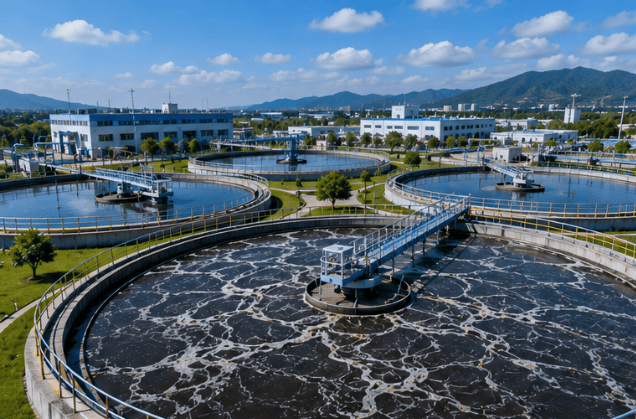
Common biochemical treatment processes include activated sludge, A/O, A2/O, SBR, oxidation ditch, MBR, MBBR, biological contact oxidation and anaerobic treatment. These processes are not interchangeable. Municipal wastewater projects usually focus on COD, BOD, ammonia nitrogen, total nitrogen, total phosphorus and suspended solids. Industrial wastewater from food processing, pharmaceuticals, chemicals, dyeing, aquaculture or landfill leachate may involve high salinity, high ammonia, high organic loading, refractory compounds or toxic shock loads.
The key challenge is that biochemical treatment is not only a set of mechanical equipment. It is a microbial ecosystem. Aeration rate, dissolved oxygen, sludge age, recycle ratio, carbon-to-nitrogen balance, temperature, pH, nutrients, toxic compounds and hydraulic retention time all influence microbial activity. If influent quality fluctuates sharply, aeration control is poor or sludge settling deteriorates, the plant may face ammonia breakthrough, sludge bulking, excessive foam, weak denitrification or turbid effluent.
Biochemical treatment systems are now moving from experience-based operation toward data-based control. Online monitoring of DO, ORP, ammonia, nitrate, phosphorus, MLSS, flow and sludge blanket level can help operators understand process conditions more accurately. Variable-frequency blowers, internal and external recycle control, carbon source optimization and sludge wasting control can reduce energy and chemical consumption while maintaining compliance.
The future competition will not be defined only by process names. It will depend on system stability. A mature solution must combine water quality testing, process design, equipment selection, automation, sludge management and operation service. For wastewater projects, a reliable biochemical treatment system is not only built at the construction stage. It must keep stable treatment capacity under influent fluctuation, seasonal change and long-term operation.
Related Products
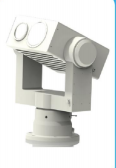

Forest and Grassland Heat Source Infrared Monitor
China Huayun Meteorological Technology Group Co., Ltd.
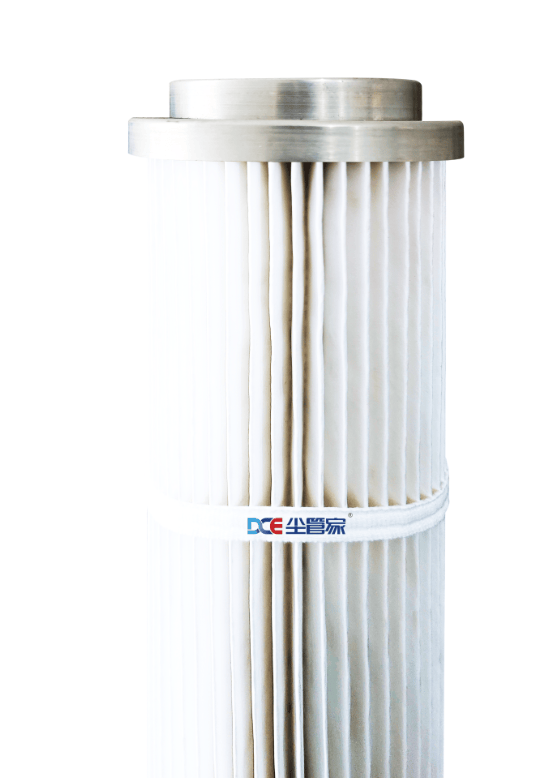
DCE High-Efficiency Energy-Saving Filter Cartridge
Zhejiang Hongsheng New Material Technology Group Co., Ltd.
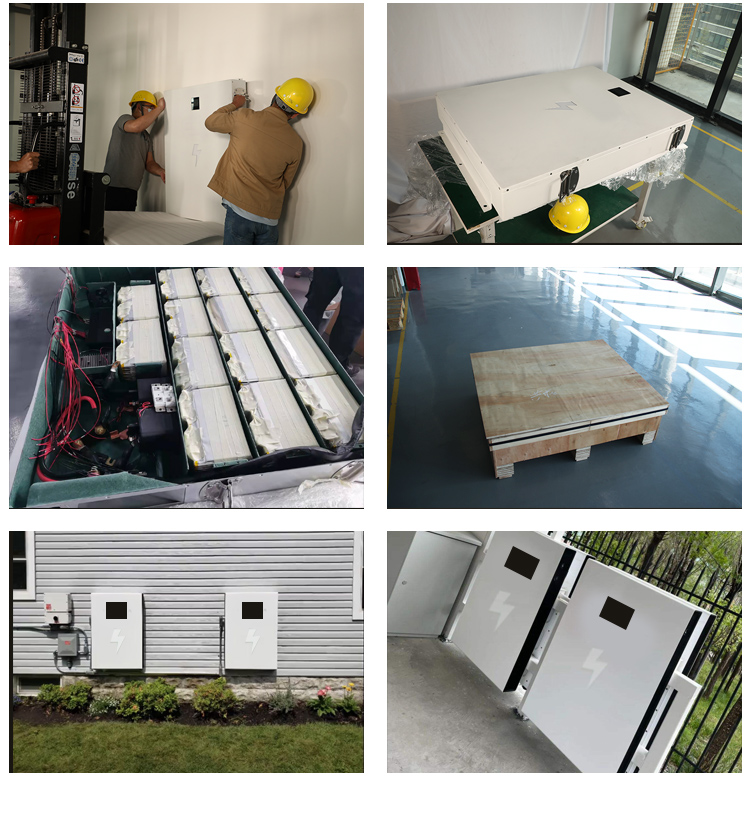
Safe, efficient, intelligent energy storage, creating smart homes and making life more convenient# Home Energy Storage # Supercapacitors # Energy Storage # Wall Mounted # Safe Electricity Use
Gonghe Power Co.,LTD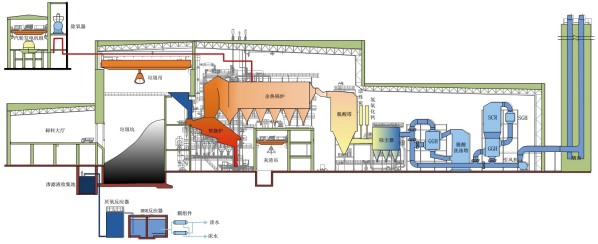
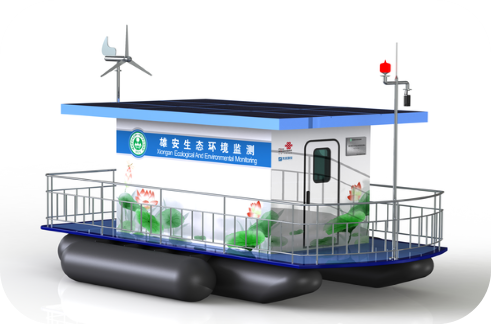
Floating Boat Water Quality Automatic Monitoring System
Hebei Sailhero Environmental Protection High-tech Co., Ltd.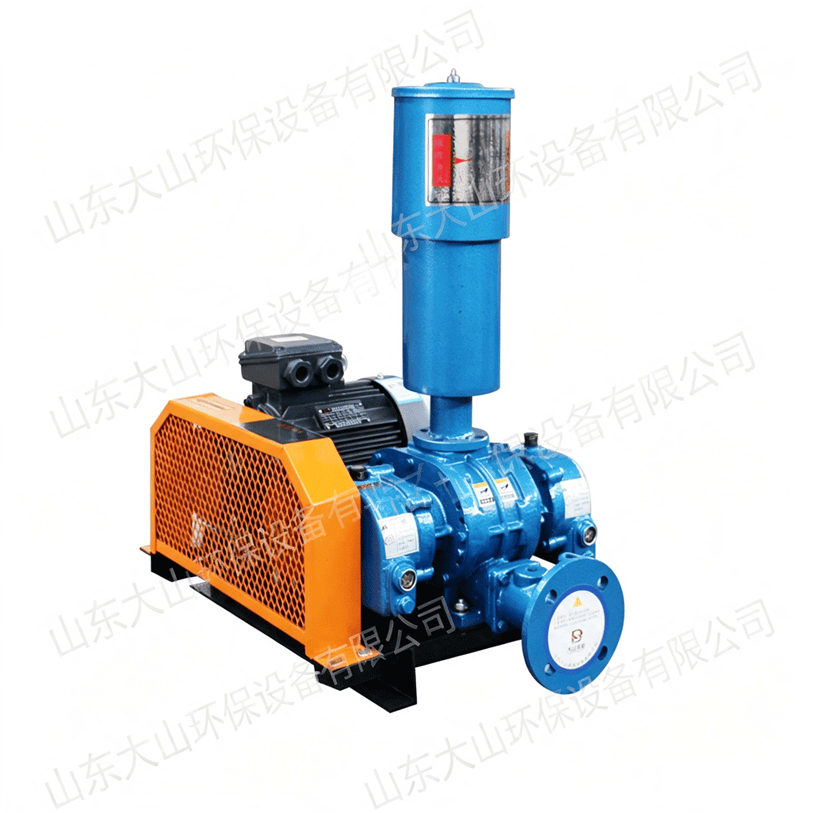
Roots Blower Aquaculture Bottom Aerator Microporous Aeration Tube Compatible Three-Lobe High Pressure Energy-Saving Oxygenation
Shandong Dashan Environmental Protection Equipment Co., Ltd.